Note: This is a copy-ready HTML <body> section in standard American English. Unnecessary publishing artifacts have been excluded.
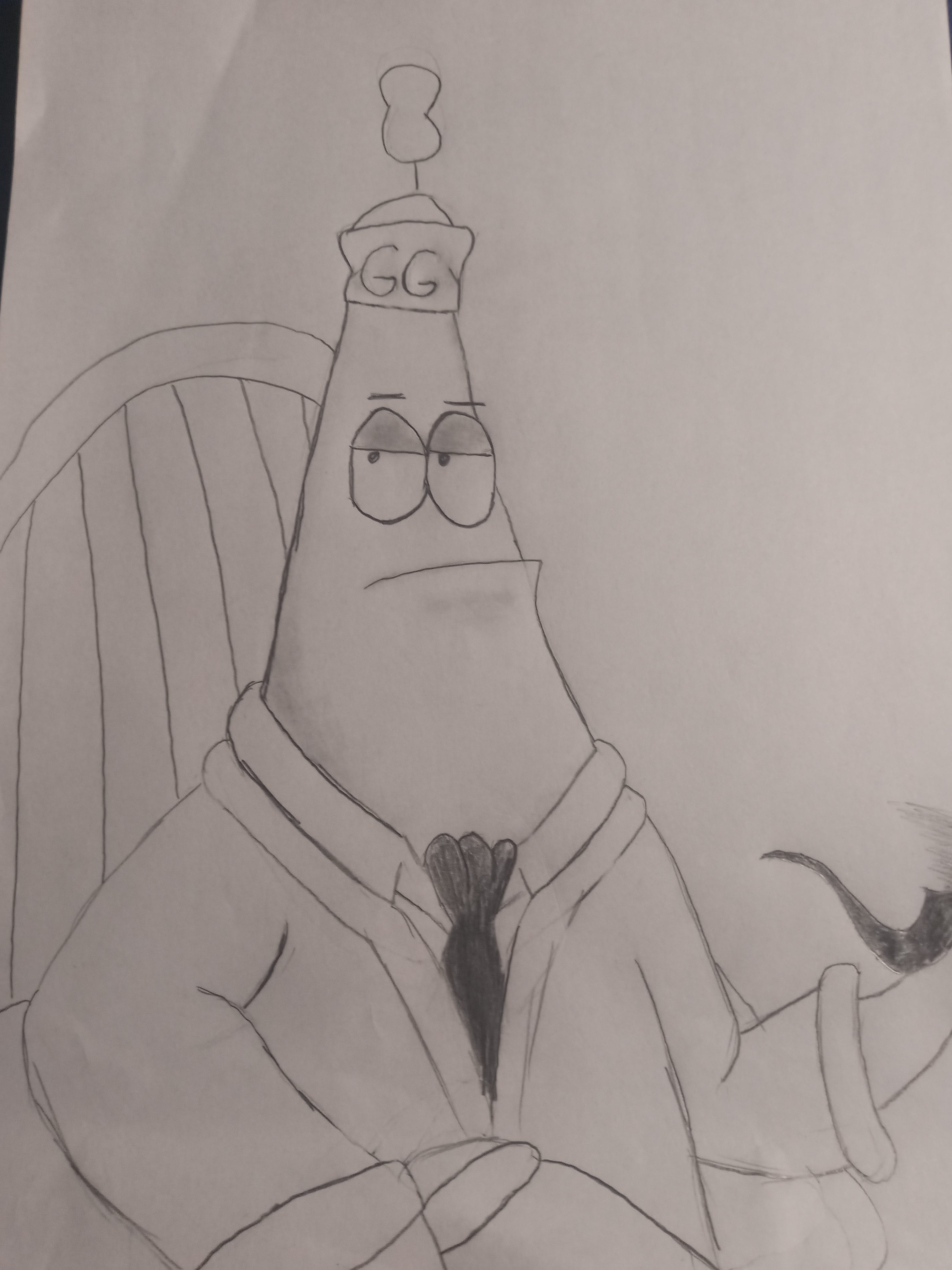
There are few internet prompts more charming than this one: “Hey Pandas! Post A Work Of Art You Are Proud Of!” It feels casual, friendly, and just a tiny bit dangerous. After all, posting art online means showing people something that usually lived in your sketchbook, camera roll, studio corner, or that suspiciously overstuffed drawer labeled “important creative stuff.” It is vulnerable. It is exciting. It is also one of the best reminders that art is not reserved for gallery walls, dramatic berets, or people who say “juxtaposition” three times before lunch.
This kind of prompt works because it invites real people to share real creativity. Not perfect creativity. Not museum-approved genius. Just something made by human hands, a human brain, and probably at least one moment of frustration involving an eraser, a sticky paintbrush, or a digital layer that vanished for no reason. Whether the result is a watercolor portrait, a digital fantasy scene, a crocheted mushroom, a ceramic mug, a charcoal sketch, or a beautifully chaotic mixed-media piece, the point is the same: someone made something and feels proud enough to let it breathe in public.
That matters more than people think. Art is not just decoration. It is memory, identity, experimentation, storytelling, problem-solving, and sometimes emotional damage with glitter on top. A prompt like this becomes bigger than a comment section. It turns into a miniature exhibition of courage, growth, humor, and personality. In a world full of hot takes and doomscrolling, seeing people proudly post the thing they made with care feels refreshingly human.
Why This Prompt Connects With So Many People
The genius of a prompt like “Post a work of art you are proud of” is that it does not ask for the best art. It asks for art that means something to the person who made it. That is a huge difference. The word proud shifts the conversation away from competition and toward connection. Suddenly the focus is not on technical perfection but on process, progress, and personal meaning.
For one artist, the proudest piece might be a polished acrylic painting with dramatic lighting and twelve layers of detail. For another, it might be a rough pencil drawing finished after a long creative slump. Someone else might post embroidery done during a difficult year, a comic page inspired by family stories, or a clay bowl that is slightly lopsided but carries the emotional weight of “I made this with my own two hands and it did not explode in the kiln.” Frankly, that last one deserves applause.
What people respond to in these community art threads is not just skill. It is sincerity. Viewers love seeing the fingerprints of a person’s experience in the work. They notice the weird color choices that somehow work. They notice the handmade texture. They notice the confidence, the insecurity, the humor, the obsession, the patience. Even when they do not know the artist personally, they can often feel when a piece means something. Art has a sneaky way of transmitting emotion without asking permission first.
What Counts As A Work Of Art? More Than You Think
One reason prompts like this succeed is that they quietly blow up narrow ideas about what art “should” look like. A lot of people still hear the word art and imagine oil paintings, marble statues, or the kind of abstract installation that makes you nod thoughtfully while secretly wondering whether a spilled mop bucket started it all. But in a community-driven prompt, art gets wider, messier, and far more interesting.
Traditional art still shows up strong
Drawings, paintings, ink work, watercolor pieces, and portraits are the obvious favorites. These works often carry the visible evidence of time and discipline. You can see the brush control, the line confidence, the layering, the observation. Traditional media also tends to reveal the artist’s hand in a very direct way. The wobble of a line, the texture of paper, the softness of shading, the pressure of a pencil stroke: all of that becomes part of the story.
Digital art has fully earned its seat at the table
Digital artists know the strange combination of freedom and chaos that comes with creating on a screen. There is endless possibility, and also an infinite number of ways to accidentally ruin a file at 2:14 a.m. Digital painting, concept art, fan art, graphic design, illustration, and photo-based edits all deserve space in a thread like this. The medium may be different, but the creative decisions are no less real. Composition, color, storytelling, mood, and voice still do the heavy lifting.
Crafts and handmade work absolutely count
This is where community art threads become especially delightful. Suddenly you are looking at quilted wall hangings, beadwork, handmade journals, carved wood, knitted creatures, stained glass, paper flowers, jewelry, collages, and custom miniatures. These pieces remind everyone that art is not confined to a frame. It can be wearable, useful, sculptural, decorative, playful, or gloriously impractical. If somebody spent hours making a tiny frog in a sweater, that is art. Highly necessary art, in fact.
Photography and visual storytelling belong here too
A photograph can be every bit as personal and crafted as a drawing. The proudest photo might not be the most expensive-looking one. It might be the image that captured a fleeting expression, a perfect shadow, an unforgettable landscape, or a moment of family history that can never be recreated. Great photography is not only about equipment. It is about attention. Artists who notice light, timing, emotion, and composition are already doing creative work at a high level.
How To Choose The Piece You Are Most Proud Of
Picking one artwork can be weirdly difficult. Artists are often their own harshest critics, which means the piece they are proudest of may not be the piece they think is technically “best.” A better question is not, “Which work is flawless?” It is, “Which work feels earned?”
Sometimes the right piece is the one that taught you the most. Maybe it forced you to learn perspective, glazing, anatomy, lighting, stitching, editing, or patience. Maybe it was the piece where something finally clicked after months of making things that looked like haunted furniture. Growth counts. A lot.
Sometimes the proudest piece is the one you nearly abandoned. That painting you wanted to throw across the room. That sculpture that refused to cooperate. That digital illustration you restarted four times before realizing version three was actually the good one. Finishing difficult work builds a different kind of pride. It carries resilience inside it.
And sometimes the artwork you should post is simply the one that feels most like you. Not the one most likely to impress strangers. Not the trendiest. Not the most polished. The one where your taste, humor, obsessions, or emotional truth came through clearly. People are drawn to work with personality. They remember pieces that feel alive with the maker’s voice.
How To Share Your Art So People Really See It
A great piece deserves a decent presentation. This is not about turning every artist into a full-time marketing department. It is about helping the work speak clearly. When people post art online, the image and context shape first impressions almost immediately.
Use a clean, well-lit image
If your artwork is traditional or handmade, photograph it in good lighting with a simple background. No dramatic kitchen shadows. No mysterious foot in the corner of the frame. No angled photo that makes a square painting look like it is trying to escape the wall. A clear image helps viewers appreciate detail, color, and craftsmanship without distraction. For three-dimensional work, showing more than one angle can make a big difference.
Add a short caption with just enough story
You do not need a dissertation. A few lines can do the job beautifully. Mention the medium, the subject, and why the piece matters to you. For example: “Colored pencil portrait inspired by my grandmother’s old photos,” or “First ceramic mug I made after taking a beginner class,” or “Digital piece based on a dream I could not stop thinking about.” Context invites connection. It gives viewers a doorway into the work.
Curate instead of over-explaining
Artists sometimes worry that people will not understand the piece unless every thought behind it is explained. But strong work usually benefits from a little breathing room. Give viewers enough information to orient themselves, then let the image do its job. Art is allowed to keep a few secrets. Honestly, mystery is part of the fun.
What Makes Community Art Threads So Fun To Read
Part of the appeal is variety. Scroll for thirty seconds and you might see a hyper-detailed graphite eye, a pastel landscape, a digital dragon, a hand-embroidered jacket, and a cake decorated so beautifully it almost feels rude to eat it. Almost. Community art threads flatten the hierarchy that often makes the art world feel intimidating. The talented hobbyist, the student, the retired beginner, the full-time illustrator, and the accidental genius with a glue gun all get to stand in the same room.
There is also a contagious generosity in these spaces when they are working well. People cheer for effort. They compliment color choices. They ask how something was made. They tell strangers not to stop. That kind of response can be more powerful than it sounds. Creative confidence is fragile. One encouraging comment can keep somebody making work for another month, another year, or the rest of their life.
And yes, there is humor too. Art threads are full of people who know exactly what it feels like to spend six hours rendering one eye and then absolutely giving up on the background. They know the tragedy of uneven paint, smudged graphite, cracked glaze, and the ancient digital curse known as “I forgot to save.” Shared struggle builds instant community.
If You Want To Post Your Art, Here Is The Best Mindset To Have
Post the piece that feels meaningful, not the one that feels safest. You are not applying for a museum retrospective. You are participating in a human exchange. The goal is not to prove you are the greatest artist alive. That would be exhausting, and frankly the Renaissance already tried that. The goal is to say, “This is something I made, and it matters to me.”
That mindset changes everything. It takes pressure off perfection and puts the focus back on expression. Art shared with honesty is almost always more memorable than art shared purely for approval. People can feel the difference. The piece with the strongest emotional charge often wins more affection than the piece with the slickest finish.
So if you are hesitating because your work is not “good enough,” remember this: being proud of an artwork does not mean believing it cannot be improved. It means recognizing that the piece represents effort, intention, and a real moment in your creative life. Pride is not arrogance. It is acknowledgment.
Creative Experiences Related To “Hey Pandas! Post A Work Of Art You Are Proud Of!”
One of the most relatable experiences connected to a prompt like this is the strange delay between finishing a piece and believing it is worth sharing. Many artists complete something, stare at it for ten minutes, and immediately start noticing every flaw. The hand looks odd. The colors feel too loud. The composition seems off. A day later, they still are not sure. A week later, they quietly save the image to a folder called “maybe.” That hesitation is incredibly common, and it says less about the quality of the work than it does about how personal creativity can feel.
Then something funny happens. A friend sees the piece and reacts to exactly the part the artist almost cropped out. A stranger notices the mood, the texture, the storytelling, or the detail that the maker had already dismissed. Suddenly the work begins to live outside the artist’s private anxiety. It becomes visible in a different way. That experience can be oddly healing. It reminds creators that they do not have to be perfect judges of their own value.
Another common experience is realizing that the artwork you are proudest of is not the one that took the least effort but the one that helped you through something. A lot of people make art during stressful seasons, lonely seasons, uncertain seasons, or transitional moments when words are not quite enough. The final piece carries those hours inside it. Maybe it was painted after work at midnight. Maybe it was stitched during recovery. Maybe it was photographed during long walks taken to clear a crowded mind. When that work gets posted, people are not only sharing a product. They are sharing proof that they kept going.
There is also the joy of surprise. Sometimes a person posts a small side project they made “just for fun” and finds that others connect with it more than the big, ambitious piece they thought would define them. That can be liberating. It shows that audiences often respond to authenticity faster than polish. The doodle with personality, the miniature sculpture with humor, the oddly tender snapshot of an everyday object, or the handmade gift created for one specific person can hit harder than the grand masterpiece with all the pressure in the world sitting on its shoulders.
And then there is the simple pleasure of seeing other people share their work. That part matters too. Creative communities are not powered only by posting. They are powered by witnessing. Looking at another person’s art can spark ideas, offer comfort, or quietly give permission to try again. You see a beginner post their first watercolor and think, “Maybe I can start too.” You see an experienced artist share early work next to current work and think, “Improvement is real.” You see someone proudly post embroidery, pottery, comics, or handmade crafts and remember that there are a thousand valid ways to make something beautiful.
In that sense, “Hey Pandas! Post A Work Of Art You Are Proud Of!” is more than a cheerful internet invitation. It is a record of process, persistence, and personality. It gives people a place to say, “Here is what my imagination looked like when I trusted it enough to make something.” And really, that is worth celebrating every single time.
Conclusion
Art prompts like this one are small on the surface and surprisingly meaningful underneath. They invite people to share more than finished images. They invite stories, growth, vulnerability, humor, memory, and pride. That is why these community art threads feel so lively and memorable. They are filled with work made by people who cared enough to begin, stubborn enough to continue, and brave enough to post.
So if the question is, “What should I post when someone says, ‘Hey Pandas! Post A Work Of Art You Are Proud Of!’” the answer is simple: post the piece that feels true. Post the piece that taught you something. Post the one that still makes you smile, even if one corner is a little wonky. Post the artwork that reminds you creativity is not only about talent. It is also about attention, persistence, curiosity, and the willingness to show a little bit of yourself.
Because in the end, the best part of sharing art is not proving that you are flawless. It is proving that you made something real.