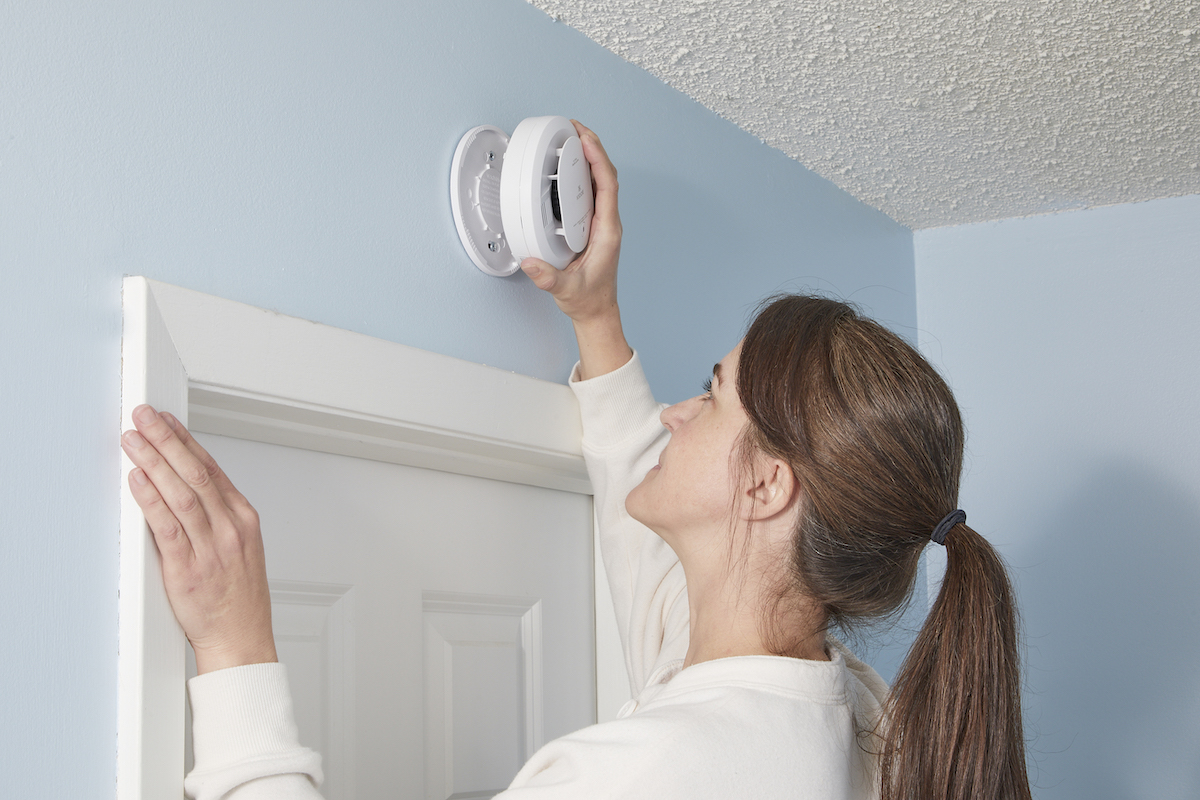
A smoke detector that starts beeping for no obvious reason has a special talent: it always seems to happen at 2 a.m., right when your brain has finally clocked out. One little chirp every 30 or 60 seconds, and suddenly your whole house is starring in a low-budget suspense movie. The good news? In most cases, a beeping smoke detector is not a mystery worthy of a detective wall covered in red string. It is usually a straightforward maintenance issue, and you can often fix it in a few minutes.
If your smoke detector is beeping, chirping, or acting like it has unresolved emotional issues, this guide walks you through the most common causes and the smartest ways to fix them. We will cover low batteries, end-of-life warnings, hardwired alarm problems, dust buildup, temperature changes, and the classic “I changed the battery and it is still chirping” situation. Because yes, that happens a lot.
First Things First: Beeping Is Not Always the Same as an Alarm
Before you start unscrewing things from the ceiling, figure out what sound you are actually hearing. A smoke detector that is chirping once every 30 to 60 seconds is usually signaling a maintenance issue, not an active fire emergency. A detector that is giving repeated loud alarm patterns is a different story.
When to stop troubleshooting and leave the house
If the alarm is sounding continuously, or you smell smoke, see flames, or suspect a real fire, do not stand beneath the detector trying to negotiate with it. Get everyone out, stay out, and call 911 from outside. Troubleshooting is for nuisance chirps, not active danger.
Why Is My Smoke Detector Beeping?
Most smoke detector chirps come down to one of a handful of causes. Think of it less as a dramatic breakdown and more as the detector sending you a very tiny, very annoying to-do list.
1. The battery is low
This is the most common cause of a beeping smoke detector. If your unit uses a replaceable battery, a single chirp every so often usually means the battery is running low and needs to be changed. Even if the alarm still has enough power to chirp, that does not mean it has enough power to protect your home reliably.
2. The alarm has reached the end of its life
Many smoke alarms are designed to be replaced after about 10 years. Once the sensor ages out, the unit may chirp to tell you it is time for retirement. At that point, replacing the battery will not solve the problem. The whole alarm needs to go.
3. The battery is installed incorrectly
A fresh battery is not helpful if it is loose, misaligned, or the wrong type. Some alarms are particularly picky about battery fit, and a battery drawer that is not fully closed can also trigger chirping. Basically, your smoke detector has standards.
4. Residual charge is stuck in the unit
This is the reason many people change the battery and still hear chirping. Some alarms hold a residual charge even after the old battery is removed. Until that charge is discharged properly, the detector may keep acting up like it never got the memo that you already fixed the battery.
5. Dust, debris, or tiny uninvited roommates
Dust buildup inside the sensing chamber can cause strange behavior, including nuisance chirps or false alarms. In some homes, humidity, cobwebs, and even insects can interfere with the sensor. Nothing says “good morning” quite like discovering your smoke detector has become luxury housing for a spider.
6. Hardwired alarm issues
If you have a hardwired smoke detector with a battery backup, chirping can happen when the backup battery is low, when AC power has been interrupted, or when wiring connections are loose. A tripped breaker or a power outage can also send the unit into chirp mode.
7. Temperature or humidity changes
Smoke detectors sometimes chirp more often at night or during seasonal weather changes. Cooler nighttime temperatures can affect battery performance, especially when a battery is already close to dead. High humidity can also contribute to nuisance issues in some locations.
How to Fix a Beeping Smoke Detector
Now for the part your ears care about most. Follow these steps in order, and you will usually find the problem quickly.
Step 1: Identify which detector is beeping
This sounds easy until you are standing in a hallway listening to echoes from the ceiling. If you have multiple alarms, walk around and listen closely. In interconnected systems, one detector may be the troublemaker while the others are just minding their own business.
Step 2: Check the manufacture date
Remove the alarm from its mounting bracket and look at the back or side. You should find a manufacture date label. If the unit is around 10 years old or older, stop trying to perform miracles. Replace the entire alarm.
Step 3: Replace the battery correctly
If the detector uses a replaceable battery, install a brand-new battery of the exact type recommended by the manufacturer. Do not grab a mystery battery from the junk drawer that has been rolling around next to old receipts and one paper clip since 2019. Use a fresh, matching battery and make sure it clicks or seats firmly into place.
Step 4: Reset the alarm
After replacing the battery, press and hold the test button for about 15 to 20 seconds, or follow the model’s instructions. This can help clear the low-battery signal and discharge residual power. In many cases, this is the step people skip, which is why the chirping keeps going and morale drops fast.
Step 5: Clean the detector
Use a vacuum with a soft brush attachment or a gentle burst of clean air around the vents. Do not spray water, cleaners, or anything fancy into the alarm. It is a smoke detector, not a houseplant. A basic cleaning can remove dust and debris that interfere with the sensor.
Step 6: Check the mounting and battery drawer
Make sure the detector is attached properly to its mounting plate and that the battery door is fully closed. Some units chirp if they are not seated correctly. This is their way of saying, “I would like to speak to the manager of installation.”
Step 7: Inspect hardwired power issues
If the alarm is hardwired, confirm that power is reaching the unit. Check whether a breaker has tripped. If one alarm on the circuit has a loose connection, it can sometimes cause odd behavior in the system. If you are not comfortable working around household wiring, this is the moment to call an electrician rather than audition for a cautionary tale.
Step 8: Replace the entire alarm if chirping continues
If you have replaced the battery, cleaned the unit, reset it, and confirmed it is mounted properly, but the chirping continues, the alarm may be defective or at end of life. At that point, replacement is the smartest move.
What If the Smoke Detector Keeps Beeping After a New Battery?
This is one of the most common and most frustrating problems. You did the responsible adult thing. You bought the battery. You climbed the ladder. You changed it. And still: chirp. Tiny betrayal from the ceiling.
Here is what is usually going on:
- The old low-battery signal has not been cleared with a reset.
- The new battery is loose, weak, or the wrong type.
- The battery drawer is not fully closed.
- The unit is actually signaling end of life, not low battery.
- The detector is dirty inside.
- The problem is AC power loss in a hardwired unit, not the battery itself.
If your detector still chirps after all the standard fixes, replacing the alarm usually saves more time than continuing an increasingly personal feud with the ceiling.
Hardwired Smoke Detector Beeping? Check These Extra Issues
Hardwired alarms are great because they are connected to your home’s electrical system, but they also come with a few extra ways to be dramatic.
Power interruption
If your home recently had a power outage or breaker issue, the detector may be operating on backup battery power. That backup battery can become depleted and trigger chirping.
Loose wiring connection
A loose neutral or power wire can cause intermittent chirps. This is especially possible in older homes or after electrical work. If you suspect wiring trouble, let a qualified electrician handle it.
One problem detector in an interconnected system
In a network of interconnected alarms, one faulty unit can create confusion. If you cannot pinpoint the problem, inspect each detector one by one, starting with the oldest.
When You Should Replace the Smoke Detector Instead of Fixing It
Sometimes the best repair is not a repair at all. Replace the smoke detector if:
- It is 10 years old or older.
- It keeps chirping after a new battery and reset.
- It fails the test button check.
- It has visible damage, corrosion, or discoloration.
- The manufacturer says the chirp pattern indicates end of life or malfunction.
A smoke alarm is not an item you want to keep limping along with crossed fingers and optimism. When in doubt, replace it.
How to Prevent Smoke Detector Chirping in the Future
Most chirping episodes are preventable with basic maintenance. The trick is to handle the detector before it starts its midnight solo performance.
Test alarms monthly
Press the test button once a month. It is quick, boring, and incredibly worth it.
Replace batteries on schedule
For alarms with replaceable batteries, change them at least once a year or as soon as the alarm chirps. For sealed 10-year units, replace the whole alarm when it reaches the end of its service life.
Clean the units regularly
Lightly vacuuming around the detector every so often helps reduce dust buildup.
Keep alarms in the right places
Install smoke alarms on every level of the home, outside sleeping areas, and inside bedrooms if doors are closed at night. Avoid placing them too close to cooking appliances, bathrooms with steamy showers, or spots with extreme temperatures unless the manufacturer says the location is appropriate.
Common Mistakes People Make
Plenty of people make the same mistakes when a smoke detector starts chirping, so do not feel singled out by your ceiling.
- Ignoring the chirp for days or weeks.
- Replacing the battery but skipping the reset.
- Using an old or incorrect battery.
- Assuming every chirp means low battery.
- Forgetting to check the alarm’s age.
- Removing the battery to stop the noise and not replacing it right away.
That last one is especially risky. A silent detector with no battery is not “fixed.” It is just quiet and useless, which is not the personality trait you want in life-saving equipment.
Final Thoughts
If your smoke detector is beeping, do not panic, but do not ignore it either. A chirp is usually the detector’s way of telling you something simple: the battery is low, the unit is dirty, the wiring needs attention, or the alarm has reached the end of its life. Start with the basics: identify the chirping unit, check the age, install the correct battery, reset the alarm, and clean it. If the noise continues, replacement is often the smartest and safest answer.
In other words, the detector is not trying to ruin your sleep for fun. It is trying, in its own deeply annoying way, to do its job. Your mission is to help it retire from chirping and return to the far more peaceful role of quietly protecting your home.
Extra Experience and Practical Lessons From Real-Life Beeping Battles
Anyone who has dealt with a beeping smoke detector knows the problem is rarely just the sound itself. It is the timing. The chirp always seems to begin when you are leaving for work, hosting guests, putting a baby to sleep, or trying to pretend you are finally caught up on life. The first lesson most homeowners learn is that one small chirp can feel louder than a jet engine once you notice it. The second lesson is that the obvious fix is not always the complete fix.
A very common experience goes like this: someone hears the chirp, assumes the battery is dead, swaps in a new one, and waits proudly for silence. Then, forty-five seconds later, the detector chirps again with the confidence of a tiny comedian delivering a callback. That is usually the moment people realize smoke detectors have a memory. If you do not reset the unit or clear residual charge, it may continue warning you even after the battery has been replaced. It feels unfair, but it is also very fixable.
Another classic scenario happens in homes with multiple alarms. You stand in the hallway turning in circles like a confused owl, trying to figure out which detector is actually chirping. The sound bounces off walls, ceilings, and every ounce of your remaining patience. More than a few people replace the battery in the wrong unit first. The practical takeaway is simple: pause, listen carefully, and isolate the source before doing anything else. A few extra minutes of detective work can save a lot of unnecessary ladder climbing.
Hardwired alarms create their own special category of confusion. People often assume that because the unit is wired into the house, the battery cannot be the issue. Then they discover the hardwired detector still has a backup battery that absolutely can cause chirping. Others find out the backup battery is draining quickly because AC power to the alarm has been interrupted. In real life, these situations feel random, but once you know how the system works, the behavior makes much more sense.
Then there is the age issue, which sneaks up on almost everyone. Plenty of smoke alarms look perfectly fine from the outside after a decade. They are still attached to the ceiling, still white-ish, and still very committed to blending into the background. But once they hit the end of their service life, they may start chirping no matter how many batteries you feed them. This is often the point when homeowners realize they were trying to revive a device that was simply done with its career.
The biggest practical lesson is this: treat a beeping smoke detector as useful information, not as a household nuisance to silence and forget. The chirp is annoying, sure, but it is also a prompt to restore the alarm to full working order. And once you fix the problem properly, the payoff is glorious: a quiet house, a safer home, and the deeply satisfying feeling of having won a very petty but important battle against a plastic disc on the ceiling.