Walk into a beautifully lit room and something happens before you even study the sofa, admire the rug, or silently judge the owner’s collection of decorative pillows. You feel the space. It may seem calm, lively, intimawork of lighting.
Perfect room ambiance is not created by buying the most expensive chandelier in the showroom and hoping it develops a personality. Good lighting design is a thoughtful mix of brightness, placement, color temperature, shadows, daylight, and control. In other words, your room needs a lighting strategynot an interrogation lamp hanging from the ceiling.
The concept of luminous living is about treating light as an active part of interior design. By using layered lighting, warm and cool tones intentionally, dimmers, natural daylight, and carefully placed fixtures, you can create a home that changes with your mood and daily routine.
Ready to flip the switch on better living? Let’s illuminate the details.
Why Room Ambiance Begins With Light
Furniture gives a room function. Color creates personality. Lighting determines how you actually experience both.
A deep blue wall can look sophisticated under warm, controlled illumination and oddly gloomy beneath a weak ceiling bulb. A beautiful wood dining table may reveal rich grain under high-quality light but look flat when the lighting is harsh or badly positioned.
That is why professional lighting strategies typically combine several types of illumination instead of expecting a single fixture to handle every visual and practical need. Design guidance from lighting professionals and major U.S. home publications consistently emphasizes ambient, task, and accent layers as the foundation of a flexible room. ght as music in a movie. You rarely notice the soundtrack when it works perfectly, but remove it and suddenly every scene feels slightly awkward. Your living room has the same problem when its entire lighting plan is one extremely determined ceiling fixture.
Master the Three Essential Layers of Lighting
Ambient Lighting: The Room’s Foundation
Ambient lighting provides the general illumination needed to move comfortably through a room. Ceiling fixtures, recessed lights, chandeliers, pendants, and indirect lighting are common sources.
The goal is not maximum brightness. It is comfortable visibility.
Imagine entering a living room in the evening. You should be able to see the furniture, identify the remote control before sitting on it, and walk across the floor without discovering a toy with your bare foot. Ambient light handles those basic responsibilities.
For a softer atmosphere, consider fixtures with diffusers, fabric shades, frosted glass, or indirect light that bounces from walls and ceilings. These options can distribute light more gently and reduce hard shadows.
Task Lighting: Brightness With a Job Description
Task lighting focuses illumination where specific activities happen. A desk lamp supports computer work. Under-cabinet lighting brightens food preparation surfaces. Bedside reading lamps help you finish one more chapter at midnightwhich, as history repeatedly demonstrates, means seven more chapters.
Task lighting should be positioned strategically rather than simply made extremely bright. The objective is to improve visibility and reduce troublesome shadows or glare.
In a home office, an adjustable desk lamp can deliver focused illumination without turning the entire room into a corporate conference facility. In the kitchen, lights under upper cabinets can illuminate counters that might otherwise sit in the shadow of overhead fixtures.
Accent Lighting: Where the Drama Lives
Accent lighting draws attention to architectural details, artwork, shelving, plants, textured walls, or favorite objects. Picture lights, directional spots, LED strips, and integrated shelf lighting are popular choices.
This is where room ambiance becomes personal.
Perhaps you have an oversized painting above the fireplace. Instead of allowing it to quietly disappear after sunset, a carefully aimed light can turn it into a nighttime focal point. A softly illuminated bookcase can add visual depth. LED lighting concealed behind a media console can create separation between the furniture and wall.
Designers frequently use multiple light heights and targeted accents to add dimension rather than flattening the room with uniform illumination. Lumens Before Buying Another Bulb
Many homeowners still think primarily in watts when shopping for bulbs. Watts measure energy use, however, while lumens describe light output. Modern LED shopping is much easier when you focus on the amount of light you need instead of trying to mentally translate everything into an old incandescent bulb.
ENERGY STAR purchasing guidance specifically recommends looking at lumens for brightness, and the U.S. Department of Energy identifies LED technology as today’s most energy-efficient lighting technology. me more lumens automatically mean a better room. A high-output light in a small bedroom can feel aggressively energetic when your main objective is sleep. Meanwhile, a dim decorative fixture over a kitchen work surface may look charming while leaving you to chop onions by instinct.
Match brightness to purpose. Use sufficient task lighting where detailed work occurs, then maintain softer general illumination in spaces designed for conversation and relaxation.
Choose the Right Color Temperature for the Mood
Color temperature is measured in Kelvin, usually written as K. Lower Kelvin values create warmer, more yellow or amber-looking white light. Higher Kelvin values appear cooler and more blue-white.
Common residential choices around 2700K deliver a warm appearance traditionally associated with cozy interiors, while higher color temperatures can create a brighter, cooler visual impression. Lighting references from the Department of Energy, the Illuminating Engineering Society, and residential design sources all treat correlated color temperature as a major characteristic of white light. for Relaxing Spaces
Living rooms, dining areas, and bedrooms generally benefit from warmer light when the desired atmosphere is calm and welcoming.
Warm illumination is particularly effective with wood furniture, earth tones, creamy whites, traditional interiors, and cozy textiles. It can also make a room feel more intimate after sunset.
Picture a dinner party under cool, intensely bright lighting. Everyone can clearly inspect the salad. Unfortunately, they can also clearly inspect every pore on the face of the person sitting opposite them. Dimmed warm light usually creates a much more forgiving social environment.
Cooler Light for Focused Activities
Home offices, hobby rooms, garages, and some kitchen work zones may benefit from brighter or cooler-looking illumination during active hours.
The important phrase is during active hours. A home office can use energizing task lighting while you work and switch to softer ambient light once the laptop closes.
Tunable white smart bulbs make this transition especially convenient because one fixture can provide cooler, brighter light for concentration and a warmer appearance later.
Follow the Natural Rhythm of the Day
Light does more than help us see furniture. Exposure to light is an important signal for the human circadian system. Daytime light supports alertness, while light exposure in the eveningparticularly blue-rich lightcan affect melatonin and the body’s preparation for sleep. Research reviews and sleep-health guidance therefore emphasize strong daytime light exposure and reduced, dimmer evening light. ot mean your home must become a scientific laboratory where family members wear light sensors at dinner. A simple approach works well:
- Open curtains and use daylight in the morning and daytime.
- Use brighter task lighting during focused activities.
- Reduce unnecessary brightness as evening approaches.
- Switch to warmer, softer lamps in relaxation areas.
- Keep the sleeping environment appropriately dark.
Try thinking of your lighting as a daily sunrise-to-sunset story. The morning chapter is bright and energetic. The late-night chapter should not look like aisle seven of a 24-hour supermarket.
Let Natural Light Become Part of the Design
Before purchasing twelve new lamps, look at your windows.
Natural daylight is dynamic. Its direction, intensity, and color shift throughout the day. A room facing morning sun behaves differently from a west-facing room that receives stronger late-afternoon light.
Observe each room at several times. Where does sunlight enter? Which corners remain dark? Does glare appear on a television or computer screen? Do heavy curtains block useful daylight even when privacy is not needed?
Window shades and light-filtering treatments can help manage daylight, glare, privacy, and direct sun. Smart or automated controls can further adjust shades as conditions change. also help visually distribute brightness when positioned thoughtfully. Light-colored ceilings and walls generally reflect more illumination than dark surfaces, while glossy materials can create stronger reflections and potential glare.
The mission is not to make every room permanently sunny. The goal is to use daylight when it helps and control it when it starts behaving like an unwanted spotlight.
Dimmers: The Small Upgrade With a Big Ambiance Payoff
A room rarely has one activity and one mood. Your dining room may host breakfast, homework, birthday cake, tax-document chaos, and a romantic dinnerall within the same week.
One fixed brightness level cannot elegantly handle that résumé.
Dimmers allow light output to change according to time and activity. Major home-design guidance repeatedly recommends dimming control for living rooms, dining rooms, bedrooms, and other multipurpose areas because it adds flexibility to a layered lighting plan. patible dimmers and dimmable LED products. Compatibility matters because an unsuitable bulb-and-control combination can lead to flicker, a poor dimming range, or unreliable performance.
For an especially natural-feeling evening transition, some dim-to-warm LED products shift toward a lower, warmer color temperature as brightness is reduced. The Department of Energy describes this warmer spectral shift as a defining feature of dim-to-warm technology. ter Ambiance Room by Room
Living Room: Design for Conversation and Flexibility
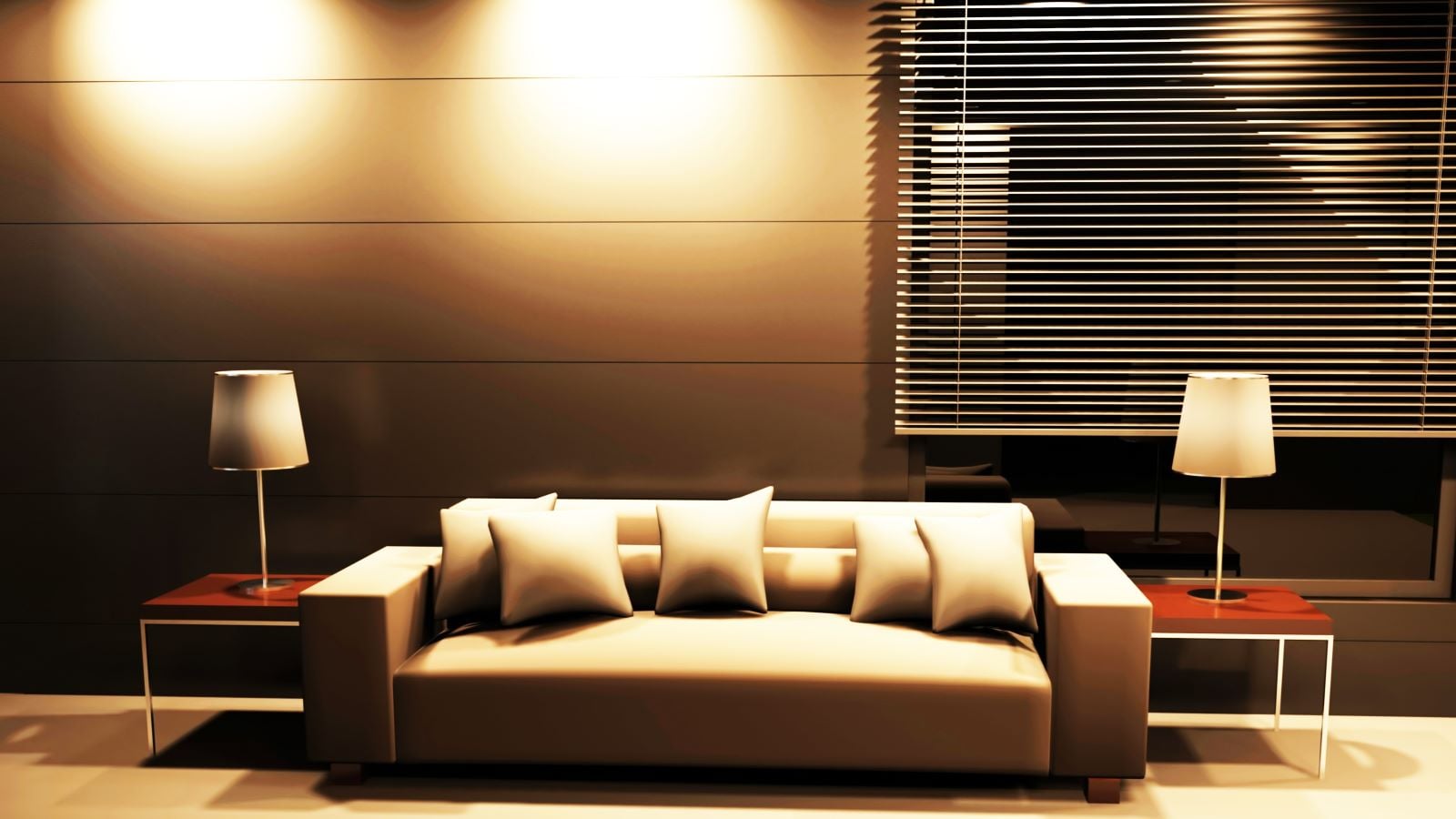
Start with moderate ambient lighting. Add a table lamp near the sofa, a floor lamp beside a reading chair, and accent lighting for artwork or shelves.
Try to place some light sources closer to human eye level rather than leaving every light in the ceiling. This creates visual layers and makes the space feel more intimate.
A simple evening scene might use two table lamps at low-to-medium brightness, one softly illuminated shelf, and no central overhead fixture. Suddenly your living room stops saying “general-purpose rental unit” and starts saying “please sit down; we have snacks.”
Bedroom: Build a Gentle Landing Zone
The bedroom needs enough light for dressing, organizing, and cleaning, but evening lighting should support relaxation.
Use warm bedside lamps or adjustable sconces for reading. Put brighter general lighting on a separate control. Add a low-level pathway light when nighttime navigation is necessary.
Avoid placing an intense exposed bulb directly in your line of sight from bed. Your final visual experience before sleep should probably not resemble meeting the sun personally.
Kitchen: Combine Precision With Warmth
Kitchens are classic examples of why layered lighting matters. General illumination helps you navigate the room, while task lighting is critical on counters, sinks, islands, and food preparation zones.
Then add atmosphere.
A pendant over an island can serve as decorative lighting. A small countertop lamp, where safely and practically positioned, can add a softer evening layer. Dimming controls allow bright preparation lighting to transition into a calmer setting during dinner or late-night tea.
Try to maintain reasonably consistent white-light color temperatures among fixtures that are visible together. One orange bulb beside an icy blue bulb can make the kitchen look as though two different planets are sharing the lease.
Bathroom: Light the Face, Not Just the Floor
A ceiling fixture alone can create shadows around the eyes and under the chin. For grooming, consider lights positioned around the mirror, including sconces on both sides when the layout allows.
Add ambient ceiling illumination for general use and, optionally, a lower-level accent or night light for late-night visits.
High color rendering quality can be valuable around vanities, wardrobes, and spaces where accurately seeing colors matters. Professional lighting standards use metrics such as CRI and newer methods including TM-30 to evaluate aspects of color rendering. e: Separate Work Mode From Home Mode
During working hours, prioritize visibility and focused task lighting. Position lamps to reduce screen glare and prevent your own body or hands from creating troublesome shadows.
After work, switch off the task light and use a warmer table or floor lamp. This tiny ritual helps visually change the identity of the room.
That matters when the “commute” from your desk to your couch takes eleven seconds and passes the refrigerator twice.
Use Smart Lighting Without Turning Your House Into a Spaceship
Smart lighting can automate brightness, color temperature, scheduling, and preset scenes. You can create settings for morning routines, focused work, movie night, dinner, and bedtime.
The best smart-lighting scene is one you actually use. Begin simply.
Create three scenes:
- Day: brighter illumination for activity and cleaning.
- Evening: warmer, reduced ambient light with selected lamps.
- Night: minimal lighting for safe movement without flooding the room.
Smart lighting products increasingly support tunable white ranges, scenes, schedules, and adjustments to brightness and color temperature. These tools can make room ambiance easier to change without manually visiting every lamp like a Victorian lamplighter. ing bulbs can be fun too, but use saturated colors intentionally. A deep blue accent behind a television may enhance movie night. Purple light across every wall, ceiling, chair, and houseplant may make guests wonder whether they accidentally entered a nightclub with unusually comfortable sofas.
Avoid the Most Common Room Lighting Mistakes
Depending on One Overhead Fixture
This creates flat, inflexible lighting and can produce strong shadows. Add at least two additional sources at different heights in frequently used rooms.
Ignoring Glare
A beautiful exposed bulb is less charming when it shines directly into your eyes. Use shades, diffusers, careful fixture placement, or indirect illumination when glare becomes distracting.
Mixing Random Color Temperatures
Warm and cool light can intentionally coexist in separate functional zones, but random combinations often create visual confusion. Review all bulbs visible within a space.
Buying Fixtures Before Studying the Room
Start with activities and problem areas. Where do you read? Where do you prepare food? Which wall deserves emphasis? Buy lighting to solve those needs.
Over-Lighting Everything
Ambiance needs contrast. If every surface receives equal illumination, the room can feel flat. Allow quieter areas and controlled shadows to create depth.
Forgetting Electrical and Fixture Safety
Use bulbs and controls compatible with the fixture and follow manufacturer instructions. The U.S. Consumer Product Safety Commission warns that bulbs exceeding appropriate fixture ratings can cause overheating and fire hazards. eekend Plan for Luminous Living
You do not need a complete renovation to improve your room ambiance. Try this practical process.
Friday evening: Turn on the lights you normally use and take photos of each room. Notice dark work surfaces, glare, harsh overhead light, and corners without visual interest.
Saturday morning: Observe natural daylight. Open and adjust window treatments. Move any small furnishings blocking useful light.
Saturday afternoon: Check bulb lumens and color temperatures. Replace obvious mismatches and inefficient legacy bulbs where appropriate with quality LEDs.
Saturday evening: Add one table or floor lamp to a room that relies entirely on overhead light. Aim one accent source toward artwork, a plant, shelving, or textured architecture.
Sunday: Create separate daytime and evening settings. Add compatible dimming or smart controls where they solve a real problem.
Then stop buying lights for one week.
Seriously. Live with the changes. Lighting is experiential, and you often notice problems only during actual routines.
Conclusion: Your Perfect Room Ambiance Is a System, Not a Bulb
The secret to luminous living is understanding that great room ambiance comes from relationships between light sources. Ambient lighting creates visibility. Task lighting supports activities. Accent lighting provides depth and personality. Color temperature influences the visual mood, while dimmers and smart controls help the room change throughout the day.
Begin with the way you live rather than a lighting catalog. Observe where you work, relax, eat, read, and entertain. Use daylight thoughtfully. Place artificial light where it has a purpose. Give yourself control over intensity.
Most importantly, do not demand that one ceiling bulb be the project manager, therapist, party planner, and interior designer of your entire room.
Layer your light. Adjust it. Live with it. The perfect ambiance is rarely one dramatic purchaseit is the cumulative effect of several thoughtful choices glowing together.
500 More Words From the Real-Life Experience of Changing a Room With Light
One of the most interesting things about improving room ambiance is how ordinary the first steps can feel. You may expect a dramatic design revelation involving custom fixtures and an architect speaking passionately about shadows. In reality, the transformation often begins with someone turning off the ceiling light.
That was the first experiment in a living room that technically had plenty of illumination but never felt comfortable after dark. The furniture was fine. The wall color was warm. There were books, plants, blankets, and all the usual evidence that humans genuinely lived there. Yet every evening, a large overhead fixture blasted the room with uniform white light.
The first change cost nothing. The overhead light went off, and two existing table lamps went on.
Immediately, the room felt smallerin a good way. Conversation seemed more natural because the entire perimeter was no longer equally bright. The lamps created separate pools of illumination around the sofa and reading chair. The bookcase receded slightly into shadow, giving the room depth.
The problem was that one lamp had a warm bulb and the other had a much cooler bulb. Standing near the center of the room felt like visiting two climates simultaneously. Replacing the bulbs with similar color temperatures created visual harmony.
The next experiment involved moving a floor lamp. It had been placed in an empty corner because, frankly, furniture often ends up wherever it fits during moving day. After positioning it beside a chair, the corner became a reading area. Nothing else changed. The chair was the same. The side table was the same. But focused light gave the space a purpose.
That experience teaches an important lighting lesson: illumination can create zones without walls.
A similar discovery happened in a kitchen. The main ceiling lights were excellent for cooking but terrible for winding down. At 9 p.m., getting a glass of water felt unnecessarily official. A small, softly shaded lamp was added away from sinks and active preparation areas. In the evening, it provided enough gentle illumination for casual kitchen visits without activating every bright fixture.
Then came dimmers.
The dining room chandelier had previously offered two emotional settings: darkness and tax audit. Once dimming control was added with compatible lighting, the room became far more flexible. Full brightness helped with cleaning and projects. Medium brightness worked for family meals. Lower brightness created a quieter atmosphere for dinner with friends.
The biggest surprise, however, was the bedroom.
Reducing bright overhead light during the late evening created a clearer transition between active time and sleep preparation. Warm bedside lights became the default after the evening routine started. The change did not magically solve every bad sleep habitphones remain tiny glowing machines containing the entire internetbut the room itself stopped visually insisting that it was 2 p.m.
Over several weeks, another pattern became obvious: good lighting is noticed most when it changes automatically or effortlessly. Complicated scenes were rarely used. A simple evening preset was used constantly. Fancy rainbow animations were entertaining for approximately nine minutes. Reliable warm dimming was useful every day.
There was also a financial lesson. The most successful changes were not always the most expensive fixtures. Matching bulbs, repositioning lamps, adding task lighting, controlling glare, and installing appropriate dimmers made a bigger difference than one decorative statement light.
Living with these changes revealed the true meaning of luminous living. A lighting plan is successful when the room responds to real life. Brightness is available when you need to clean, cook, work, or find the mysterious object the dog is chewing. Softer light appears when the day slows down. Accent lights give favorite objects presence. Darkness is allowed when darkness is useful.
The perfect room ambiance does not remain frozen in one Instagram-worthy setting. It moves with you.
Morning light can feel clear and energetic. Afternoon task lighting can support concentration. Dinner light can become warmer and softer. Late-night illumination can shrink to a few carefully chosen sources.
Once you experience a room this way, it becomes difficult to return to the old one-switch philosophy. You start noticing lighting everywhere: restaurants with beautifully controlled pools of light, hotel rooms with excellent bedside controls, offices with exhausting glare, and homes where one lonely ceiling fixture appears to be screaming for assistance.
That awareness is the real experience of learning to craft room ambiance. You stop seeing lamps as accessories and start seeing light as a design material. It can stretch visual space, create intimacy, reveal texture, support tasks, guide attention, and change the emotional tone of an ordinary evening.
And the best part? Unlike repainting a room or replacing a sofa, you can often experiment with lighting in minutes. Move a lamp. Dim a fixture. change a bulb. Highlight a shelf. Turn off the ceiling light and observe what happens.
Your room may already contain the atmosphere you want. It simply needs the right light to reveal it.