Every home has a secret identity. By day, it looks like a normal house with walls, corners, hallways, and that one drawer full of batteries, takeout menus, and mystery screws. By nightor at least after one determined weekendit can become a beautifully organized machine where shoes have a home, books stand proudly, towels stop plotting cabinet avalanches, and your entryway no longer looks like a backpack convention.
That is the magic of built-in storage. Unlike freestanding bins, wobbly bookcases, or the “temporary” plastic tower that somehow celebrates its fifth birthday in your laundry room, built-in storage feels intentional. It turns wasted space into useful space, adds character, and helps a home feel calmer without demanding that you become a minimalist monk who owns three plates and one decorative rock.
The best built-in storage ideas are not just about squeezing more stuff into your house. They are about designing around real life: muddy shoes, school papers, pet supplies, board games, wrapping paper, pantry overflow, chargers, cleaning products, seasonal décor, and all the little objects that multiply when no one is watching. Below are creative, practical, and stylish built-in storage ideas perfect for almost any home, from a tiny apartment to a family house that seems to collect sports equipment in its sleep.
Why Built-In Storage Works So Well
Built-in storage works because it uses the architecture of your home instead of fighting it. A blank hallway wall can become a shallow cabinet. A staircase can hide drawers. A window can frame a bench with cubbies. A fireplace wall can become a full living room command center. Even a narrow strip beside the washer and dryer can become storage if you stop judging it and give it a job.
Another major benefit is visual calm. Open shelves are wonderful for attractive objects, but not every household item deserves a spotlight. Built-ins allow you to combine display space with closed cabinets, drawers, doors, baskets, and hidden compartments. The result is a home that looks curated, not chaotic.
Built-ins can also increase how functional your home feels. A well-designed closet, pantry, mudroom, or bookcase does not merely hold things. It improves daily routines. You spend less time searching, less time rearranging piles, and less time whispering, “Where did I put that?” while standing in front of a cabinet like it owes you answers.
1. Under-Stair Storage That Makes Dead Space Useful
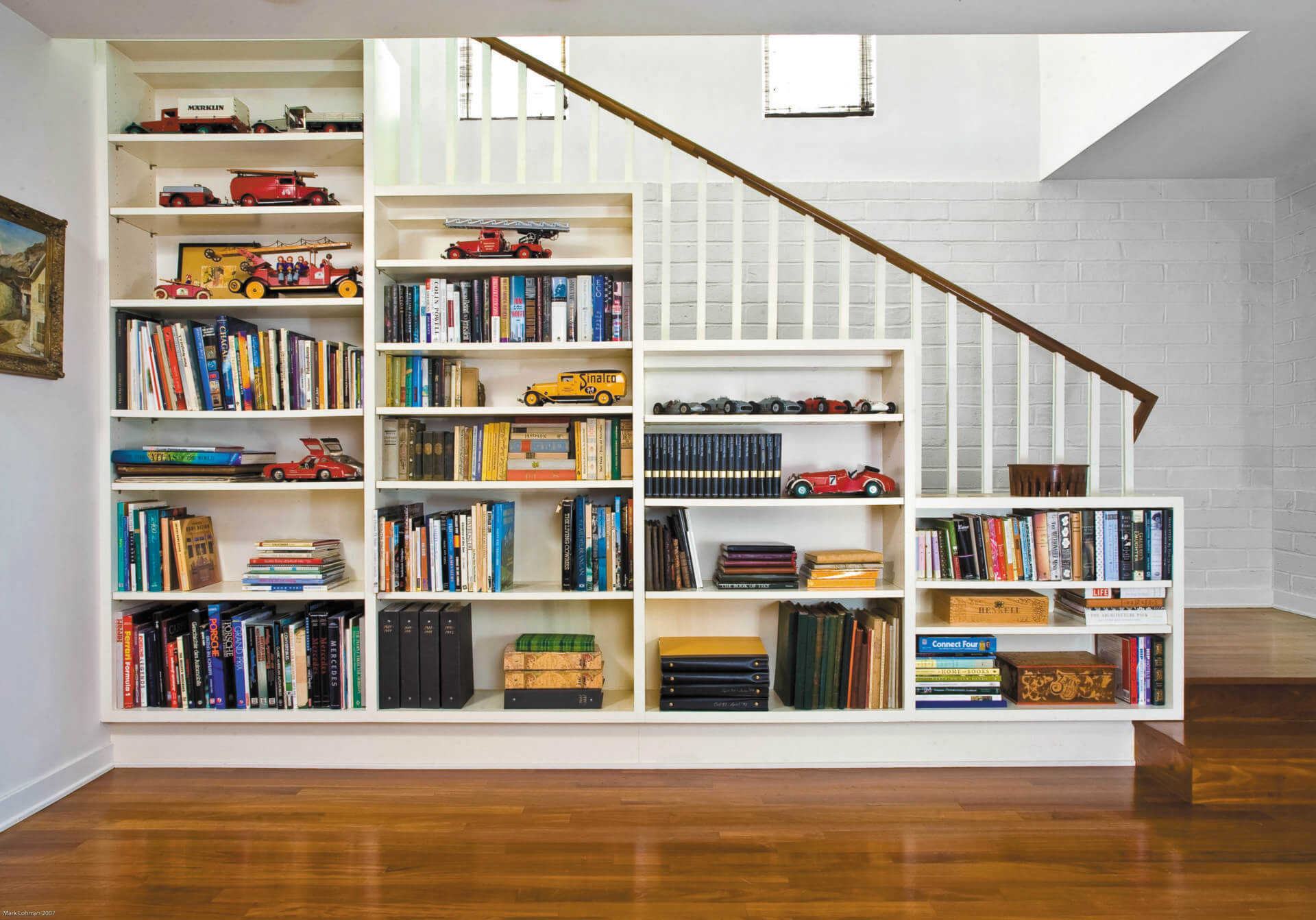
The area beneath a staircase is one of the most overlooked storage opportunities in a home. Depending on the shape and depth, it can become a series of pull-out drawers, a closet, a mini mudroom, a wine rack, a pet station, or open shelving for books and baskets.
Best Uses for Under-Stair Built-Ins
For families, under-stair drawers are excellent for shoes, backpacks, sports gear, reusable shopping bags, and seasonal accessories. If the staircase is near the entry, consider a built-in bench with hooks and cubbies. If it is near the living room, use the space for books, board games, media equipment, or decorative storage baskets.
To keep the design clean, match the built-in doors or drawer fronts to nearby trim or wall color. This makes the storage feel like part of the house rather than a furniture piece that wandered in and got comfortable.
2. Mudroom Built-Ins for Busy Entryways
A mudroom does not need to be a separate room. Even a small entryway wall can become a drop zone with the right built-in design. The classic combination is simple: bench, hooks, upper cabinets, lower drawers, and cubbies. It sounds humble, but it can save a household from daily chaos.
A built-in mudroom bench gives people a place to sit while putting on shoes. Hooks keep coats and bags off the floor. Drawers or baskets can hold gloves, dog leashes, umbrellas, sunscreen, hats, and the small items that otherwise migrate to countertops.
Make It Family-Friendly
If you have children, place some hooks and cubbies at kid height. This encourages independence and prevents the charming daily ritual of everyone dropping everything exactly three feet from the door. Assign each family member a cubby or drawer. Labels can help, especially if your home has multiple people who insist that the floor is “basically a shelf.”
Durable materials matter in entry areas. Choose washable paint, wipeable cushion fabric, tile or easy-clean flooring, and sturdy hooks. The entryway works hard, so do not dress it like it spends its days sipping tea in a museum.
3. Floor-to-Ceiling Living Room Built-Ins
Living room built-ins are among the most popular storage upgrades because they combine function and style. They can frame a fireplace, surround a television, create a library wall, or turn a blank room into a polished focal point.
The key is balance. Use open shelving for books, artwork, plants, framed photos, and sculptural objects. Use closed cabinets below for less glamorous necessities like cords, routers, remotes, video game controllers, extra blankets, board games, and the instruction manuals you may never read but refuse to throw away.
Design Tip: Mix Open and Closed Storage
Too many open shelves can feel busy. Too many closed cabinets can feel heavy. A strong built-in design usually blends both. For example, lower cabinets can hide clutter while upper shelves display personality. Add lighting to highlight shelves and make the room feel warmer in the evening.
If your living room is small, paint the built-ins the same color as the walls. This creates a seamless look and prevents the storage from visually shrinking the room. In larger rooms, a contrasting color can create drama and make the built-ins look custom and architectural.
4. Window Seats With Hidden Storage
A window seat is one of those built-in storage ideas that feels instantly charming. It says, “I read novels in natural light,” even if you mostly use it to fold laundry and scroll through your phone. Still, it is beautiful and practical.
The storage can be built as drawers beneath the bench, lift-up lids, or open cubbies with baskets. Drawers are often easier to access than lift-up seats because you do not need to remove cushions every time you want a blanket. However, lift-up storage can work well for bulky items used less often.
Where Window Seats Work Best
Try a window seat in a bedroom, hallway landing, breakfast nook, playroom, or living room. In bedrooms, it can hold linens or off-season clothing. In playrooms, it can store toys. In dining areas, a built-in banquette can hide table linens, placemats, craft supplies, or small appliances.
5. Built-In Pantry Storage That Matches Real Life
Pantry storage should be designed around what you actually buy and use, not what looks flawless on social media. If your household eats cereal, snacks, pasta, canned goods, rice, baking supplies, and bulk items, the built-in pantry should make those categories easy to see and reach.
Adjustable shelving is a smart choice because pantry items come in many sizes. Pull-out drawers are excellent for snacks, spices, packets, small jars, and items that disappear in the back of deep shelves. Door-mounted racks can hold spices, wraps, foil, parchment paper, or narrow bottles.
Smart Pantry Zones
Create pantry zones by category: breakfast, baking, snacks, canned goods, pasta and grains, drinks, lunch supplies, and backstock. Clear containers can help with visibility, but do not feel pressured to decant every cracker in your life into a matching jar. Organization should support you, not become a part-time job with labels.
Add lighting if the pantry is deep or dark. A well-lit pantry reduces duplicate purchases because you can finally see that you already own four jars of cumin. Congratulations, you are now a spice investor.
6. Built-In Closet Systems for Bedrooms
Many closets waste space because they rely on a single rod and one lonely shelf. A built-in closet system can transform the same footprint by adding double-hanging rods, drawers, shoe shelves, adjustable shelves, jewelry trays, hamper pull-outs, and overhead storage.
The best closet built-ins start with inventory. Count long-hanging items, short-hanging items, folded clothes, shoes, bags, accessories, and seasonal pieces. Then design the system around those numbers. Otherwise, you may end up with a glamorous shoe wall and nowhere to put your sweaters, which is how closets become emotionally complicated.
Small Closet Strategy
In small closets, use vertical height. Add a second rod for shirts and pants. Install drawers for folded clothing. Use shallow shelves for shoes. Add hooks to side walls for belts, bags, robes, or tomorrow’s outfit. If the closet has a door, the back of it can hold accessories, scarves, or lightweight organizers.
7. Home Office Built-Ins That Hide the Mess
A built-in home office can turn an unused wall, alcove, closet, or landing into a productive workspace. The best designs combine a desk surface with shelves, drawers, file storage, charging stations, and closed cabinets for supplies.
If you work from home, closed storage is especially important. Open shelves can display books and attractive boxes, but paper piles, cables, printer supplies, and random sticky notes deserve privacy. Add a built-in cabinet for electronics and include cable management so cords do not look like they are trying to escape.
Closet Office Idea
A spare closet can become a “cloffice” with a built-in desk, shelves, and doors that close at the end of the day. This is ideal for apartments or multipurpose rooms. Paint the interior a rich color, add task lighting, and include drawers below the desktop. When work is done, close the doors and pretend your inbox does not exist until morning.
8. Built-In Laundry Room Storage
Laundry rooms are often small, but they work harder than many larger rooms. Built-ins can make them dramatically more efficient. Consider cabinets above the washer and dryer, a hanging rod for air-drying clothes, pull-out hampers, a folding counter, narrow vertical shelves, and storage for detergents, stain removers, cleaning cloths, and pet supplies.
If your machines are side by side, a counter above them creates a folding station. If you have front-loading machines, cabinets or shelves can go above. If there is a narrow gap beside the machines, use a slim pull-out cart or custom vertical cubby. Tiny spaces are still spaces; they just need better marketing.
Safety and Practicality
Keep cleaning products out of reach of children and pets. Use ventilation-friendly designs, avoid blocking appliance access, and measure carefully before installing cabinets or shelves. Laundry rooms need storage, but they also need room for hoses, doors, filters, and maintenance.
9. Bathroom Niches and Built-In Cabinets
Bathrooms benefit from built-in storage because they are usually short on square footage and long on tiny products. Recessed medicine cabinets, shower niches, built-in linen towers, vanity drawers, and wall niches can store toiletries without cluttering counters.
A shower niche is much better than a collection of bottles performing acrobatics on the tub edge. In small bathrooms, use recessed shelves between wall studs where possible. Over-the-toilet built-ins can also work beautifully when designed with shallow depth and closed lower storage.
Keep Moisture in Mind
Choose moisture-resistant materials, proper ventilation, and easy-clean surfaces. In bathrooms, pretty storage is nice, but storage that survives steam, toothpaste, and real humans is better.
10. Kitchen Banquettes With Built-In Storage
A built-in banquette can turn a breakfast nook or small dining area into a cozy, space-saving seating zone. It can also hide useful storage beneath the seat. Use drawers for easy access or hinged lids for bulky items.
Banquette storage is ideal for table linens, serving pieces, candles, kids’ art supplies, board games, or seasonal kitchen items. If the banquette is near a window, add cushions and pillows for comfort. If it is near the kitchen, use performance fabric that can survive coffee, spaghetti sauce, and the occasional child with jam hands.
11. Garage Built-Ins That Get Things Off the Floor
A garage can quickly become the place where good intentions go to trip over a rake. Built-in garage storage gives everything a defined place: tools, sports gear, seasonal decorations, camping equipment, gardening supplies, paint, and car-care products.
Wall-mounted cabinets, pegboards, slat walls, overhead racks, and built-in workbenches can free up floor space and make the garage easier to clean. Store frequently used items at eye level and seasonal items higher up. Heavy items should stay low for safety.
Garage Zones
Divide the garage into zones: tools, outdoor equipment, sports, gardening, automotive, and storage overflow. A built-in workbench with drawers can handle tools and hardware. Tall cabinets can hide bulky supplies. Open hooks can hold bikes, ladders, and yard tools.
12. Hallway Built-Ins for Narrow Spaces
Hallways are often treated as pass-through zones, but they can provide excellent shallow storage. A recessed cabinet, slim bookcase, linen cupboard, or built-in bench can add function without crowding the walkway.
The trick is depth. Hallway storage should usually be shallow enough to keep traffic flowing. Use it for linens, books, keys, mail, pet gear, extra toiletries, or family command-center items. Add doors if the hallway is visible from main living areas and you want a cleaner look.
13. Built-In Bookcases Beyond the Living Room
Built-in bookcases are not limited to living rooms. They can add charm to hallways, bedrooms, dining rooms, stair landings, home offices, and even kitchens. A landing with shelves and a bench can become a reading nook. A dining room bookcase can hold cookbooks, serving dishes, and barware. A bedroom bookcase can frame a bed and replace nightstands.
Before building shelves, measure what they will hold. Standard paperbacks, oversized art books, baskets, games, and decorative objects all need different depths and heights. Adjustable shelves offer flexibility as your storage needs change.
14. Hidden Built-In Storage for a Seamless Look
Hidden built-ins are perfect for homeowners who love a clean, minimalist look but still own things because they are human. Hidden doors, flush cabinet fronts, paneled storage walls, toe-kick drawers, and appliance garages can conceal clutter in plain sight.
Try hidden storage in kitchens, hallways, living rooms, bedrooms, and mudrooms. A paneled wall can hide a coat closet. A kitchen island can conceal serving trays. A built-in headboard can hide books, chargers, and nighttime essentials.
When Hidden Storage Works Best
Hidden storage works best when the hardware is minimal, the doors align cleanly, and the finish matches the surrounding architecture. Push-latch doors, integrated pulls, and matching trim can help the storage disappear.
15. Built-In Beds With Storage Below
Built-in beds are especially useful in small bedrooms, kids’ rooms, guest rooms, and vacation homes. A bed platform with drawers underneath can replace a dresser. A built-in bed nook can include shelves, reading lights, and cabinets. Bunk beds can include stairs with drawers, hidden cubbies, and built-in wardrobes.
In children’s rooms, built-in beds can make space for toys and play areas. In guest rooms, they can provide storage for linens, extra pillows, and luggage. Just make sure drawers can open fully and that the mattress area has enough ventilation.
How to Plan Built-In Storage Before You Build
Good built-in storage begins with observation. Live with the space for a bit and notice where clutter naturally gathers. Shoes by the door mean you need entry storage. Mail on the counter means you need a command center. Towels stacked on a chair mean your bathroom or hallway needs linen storage. Your home is already giving you clues; it is just doing it through mess.
Step 1: Measure Everything
Measure the wall, height, depth, clearance, door swings, outlets, vents, baseboards, windows, and nearby furniture. Built-ins are permanent, so precision matters. If you are hiring a carpenter or cabinetmaker, provide photos and measurements, but expect them to verify everything before building.
Step 2: Decide What Will Be Stored
Do not design storage for vague “stuff.” Design for specific categories: shoes, linens, books, games, cookware, cleaning supplies, bags, office files, pet items, small appliances, or seasonal décor. The more specific you are, the better the built-in will function.
Step 3: Choose the Right Mix
Use drawers for small or frequently accessed items. Use cabinets for bulky or unattractive items. Use open shelves for display and easy access. Use baskets when you need flexible storage that still looks neat. Use adjustable shelves where needs may change over time.
Step 4: Match Your Home’s Style
Built-ins look best when they feel like they belong. Match trim profiles, cabinet style, hardware finish, paint color, or wood tone to the rest of the home. That does not mean everything must be identical, but it should feel intentional.
Step 5: Plan for Maintenance
Beautiful storage fails if it is annoying to use. Keep everyday items easy to reach. Avoid overly deep shelves where things vanish. Add lighting where visibility is poor. Make sure doors and drawers can open comfortably. And leave a little breathing room; storage packed to 100 percent capacity is just clutter wearing a nicer outfit.
Budget-Friendly Built-In Storage Ideas
Custom cabinetry can be expensive, but built-in style does not always require a luxury budget. You can create a built-in look using stock cabinets, ready-made bookcases, modular closet systems, floating shelves, and trim. Many homeowners use affordable wardrobes or shelving units as a base, then add crown molding, baseboards, paint, and hardware to make them look custom.
For smaller projects, consider recessed shelves between studs, a DIY bench with cubbies, a wall-mounted desk, or a pantry door rack. Even simple upgrades can make a big difference when they solve a real problem.
Common Built-In Storage Mistakes to Avoid
The first mistake is building storage before decluttering. If you create a beautiful custom cabinet for things you do not need, you have not solved clutteryou have given it a mortgage.
The second mistake is ignoring access. Deep cabinets may hold a lot, but if you cannot reach the back, they become caves for expired snacks, lost mittens, and small appliances with commitment issues. Pull-outs, drawers, and shallow shelves are often more useful.
The third mistake is forgetting outlets and lighting. Home office built-ins, media walls, bathroom cabinets, and kitchen storage often need power access. Plan for chargers, lamps, routers, appliances, and task lighting before installation.
The fourth mistake is choosing trendy finishes that clash with the home. Built-ins are long-term features. If you love bold color, use it thoughtfully. If you plan to sell soon, a timeless finish may appeal to more buyers.
Real-Life Experience: What Built-In Storage Teaches You After Living With It
The funny thing about built-in storage is that it changes how you behave at home. At first, you think you are simply adding shelves, drawers, or cabinets. Then, after a few weeks, you realize the house has become easier to live in. Not magically perfect, of course. No cabinet can stop a teenager from leaving one shoe in the hallway like a tiny crime scene. But built-ins make the right behavior more convenient, and that is half the battle.
One of the biggest lessons is that storage should be placed where the mess happens. A coat closet ten steps away from the door sounds reasonable until you watch everyone drop coats on the nearest chair. A built-in entry bench with hooks works because it meets people at the exact point of chaos. The same is true in kitchens, laundry rooms, bathrooms, and bedrooms. Storage succeeds when it follows habits instead of trying to shame them into changing.
Another experience many homeowners share is that drawers often beat deep cabinets. Deep cabinets look generous, but they can swallow items whole. Drawers let you see everything from above, which is why they are excellent for pantry goods, bathroom products, craft supplies, socks, tools, and kids’ items. If you have ever found three half-used bags of flour because the first two were hiding in the back of a cabinet, you understand this deeply.
Built-ins also teach the value of closed storage. Open shelves look fantastic when styled well, but most households need a place for the visually noisy things: board games with loud boxes, tangled chargers, printer paper, pet medicine, cleaning supplies, and the seasonal candle collection that somehow became a lifestyle. Closed doors create instant calm. They do not make you more organized by themselves, but they do give you a fighting chance.
There is also a design lesson: built-ins should not look like an apology. Small spaces deserve attractive materials, lighting, color, hardware, and thoughtful details. A tiny mudroom can have beautiful paneling. A laundry room can have cheerful cabinets. A hallway bookcase can have picture lights. When storage looks good, people are more likely to maintain it because the space feels finished rather than forgotten.
Finally, built-in storage teaches restraint. The goal is not to fill every wall with cabinets. Negative space matters. A home should breathe. The most successful built-ins solve specific problems while improving the room’s appearance. They make daily life smoother without turning the house into a storage facility with throw pillows.
If you are planning your first built-in project, start with the area that frustrates you most. Maybe it is the entryway. Maybe it is the pantry. Maybe it is the closet that currently requires emotional preparation before opening. Solve that one area well. Measure carefully, design for real items, mix open and closed storage, and choose finishes that suit your home. Once you experience the relief of having a proper place for everyday things, you may find yourself looking at every awkward corner with new respect.
Conclusion
Creative built-in storage ideas can transform almost any home by turning overlooked areas into hardworking, beautiful spaces. From under-stair drawers and mudroom benches to pantry pull-outs, closet systems, window seats, laundry room cabinets, and living room bookcases, built-ins help your home function better while looking more polished.
The smartest built-in storage is not about copying a perfect showroom. It is about understanding your routines, your belongings, your available space, and your tolerance for visible clutter. When storage is designed around real life, it becomes easier to keep the home organized, comfortable, and welcoming. And yes, it may even help you finally defeat the junk drawer. Or at least negotiate a peaceful treaty.
Note: This article is written in original American English and synthesized from current home design, remodeling, and organization best practices for publication-ready web content.