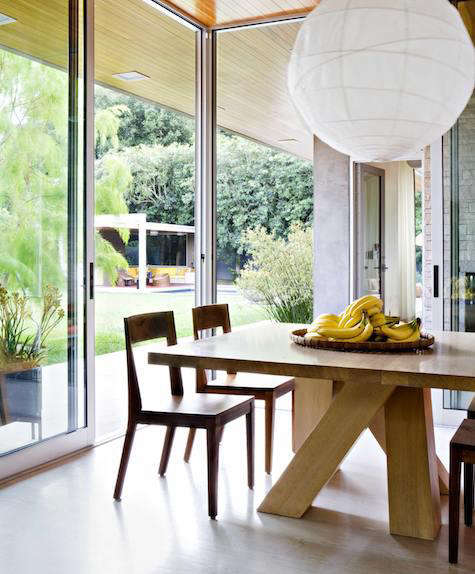
Noguchi Akari Lanterns are the rare design objects that can make a room look smarter without acting like they studied abroad and won’t stop talking about it. Soft, sculptural, handmade, and quietly dramatic, these paper lamps have floated through modern interiors since the early 1950s with the calm confidence of something that knows it is both useful and beautiful.
Designed by Japanese American artist Isamu Noguchi, Akari light sculptures are not ordinary lamps wearing fancy museum shoes. They are functional sculptures made from washi paper, bamboo ribbing, and metal frames, created to turn electric light into something warmer, gentler, and more human. The result is illumination that feels less like a bulb shouting from the ceiling and more like moonlight politely entering the room.
Today, Noguchi Akari lanterns appear in design magazines, museums, apartments, creative studios, boutique hotels, and homes where someone has clearly decided that overhead lighting should stop committing crimes. Their appeal is simple: they glow beautifully, fit many decorating styles, and bring a sense of quiet movement to still spaces. Whether placed beside a bed, suspended above a dining table, or standing in a reading corner, an Akari lamp changes the mood before it even asks where the switch is.
What Are Noguchi Akari Lanterns?
Noguchi Akari lanterns, also known as Akari Light Sculptures, are a series of paper lamps designed by Isamu Noguchi beginning in 1951. The word “Akari” means light in Japanese, but it carries two ideas at once: illumination and physical lightness. That double meaning is exactly the point. These pieces brighten a room while appearing almost weightless, like architecture made from breath, paper, and a very disciplined sense of taste.
Unlike many lamps that are designed around hardware first and mood second, Akari lanterns begin with atmosphere. Their handmade paper diffuses light, softening glare and creating a warm ambient glow. The bamboo ribbing gives the shade its form, while the metal support structure allows the object to function as a table lamp, floor lamp, or pendant light. The materials are humble, but the result is surprisingly refined.
Noguchi called them light sculptures, and that phrase matters. He did not see Akari as decoration sprinkled on top of a room. He saw light itself as a sculptural material. In other words, the lamp is not only the paper form you see when it is switched off. The real artwork happens when the lamp is glowing and the room begins to change around it.
The Story Behind Akari: From Gifu Craft to Modern Icon
The story of Noguchi Akari lanterns begins in Gifu, Japan, a city known for traditional paper lantern making. In the early 1950s, Noguchi visited Gifu and encountered its long-standing craft culture, including the use of washi paper and bamboo forms. Traditional Gifu lanterns were already beautiful, but Noguchi saw an opportunity to connect handcraft with modern living. His genius was not to erase the tradition but to give it a new electric life.
Working with the Ozeki workshop, Noguchi developed lanterns that used traditional techniques while serving modern interiors. Instead of being temporary festival objects or purely decorative shades, Akari became durable, foldable, shippable, and usable in everyday homes. That combination was quietly revolutionary. A person could own a handmade sculpture that arrived flat, opened like a delicate secret, and transformed a room without requiring a marble pedestal or a security guard.
The production process remains central to their charm. Handmade washi paper, produced from the inner bark of the mulberry tree, is cut into strips and applied to bamboo ribbing stretched over sculptural wooden molds. After the glue dries, the internal wooden form is removed, leaving the lantern’s airy structure behind. It sounds simple until you remember that making something look effortless is usually the hardest job in the room.
Why Noguchi Akari Lanterns Still Feel Modern
Many mid-century designs are admired because they look good in photographs. Akari lanterns go further: they make real rooms feel better. Their rounded forms, soft glow, and natural materials fit easily into current design trends such as Japandi interiors, warm minimalism, organic modern style, and quiet luxury. They also play well with older homes, tiny apartments, and rooms that are still recovering from a previous owner’s questionable ceiling fan.
They Soften Harsh Light
The most immediate benefit of a Noguchi Akari lamp is the quality of light. Washi paper diffuses brightness in a way that feels gentle and atmospheric. Instead of sharp shadows and harsh glare, the room receives a warm, even glow. This makes Akari especially useful in bedrooms, living rooms, meditation spaces, reading corners, and dining areas where nobody wants to feel like they are being interrogated under a supermarket bulb.
They Add Sculpture Without Visual Clutter
Akari lanterns have presence, but they rarely feel heavy. A large pendant can anchor a dining room without making the ceiling feel lower. A floor lamp can fill an empty corner without shouting. A small table lamp can bring character to a nightstand without turning it into a design competition. Because the forms are open, translucent, and organic, they add interest while preserving calm.
They Bridge Art and Everyday Life
One reason Noguchi Akari lanterns remain beloved is that they dissolve the boundary between art and utility. You do not have to visit a museum to experience them, although museums certainly appreciate them. You can live with them. You can read beside them, eat under them, walk past them half-awake at midnight, and still feel that your home has gained a little poetry. That is the magic: the sculpture does not wait for special occasions.
Popular Types of Noguchi Akari Lanterns
The Akari collection includes many forms, from small table lamps to large ceiling pendants and elegant floor lamps. Some are round and cloud-like. Others are tall, ribbed, geometric, or slightly playful. Choosing the right one depends on the room, the function, and how much drama you want before coffee.
Akari Table Lamps
Table lamps are often the easiest entry point into the world of Noguchi Akari lanterns. Compact models work well on nightstands, side tables, bookshelves, desks, and low cabinets. They provide gentle accent lighting rather than aggressive task lighting. Think of them as mood-makers, not spreadsheet warriors. A small Akari table lamp beside a bed can make the entire room feel warmer and more intentional.
Akari Floor Lamps
Floor lamps offer more vertical presence and are excellent for living rooms, bedrooms, and reading areas. Tall Akari models can act almost like illuminated totems, bringing height and rhythm to a space. They are especially effective in corners that feel empty but do not need another plant named “Robert.” A floor lamp can create a soft pool of light beside a sofa or chair, giving the room a relaxed evening atmosphere.
Akari Pendant Lanterns
Pendant versions are ideal above dining tables, kitchen islands, entryways, stairwells, and sitting areas. A round Akari pendant can make a room feel calm and centered, while a more elongated or geometric model can add architectural interest. The key is scale. Too small, and the pendant looks shy. Too large, and it may dominate the room like a glowing planet with rent control.
How to Style Noguchi Akari Lanterns at Home
Noguchi Akari lanterns are flexible, but they reward thoughtful placement. Because they are made of paper and designed for atmosphere, they work best where their glow can be appreciated. They do not need to match every object in the room. In fact, their beauty often comes from contrast: paper against stone, softness beside wood, warm light near cool walls, handmade texture inside a modern layout.
Use Akari as a Focal Point
A large Akari pendant above a dining table can become the quiet hero of the room. Pair it with a simple wood table, neutral chairs, and minimal wall art, and the lantern will do the heavy lifting. It creates a visual center without needing sparkle, metal, or a chandelier that looks like it escaped from a ballroom.
Layer It With Other Lighting
Akari lanterns are beautiful, but they should not be forced to handle every lighting job alone. Use them as part of a layered lighting plan with task lights, wall sconces, recessed fixtures, or natural daylight. A floor Akari can provide ambient glow while a reading lamp handles direct illumination. This keeps the room functional and flattering, which is basically the lighting version of being kind and competent.
Let the Paper Breathe
Because Akari forms are delicate and airy, avoid crowding them with heavy furniture or clutter. Give a floor lamp enough space to show its silhouette. Let a pendant hang where the shape can be seen from multiple angles. Keep table lamps away from busy stacks of objects. If the lamp is the quiet poem in the room, do not bury it under a pile of mail and charging cables.
How to Recognize an Authentic Noguchi Akari Lantern
Because Noguchi Akari lanterns are so popular, they are often imitated. Some paper lanterns are simply inspired by the general Japanese lantern tradition, while others are designed to look like genuine Akari pieces. If authenticity matters, look carefully before buying.
Genuine Akari light sculptures are traditionally associated with handmade washi paper, bamboo ribbing, careful construction, and the red sun-and-moon logo designed by Noguchi. Contemporary authentic models may also include an “I. Noguchi” signature. The paper should have a subtle texture and warmth, not the flat, plastic-like look of cheaper synthetic materials. The form should feel delicate but considered, with proportions that look intentional rather than copied from a blurry product photo at 2 a.m.
When buying vintage or secondhand Akari, ask for documentation, purchase history, original packaging if available, and detailed photos of the logo, paper, frame, and wiring. Be cautious with vague listings, suspiciously low prices, or sellers who use only stock images. A real Akari is not just a shape; it is a material, craft, history, and maker relationship bundled into one luminous object.
Care Tips for Akari Paper Lamps
Noguchi Akari lanterns are sturdy enough for everyday use, but they are still paper sculptures. Treat them with care and they will age gracefully. Treat them like a basketball and, well, the lamp will have opinions.
- Dust gently: Use a soft feather duster, microfiber cloth, or low-powered air blower. Avoid scrubbing the paper.
- Keep away from moisture: Bathrooms, damp basements, and splash zones are not ideal homes for washi paper.
- Use proper bulbs: Choose bulbs recommended for the fixture, especially low-heat LED bulbs, to protect the shade.
- Avoid direct rough handling: Hold the frame or support structure when moving the lamp, not the paper shade.
- Protect from pets and toddlers: Cats may see a glowing paper orb as a spiritual challenge. Plan accordingly.
Are Noguchi Akari Lanterns Worth It?
For people who care about design history, craft, and atmosphere, Noguchi Akari lanterns are absolutely worth considering. They are not the cheapest paper lamps on the market, but price is only one part of the story. An authentic Akari carries the legacy of Isamu Noguchi, Japanese lantern-making traditions, and decades of modern design influence. It is functional lighting, but it is also a small piece of cultural history.
The real value appears in daily life. A room with an Akari lamp often feels more relaxed, more layered, and more intentional. The lamp does not simply brighten the space; it changes how the space behaves. Hard corners feel softer. Minimal rooms feel warmer. Busy rooms feel calmer. Even a modest apartment can gain the kind of atmosphere usually associated with expensive hotels, except you do not have to pay twelve dollars for a bottle of water.
Experiences With Noguchi Akari Lanterns: Living With Light, Not Just Looking at It
The first time many people experience a Noguchi Akari lantern, they notice the glow before the object. That is part of its charm. You may walk into a room and feel that something has changed, but not immediately know why. The corners seem less severe. The furniture feels calmer. The room stops behaving like a storage unit with ambition and starts feeling like a place where actual living could happen.
In a bedroom, an Akari table lamp can completely change the evening routine. Instead of switching on a harsh overhead light and instantly feeling like laundry is judging you, the soft paper shade creates a gentle transition into rest. Reading beside it feels cozy without becoming dim and cave-like. The light is warm enough to relax the room but clear enough to find your bookmark, your glasses, or the phone you swore you were not going to check again.
In a living room, a floor Akari works especially well when placed beside a low sofa, lounge chair, or bookshelf. Its vertical form adds height without the heaviness of a large cabinet or dramatic floor sculpture. When the lamp is off, it looks quiet and architectural. When it is on, it becomes a glowing presence, almost like a friendly moon that decided rent was too high in the sky and moved indoors.
Dining rooms may be where Akari pendants shine most beautifully. A round pendant above a wood table creates instant intimacy. Meals feel slower, conversations feel warmer, and even takeout looks slightly more intentional. The paper shade softens faces and surfaces, which is great news for everyone except maybe the aggressively shiny fork. A properly scaled Akari pendant can make a dinner table feel designed without making guests afraid to spill soup.
There is also a practical experience that design photos rarely mention: Akari lanterns are light, foldable, and surprisingly adaptable. Renters appreciate this. People who move often appreciate it even more. A heavy glass chandelier may require tools, patience, and at least one dramatic sigh. An Akari shade, by contrast, feels approachable. It brings serious design value without the emotional burden of installing something that appears to require an engineering degree.
Still, living with Akari means accepting its delicacy. The paper is part of the beauty, and it asks for respect. You become more aware of where you place bags, how close furniture sits, and whether your cat has developed an artistic practice involving claws. This is not a flaw. It is a reminder that some objects improve a home precisely because they make us slow down and pay attention.
The best experience of a Noguchi Akari lantern is not ownership as a status symbol. It is the small daily pleasure of switching it on. The room exhales. The light spreads softly. Ordinary walls become warmer. A chair becomes more inviting. The lamp does not perform tricks, connect to an app, or announce that it has upgraded its firmware. It simply glows, beautifully and reliably, which in modern life feels almost rebellious.
Conclusion
Noguchi Akari Lanterns remain timeless because they solve a design problem with unusual grace: how to make electric light feel natural, artistic, and deeply human. Isamu Noguchi transformed traditional Japanese paper lantern craft into modern light sculptures that still feel fresh more than seventy years later. With handmade washi paper, bamboo ribbing, and sculptural forms, Akari lamps offer more than illumination. They bring softness, balance, and quiet beauty into everyday spaces.
Whether you choose a small table lamp, a tall floor model, or a dramatic pendant, the goal is not simply to decorate. The goal is to shape atmosphere. A genuine Akari can make a room feel calmer, warmer, and more thoughtfully composed. It is proof that great design does not always need to be loud. Sometimes it just needs to glow.