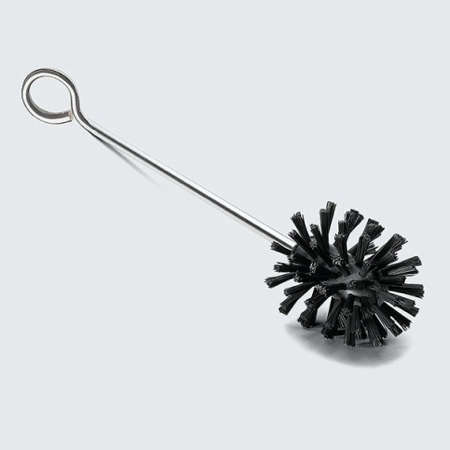
If there were an award for “most ignored bathroom hero,” the stainless steel toilet brush would at least make the finals. It does the dirty work, asks for almost nothing in return, and somehow still manages to get treated like the awkward cousin at a family reunion. Most people buy one in a rush, shove it next to the toilet, and hope it magically handles every stain, splash, and suspicious ring life throws at porcelain. That is a bold strategy. It is also not a great one.
A good stainless steel toilet brush is more than a shiny bathroom accessory pretending to be useful. When chosen well, it can make toilet cleaning faster, more hygienic, easier to store, and far less offensive to look at. And that matters, because nobody wants a grimy plastic brush sitting in a puddle of mystery water like it pays rent.
In this guide, we will break down what a stainless steel toilet brush really is, why people choose it, what features actually matter, how to clean it properly, and whether it deserves a permanent spot in your bathroom. Spoiler: the best one is not just about looks. It is about smart design, moisture control, comfortable handling, and making a gross chore feel at least slightly less medieval.
What Is a Stainless Steel Toilet Brush, Exactly?
Let’s clear up the first thing that confuses shoppers. A “stainless steel toilet brush” usually does not mean the scrubbing bristles are made of stainless steel. Thankfully. If they were, your toilet bowl would need counseling. In most cases, the stainless steel part refers to the handle, shaft, outer canister, holder, or a decorative housing that gives the brush a cleaner, more upscale look.
The actual brush head is usually made from one of three materials:
Nylon Bristles
This is the classic option. Nylon bristles scrub well, reach under the rim effectively, and usually offer a good balance of firmness and flexibility. The downside is that traditional bristles can trap residue more easily than smoother materials if the brush is not cleaned and dried properly.
Silicone or TPR Heads
These newer brush heads are popular because they shed debris more easily, dry faster, and often look more modern. Some people love them. Others feel they do not scrub quite as aggressively as classic bristles. It really depends on toilet shape, water quality, and how often you clean.
Hybrid Designs
Some brushes combine angled edges, denser scrub zones, and flexible necks to improve reach around the rim and into curves. This matters more than fancy marketing language. If the brush cannot reach the awkward spots, it is basically a bathroom prop.
Why Choose a Stainless Steel Toilet Brush?
The obvious answer is style. Stainless steel looks cleaner, sleeker, and more intentional than flimsy plastic. In a bathroom filled with chrome faucets, brushed nickel hardware, or modern fixtures, a stainless steel toilet brush blends in better and looks less like an accidental punishment.
But the benefits are not only cosmetic.
1. Better Moisture Resistance
Bathrooms are humid, splash-prone spaces. A well-made stainless steel holder or handle stands up better to moisture than cheap coated metal that flakes, stains, or rusts after a few months. That makes stainless steel a practical material for a tool that lives next to a toilet and regularly gets wet.
2. More Durable Construction
Many stainless steel toilet brush sets feel sturdier in the hand. That matters when you are scrubbing under the rim and trying to remove mineral buildup without feeling like the handle might twist into modern art.
3. Easier to Match With Bathroom Decor
Yes, decor matters, even for toilet tools. A stainless steel holder looks less visually loud and more like part of a coordinated bathroom setup. It can disappear into the room instead of screaming, “Hello, I touch toilets for a living!”
4. Cleaner-Looking Storage
Many stainless steel brush sets come with enclosed or semi-enclosed caddies, drip trays, liners, or ventilation features. That is important because the real hygiene issue is not just the brush. It is the damp holder, trapped residue, and stale moisture that can turn a cleaning tool into a tiny swamp.
What to Look for Before You Buy
If you are shopping for a stainless steel toilet brush, do not get hypnotized by a shiny finish and a decent product photo. Plenty of brushes look great online and then perform like a mop auditioning for the wrong job.
Rust-Resistant Material
Look for actual stainless steel construction, not vague wording like “metal finish” or “metal look.” Better options often mention corrosion resistance, fingerprint-resistant finishes, or stainless steel components designed for humid environments. If the holder includes a removable plastic liner, that is often a plus, because it helps manage standing water and makes cleaning easier.
Ventilated or Drip-Managing Holder
This is a big one. A brush that goes straight back into a wet, sealed container is basically taking a germ spa day. Better holders let moisture evaporate, use drip trays, or suspend the brush in a way that allows air circulation. Drying matters. A lot.
Brush Head Shape
A straight cylinder is not always enough. Toilet bowls have curves, under-rim channels, and those annoying corners where grime likes to set up a summer home. Crescent-shaped, tapered, or angled heads usually clean more effectively than blunt round brushes.
Comfortable Handle
A slippery, skinny handle is not doing you any favors. You want something secure, balanced, and long enough to keep your hand a respectful distance from the action. Cleaning a toilet is already a character-building exercise; no need to make it a hand-grip challenge too.
Replaceable Head or Easy-Clean Design
Some premium models offer replaceable heads, while others rely on smoother materials that rinse clean more easily. Either can be a smart buy, because a brush that becomes impossible to clean is eventually just a guilt object in a corner.
How to Use a Stainless Steel Toilet Brush the Right Way
Yes, there is a right way. No, it is not “scrub wildly and flee.”
Start by applying toilet bowl cleaner under the rim and around the bowl. Let it sit for the amount of time recommended on the label. This is where many people get impatient. If the cleaner needs several minutes to work and you immediately start scrubbing like you are in a speed-cleaning competition, you are making the job harder than necessary.
Once the cleaner has had time to loosen grime, scrub under the rim first. That is where buildup often hides. Then move down the sides of the bowl, around the waterline, and finally into the lower curve near the drain opening. Use steady pressure, not aggressive rage. A good brush should do the work without requiring you to re-enact a medieval battle scene.
After scrubbing, flush while holding the brush inside the bowl to rinse the head with clean water. Then add one extra step that many people skip: shake off excess water carefully and let the brush dry before sealing it away in the holder. You can rest the handle under the toilet seat for a short time if the design allows. Glamorous? No. Smart? Absolutely.
How to Keep It Clean Without Losing Your Will to Live
A toilet brush is a cleaning tool, but that does not mean it cleans itself through vibes and optimism. It needs regular maintenance.
After Every Use
Rinse the brush thoroughly after scrubbing. If you want extra freshness, spray the head with disinfectant or dip it into a disinfecting solution approved for bathroom cleaning tools. Then let it dry fully before returning it to the holder.
Weekly or Every Few Uses
Clean the holder, too. This is the part people forget, and it is often the grossest piece of the whole setup. Wipe the stainless steel exterior, wash or rinse the liner, and make sure there is no sludge, standing water, or cleaner residue sitting at the bottom. A sparkling canister on the outside means nothing if the inside looks like a villain origin story.
Monthly Deep Clean
Give the brush and holder a deeper sanitizing session. Depending on the manufacturer instructions, this may involve hot soapy water, a disinfecting spray, or a diluted cleaning solution safe for the materials. Always avoid mixing chemicals and do not assume every finish loves bleach. Stainless steel may be durable, but it is not begging to be abused.
When to Replace It
If the bristles are bent, frayed, stained, or permanently funky, it is time to move on. Many households should replace a frequently used toilet brush every six to twelve months, depending on material, wear, and how well it is maintained. If your brush looks like it has seen things and refuses to elaborate, trust your instincts.
Common Mistakes People Make With Toilet Brushes
Storing It Wet
This is the biggest mistake. Moisture invites odor, buildup, and general bathroom sadness. Dry the brush before storing it.
Ignoring the Holder
A dirty holder can undo your good habits fast. Clean the caddy regularly, especially if it has a drip tray or liner.
Buying for Looks Alone
A gorgeous stainless steel canister is nice, but if the brush head is awkward or too flimsy to reach under the rim, the tool is all costume and no performance.
Using Harsh Methods on the Wrong Finish
Some stainless steel exteriors tolerate strong cleaners well; others may spot or dull if treated roughly. Follow care directions for the finish and avoid turning your nice brushed-metal holder into a chemistry experiment.
Keeping It Forever
This is not a cast-iron skillet. It is a toilet brush. Its life story should have a clear ending.
Is a Stainless Steel Toilet Brush Worth It?
For most homes, yes. A stainless steel toilet brush is worth it if you want a bathroom tool that looks better, feels sturdier, resists moisture more effectively, and stores more neatly than bargain-bin plastic models. It can also encourage better habits because people are more likely to maintain a tool that feels intentional rather than disposable.
That said, stainless steel does not magically make a brush hygienic. The real win comes from pairing good material with smart design: a practical holder, proper ventilation, solid reach, and easy cleaning. In other words, the stainless steel finish gets your attention, but the functionality earns its place next to the toilet.
If you clean your bathroom regularly, care about durability, and would rather not stare at an ugly plastic wand every day, upgrading to a stainless steel toilet brush makes a lot of sense. It is one of those small home purchases that quietly improves the room without demanding applause. Which is fitting, really. Toilet brushes are not here for fame. They are here for results.
Experiences Related to Using a Stainless Steel Toilet Brush
The first time many people switch from a cheap plastic toilet brush to a stainless steel one, the biggest surprise is not the cleaning performance. It is the feeling that the bathroom suddenly looks more put together. The brush no longer looks like an afterthought. Instead of a faded plastic holder lurking in the corner, there is a simple, polished accessory that blends with the faucet, towel bar, and hardware. It is still a toilet brush, of course. Nobody is inviting it to dinner. But visually, it stops dragging down the room.
Another common experience is realizing that storage design matters more than expected. People often assume all toilet brushes are basically the same until they use one with a better caddy. A holder with a removable liner or drip-catching base is one of those tiny improvements that feels wildly overachieving. Suddenly, there is less mystery moisture, less odor, and less internal debate about whether the container should be approached with gloves, goggles, or emotional support.
Many users also notice the handle quality right away. Stainless steel models often feel more solid and less flimsy during use. That does not mean they need to be heavy, but they tend to feel more stable when scrubbing under the rim or working around stubborn waterline buildup. With a weak plastic handle, the whole experience can feel like negotiating with a bendy straw. With a sturdier brush, the cleaning motion feels more controlled and less annoying.
There is also the learning curve around drying. A lot of people do not realize how much odor comes from putting a wet brush straight back into a closed holder. Once they start rinsing the brush thoroughly and letting it air-dry before storage, the entire setup becomes easier to live with. This is one of those habits that seems fussy for about three days and then becomes the obvious thing to do forever.
Some people prefer classic bristles because they feel tougher on stains, while others love silicone-style heads because they rinse clean faster and do not seem to hold onto residue as much. That preference usually develops through real use, not product descriptions. In homes with hard water, users often appreciate a brush with a shaped head that gets under the rim easily, because mineral deposits do not care how pretty the holder is.
There is also a quiet satisfaction in cleaning tools that do not make the room look worse when they are left in plain sight. In smaller bathrooms, where storage is limited, a stainless steel toilet brush can feel like a practical upgrade because it does not need to be hidden behind a cabinet door to preserve the room’s dignity.
Over time, people who stick with stainless steel models usually say the same thing: the best experience comes from a combination of decent design and decent habits. A sleek finish helps, but regular rinsing, proper drying, and occasional deep cleaning are what keep the brush from turning into a gross little monument to procrastination. In that sense, the stainless steel toilet brush becomes less about luxury and more about making an everyday chore easier, cleaner, and slightly less soul-draining. And in the world of bathroom maintenance, that counts as a pretty big win.
Final Thoughts
A stainless steel toilet brush is one of those rare household items that manages to be both practical and oddly transformative. It will not make toilet cleaning fun, and any product claiming otherwise should be forced to scrub a guest bathroom after taco night. But it can make the job cleaner, faster, more hygienic, and less visually offensive.
If you focus on the right details, such as moisture control, brush-head shape, sturdy construction, and easy-to-clean storage, you will end up with a tool that actually earns its corner in the bathroom. Choose function first, style second, and never forget the golden rule: a good toilet brush should clean the bowl without becoming the scariest thing in the room.
Note: This article is prepared for web publishing and intentionally excludes source-link clutter and citation-placeholder artifacts.