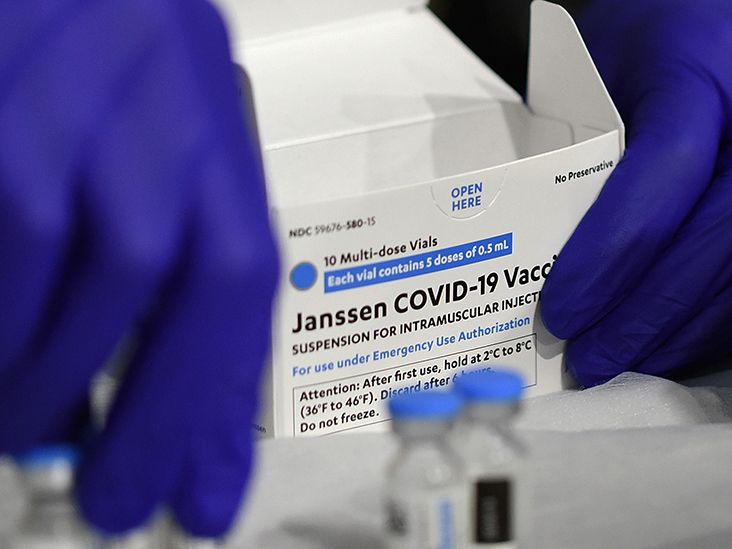
When the Johnson & Johnson (Janssen) COVID-19 vaccine first rolled out, its big selling point was simple:
one shot and you’re done. No trip back for dose two, no calendar reminders. For a lot of busy adults,
that sounded like a dream.
Like every vaccine, though, the Janssen shot comes with possible side effects most of them mild and short-lived,
a few of them rare but serious. If you’re trying to make sense of stories about blood clots, Guillain-Barré syndrome,
or just wondering whether a sore arm is “normal,” you’re in the right place.
This guide walks you through how the Johnson & Johnson (Janssen) COVID-19 vaccine works, which side effects are
common, which are rare, and what to do if something doesn’t feel right. We’ll keep the tone human (and a little bit
humorous), but the information is based on real data from major health organizations and medical centers.
How the Johnson & Johnson (Janssen) COVID-19 vaccine works
The J&J/Janssen shot is an adenovirus-vectored vaccine. That sounds sci-fi, but the idea is pretty straightforward:
scientists use a harmless, modified adenovirus (a type of common cold virus) as a delivery van. That van carries
instructions for your cells to make a piece of the coronavirus spike protein. Your immune system sees that spike,
goes, “Absolutely not,” and builds defenses so it’s ready if the real virus shows up.
Important note: the adenovirus in the vaccine cannot replicate in your body and does not give you COVID-19.
It’s more like a USB drive delivering code than a live infection.
Because the immune system is learning something new, it’s normal to see side effects. Think of it as the training
montage in a movie: there’s some sweating and soreness, but it’s all part of getting stronger.
Common, short-term side effects
Most people who get the Johnson & Johnson (Janssen) COVID-19 vaccine either have no noticeable side effects or
experience mild ones that fade within a few days. These are similar to what you’d see with other COVID-19 vaccines
and many routine shots.
Injection site reactions
The most frequent complaint is a sore arm. You might notice:
- Pain, tenderness, or soreness where the shot went in
- Redness or slight discoloration around the injection site
- Swelling or a small firm area under the skin
These symptoms usually start within a day of the shot and calm down in 1–3 days. It’s essentially your immune cells
rushing to the scene, arguing about strategy.
Flu-like symptoms
Systemic side effects the ones that affect your whole body are also common and typically mild to moderate.
People often report:
- Fatigue or feeling “wiped out”
- Headache
- Muscle or joint aches
- Chills
- Low-grade fever
- Nausea or mild stomach upset
- Feeling generally “off” or unwell
These symptoms are usually most noticeable in the first 24–48 hours after vaccination and improve quickly with rest,
hydration, and over-the-counter pain relievers like acetaminophen or ibuprofen (if your healthcare provider says those
medicines are safe for you).
One reassuring point: these mild side effects are signs your immune system is responding. People who don’t have side
effects can still build strong protection; it’s just that immune systems have different “personality types.”
Who tends to feel side effects more?
In studies and real-world experience, younger adults often report more short-term side effects than older adults,
likely because their immune response is more energetic. People who have had COVID-19 before sometimes describe the
side effects as a bit stronger, possibly because their immune system is seeing a familiar face and overachieving.
Serious but rare side effects
While the Johnson & Johnson (Janssen) COVID-19 vaccine has been used in millions of people, safety monitoring has
uncovered a few very rare but serious risks. These events are important to understand, even though they affect only
a tiny fraction of vaccinated individuals.
Thrombosis with thrombocytopenia syndrome (TTS)
The most widely discussed serious side effect linked to the J&J/Janssen vaccine is
thrombosis with thrombocytopenia syndrome (TTS) an unusual combination of blood clots and low platelet counts.
Key points about TTS:
-
It is very rare. Surveillance data have estimated around 4 cases per 1 million doses overall, with higher
rates among women ages 30–49, roughly 9–10 cases per million doses in that group. - When it occurs, it usually shows up within about 1–2 weeks after vaccination.
-
Clots may appear in unusual locations, such as veins in the brain, abdomen, or lungs, and platelet counts in the
blood are low at the same time.
Symptoms that need urgent evaluation after a J&J/Janssen shot include:
- Severe or persistent headache that’s different from your usual headaches
- Blurred vision
- Shortness of breath
- Chest pain
- Persistent abdominal pain
- Leg swelling
- Easy bruising or tiny blood spots (petechiae) under the skin beyond the injection site
Because TTS is so rare but potentially serious, health authorities in many countries have recommended
preferring mRNA vaccines when available, while still allowing the J&J/Janssen vaccine in specific situations for
example, when someone cannot or will not receive an mRNA vaccine.
Guillain-Barré syndrome (GBS)
Another rare condition reported after the Johnson & Johnson (Janssen) COVID-19 vaccine is
Guillain-Barré syndrome (GBS), an autoimmune condition where the immune system attacks peripheral nerves, causing
muscle weakness and, in more severe cases, paralysis.
What we know about GBS and the J&J/Janssen vaccine:
-
Studies suggest an increased risk of GBS within about 6 weeks (42 days) after the J&J/Janssen shot compared with
background rates. - The absolute risk is still very low, on the order of several cases per million doses administered.
-
GBS has also been linked to infections, including COVID-19 itself; vaccination risk appears smaller than the risk
that can follow infection in many analyses.
Symptoms of GBS that should prompt urgent medical evaluation include:
- Weakness, especially starting in the legs and moving upward
- Tingling or numbness in hands or feet
- Difficulty walking, climbing stairs, or moving the face (for example, trouble smiling or closing eyes)
- Problems with breathing or swallowing
Most people with GBS recover, especially when treated early, but it is a serious condition that usually requires
hospital care.
Immune thrombocytopenia (ITP)
Reports have also described immune thrombocytopenia (ITP) after the J&J/Janssen vaccine. In ITP, the immune system
destroys platelets, which can increase the risk of bleeding or bruising.
The risk appears to be very low, but people with a history of ITP are often advised to discuss vaccination with
their clinician and may need closer monitoring of platelet counts after the shot.
Warning signs include:
- Unusual or easy bruising
- Small reddish or purple spots on the skin
- Bleeding from the gums or nose that’s hard to stop
- Heavier than normal menstrual bleeding
Severe allergic reactions (anaphylaxis)
Anaphylaxis, a severe allergic reaction, can occur after any vaccine, including J&J/Janssen, but it is very rare.
This is why people are typically asked to stay at the vaccination site for about 15–30 minutes after the shot so
staff can treat any reaction immediately.
Symptoms of anaphylaxis include:
- Hives or widespread rash
- Swelling of the face, lips, tongue, or throat
- Difficulty breathing or wheezing
- Fast heartbeat
- Dizziness, lightheadedness, or fainting
People with known severe allergies to any component of the J&J/Janssen vaccine should not receive it. For others
with a history of severe allergic reactions to other vaccines or injectable medicines, the decision is usually made
in consultation with a healthcare professional.
Myocarditis and pericarditis
Myocarditis (inflammation of the heart muscle) and pericarditis (inflammation of the lining around the heart)
have been most clearly linked with mRNA COVID-19 vaccines in younger males after the second dose. However, monitoring
has also identified rare cases after the J&J/Janssen vaccine, leading regulators to update safety information.
Warning signs include:
- Chest pain or pressure
- Shortness of breath
- Rapid, fluttering, or pounding heartbeat
Most reported cases linked to COVID-19 vaccines have been mild and improved with rest and standard treatment, but
chest symptoms after vaccination should always be checked out promptly.
Who should be cautious or avoid the J&J/Janssen vaccine?
Because of the specific rare risks associated with the Johnson & Johnson (Janssen) COVID-19 vaccine, health
authorities have recommended using it more selectively than mRNA vaccines. In many guidelines, the J&J/Janssen shot
is reserved for adults who:
- Cannot receive an mRNA vaccine due to a contraindication (for example, a severe allergy to an mRNA component), or
- Would otherwise not be vaccinated at all unless they can receive a single-dose option.
People who should generally avoid the J&J/Janssen vaccine include those who:
- Have had TTS after any COVID-19 vaccine, or have a history of TTS related to adenovirus-vectored shots
- Have a known severe allergy to a component of the vaccine
- Are advised by a specialist that another vaccine type is safer in their specific situation
If any of this sounds like you, it doesn’t automatically mean “no vaccine” it usually means you and your clinician
will look at other COVID-19 vaccine options and choose the one with the best benefit-risk profile for your health.
Balancing benefits and risks
It’s natural to focus on the scary-sounding side effects words like “thrombosis with thrombocytopenia” and
“Guillain-Barré syndrome” certainly don’t sound friendly. But to make a good decision, you have to zoom out.
When regulators conducted benefit-risk analyses, they compared:
- How many COVID-19 hospitalizations, ICU admissions, and deaths vaccination could prevent
- Against the number of rare serious events like TTS or GBS that might occur per million doses
In high-risk settings and for certain groups of adults, the J&J/Janssen vaccine’s benefits still outweighed these small
risks, especially when the alternative was no vaccination at all. At the same time, the existence of safer alternatives
for many people (such as mRNA vaccines) has led experts to recommend those first whenever possible.
In plain language: for most adults who are eligible for other vaccines, mRNA vaccines are usually preferred.
The J&J/Janssen vaccine may still have a role in specific situations, but it’s no longer the default choice in many
places.
What to do if you notice side effects
For mild symptoms
For typical short-term side effects sore arm, fatigue, mild headache, low-grade fever home care is often enough:
- Rest and listen to your body. This is not the time to set personal records at the gym.
- Drink plenty of fluids.
-
Use over-the-counter pain relievers like acetaminophen or ibuprofen if you generally tolerate them and your
healthcare provider has not asked you to avoid them. - Use a cool compress on the injection site if it’s sore or swollen.
If mild symptoms last more than a few days or seem to be getting worse instead of better, it’s reasonable to check in
with a healthcare professional just to be safe.
For warning-sign symptoms
Seek urgent or emergency medical care if you develop any of the following in the days and weeks after a J&J/Janssen
shot:
- Severe or persistent headache, especially with vision changes
- Shortness of breath, chest pain, or trouble breathing
- Swelling, redness, or pain in a leg
- Severe abdominal pain
- Sudden weakness, difficulty walking, or trouble moving your face
- Widespread rash, swelling of the face or throat, or trouble breathing right after the shot
- Unusual bruising or pinpoint spots under the skin away from the injection site
Make sure to tell the healthcare team that you recently received the Johnson & Johnson (Janssen) COVID-19 vaccine
and the date you got it. This can help them consider conditions like TTS or GBS early and choose the right tests and
treatments.
In many countries, serious side effects are reported to national systems that monitor vaccine safety. Your healthcare
team can usually file a report for you, and in some places individuals can report directly as well. These systems are
how experts detect extremely rare events in the first place.
Real-world experiences with Johnson & Johnson (Janssen) COVID-19 vaccine side effects
Statistics tell one part of the story; personal experiences tell another. While everyone’s body responds differently,
some patterns show up again and again in people who received the J&J/Janssen shot.
The “I lost a weekend, but I’m fine now” group
A large number of people fall into what we might call the 24-hour flu club. They describe something like this:
“The day after my J&J shot, I woke up with chills, a pounding headache, and absolutely no desire to leave my bed.
My arm hurt every time I reached for my phone (which, to be fair, might have been good for my screen time). By
day two, the fever was gone, and by day three I just felt a little tired.”
In these stories, side effects are intense but short-lived. People often compare them to a bad flu day or the way
they felt after a tetanus shot. While unpleasant, symptoms resolve on their own, and individuals often say they’re
still glad they got vaccinated especially if they or a family member had seen severe COVID-19 up close.
The “almost nothing happened” group
Then there’s the quiet group: people who got the shot, felt a bit of arm soreness (or nothing at all), and moved on
with their lives. They sometimes worry they “didn’t respond” because they didn’t feel much. In reality, lack of
noticeable side effects does not mean the vaccine failed; it just means their immune system isn’t dramatic about
its training process.
Many older adults and people with chronic health conditions report mild reactions like this a little fatigue,
maybe a low-grade headache that are easy to manage with rest and hydration.
The “this felt serious and scared me” group
A very small number of people describe experiences that sound much more alarming. Examples include:
-
Severe headache and vision changes about a week after the shot, which turned out to be a blood clot in a vein in
the brain (a TTS-related event). -
Progressive leg weakness and difficulty walking within several weeks of vaccination, later diagnosed as
Guillain-Barré syndrome and treated in the hospital. - Sudden difficulty breathing and hives within minutes of the shot, requiring emergency treatment for anaphylaxis.
These stories are understandably frightening and often widely shared online. It’s important to acknowledge them: for
the individuals involved, even “one in a million” is 100% of their experience.
At the same time, putting these events into context matters. When researchers look at large populations, they see that
such severe reactions remain extremely rare compared with the number of people vaccinated, and that COVID-19 infection
itself can cause blood clots, neurological problems, and heart inflammation at higher rates than vaccination in many
settings.
The “I had COVID-19 and the vaccine” group
Some people can compare vaccine side effects with COVID-19 itself because they’ve had both. A typical summary:
“The J&J shot gave me a fever, chills, and body aches for about 36 hours. COVID sat me down for two weeks, wrecked
my sense of smell for months, and I still get winded walking up stairs.”
In these comparisons, most people describe the vaccine side effects as sharply uncomfortable but short while the
illness itself felt more intense, unpredictable, and, in some cases, life-changing.
Emotional side effects: anxiety and relief
There’s another layer to the experience: anxiety. Headlines about rare blood clots and neurological conditions have
understandably made some people hyper-aware of every twinge after their shot. It’s easy to fall down an internet
rabbit hole and convince yourself that a normal headache is something far worse.
On the flip side, many people describe a strong sense of relief after vaccination especially those who live with
high-risk family members or work in public-facing jobs. For them, a sore arm and a day on the couch felt like a fair
trade for an extra layer of protection.
If you’re anxious about side effects, it might help to plan ahead: schedule your shot before a day off, line up some
comfort food and a favorite show, and make sure you know who to call (or where to go) if anything feels seriously
wrong. Having a plan doesn’t just help medically; it can calm your mind.
The bottom line
The Johnson & Johnson (Janssen) COVID-19 vaccine is a one-dose option that has protected many adults against severe
COVID-19. Most side effects are mild and short-term things like a sore arm, fatigue, chills, or a brief fever.
At the same time, safety monitoring has identified a few very rare but serious risks, including thrombosis with
thrombocytopenia syndrome, Guillain-Barré syndrome, immune thrombocytopenia, severe allergic reactions, and, less
commonly, heart inflammation. These events occur at a rate of only a few cases per million doses, but they are serious
enough that many health authorities now prefer mRNA vaccines when they are available and appropriate.
Choosing whether to receive any COVID-19 vaccine and which one is a personal medical decision that depends on your
age, health conditions, access to different products, and your individual risk tolerance. The best move is to talk
through your options with a trusted healthcare professional who can look at your specific situation, not just general
statistics.
And remember: reading about side effects is not meant to scare you, but to empower you. Knowing what’s common, what’s
rare, and when to ask for help lets you make informed decisions and recognize the difference between “my immune
system is doing its thing” and “I should get this checked out now.”