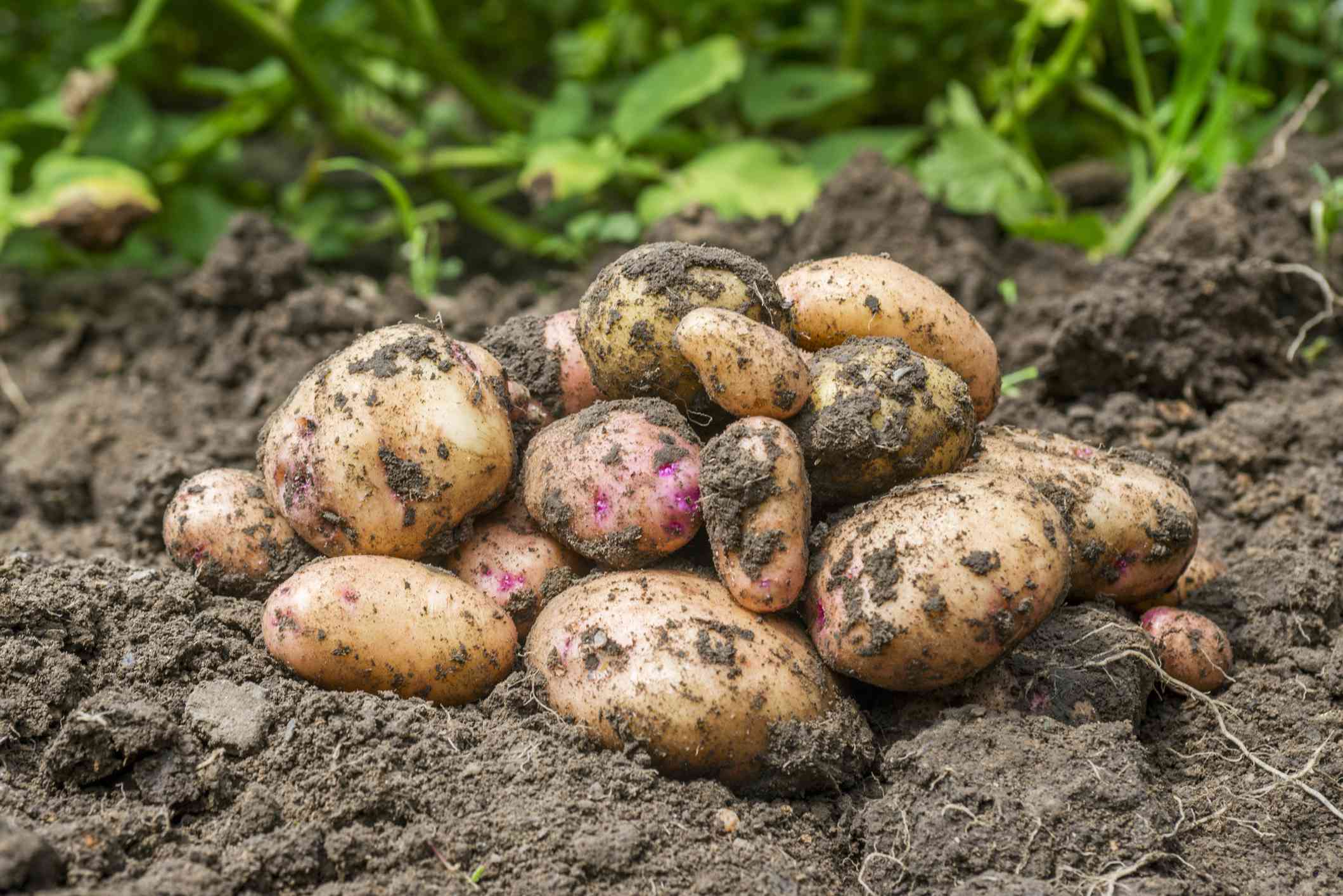
If you have ever planted potatoes and then stared at the dirt like it personally owed you updates, welcome to the club. Potatoes are not exactly dramatic growers above ground. They do not wave tiny signs that say, “Relax, the tubers are on schedule.” Instead, they spend most of their career underground, quietly doing root-zone business while gardeners pace around wondering whether dinner is three weeks away or three geological eras away.
So, how long do potatoes actually take to grow? The honest answer is: it depends on the variety, the weather, your soil, and whether Mother Nature is feeling cooperative. The useful answer is this: small “new potatoes” are often ready in about 6 to 8 weeks, while most full-size potatoes for storage need roughly 90 to 120 days. Some early varieties move faster, and some late-season types take their sweet time. Potatoes are productive, delicious, and slightly bossy about conditions.
This guide breaks down the potato timeline in plain English, explains what speeds the process up or slows it down, and shows you how to tell whether your crop is ready without digging up half the garden like a treasure hunter with no impulse control.
The Short Answer: How Long Potatoes Take to Grow
If you just want the headline before we go full potato professor, here it is:
New potatoes: about 6 to 8 weeks after planting.
Early varieties: about 65 to 80 days.
Midseason varieties: about 80 to 100 days.
Late varieties: about 100 to 120 days, sometimes a little longer.
That range is why one gardener is smugly harvesting baby potatoes while another is still waiting for vines to mature. Both may be doing everything right. They may simply be growing different types of potatoes.
In other words, potatoes are like houseguests: some show up, eat politely, and leave on time. Others settle in and require a longer commitment.
Why One Potato Patch Finishes Faster Than Another
1. Variety matters more than people think
This is the biggest factor. Potatoes are generally grouped into early, midseason, and late-maturing types. If you plant an early variety, you may be harvesting in a little over two months. If you plant a late storage variety, you may need closer to four months before it is really ready.
That is why asking, “How long do potatoes take to grow?” is a bit like asking, “How long does it take to drive somewhere?” Somewhere where? Across town or across Texas?
2. Cold soil slows everything down
Potatoes like cool weather, but they do not enjoy sitting in cold, soggy soil like little damp paperweights. If you plant too early, seed pieces can rot, sprouting is slower, and the entire schedule drifts backward. In general, potatoes do best when planted after the soil has warmed enough for active growth.
If your spring weather acts like it cannot make up its mind, your potatoes will respond with the botanical version of a sigh.
3. Heat can interrupt tuber development
Potato plants love a long, cool growing season. Once temperatures climb too high, tuber formation can slow down. The plants may still look alive, but the underground progress report becomes less impressive. This is one reason timing matters so much in warm regions: potatoes need enough cool-season runway to size up before summer turns the garden into a skillet.
4. Sun, water, and soil quality all affect the timeline
Potatoes need plenty of sun, fertile well-drained soil, and consistent moisture. They are not wildly high-maintenance, but they are not thrilled by extremes either. Too little water can lead to small or misshapen tubers. Too much water can encourage rot and other problems. Uneven conditions can make the crop slower, smaller, or both.
5. Hilling is not optional if you want a good crop
As potato plants grow, gardeners usually pull soil up around the stems. This is called hilling, and it matters for two reasons. First, it gives developing tubers more room. Second, it keeps them covered so sunlight does not turn them green. Green potatoes are not just ugly. They can develop more solanine, which you do not want on the dinner plate.
So yes, hilling is a chore. But it is a useful chore, unlike reorganizing your seed packets three times in one weekend.
A Realistic Potato Timeline, Week by Week
Weeks 0 to 3: Seed pieces settle in and sprout
After planting, seed potatoes spend the first stretch sending up shoots and building roots. If the soil is cool, this may take a little longer. During this stage, not much appears to be happening above ground, which is why new potato growers sometimes assume failure. Usually, the plants are just getting organized underground.
Weeks 3 to 6: Top growth takes off
Once the shoots emerge, the plants begin building leafy growth. This stage matters because those leaves are basically the crop’s power station. More healthy foliage means more energy for tuber development later. Around this time, gardeners often start hilling as the stems rise.
Weeks 6 to 8: New potatoes may be ready
This is when the fun starts. If you planted an early variety and conditions were favorable, you may be able to harvest small, tender new potatoes. These are immature tubers with thin skins and a delicate texture. They are glorious roasted, steamed, or tossed with butter and herbs if you are feeling fancy.
A good clue is flowering. Many gardeners begin checking for new potatoes once plants bloom, though flowering is not a perfect clock for every variety. Still, it is a useful hint that the underground crop is underway.
Weeks 8 to 12: Tuber bulking
Now the potatoes are sizing up. This is not the time to let the plants dry out repeatedly or suffer from neglect while you get distracted by tomatoes, vacations, or life in general. Consistent moisture during tuber development helps the crop grow more evenly and improves quality.
If you want larger potatoes instead of baby ones, patience matters here. Digging too early is like pulling a cake out of the oven because it smells done. Smells promising, sure. Finished? Not necessarily.
Weeks 12 to 16 and beyond: Maturity and skin set
For full-size potatoes intended for storage, the crop usually needs more time. Mature tubers develop firmer skins that do not rub off easily. As the plants finish the season, vines begin to yellow, flop, and die back. That is usually your sign that the crop is entering the home stretch.
Some gardeners harvest soon after dieback. Others wait a bit longer, especially when growing potatoes for storage, because that extra time helps skins toughen up. Tougher skins mean better storage and fewer heartbreaks in the basement or pantry later.
How to Tell When Potatoes Are Ready to Harvest
For new potatoes
Check around 6 to 8 weeks after planting. If the plants are flowering, that is often a handy signal to start peeking. Gently dig around one plant with your hands or a fork and see what you have. If the tubers are large enough for your culinary plans, congratulations: the potato patch has paid rent.
For full-size potatoes
Wait until the vines die back or are close to it. Then dig one test hill and rub the skin with your thumb. If the skin slips off easily, the potatoes are still immature and should stay in the ground a little longer if conditions allow. If the skin stays put, they are ready for the main harvest.
Do not harvest when the soil is soggy. Wet harvesting increases mess, bruising, and storage problems. Potatoes already have a rough enough life underground. No need to add avoidable drama at the finish line.
How to Help Potatoes Grow on Time
Start with certified seed potatoes
Do not rely on grocery store potatoes unless you enjoy unpredictable results. Certified seed potatoes are less likely to carry diseases and are meant for planting. That gives you a better chance at vigorous growth and a harvest schedule that behaves like a schedule.
Plant in the right window
Potatoes need cool conditions, but not cold mud. Wait until the soil has warmed enough and is not waterlogged. In many climates, that means early spring. In warmer regions, the planting window may come earlier so the crop can mature before heat ramps up.
Keep the soil loose and well-drained
Compacted soil makes life harder for expanding tubers. Loose, fertile soil gives potatoes room to grow properly and helps with drainage. Nobody wants a crop that develops into a collection of oddly shaped knobby mysteries because the soil felt like concrete.
Water consistently
Steady moisture is your friend, especially once tubers begin forming and bulking up. The goal is evenly moist soil, not a swamp and not a dust bowl. Mulch can help moderate soil temperature and reduce moisture swings.
Hill the plants as they grow
As stems rise, pull soil around them to keep developing potatoes covered. This improves yield potential and helps prevent greening. If tubers poke into the light, cover them promptly.
Common Reasons Potatoes Seem to Take Forever
You planted too early: Cold, wet soil delays sprouting and can damage seed pieces.
You chose a late variety: Not all potatoes are bred for speed. Some are bred for storage, yield, or specific culinary uses.
Your weather turned hot fast: Potatoes are cool-season crops, and heat can interfere with tuber development.
Watering was inconsistent: Long dry spells followed by heavy watering do not help quality or timing.
The plants were stressed by pests or disease: If foliage is damaged, the plant has less energy to build tubers below ground.
In short, if your potatoes are taking longer than the seed catalog suggested, that does not always mean you did something wrong. Sometimes the growing season simply went off-script.
What Kind of Harvest Can You Expect?
Yield varies by variety, spacing, climate, and care, but potatoes can be surprisingly generous. Under good management, even a short row can produce a satisfying pile. That is part of the crop’s charm: potatoes feel humble right up until harvest day, when suddenly you are standing there with enough tubers to reconsider your meal planning.
For home gardeners, potatoes are one of those crops that make you feel clever. You planted chunks of potato. Months later, the ground hands you more potatoes. It is not magic, technically. But it does have strong magic energy.
Bottom Line: So, How Long Do Potatoes Actually Take to Grow?
If you want the most practical answer, here it is: plan on about 90 to 120 days for a full crop, but expect new potatoes in roughly 6 to 8 weeks if conditions are good. Early varieties move faster. Late varieties take longer. Cool weather, healthy foliage, proper hilling, and even watering all help keep the crop on schedule.
The real trick is not just watching the calendar. Watch the plants. Flowers can hint that new potatoes are ready. Dying vines and firm skins tell you mature potatoes are close. Potatoes do not shout, but they do leave clues. Once you learn the signs, the waiting gets a whole lot easier.
And then comes the best part: digging up dinner like a civilized raccoon with a garden fork.
Real-World Growing Experiences from the Potato Patch
Ask a few gardeners about growing potatoes, and you will hear a pattern almost immediately. The first experience is usually impatience. People plant seed potatoes, water them, and then spend the next two weeks staring at the soil like they are trying to win a telepathy contest. Because the action happens underground, potatoes can feel slow at first. Then one morning, the shoots appear, and suddenly the patch looks alive. That moment tends to turn casual curiosity into full potato obsession.
Another common experience is learning that potato timing is not identical from one year to the next. In a cool, steady spring, growth often feels smooth and predictable. In a strange season with cold snaps, heavy rain, or an early burst of heat, the same variety can behave differently. Many gardeners discover that a calendar is helpful, but the plants themselves are better teachers. A crop that looked “late” on paper may still produce beautifully once the weather settles down.
New potatoes are usually where the emotional attachment begins. There is something wildly satisfying about carefully reaching into the soil and finding a cluster of smooth, tiny tubers hanging near the plant you set out weeks earlier. It feels less like harvesting and more like uncovering buried snacks that the garden made just for you. Gardeners who try this once often become repeat offenders. They tell themselves they will wait for a full harvest, then “accidentally” check one hill, then another, and suddenly several plants have been politely looted ahead of schedule.
People also learn quickly that hilling matters. At first it can seem like one more task invented by gardening people who enjoy adding steps. Then a gardener skips it, finds green potatoes near the surface, and becomes an instant believer. That lesson tends to stick. The same is true for harvesting in dry soil. Digging potatoes in wet, sticky ground is memorable in all the wrong ways. Instead of a satisfying harvest, it turns into a mud wrestling event with root vegetables.
Storage is another area where experience changes behavior. Many beginners dig potatoes and want to wash them immediately because that feels neat and responsible. Then they learn that clean-looking potatoes are not always better-storing potatoes. Brushing off soil, curing them properly, and keeping them cool and dark makes a noticeable difference. A gardener who loses part of the crop to poor storage rarely repeats the mistake. Potatoes are excellent instructors because their feedback is direct and occasionally rude.
Perhaps the best experience tied to growing potatoes is the harvest itself. Unlike crops that offer one fruit here and one fruit there, potatoes give you that satisfying reveal all at once. You loosen the soil, lift the plant, and out tumble dinner, side dish, and future bragging rights. Kids love it, adults love it, and even people who claim not to care much about gardening suddenly become very interested when the ground starts producing food like a magic trick.
That is why potatoes remain such a beloved crop in home gardens. They are practical, productive, and just mysterious enough to feel exciting. You wait, you wonder, you worry a little, and then one day the soil opens up and rewards all that patience. Not bad for a vegetable that begins as a chunk with eyes.