Household cables have a mysterious power over pets. To us, they are boring black noodles that keep the Wi-Fi alive. To a puppy, kitten, rabbit, or curious senior dog having a surprise “I am young again” moment, they can look like chew toys, tug ropes, jungle vines, or forbidden spaghetti. Unfortunately, electrical cords are not harmless clutter. A chewed cable can cause mouth burns, electric shock, fire hazards, damaged devices, and one very expensive emergency vet visit.
The good news is that pet proofing household cables does not require turning your living room into a bunker. You need a clear system: remove access, protect what must stay visible, and give your pet better things to do than audition for the role of tiny electrician. This guide breaks the job into three practical methods you can start today, whether you share your home with a teething puppy, a cable-hunting cat, a rabbit with Olympic-level chewing skills, or a mischievous pet who treats phone chargers like gourmet licorice.
Note: This article is for prevention and home safety. If your pet has chewed a plugged-in cord, shows signs of burns, coughing, breathing trouble, weakness, drooling, or unusual behavior, contact a veterinarian or emergency animal hospital immediately.
Why Pet Proofing Cables Matters More Than You Think
Pet proofing cables is not just about saving your laptop charger from becoming a $49 snack. Electrical cords can be dangerous because pets may bite through the outer insulation and reach the live wiring inside. Even a small puncture can create a shock risk, and damaged cords may overheat, spark, or fail later. The risk is higher when cords are plugged in, stretched across walkways, trapped under furniture, hidden under rugs, or used as permanent wiring when they were only meant for temporary use.
Pets chew for many reasons. Puppies chew while teething, dogs chew from boredom or anxiety, cats may bat and bite dangling cords because they move like prey, and rabbits naturally need to chew to keep their teeth worn down. Small animals are especially determined: a rabbit can look at a room full of toys and still choose the one thing connected to electricity. Charming? Yes. Safe? Absolutely not.
The best cable safety plan combines electrical safety with animal behavior. In plain English: do not simply spray something bitter on a cord and declare victory. A truly pet safe home uses layers of protection. Hide cables whenever possible, cover exposed cables with sturdy protectors, unplug unused cords, inspect for damage, and redirect chewing toward safe toys and enrichment.
Way 1: Hide and Reroute Cables So Pets Cannot Reach Them
The most reliable way to stop a pet from chewing a cord is beautifully simple: make the cord unavailable. If your dog, cat, rabbit, or ferret cannot reach the cable, they cannot chew it, drag it, sleep on it, or perform interpretive dance with it at 2 a.m.
Start With a Pet-Level Cable Audit
Walk through your home at your pet’s eye level. Yes, this may involve crouching like a detective in a pet-themed crime drama, but it works. Look behind desks, under entertainment centers, near nightstands, behind lamps, beside aquariums, around gaming consoles, and anywhere chargers dangle. Pay special attention to loose loops, swinging cables, and cords that cross open floor space. Movement attracts many pets, especially kittens and puppies.
Make a quick list of risky areas. Common trouble spots include phone chargers beside the bed, laptop cords near the couch, TV and router cords behind the media console, lamp cords under side tables, holiday light cords, and extension cords running across rooms. If a cable looks like a toy, your pet may eventually treat it like one.
Move Cords Behind Furniture Without Crushing Them
One easy cable management trick is to move cords behind heavy furniture, but do it carefully. A cord should not be pinched under a sofa leg, smashed behind a bookcase, or bent sharply behind a cabinet. Crushed insulation can create electrical hazards. Leave breathing room behind furniture, use cable clips to hold cords against the back of desks, and check that plugs sit firmly in outlets.
For desks, mount a cable tray underneath the surface so charging cords and power strips are lifted off the floor. For TV areas, bundle cables vertically and run them along the back of the stand. For bedside tables, use adhesive clips to route phone chargers up the back of the furniture so only the safe charging end appears where you need it.
Use Cable Management Boxes for Power Strips
Power strips are basically pet temptation stations: multiple cords, interesting shapes, and sometimes a warm surface. Place power strips inside ventilated cable management boxes designed for electronics. Choose a box with enough room for airflow and openings that allow cords to exit neatly. Do not seal power strips inside airtight containers, and never cover them with blankets, rugs, or piles of laundry.
In a home office, a cable box can turn a chaotic cord nest into a clean setup. In a living room, it can keep router cords and gaming cables away from curious noses. In a rabbit area, it can be the difference between a peaceful movie night and a sudden internet outage caused by “Sir Nibbles, Destroyer of Routers.”
Unplug and Store Cords When Not in Use
Not every cord needs to stay plugged in. Chargers, small appliance cords, grooming tools, vacuum chargers, seasonal lights, and craft equipment should be unplugged and put away when you are done. Coil them loosely, secure them with reusable hook-and-loop straps, and store them in a drawer, cabinet, or lidded bin.
Loose chargers are a major target because they are often thin, flexible, and easy to carry. To a pet, that phone cable lying beside the couch may look like a premium chew rope. To your wallet, it looks like another little tragedy. Store it before your pet discovers its “texture.”
Do Not Hide Cords Under Rugs
A rug can hide a cord from your pet, but it can also trap heat and expose the cord to foot traffic. That is not a safe trade. Extension cords and power cables should not run under carpets, rugs, doorways, or places where furniture can crush them. If you need power in a spot far from an outlet, use a properly rated temporary cord only while supervised, or consider asking a qualified electrician about installing an outlet in a safer location.
Way 2: Cover, Guard, and Upgrade the Cables That Must Stay Out
Some cables cannot be hidden completely. You may need cords for a home office, aquarium, lamp, medical device, pet camera, robot vacuum dock, or entertainment center. In those cases, the goal is to make the cable boring, protected, and difficult to bite.
Choose the Right Cord Covers
Cord covers come in several styles. Split loom tubing is flexible and works well for wrapping long cables. Spiral cable wrap is useful for bundling several cords together. Rigid plastic channels can run along baseboards or walls. Floor cord covers can protect cords crossing low-traffic areas, though they should still be used carefully and according to product directions. For rabbits and intense chewers, harder covers are usually better than soft wraps.
A good cover should fit snugly without squeezing the cable. It should not trap excessive heat, block ventilation, or force the cord into sharp bends. If a cord powers something that draws a lot of electricity, such as a heater or high-wattage appliance, do not improvise. Follow the device manual and electrical safety guidance, and plug high-demand appliances directly into appropriate outlets when required.
Use Wall Channels and Baseboard Raceways
Wall-mounted cable raceways are excellent for pet proofing because they remove cords from the chewing zone. They also make a room look cleaner, which is a delightful side effect. Use them for TV wires, desk cords, Ethernet cables, speaker wires, and lamp cords that run along walls. Many raceways have adhesive backing, but screws may be more secure in high-traffic areas.
For renters, removable adhesive channels may help, but test them in a discreet spot first. For homeowners, baseboard-style raceways can look polished and intentional. The goal is to turn “dangerous dangling cable buffet” into “nothing to see here, please enjoy your approved chew toy.”
Protect Chargers and Thin Cords First
Thin cords are often the first casualties. Phone chargers, laptop chargers, earbud cables, USB cords, and small lamp cords are easy for pets to bite. Add flexible tubing or hard covers to exposed sections, especially near the plug and device ends. These are the areas pets often grab because they stick out and move.
If a cord already has bite marks, fraying, exposed wire, scorch marks, a loose plug, or a hot spot during use, replace it. Do not wrap damaged electrical cords with tape and hope for the best. Electrical tape is not a magic force field. It may hide the problem without solving the hazard.
Try Pet-Safe Taste Deterrents as a Backup
Bitter sprays can help some pets avoid cords, but they should be treated as a backup, not the main safety plan. Some animals dislike bitter flavors immediately. Others react with the facial expression of a food critic and then return to chewing five minutes later. Always choose a pet-safe product, follow the label, test it on a small cable cover area first, and avoid spraying outlets, plugs, power strips, or device ports.
For cats, rabbits, and small animals, ask your veterinarian before using scent-based deterrents. Some essential oils and strong fragrances can be irritating or unsafe for certain pets. The safest deterrent is still physical separation: covers, barriers, cable boxes, closed doors, and supervision.
Use Barriers for High-Risk Rooms
Baby gates, exercise pens, closed doors, and pet-safe room dividers can protect cable-heavy spaces. A home office with multiple monitors, a music room full of cords, or a gaming setup with enough wires to contact NASA may not be the best unsupervised pet zone. Create a safe pet area with water, bedding, toys, and no accessible cords.
For puppies, choose one room or gated area that is fully puppy proofed. For rabbits, block access to baseboards and cord zones with sturdy pens or panels. For kittens, remember that “out of reach” means something different when the animal can climb curtains, shelves, and your last nerve.
Way 3: Train, Redirect, and Reduce Cable-Chewing Temptation
Cable protection is partly about the house and partly about the pet. If a pet is bored, teething, under-exercised, anxious, or attracted to movement, they may keep searching for forbidden items. Training and enrichment turn cable chewing from a daily battle into a manageable habit change.
Give Pets Better Chewing Options
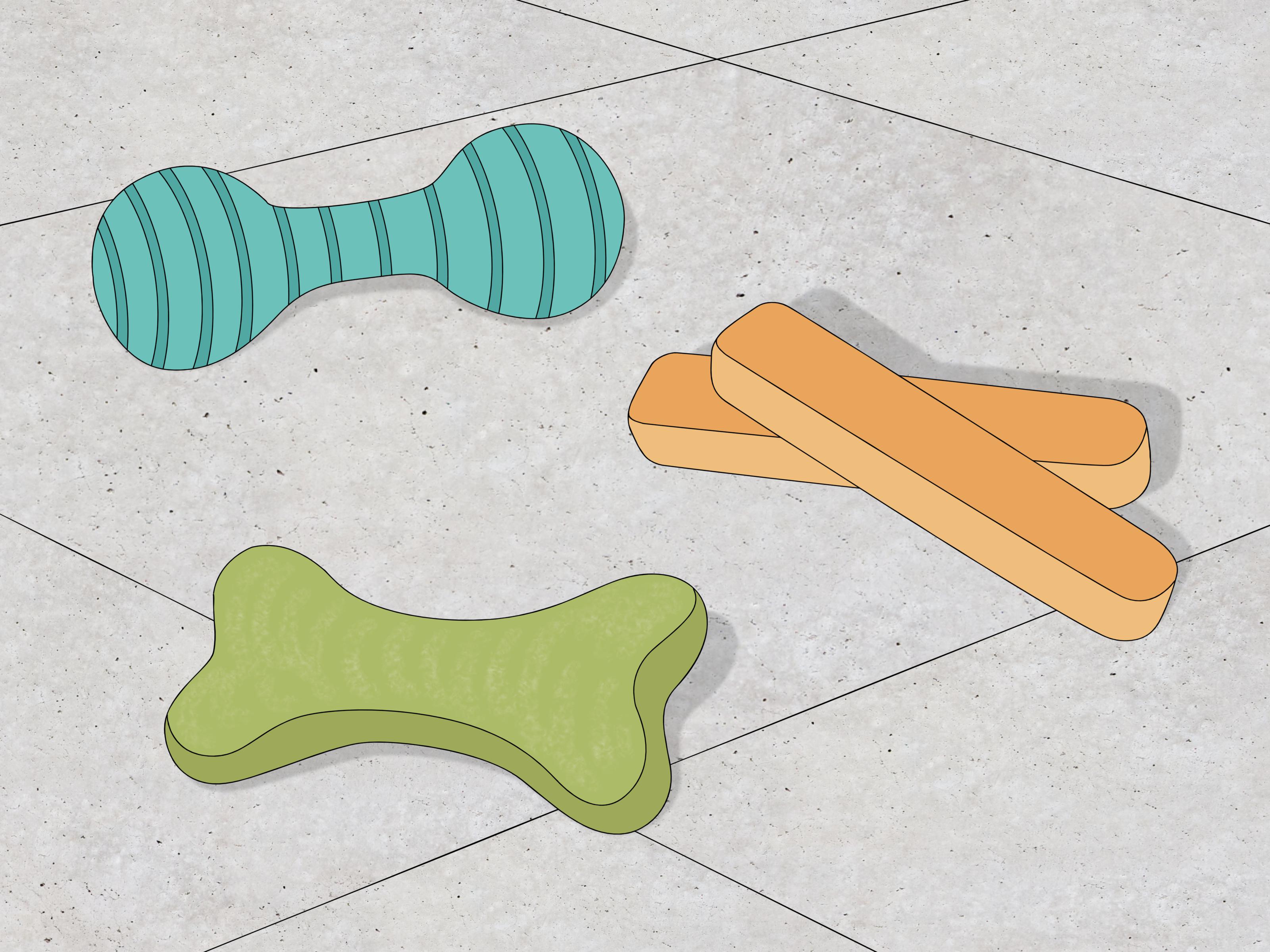
Dogs need safe chew toys that match their size, age, and chewing strength. Puppies may benefit from soft rubber toys, teething toys, or chilled puppy-safe options. Adult power chewers need durable toys that do not break into swallowable pieces. Rotate toys every few days so they feel new again. A toy that disappeared on Monday and returned on Thursday is, according to many dogs, basically a miracle.
Cats may prefer wand toys, kicker toys, puzzle feeders, climbing trees, and interactive play sessions. Rabbits need safe chewing materials such as untreated hay-based toys, rabbit-safe wood, cardboard tunnels, and plenty of hay. The idea is to satisfy natural chewing and hunting behaviors before your pet decides the laptop charger has “personality.”
Reward the Behavior You Want
When your pet ignores a cord, moves away from a cable, or chooses a toy instead, reward that choice. Use treats, praise, play, or attention. If you catch your pet approaching a cord, calmly redirect them to an approved toy. Avoid yelling or chasing. For some pets, a dramatic reaction makes the cord even more exciting. Congratulations, you have accidentally invented a game called “Human Panics Near Desk.”
Teach simple cues such as “leave it,” “drop it,” and “go to bed.” Practice with low-value items first, then gradually apply the cue around more tempting objects. Training works best when the environment is already managed. Do not expect a teething puppy to make wise life choices beside a pile of dangling chargers. That is like asking a toddler to guard a birthday cake.
Increase Exercise and Mental Stimulation
Many chewing problems shrink when pets get enough activity. Dogs often need walks, sniff time, training games, tug, fetch, or food puzzles. Cats benefit from short hunting-style play sessions, window perches, climbing spaces, and puzzle feeders. Rabbits need safe roaming time, tunnels, dig boxes, and chew-friendly enrichment.
A tired, mentally satisfied pet is less likely to patrol the house looking for electrical entertainment. This does not mean exhausting your pet into a furry puddle. It means meeting their natural needs with safe, structured outlets.
Supervise During High-Risk Times
Pets often chew when the house is quiet, when you are distracted, or when they have just gained new freedom. Puppies between teething and adolescence can be especially creative. Supervise closely during evenings, work-from-home hours, and the first few weeks after bringing home a new pet. If you cannot supervise, use a safe room, crate, playpen, or gated area.
Watch for patterns. Does your pet go for cords when hungry? After a long nap? When visitors arrive? When you sit at the computer? The pattern tells you what to change. Maybe your dog needs a stuffed food toy during Zoom calls. Maybe your cat needs play before bedtime. Maybe your rabbit needs the cord zone blocked forever because rabbits are tiny engineers with strong opinions.
Room-by-Room Cable Pet Proofing Checklist
Living Room
Bundle TV, gaming, router, and speaker cables. Use a cable management box for the power strip, wall raceways for exposed vertical cords, and furniture placement that blocks access without crushing cables. Keep lamp cords tight against table legs or walls. Avoid loose extension cords across the floor.
Bedroom
Phone chargers are the main troublemaker here. Clip chargers to the back of nightstands, unplug them when not in use, and store spare cords in drawers. Keep cords away from pet beds, because a bored pet beside a warm cable is a plot twist waiting to happen.
Home Office
Mount power strips under the desk or place them in ventilated cable boxes. Use cable sleeves for monitor cords, laptop chargers, and USB hubs. Keep foot-level cables off the floor. If your pet rests under your desk, make that area cord-free or block it with a panel.
Kitchen and Utility Areas
Unplug small appliances when not in use and keep cords off counters where pets can pull them down. Do not let cords dangle from coffee makers, mixers, or slow cookers. In laundry rooms, keep appliance cords protected and avoid letting pets explore behind machines.
Rabbit, Ferret, and Small-Pet Spaces
Small pets need extra protection because chewing is part of their normal behavior. Use hard cord covers, block baseboards, raise cords high, and remove access entirely when possible. A “mostly hidden” cord is not enough for a determined rabbit. If they can reach it, they may remodel it.
Common Mistakes to Avoid
The first mistake is relying only on bitter spray. Taste deterrents can wear off, fail, or become less effective over time. Use them only after cords are hidden or covered.
The second mistake is covering cords with rugs. It may look neat, but it can create heat and damage risks. Use proper cord covers or reroute the cable instead.
The third mistake is ignoring small bite marks. A cord does not need to be split open like a banana to be unsafe. Replace damaged cords and inspect nearby cables, because pets rarely stop at one.
The fourth mistake is giving pets too much freedom too soon. New pets need managed spaces until you know their habits. Freedom is earned; chargers are protected.
The fifth mistake is forgetting outdoor cords. Holiday lights, patio cords, pond pumps, and garage cables also need protection. Outdoor cords should be rated for outdoor use, kept away from water, and removed when no longer needed.
Real-Life Experience: What Actually Works When Pets Love Cables
In real homes, cable pet proofing usually starts after a suspicious silence. Anyone who has lived with a puppy or kitten knows that silence is not peace; it is an investigation request. One minute the room is calm, and the next minute your pet is under the desk, proudly discovering that your laptop charger has a chewy corner. The biggest lesson from real-world pet proofing is this: do not wait for the first ruined cord. If a cable is visible, dangling, or moving, assume your pet has noticed it.
The most successful setup I have seen is the “nothing on the floor” rule. Desk cords go into an under-desk tray. Chargers get clipped to furniture. Power strips live in ventilated cable boxes. TV wires run through wall channels. It sounds fussy until you experience the calm of vacuuming a room without wrestling a nest of cords or telling the dog, “Please stop licking the surge protector.” A clean cable layout is not only safer for pets; it also makes the house feel more organized.
Another practical lesson is that pets have preferences. Some dogs love soft rubbery cords. Some cats prefer thin white phone chargers because they wiggle. Rabbits often go straight for cables near baseboards because those are in their natural chewing path. Watch what your pet chooses, then protect that category first. If your cat ignores thick TV cords but attacks earbud cables, start with the small chargers. If your rabbit targets anything along the wall, baseboard raceways and hard tubing are your new best friends.
Training helps, but only when the environment is fair. A puppy left alone with six dangling cords is not failing obedience; the setup is failing the puppy. It is much easier to teach “leave it” when the cord is already inside a sleeve and the puppy has a better chew nearby. Keep a basket of safe toys in cable-heavy rooms. When your pet approaches the wrong item, redirect calmly and reward the right choice. Over time, the toy becomes more interesting than the cord.
The final experience-based tip is to inspect cables on a schedule. Once a week, look behind desks, nightstands, and entertainment centers. Check for tooth marks, frays, loose plugs, heat, or crushed sections. Pets are sneaky, and cords can shift when furniture moves or people unplug devices. A five-minute inspection can prevent a dangerous surprise. Pet proofing household cables is not a one-time project; it is a habit, like locking the door or pretending you do not see the cat judging your outfit.
Conclusion: Make Cables Boring, Safe, and Out of Reach
Pet proofing household cables comes down to three smart moves: hide what you can, protect what you cannot hide, and redirect your pet’s chewing energy toward safe alternatives. You do not need a perfect showroom home. You need a home where cords are not dangling like toys, power strips are not sitting in the open like snack trays, and your pet has better things to chew, chase, sniff, climb, and explore.
Start with the riskiest areas today: the bedside charger, the home office cord pile, the TV setup, and any cords near your pet’s favorite nap zone. Use cable boxes, cord covers, raceways, barriers, toy rotation, and supervision. Replace damaged cords instead of patching them. Avoid running cords under rugs or trapping them under furniture. Most importantly, treat cable safety as part of everyday pet care. Your pet gets a safer home, your electronics get a longer life, and you get fewer moments of shouting, “Why is the Wi-Fi down?” while a suspiciously innocent animal stares into the distance.