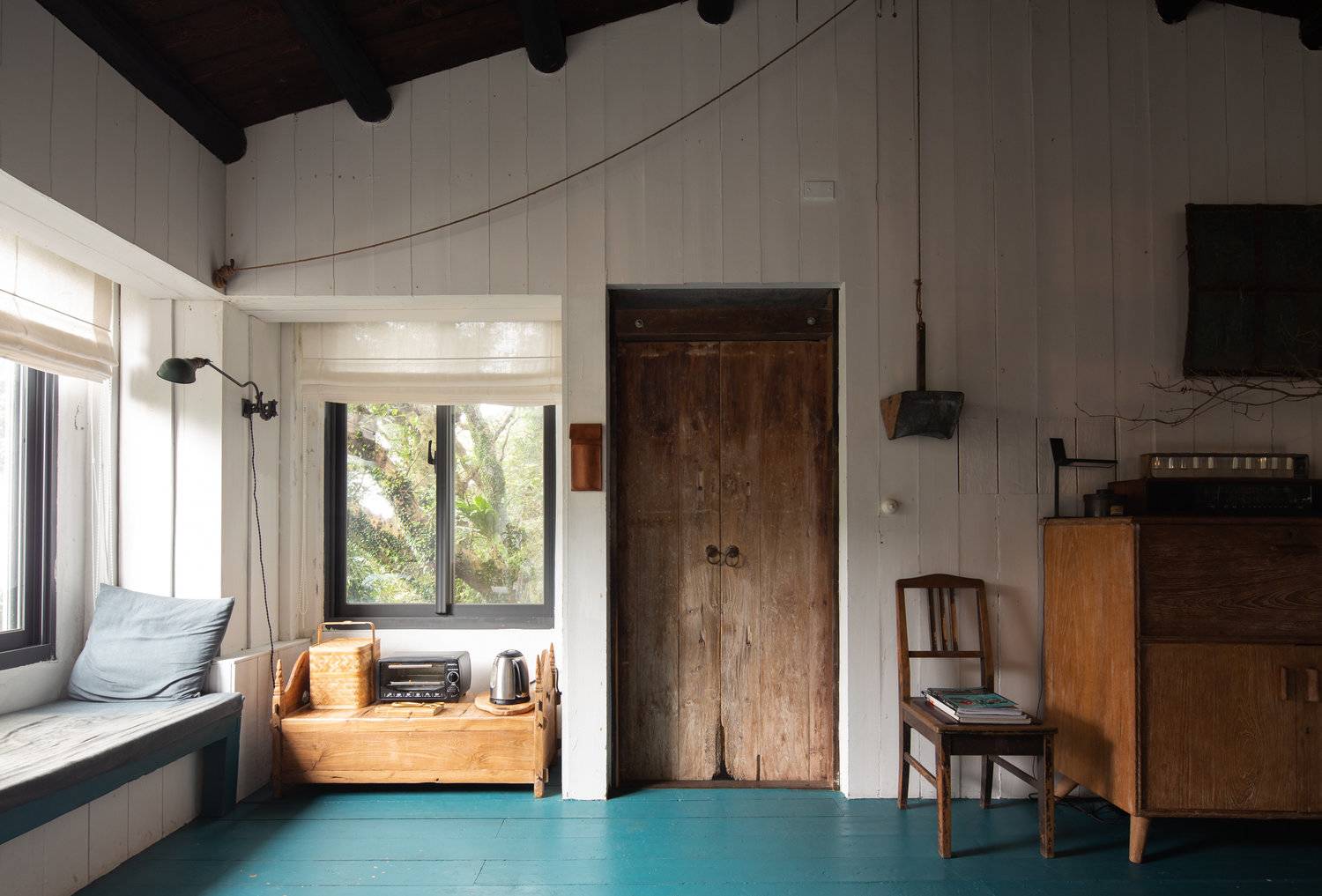
Some places ask you to check in. Shu Shu House asks you to slow down, put your phone somewhere harmless, and remember that rain on a roof is not “bad weather” but free percussion. Tucked into the hillside atmosphere of Jiufen, Taiwan, Shu Shu House is more than a charming mountain retreat. It is a quiet argument against over-designed travel, over-scheduled vacations, and rooms that come with seventeen decorative pillows but no soul.
Jiufen itself is already a mood: a former gold-mining town in New Taipei City, built on steep slopes between mountain and sea, famous for lantern-lit alleyways, teahouses, snack stalls, old theaters, and views toward the rugged northern coast. It is one of Taiwan’s most beloved day trips from Taipei, but Shu Shu House offers a different rhythm. Instead of rushing through Old Street with a taro ball dessert in one hand and a camera in the other, this hideaway invites guests to listen, look, and simply exist for a while. Radical, yes. Dangerous to your screen-time average, absolutely.
What Is Shu Shu House?
Shu Shu House, also written as Shushu House or ShuShu House in some travel listings, is a small hillside guesthouse in Jiufen known for its weathered exterior, soulful interiors, and deeply natural design language. Its Chinese name is commonly understood as meaning something like “counting trees,” which fits beautifully because the house feels less like a hotel and more like a conversation with the surrounding greenery.
The retreat has been associated with Taiwanese floral artist Alfie Lin and photographer Ivy Chen, whose creative sensibilities shaped the property into a poetic, quietly luxurious escape. The word “luxurious” here does not mean marble floors, gold faucets, and lobby music that sounds like a spa trying too hard. It means carefully chosen objects, old wood, natural textures, antique pieces, misty views, and the kind of silence that makes city people suspicious at first, then deeply grateful.
From the outside, Shu Shu House blends into Jiufen’s older mountain architecture. It does not scream for attention. It does not wave a neon sign saying, “Instagram, please come here immediately.” Its concrete shell and tucked-away position give it the humility of a local home. Inside, however, the retreat becomes a curated refuge, filled with vintage finds, natural materials, books, plants, handmade details, and windows that frame the landscape like moving paintings.
Why Jiufen Is the Perfect Setting
To understand Shu Shu House, you first have to understand Jiufen. Located in Ruifang District, New Taipei City, Jiufen grew from a small settlement into a gold-mining boomtown after gold was discovered in the region in the late nineteenth century. During its most prosperous years, the area became associated with wealth, mining culture, hillside settlements, and a lively commercial life. When the mining industry declined, Jiufen quieted down, only to be revived later by tourism, cinema, nostalgia, and its undeniably dramatic scenery.
Today, Jiufen Old Street is the town’s best-known attraction. The narrow lanes are lined with food stalls, souvenir shops, teahouses, stairs, lanterns, and more stairs. If your calves are not invited to this party, too bad; Jiufen has already sent them the formal invitation. Popular local snacks include taro balls, fish balls, herbal rice cakes, sweet potato treats, tea eggs, and other Taiwanese comfort foods that make “I’m just browsing” a complete lie.
A Mountain Town Between Fog and Sea
Jiufen’s beauty comes from contrast. The town feels compressed and open at the same time. One moment, you are squeezing through a lively lane perfumed with grilled food and tea. The next, you turn a corner and the Pacific-facing coastline opens below you. On clear days, the sea glitters. On rainy days, mist folds itself around the roofs and hills, and the whole town looks like it has been edited by a very tasteful ghost.
That atmosphere is exactly why Shu Shu House works so well. A minimalist retreat in a flat commercial district might feel forced. In Jiufen, simplicity feels earned. The town already provides drama: stairs, clouds, lanterns, history, sea wind, and the sound of rainwater slipping down old walls. Shu Shu House does not compete with that. It steps aside and lets the mountain do the talking.
Inside Shu Shu House: Wabi-Sabi With a Pulse
The design language of Shu Shu House is often described through the lens of wabi-sabi, the Japanese-influenced appreciation of imperfection, age, patina, and quiet beauty. But this is not the kind of wabi-sabi that gets packaged into a beige lifestyle trend and sold with a ceramic bowl named “Silence No. 4.” It feels personal. The house honors age rather than hiding it.
Original or restored wood, antique doors, vintage furniture, natural textiles, old cabinets, ceramics, and botanical arrangements create a layered interior that feels collected over time. The mood is restrained, but not empty. There is enough space for the eye to rest, yet enough detail to reward slow looking. A weathered workbench may become a desk. A branch may become sculpture. A window may become the most expensive artwork in the room, despite costing exactly nothing if you remember to look through it.
Natural Materials, Natural Pace
One of the house’s most important design lessons is that calm does not come from having nothing. It comes from having the right things. Shu Shu House uses natural materials and old objects to create warmth without clutter. The rooms feel edited, not sterile. There is a sense that each item had to earn its place, which is more than can be said for many hotel minibars and at least half the chairs in conference rooms worldwide.
The property’s interiors also blur the boundary between inside and outside. Windows bring in views of vegetation, sky, rain, and distant water. The bathroom, especially with its soaking tub atmosphere, turns bathing into a slow ritual rather than a plumbing-based obligation. In a place like Jiufen, where humidity, moss, clouds, and plants all seem to be on speaking terms, this connection with nature is not decorative. It is the point.
A Retreat for Travelers Who Want Less Noise
Shu Shu House appeals to a specific kind of traveler: someone who values quiet design, local character, and emotional texture over standardized luxury. This is not the best choice for visitors who need a breakfast buffet the size of a minor airport terminal. It is for people who want to wake up slowly, read by a window, drink tea, watch fog move across the mountain, and walk into town when hunger starts making persuasive arguments.
The retreat’s charm also comes from what it does not emphasize. No television-centered experience. No flashy entertainment package. No sense that the room is trying to distract you from the place you came to see. Instead, Shu Shu House encourages guests to engage with Jiufen: its teahouses, restaurants, lanes, steps, temples, views, and old mining stories.
How to Experience Jiufen Around Shu Shu House
A stay at Shu Shu House pairs naturally with a slower Jiufen itinerary. Many visitors come to Jiufen as a day trip from Taipei, often arriving around midday when the Old Street is busiest. Staying overnight changes the entire experience. The crowds thin out after sunset, lanterns glow, shop shutters come down, and the mountain town becomes more intimate. It is during these quieter hours that Jiufen stops performing and starts breathing.
Start With Jiufen Old Street
Jiufen Old Street is still essential. Yes, it can be crowded. Yes, someone may stop suddenly in front of you to photograph a dumpling. This is travel; we must remain brave. The Old Street offers a delicious introduction to local snacks, souvenirs, and tea culture. Try taro balls, explore small shops, and wander without treating every turn as a checklist item. Jiufen rewards detours.
Visit a Traditional Teahouse
Jiufen’s teahouses are part of its identity. A good teahouse visit slows the day down in the best way. You sit, pour, wait, sip, and suddenly understand why rushing is a design flaw in modern life. Many teahouses offer mountain or sea views, making them ideal places to watch the light change. Tea in Jiufen is not just a drink; it is a pause button with steam.
Step Into Shengping Theater
Shengping Theater is another worthwhile stop. The restored historic theater reflects Jiufen’s cultural past and the town’s cinematic revival. It offers a glimpse into an older entertainment era, when going to the movies involved atmosphere, architecture, and probably fewer people checking messages during the dramatic scenes.
Explore Nearby Mining Heritage
Jiufen and nearby Jinguashi are closely tied to Taiwan’s gold-mining history. Travelers interested in industrial heritage can continue toward the Gold Museum area, old mining landscapes, the Golden Waterfall, and views of the Yin Yang Sea. These sites add context to Jiufen’s beauty. The town is not just pretty; it is layered with labor, migration, memory, and reinvention.
Getting to Jiufen From Taipei
Jiufen is commonly visited from Taipei, and the trip is manageable for independent travelers. One popular route is to take a Taiwan Railways train from Taipei Main Station to Ruifang Station, then transfer to a local bus or taxi up to Jiufen. Another convenient option is a direct bus from central Taipei areas such as Zhongxiao Fuxing, Ximen, or Beimen, depending on the route and current schedules.
Because Jiufen is built on a steep mountainside, travelers should expect stairs, slopes, and narrow lanes. Comfortable shoes are not optional; they are your relationship counselor for the day. If you are carrying luggage for an overnight stay, pack light. A rolling suitcase on Jiufen’s steps is less “romantic travel moment” and more “public fitness documentary.”
Best Time to Visit Shu Shu House and Jiufen
Jiufen is atmospheric year-round, but the experience changes with weather and timing. Clear days offer sweeping views toward the sea and nearby hills. Rainy days bring mist, shine, and moody beauty. Many travelers try to avoid weekends and holidays, when Old Street can become extremely crowded. Late afternoon into evening is especially popular because the lanterns begin to glow and the town becomes more cinematic.
For Shu Shu House, rainy weather may actually enhance the experience. A mountain retreat with old textures, tea, books, plants, and a soaking tub does not need perfect sunshine to succeed. In fact, sunshine might be slightly too cheerful for the full Shu Shu House mood. A little mist gives the place its poetry. A downpour gives it a soundtrack.
Who Will Love Shu Shu House?
Shu Shu House is ideal for design lovers, slow travelers, couples, solo creatives, writers, photographers, plant enthusiasts, tea drinkers, and anyone who has ever whispered, “I need to disappear into the mountains for two days,” while sitting in traffic. It is also a strong choice for travelers who appreciate boutique stays that feel rooted in place rather than copied from a global hotel template.
It may not be ideal for guests who want nightlife, large hotel services, big groups, or instant access by elevator. Jiufen’s charm is physical. You climb, descend, turn sideways in alleys, dodge umbrellas, and occasionally question your cardio choices. Shu Shu House belongs to that landscape, so the journey is part of the experience.
Design Lessons From Shu Shu House
Even if you never stay at Shu Shu House, its design philosophy offers inspiration. First, old does not mean outdated. A weathered wall can carry more feeling than a flawless new surface. Second, restraint can be warmer than excess when natural materials and meaningful objects are involved. Third, windows matter. A view of trees, sea, or rain can do more for a room than a dozen decorative trends.
Most importantly, Shu Shu House shows how hospitality can be intimate without being fussy. It does not need to overwhelm guests with amenities. It gives them space, texture, quiet, and a strong sense of place. That is rare. Many accommodations try to become destinations by adding more. Shu Shu House becomes memorable by removing noise.
Extended Experience Notes: Living the Shu Shu House Mood in Jiufen
To fully experience the spirit of Shu Shu House, imagine arriving in Jiufen after the busiest part of the day has started to soften. The bus pulls along a mountain road, the air feels cooler than Taipei, and the town appears in layers: rooftops, stairways, lanterns, hills, sea. You step out and immediately understand that Jiufen is not built for rushing. The lanes are too narrow, the stairs too irregular, and the views too distracting. The town politely refuses your city speed.
Your first hour should be unambitious. Walk Old Street, but do not attack it like a shopping assignment. Let the smells lead: grilled mushrooms, sweet taro, tea, fried snacks, herbal sweets. Buy something warm. Eat it while standing slightly out of everyone’s way, which in Jiufen is both a courtesy and an advanced spatial puzzle. Then follow a side lane. The best moments often happen away from the thickest crowd, where a cat claims a doorstep, a red lantern swings in the damp air, or a small shrine appears between buildings as if it has been waiting for you specifically.
As evening approaches, return toward the quieter hillside. This is when Shu Shu House feels most powerful. The house is not just a place to sleep; it is a transition from public Jiufen to private Jiufen. Outside, the town glows and murmurs. Inside, the mood drops into a lower register. You notice the grain of wood, the weight of an old door, the way a plant bends toward a window. You make tea or sit with a book, and for once the book is not just a prop you packed to feel intellectually impressive at airports.
Morning brings a different Jiufen. Before the day-trippers arrive, the town feels local and almost shy. The air may smell of rain, breakfast, and stone. Walk early if you can. The stairs are gentler when they are empty, or at least they seem less personally judgmental. Look toward the sea. Watch shopkeepers prepare for the day. This is the reward of staying overnight: you see the place before it puts on its busy face.
A good Shu Shu House-inspired itinerary should include one teahouse session, one snack crawl, one slow bath or long window sit, one historical stop, and one completely unplanned wander. Do not fill every hour. The retreat’s real luxury is not the bathtub, the antiques, or even the view. It is permission to stop optimizing your trip. Jiufen has enough atmosphere for everyone, but Shu Shu House teaches you how to receive it quietly.
Conclusion
Shu Shu House is one of those rare retreats that understands the difference between decoration and atmosphere. Set in Jiufen’s misty mountain landscape, it combines history, nature, old materials, and thoughtful restraint into a stay that feels deeply personal. It is not trying to be the biggest, brightest, or most convenient lodging option in Taiwan. That is exactly why it stands out.
For travelers seeking a serene mountain retreat in Jiufen, Taiwan, Shu Shu House offers something more lasting than a pretty room. It offers a slower relationship with place. It turns rain into music, windows into art, and a small hillside house into a reminder that travel does not always need to be loud to be unforgettable.
Note: Booking details, access routes, and guest policies may change, so travelers should confirm directly with the property or current travel platforms before making plans.