Carbon fiber has the kind of reputation most materials can only dream about. Steel walks into the room with a toolbox. Aluminum arrives with a résumé. Carbon fiber glides in wearing sunglasses, weighing almost nothing, and somehow still lifting the furniture. That is why engineers, designers, athletes, surgeons, automakers, aerospace companies, and weekend bike nerds keep calling it a miracle material.
Of course, “miracle” does not mean magic. Carbon fiber is not fairy dust baked into a sports car hood. It is a highly engineered material made from extremely thin strands of carbon atoms, often combined with resin to create carbon fiber reinforced polymer, or CFRP. Its charm comes from a rare mix of qualities: high strength, low weight, stiffness, fatigue resistance, corrosion resistance, and design flexibility. In plain English, carbon fiber lets people build things that are lighter, faster, stronger, sleeker, and sometimes just wildly cooler.
This article explores why carbon fiber is called a miracle material, where it is used, what makes it special, and why it still has a few very human flaws. Yes, even miracle materials have bad hair days.
What Is Carbon Fiber?
Carbon fiber is a material made of long, thin filaments mostly composed of carbon atoms. These fibers are much thinner than human hair, but when thousands of them are bundled together and embedded in a resin matrix, they create a composite material with extraordinary performance.
The most common modern carbon fibers are made from polyacrylonitrile, usually called PAN. The process involves spinning precursor fibers, stabilizing them with heat, carbonizing them in an inert atmosphere, treating their surface, and sizing them so they bond properly with resin. That sounds like a spa day designed by a chemist with a dramatic streak. The result, however, is serious: a fiber that can deliver impressive tensile strength, stiffness, and dimensional stability.
Carbon fiber by itself is not usually the finished product. The magic happens when it becomes a composite. Think of the carbon fibers as the muscle and the resin as the organizer that keeps everyone in formation. The fibers carry much of the load, while the resin protects them, transfers stress, and helps shape the final part.
A Short History: From Light Bulbs to Spacecraft
Carbon fiber’s story did not begin with race cars or private jets. Early carbonized filaments were used in electric light bulbs in the 19th century. Later, high-performance carbon fibers emerged as scientists learned how to align carbon structures more effectively and manufacture fibers with reliable mechanical properties.
By the late 20th century, carbon fiber had moved into aerospace, defense, sporting goods, automotive components, and industrial systems. Today, it appears in aircraft structures, wind turbine blades, bicycle frames, prosthetic devices, bridge repairs, pressure vessels, tennis rackets, golf shafts, drones, satellites, and luxury consumer products. Not bad for something that started out glowing in a light bulb like a Victorian science experiment.
Why Carbon Fiber Is So Strong for Its Weight
The biggest reason carbon fiber earns its “miracle material” nickname is its strength-to-weight ratio. Many materials are strong. Many materials are light. Carbon fiber is both, which is the engineering equivalent of being able to bench press a refrigerator while floating like a balloon.
Steel is strong, but heavy. Aluminum is lighter, but not as stiff as many carbon fiber composites. Carbon fiber composites can be designed so the fibers run exactly where strength is needed. This is a major advantage because engineers do not always need equal strength in every direction. A bicycle frame, airplane wing, or racing monocoque experiences specific forces in specific places. Carbon fiber lets designers place reinforcement along those load paths instead of adding unnecessary material everywhere.
This directional control is called anisotropy, which sounds like a rare tropical illness but is actually one of carbon fiber’s greatest strengths. Used wisely, it allows parts to be light and incredibly efficient. Used poorly, it can lead to weak spots. Carbon fiber rewards smart design and punishes lazy engineering, which is probably why engineers both love it and occasionally mutter at it over coffee.
The Key Properties That Make Carbon Fiber Special
1. Lightweight Performance
Weight matters in almost every moving system. In aircraft, less weight can mean lower fuel use and longer range. In cars, it can improve acceleration, handling, and efficiency. In sports equipment, it can reduce fatigue and improve responsiveness. In prosthetics, it can help users move more comfortably.
Carbon fiber’s low density makes it especially attractive where every ounce matters. When designers reduce weight without giving up strength, the entire system benefits. A lighter aircraft needs less lift and fuel. A lighter bike climbs more easily. A lighter robotic arm can move faster with less energy. A lighter prosthetic limb can feel less tiring over a long day.
2. High Stiffness
Strength is about resisting failure. Stiffness is about resisting bending. Carbon fiber can be very stiff, which is why it is used in applications where precision matters. A telescope structure, race car chassis, turbine blade, or high-end camera rig must keep its shape under load. Flex at the wrong moment can reduce performance or accuracy.
That stiffness also gives carbon fiber products their signature feel. A carbon fiber bicycle frame, for example, can feel responsive because energy is transferred efficiently. A carbon fiber tennis racket can feel crisp. A carbon fiber drone frame can resist vibration while staying light. The material does not just sit there looking expensive; it actively changes how products behave.
3. Fatigue Resistance
Materials do not always fail from one dramatic event. Sometimes they fail after repeated stress: bend, relax, bend, relax, repeat until something gives up and asks for a vacation. Carbon fiber composites can offer excellent fatigue resistance when properly designed and manufactured.
This is one reason aerospace companies care so much about composites. Aircraft experience repeated pressurization, vibration, turbulence, takeoffs, landings, and temperature changes. A material that resists fatigue can reduce maintenance concerns and support long service life. That does not mean carbon fiber is indestructible. It means that with correct engineering, inspection, and quality control, it can perform beautifully in demanding environments.
4. Corrosion Resistance
Metals can corrode. Rust is basically metal having a slow emotional breakdown in public. Carbon fiber composites do not rust like steel, which makes them valuable in marine environments, bridge repair, chemical exposure, and aerospace structures.
This is one reason fiber reinforced polymer systems are used in civil infrastructure. Carbon fiber wraps, laminates, and reinforcement systems can strengthen or repair concrete and steel structures while adding little weight. In bridges and buildings, avoiding corrosion can mean longer service life and lower maintenance costs.
5. Low Thermal Expansion
Some materials expand and contract significantly as temperatures change. Carbon fiber composites can be designed with very low thermal expansion, which helps parts remain dimensionally stable. That is extremely useful in aerospace, satellites, high-precision instruments, and advanced manufacturing equipment.
When a spacecraft moves between sunlight and shadow, temperatures can swing dramatically. Materials that keep their shape help protect alignment, stability, and performance. Carbon fiber does not complain about harsh environments; it simply asks whether the resin system is also invited.
Carbon Fiber in Aerospace: Where the Miracle Took Flight
Aerospace is one of carbon fiber’s most important proving grounds. Aircraft and spacecraft demand materials that are strong, light, durable, and predictable. Carbon fiber composites fit that mission almost perfectly.
The Boeing 787 Dreamliner is one of the best-known examples. Its airframe uses a large amount of composite material, including carbon fiber reinforced plastic, helping reduce weight and improve efficiency compared with older metal-intensive aircraft designs. Composites also resist corrosion and fatigue differently from aluminum, which can reduce certain maintenance demands.
NASA has also explored carbon fiber composites for aerospace structures, gears, spacecraft components, and even self-healing composite concepts. The reason is simple: in aerospace, weight is expensive. Every pound saved can support more payload, more range, better performance, or lower operating cost. Carbon fiber gives engineers more freedom to chase those gains.
Carbon Fiber in Cars: Speed, Efficiency, and Drama
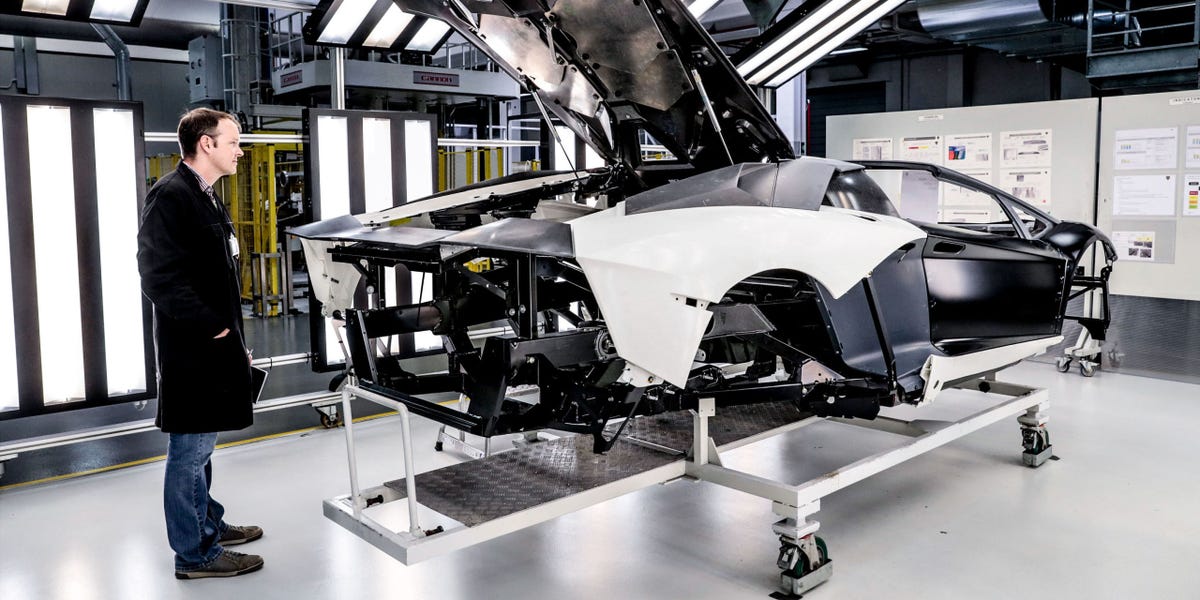
Carbon fiber and performance cars go together like espresso and overconfidence. Formula 1, supercars, hypercars, and premium performance vehicles use carbon fiber for body panels, monocoques, aerodynamic elements, driveshafts, and interior components.
In racing, the benefits are obvious. A lighter car can accelerate faster, brake harder, and change direction more sharply. A stiff carbon fiber chassis can help suspension systems work more precisely. Safety cells made from carbon fiber composites can also absorb energy in highly engineered ways.
For everyday vehicles, carbon fiber has been slower to spread because cost and manufacturing time matter. Steel and aluminum are cheaper, easier to repair, and deeply embedded in mass production. Still, as manufacturing methods improve and lower-cost precursors become more viable, carbon fiber may appear in more mainstream transportation applications, especially electric vehicles where weight reduction can support battery range.
Carbon Fiber in Wind Energy
Wind turbine blades are getting longer because longer blades can capture more energy. But longer blades also face greater bending loads and transportation challenges. Carbon fiber can help by adding stiffness without adding as much weight as traditional materials.
In wind blade design, carbon fiber is often used strategically rather than everywhere. Spar caps, which carry major bending loads, are one important target. By placing carbon fiber where it does the most work, engineers can make blades longer, lighter, and more efficient while managing cost.
This is a perfect example of carbon fiber’s real genius: it does not always need to dominate the whole product. Sometimes the miracle is using a small amount in exactly the right place.
Carbon Fiber in Sports Equipment
Sports equipment is where many people first touch carbon fiber. Bicycles, tennis rackets, golf clubs, fishing rods, hockey sticks, skis, paddles, helmets, and running blades often use carbon fiber composites.
A carbon fiber bike frame can be tuned for stiffness, comfort, aerodynamics, and weight. A fishing rod can be light enough for all-day casting but sensitive enough to detect subtle bites. A tennis racket can deliver power and control while remaining easy to swing. A prosthetic running blade can store and release energy in a way that helps athletes move efficiently.
In sports, carbon fiber is not just about being lighter. It is about feel. A well-designed carbon fiber product can feel alive, responsive, and precise. A poorly designed one can feel harsh, fragile, or overpriced. As always, the material is brilliant, but design still has to do its homework.
Carbon Fiber in Medicine and Accessibility
Carbon fiber has become important in prosthetics, orthotics, wheelchairs, surgical equipment, imaging tables, and medical support devices. The same properties that help aircraft and race cars also help people: low weight, high strength, durability, and the ability to shape components for specific needs.
For prosthetic limbs, weight reduction can make a huge difference. A lighter device may reduce fatigue and improve comfort. Carbon fiber can also provide spring-like behavior, especially in running blades and dynamic-response feet. In medical imaging, carbon fiber components can be strong and light while allowing certain imaging systems to function effectively.
This may be carbon fiber’s most meaningful miracle: not looking dramatic on a supercar, but helping someone move through the world with more comfort, confidence, and independence.
The Downsides: Carbon Fiber Is Not Perfect
No honest article about carbon fiber should pretend it has no weaknesses. Carbon fiber is expensive compared with steel, aluminum, fiberglass, and many plastics. It can be labor-intensive to manufacture. It requires careful design, controlled curing, quality inspection, and specialized repair methods.
Carbon fiber composites can also fail differently from metals. Metals may bend, dent, or deform visibly before failure. Carbon fiber can hide internal damage after impact, depending on the structure. That is why aerospace and high-performance applications use strict inspection methods.
Recycling is another challenge. Traditional thermoset carbon fiber composites are difficult to recycle because the resin matrix cannot simply be melted and reused like some thermoplastics. Researchers are developing better approaches, including closed-loop recycling, thermoplastic composites, chemical recovery, and pyrolysis methods. Progress is real, but carbon fiber still has work to do before it becomes as circular as engineers and environmental teams would like.
Why Carbon Fiber Feels Like the Future
Carbon fiber matters because it helps solve one of engineering’s oldest problems: how to do more with less. Less weight. Less energy. Less corrosion. Less structural waste. More performance. More range. More speed. More design freedom.
That combination is becoming even more valuable as industries push for energy efficiency, electrification, renewable energy, reusable spacecraft, advanced robotics, and personalized medical devices. Carbon fiber is not the answer to every problem, but when the problem involves strength, weight, stiffness, and durability, it often makes the shortlist very quickly.
Real-World Experiences: What Carbon Fiber Feels Like in Use
The easiest way to understand carbon fiber is not to stare at a technical chart. It is to pick up something made from it. The first reaction is usually surprise. A carbon fiber bike frame, tripod, paddle, or automotive panel often feels almost suspiciously light. Your hand expects more weight because your brain associates strength with heaviness. Carbon fiber breaks that mental contract. It feels like someone removed the unnecessary part of gravity.
On a bicycle, the experience can be dramatic. A good carbon fiber frame does not merely weigh less; it can feel sharper when accelerating, steadier when climbing, and smoother over small road vibrations. The rider may not be thinking about tensile modulus or fiber layup angles, but the body notices. The bike responds quickly, almost like it was paying attention before you asked. That does not make every carbon frame better than every aluminum or steel frame. Fit, geometry, wheels, tires, and design quality matter. But when carbon fiber is done well, the ride can feel clean, efficient, and oddly addictive.
In travel gear and camera equipment, carbon fiber creates a different kind of joy: less shoulder resentment. A carbon fiber tripod carried through an airport or up a trail can feel like a small act of mercy. It remains stiff enough to stabilize a camera, yet light enough that you do not start bargaining with yourself about leaving it behind. Anyone who has carried metal gear all day understands that “lightweight” is not a luxury word. It is a friendship-preservation strategy.
In cars, carbon fiber often announces itself visually before it proves itself mechanically. The woven pattern has become a symbol of performance, which is why fake carbon fiber stickers exist. Yes, humanity looked at one of the most advanced materials on Earth and said, “What if we made a plastic decal that lies?” Real carbon fiber parts, however, are more than decoration. A carbon hood, roof, splitter, or chassis component can lower weight and sometimes improve handling by reducing mass high in the vehicle. The difference may be subtle in daily driving, but in racing and high-performance engineering, subtle differences win trophies.
In prosthetics, the experience is more personal and far more important. Carbon fiber can help create limbs and braces that are lighter, stronger, and more energy-efficient. For users, that may mean less fatigue during the day, better mobility, or equipment that feels less like a burden. Here, carbon fiber is not about bragging rights. It is about quality of life.
The common thread across these experiences is confidence. Carbon fiber gives objects a feeling of precision. It makes gear easier to carry, vehicles easier to optimize, sports equipment more responsive, and medical devices more wearable. The material does not perform miracles by itself, but in the hands of skilled designers, it can make ordinary interactions feel quietly extraordinary.
Conclusion: The Miracle Is Smart Engineering
Carbon fiber is called a miracle material because it combines properties that rarely appear together: light weight, high strength, stiffness, corrosion resistance, fatigue performance, and design flexibility. It has changed aerospace, racing, sports, renewable energy, medicine, infrastructure, and premium consumer products.
Still, the real miracle is not just the material. It is the engineering behind it. Carbon fiber succeeds when designers understand loads, fiber orientation, resin behavior, manufacturing limits, inspection needs, repair methods, and end-of-life challenges. Used casually, it can be expensive decoration. Used intelligently, it can reshape entire industries.
So yes, carbon fiber deserves the hype. It is not magic, but it is close enough to make engineers smile, cyclists upgrade, automakers brag, and steel occasionally glance nervously over its shoulder.