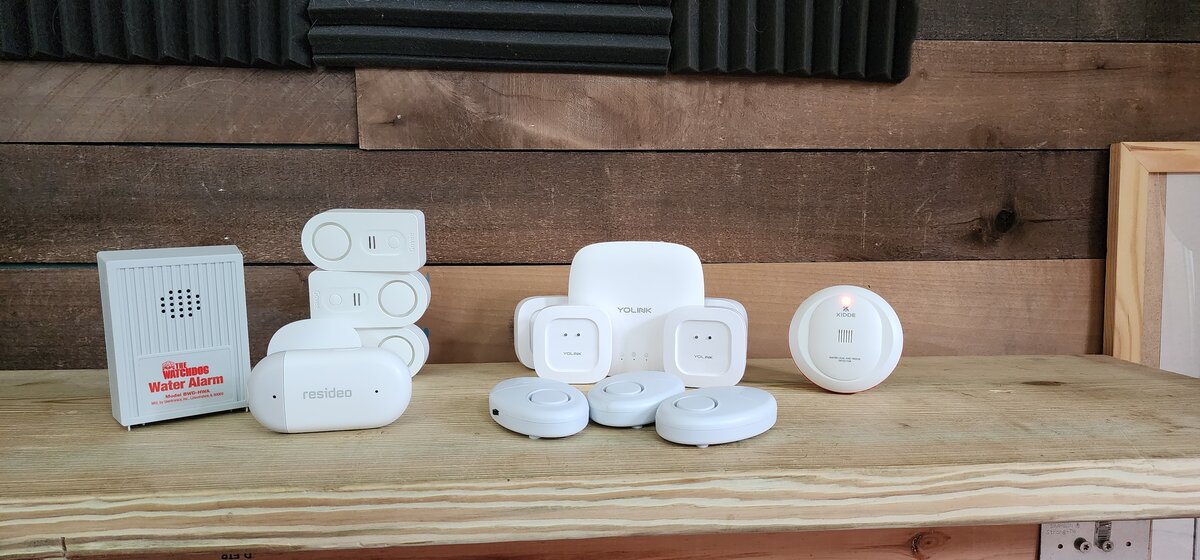
Note: This article synthesizes current U.S. expert testing, manufacturer specifications, smart-home compatibility details, and practical homeowner use cases. Prices, app features, and availability can change, so always confirm the latest details before buying.
A water leak detector is the kind of device you hope never becomes exciting. It sits quietly under a sink, behind a washing machine, beside a water heater, or in a basement corner doing the technological equivalent of staring at the floor. Then one day, a tiny drip appears, the alarm shrieks, your phone buzzes, and suddenly this little plastic puck becomes the hero of the house. Not all heroes wear capes; some run on AA batteries and scream at puddles.
The best water leak detectors do more than make noise. A good smart water sensor sends fast mobile alerts, detects moisture reliably, monitors temperature near freezing pipes, fits into tight spaces, and ideally works with your existing smart home system. Premium water leak detection systems can go further by monitoring water flow throughout the whole house and automatically shutting off the main water supply before a small leak becomes an indoor swimming pool nobody asked for.
After comparing hands-on test reports, product specifications, real-world use cases, and common homeowner pain points, several models stand out. The best choice depends on whether you want an inexpensive point sensor, a whole-home water monitor, Apple HomeKit support, long-range coverage, or automatic shutoff. Below is an in-depth guide to the best water leak detectors tested and reviewed, plus what to look for before buying one.
Quick Picks: Best Water Leak Detectors
- Best overall smart leak detector: Moen Smart Water Leak Detector
- Best value: Govee Wi-Fi Water Leak Detector
- Best simple Wi-Fi detector: Kidde Smart Water Leak and Freeze Detector
- Best long-range system: YoLink Water Leak Sensor
- Best for Apple HomeKit: Eve Water Guard
- Best compact Zigbee sensor: Aqara Water Leak Sensor
- Best whole-home monitor without plumbing work: Flume 2 Smart Home Water Monitor
- Best automatic shutoff system: Phyn Plus Smart Water Assistant + Shutoff
Why Water Leak Detectors Matter
Water damage is one of the most frustrating home problems because it often starts silently. A dishwasher hose loosens. A toilet supply line sweats and drips. A water heater begins to fail at 2:17 a.m., because apparently appliances enjoy drama. By the time you notice warped flooring, bubbling drywall, or a suspiciously damp ceiling, the repair bill may already be auditioning for a horror movie.
Water leak detectors help homeowners catch moisture early. Basic models sound a local alarm when their metal contacts touch water. Smart water leak detectors add app notifications, emails, battery alerts, and sometimes temperature or humidity monitoring. Whole-home systems analyze water flow or pressure and may shut off the main water line automatically when they detect unusual activity.
For apartments, condos, vacation homes, finished basements, laundry rooms, and older houses, these devices are especially useful. They are not a substitute for maintenance, but they are excellent backup guards. Think of them as tiny plumbing interns who never sleep, never ask for coffee, and only complain when something is actually wet.
How We Evaluated the Best Water Leak Detectors
The strongest water leak detectors were evaluated across the factors that matter most in real homes: detection speed, alert reliability, alarm loudness, setup difficulty, smart-home compatibility, battery life, sensor design, expandability, and total cost. A device that detects water quickly but sends phone alerts five minutes later is less helpful than it sounds. Likewise, a loud local alarm is greatunless the leak happens while you are away for the weekend.
Key Testing Criteria
- Detection performance: How quickly the sensor reacts when water touches the contacts or cable.
- Alert options: Push notifications, email alerts, SMS options, audible sirens, and visual indicators.
- Installation: Whether setup requires only batteries and an app or professional plumbing work.
- Coverage: Whether the detector protects one small area or monitors water use across the entire home.
- Smart-home support: Compatibility with Alexa, Google Home, Apple Home, IFTTT, Matter, Zigbee, Thread, or proprietary hubs.
- Practicality: Size, battery type, cable length, waterproofing, replacement cost, and ease of testing.
Best Overall: Moen Smart Water Leak Detector
The Moen Smart Water Leak Detector is one of the most balanced choices for homeowners who want reliable leak alerts without jumping straight into a full automatic shutoff system. It is compact, app-connected, and designed to sit near common leak zones such as water heaters, washing machines, sinks, toilets, sump pumps, and refrigerators with water lines.
Moen’s detector can sense water from contacts on the device body and through an included remote sensing probe. That probe is useful when the sensor itself needs to stay mounted higher on a wall while the cable reaches down behind an appliance. In practice, this makes it easier to monitor awkward spaces where your hand fits, but your patience does not.
The device also monitors temperature and humidity, which gives it extra value in basements, crawl spaces, and areas vulnerable to frozen pipes. App alerts are the real reason to buy it. A local alarm is helpful if you are home; a phone notification is helpful when you are at work, on vacation, or pretending not to check your phone during dinner.
Pros
- Fast smart alerts through the Moen app
- Compact design fits tight spaces
- Includes remote sensing probe
- Monitors temperature and humidity
- Can pair with Moen’s smart shutoff ecosystem
Cons
- Local alarm is not as loud as some budget competitors
- Best automatic protection requires a separate shutoff valve
- Smart-home compatibility is not as broad as some hub-based systems
Best for: Homeowners who want a dependable smart leak detector with strong app support and the option to expand into a larger Moen water protection system.
Best Value: Govee Wi-Fi Water Leak Detector
The Govee Wi-Fi Water Leak Detector is a favorite for budget-conscious homeowners because it makes whole-house point coverage affordable. Instead of buying one expensive sensor and moving it around like a nervous chess piece, you can place multiple Govee sensors near the dishwasher, water heater, laundry machine, bathroom vanity, basement drain, and refrigerator.
Govee models typically use a gateway that connects to Wi-Fi and communicates with multiple water sensors. This setup helps reduce the cost per sensor and makes it easier to build a small leak-detection network. The alarm is loud, often listed around 100 decibels depending on the model, which means it does not politely whisper “excuse me, there is a leak.” It yells. Sometimes yelling is correct.
App notifications and email alerts add remote awareness, and the sensors are small enough for cramped areas. Govee is especially appealing for renters, first-time homeowners, and anyone who wants broad protection without hiring a plumber or buying a premium shutoff system.
Pros
- Excellent price for multi-sensor coverage
- Loud audible alarm
- App and email notifications
- Good for covering many leak-prone areas
- Simple placement and setup
Cons
- Gateway-based setup adds one more device to manage
- No automatic main-water shutoff by itself
- App experience may feel less polished than premium systems
Best for: Homeowners who want several smart water sensors at a reasonable price.
Best Simple Wi-Fi Detector: Kidde Smart Water Leak and Freeze Detector
Kidde is already well known for smoke alarms and carbon monoxide detectors, so its Smart Water Leak and Freeze Detector feels like a natural addition to the home safety shelf. This device is simple, compact, battery-powered, and Wi-Fi enabled. It detects water and also warns when temperatures approach freezing, which is useful for garages, basements, utility rooms, and cabins.
One of the best things about the Kidde detector is that it can still function as a local alarm even without relying entirely on Wi-Fi. That matters because water leaks and internet reliability have a strange habit of misbehaving at the same time. The detector is easy to place under sinks, beside appliances, or near pipes. It is a good “buy it, place it, forget it until it saves your flooring” option.
Pros
- No hub required
- Detects leaks and freezing conditions
- Battery-powered and easy to place
- Works as a local alarm
- Good value from a familiar safety brand
Cons
- Fewer advanced features than premium smart systems
- Wi-Fi setup can depend on router compatibility
- No automatic shutoff
Best for: People who want a straightforward Wi-Fi water leak detector with freeze alerts and minimal fuss.
Best Long-Range System: YoLink Water Leak Sensor
YoLink stands out because it uses long-range LoRa-based communication rather than depending only on typical Wi-Fi coverage. That makes it a strong choice for large houses, detached garages, basements, sheds, workshops, and utility areas where Wi-Fi acts like it has never heard of walls before.
Many YoLink water leak sensors work through a YoLink hub and can send app, email, and SMS-style alerts depending on the setup. Some models include a built-in siren up to 105 decibels. YoLink’s ecosystem can also pair sensors with sirens and shutoff valves, creating more advanced automations. The long-range performance is the biggest selling point. If you have a far corner of the basement where Wi-Fi disappears into witness protection, YoLink deserves a look.
Pros
- Excellent long-range communication
- Good for large homes and outbuildings
- Loud alarm on certain models
- Expandable ecosystem with valves and sirens
- Strong option where Wi-Fi sensors struggle
Cons
- Requires a YoLink hub
- Less ideal if you want a simple one-device Wi-Fi setup
- App and automation options may take some learning
Best for: Large properties, basements, garages, and homeowners who need reliable signal range.
Best for Apple HomeKit: Eve Water Guard
The Eve Water Guard is built for Apple Home users who want a polished leak detector with a loud alarm and a long sensing cable. Unlike small puck sensors that detect water only at contact points, the Eve Water Guard uses a sensing cable that can detect moisture along its length. That makes it excellent for covering a wider area under washing machines, dishwashers, mechanical equipment, or long stretches of vulnerable flooring.
It also includes a 100-decibel siren and visual alert, plus notifications through Apple Home. Newer versions support Thread, which improves smart-home responsiveness when you have the right Apple home hub setup. The drawback is obvious: this is not the best pick for Android households or people who prefer Alexa or Google Home. Eve lives happiest in Apple’s garden, where everything is trimmed neatly and occasionally priced like boutique fruit.
Pros
- Excellent Apple Home integration
- Very loud 100-decibel alarm
- Sensing cable covers a larger area
- Thread support on compatible setups
- Strong privacy-focused smart-home design
Cons
- Not ideal for Android users
- Requires an outlet rather than battery-only placement
- More expensive than basic puck sensors
Best for: Apple HomeKit users who want wide-area leak detection and a loud alarm.
Best Compact Zigbee Sensor: Aqara Water Leak Sensor
The Aqara Water Leak Sensor is tiny, affordable, and smart-home friendly when paired with an Aqara hub or compatible Zigbee setup. It has an IP67 rating, making it suitable for humid environments, and it runs on a coin-cell battery. Its compact size makes it easy to tuck behind toilets, under vanities, near HVAC condensate lines, and beside water heaters.
The Aqara sensor is especially popular among smart-home enthusiasts because it can trigger automations. For example, a detected leak can turn on smart lights, sound a hub alarm, send a phone alert, or trigger a compatible shutoff device. For non-technical users, the need for a hub may be a mild annoyance. For automation fans, it is a small price to pay for a flexible, low-profile sensor.
Pros
- Very compact design
- Affordable for multi-room coverage
- IP67 dust and water resistance
- Good automation potential
- Works well in Zigbee-based smart homes
Cons
- Requires a hub or compatible Zigbee system
- No loud built-in siren like larger detectors
- Small size makes battery testing and placement discipline important
Best for: Smart-home users who want small, affordable leak sensors for multiple locations.
Best Whole-Home Monitor Without Plumbing Work: Flume 2 Smart Home Water Monitor
Most point sensors only know about water after it reaches the floor. The Flume 2 Smart Home Water Monitor takes a different approach. It straps onto a compatible water meter and monitors water usage for the whole home. That means it can help detect unusual flow patterns from running toilets, irrigation leaks, hose bib problems, or plumbing issues that may not create an immediate puddle near a sensor.
The major advantage is installation. Flume does not require cutting pipes or hiring a plumber. If your water meter is compatible, setup is relatively approachable for homeowners. It also provides water-use data, which can help you discover habits like “apparently the sprinkler system is trying to hydrate the entire county.”
Flume does not shut off the water automatically by itself, so it is more of a monitoring and alert system than a complete emergency response system. Still, for homeowners who want whole-home visibility without plumbing work, it is one of the most practical options.
Pros
- Monitors whole-home water usage
- No pipe cutting or plumber required
- Can detect unusual water flow patterns
- Useful for conservation and high water bills
- Great complement to point leak sensors
Cons
- Requires a compatible water meter
- No built-in automatic shutoff
- May not identify the exact leak location
Best for: Homeowners who want whole-home water monitoring without installing an inline shutoff valve.
Best Automatic Shutoff System: Phyn Plus Smart Water Assistant + Shutoff
The Phyn Plus Smart Water Assistant + Shutoff is for homeowners who want the water system equivalent of a security guard, accountant, and emergency brake. Installed on the main water line, it monitors pressure changes and water use throughout the home. When it detects a serious leak, it can automatically shut off the water supply.
This is a different category from a $30 sensor under the sink. Phyn Plus usually requires professional installation and costs significantly more than point detectors. However, it can respond to hidden leaks and burst pipes even when no floor sensor is nearby. That is the entire point of a whole-home water shutoff system: it protects the plumbing network, not just the puddle zones.
Phyn Plus also provides water-use insights, plumbing checks, and remote shutoff control. It is especially compelling for vacation homes, larger houses, luxury properties, and homeowners who travel frequently. The price may make budget shoppers blink twice, but compared with major water damage, it can look much more reasonable.
Pros
- Automatic main-water shutoff
- Whole-home monitoring
- Detailed water-use insights
- Can detect issues beyond visible puddles
- Strong option for frequent travelers and second homes
Cons
- More expensive than point sensors
- Professional installation is usually recommended
- Not necessary for every small apartment or rental
Best for: Homeowners who want premium whole-home protection with automatic shutoff.
How to Choose the Best Water Leak Detector
Decide Between Point Sensors and Whole-Home Systems
Point sensors are small devices placed in specific locations. They are affordable and easy to install, but they only detect leaks where they are placed. Whole-home systems monitor flow or pressure across the plumbing system and can detect broader issues, but they cost more and may require installation.
Look for Fast Remote Alerts
A loud alarm is useful, but mobile alerts are essential if you travel, work outside the home, or own a vacation property. The best smart water leak detectors send push notifications quickly and provide clear information about which sensor was triggered.
Consider Alarm Loudness
If the detector is in a basement, garage, or utility closet, a weak alarm may not be enough. Sensors with 85 to 105 decibel alarms are better for local warning. Just remember: louder is better during a leak, less charming during testing.
Check Battery Type and Battery Alerts
Water sensors are only helpful when they are alive. Look for low-battery notifications, common battery types, and easy testing. Add a recurring calendar reminder to test sensors every few months.
Match the Detector to Your Smart Home
Apple users may prefer Eve. Zigbee users may like Aqara. Alexa users may prefer Moen, YoLink, or Govee depending on the setup. If you do not care about smart-home automation, a simple Wi-Fi detector like Kidde may be easier.
Think About Placement Before Buying
Common locations include under sinks, behind toilets, near water heaters, under dishwashers, behind refrigerators, beside washing machines, near sump pumps, around HVAC condensate pans, and in basements. If you need to monitor a wide area, choose a sensing cable model rather than a small contact-only puck.
Recommended Setup for Most Homes
For the average U.S. home, the best leak protection strategy is a layered setup. Place budget-friendly sensors in high-risk areas, use at least one smart sensor with phone alerts, and consider a whole-home monitor or shutoff system if you travel often or have expensive finished spaces below plumbing lines.
A practical setup might include one sensor at the water heater, one behind the washing machine, one under the kitchen sink, one near the dishwasher, one near the main bathroom toilet, and one near the sump pump. If you own a finished basement, add more sensors near ceiling plumbing lines and mechanical equipment. Water has a talent for finding the most expensive path downward.
Real-World Experience: What It Is Like Living With Water Leak Detectors
The first thing you learn after installing water leak detectors is that placement matters more than brand loyalty. A great sensor sitting three feet away from the leak is just a very confident decoration. The best results come from placing sensors exactly where water would appear first: at the lowest point under a pipe connection, directly beneath a washing machine hose, beside the water heater drain pan, or under the trap of a sink. If a sensor has a cable, route the cable where water would travel, not where it looks neat. Plumbing does not care about your interior design theme.
The second lesson is that testing is not optional. After installing a sensor, touch the contacts with a damp paper towel or place the probe in a shallow dish of water. Confirm that the local alarm sounds, the app notification arrives, and the sensor name clearly identifies the location. “Leak detected in Sensor 4” is not helpful at midnight. “Leak detected under laundry room washer” is much better, especially when your brain is half asleep and negotiating with panic.
In day-to-day use, smart water leak detectors are mostly invisible. That is the beauty of them. They do not need daily attention, and they do not change how you use the house. But they do reward a little maintenance. Check batteries twice a year, especially before winter and before long vacations. If a sensor is in a dusty basement or near a pet area, wipe the contacts clean. If you move appliances, confirm the sensor did not get pushed into a useless corner behind a box of mystery cables.
False alarms can happen, but they are usually explainable. A sensor under a sink may react to cleaning spray, condensation, or an overenthusiastic bottle of dish soap. A detector near an HVAC system may catch normal condensate if the pan or drain line is not arranged properly. These alerts can be annoying, but they are also useful clues. If a sensor complains repeatedly, do not just mute it and declare victory. Investigate the area. Many “false alarms” are really early warnings wearing a fake mustache.
The most satisfying experience is catching a small leak before it becomes a repair project. A slow drip under a bathroom vanity, a tiny refrigerator water-line leak, or a washing machine hose starting to fail may only release a small amount of water at first. Without a detector, that moisture can sit quietly until the cabinet swells or flooring stains. With a detector, you get a noisy interruption and a chance to fix the problem while it is still boring. In home maintenance, boring is excellent. Boring is cheap. Boring does not require industrial fans in your hallway.
For people who travel, the experience is even more reassuring. A phone alert from a water sensor is not fun, but it is far better than returning home to warped floors. If you have a neighbor, relative, property manager, or smart shutoff valve, you can respond quickly. This is where whole-home systems like Phyn Plus or monitoring systems like Flume become especially valuable. They provide visibility beyond the few places where point sensors sit.
The biggest advice from real-world use is simple: do not buy only one detector and call the house protected. Water leaks are sneaky, and they do not schedule appointments near your single sensor. Start with the highest-risk areas, then expand. A modest network of affordable sensors often beats one premium sensor placed in the wrong spot. The best water leak detector is the one that is installed, tested, named properly in the app, and sitting exactly where water will show up first.
Final Verdict
The best water leak detector for most people is the Moen Smart Water Leak Detector because it offers a strong mix of fast alerts, compact design, temperature and humidity monitoring, and expansion potential. For budget coverage, Govee is the smartest way to place multiple sensors around the home without draining your wallet faster than a burst pipe drains a supply line. For simple Wi-Fi protection, Kidde is easy to recommend. For long-range coverage, YoLink is excellent. For Apple Home users, Eve Water Guard is the polished pick. For smart-home tinkerers, Aqara is compact and flexible. For whole-home visibility, Flume 2 is practical. For premium automatic shutoff, Phyn Plus is the serious solution.
No water leak detector can prevent every plumbing problem, but the right setup can turn a potential disaster into a manageable inconvenience. And in the world of homeownership, “manageable inconvenience” is practically a luxury spa day.