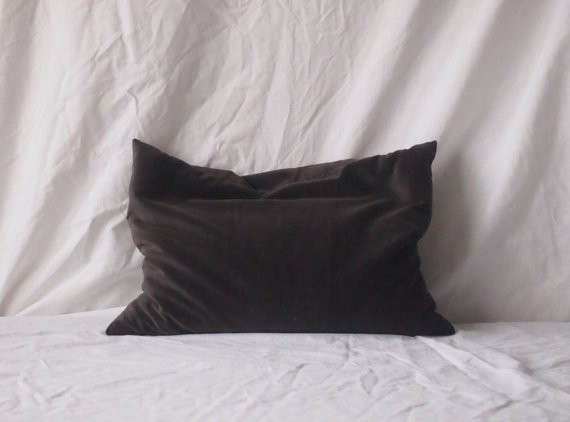
Some pillows enter your life quietly. Others arrive wearing velvet and filled with buckwheat hulls, looking like they belong in a boutique hotel, a meditation studio, and your favorite reading chair all at once. The Velvet Cushion Buckwheat Hull Natural Small Pillows category sits right at that cozy intersection: soft on the outside, structured on the inside, and surprisingly practical for people who want more than another floppy decorative pillow that gives up after three Netflix episodes.
Unlike ordinary throw pillows stuffed with polyester fiberfill, buckwheat hull small pillows are filled with the outer shells of buckwheat seeds. These hulls are firm, breathable, and movable, which means the pillow can mold around your neck, back, knees, wrists, or seat without collapsing into a sad pancake. Add a velvet cover, and suddenly the humble natural support pillow gets a glow-up worthy of a home decor magazine.
This guide explains what makes a velvet buckwheat cushion useful, where small buckwheat pillows work best, how to choose one, how to care for it, and why this little pillow may become the most borrowed item in your home.
What Is a Velvet Buckwheat Hull Small Pillow?
A velvet buckwheat hull small pillow is a compact cushion with two main parts: a soft velvet outer cover and an inner filling made from cleaned buckwheat hulls. The velvet gives the pillow a plush, elegant feel. The buckwheat hulls provide natural structure, airflow, and adjustable support.
Buckwheat hulls are not the edible groats used in pancakes or soba noodles. They are the lightweight outer shells left after the seed is processed. When used as pillow filling, these hulls behave a bit like tiny natural beads. They shift, settle, and contour, but they do not bounce back like foam or puff up like down. That is exactly the point. They create a stable surface that can hold shape once you press it into position.
Why “Small” Matters
Small pillows are underrated. A full-size bed pillow is great for sleeping, but it is not always ideal for targeted support. A small buckwheat cushion can be placed behind the lower back, under the neck, between the knees, beneath the wrists, or on a chair seat. It is also easier to move from room to room. Think of it as the Swiss Army knife of pillows, only softer and less likely to alarm airport security.
Why Buckwheat Hulls Make Sense for Cushions
The biggest advantage of buckwheat hull filling is support. Polyester pillows often feel fluffy at first, then gradually flatten. Memory foam can offer contouring, but it may trap heat or feel too springy for some people. Buckwheat hulls take a different approach: they create firm, adjustable support with natural airflow.
Adjustable Firmness and Loft
Many buckwheat pillows include a zipper or inner liner that lets you add or remove hulls. This matters because comfort is personal. A side sleeper may want more height under the neck. A desk worker may want a lower lumbar cushion. Someone using the pillow for meditation may prefer a firmer base. Instead of buying three different pillows, you can adjust one.
Breathability for Everyday Comfort
Buckwheat hulls naturally leave tiny air pockets between each shell. That structure helps air move through the pillow more easily than dense foam. For hot sleepers, warm office chairs, or long reading sessions, that airflow can make a noticeable difference.
Shape Retention Without the Drama
A buckwheat hull cushion does not need constant fluffing. Once shaped, it tends to stay where you put it. If you press it into the curve of your lower back, it stays supportive. If you nestle it under your neck, it does not immediately spring away like it has somewhere better to be.
The Velvet Factor: Beauty Meets Function
Velvet gives this natural pillow its decorative charm. It is soft, visually rich, and instantly makes a small cushion look intentional rather than orthopedic. That is useful because the best support pillow is the one you actually keep nearby. If a cushion looks good on your sofa, bed, office chair, or window bench, you are more likely to use it every day.
Modern velvet can be made from cotton, polyester, rayon, silk blends, or performance textiles. For home use, a durable velvet or velour cover is usually the most practical. It offers softness, color depth, and a polished look without demanding museum-level care.
Best Colors for Velvet Buckwheat Pillows
Neutral tones such as ivory, oatmeal, charcoal, and taupe blend easily into minimalist homes. Jewel tones like emerald, sapphire, burgundy, and mustard give the pillow a boutique feel. If the cushion will live on a reading chair or sofa, choose a color that complements nearby throws, rugs, or curtains. If it will travel with you or support your back at a desk, darker colors are more forgiving. Coffee spills are less dramatic when the pillow is already espresso-adjacent.
Best Uses for Velvet Cushion Buckwheat Hull Natural Small Pillows
Because these pillows are compact and supportive, they can solve several comfort problems around the home.
1. Lumbar Support for Office Chairs
Place a small buckwheat pillow between your lower back and chair. Shape it until it supports the natural curve of your spine. This can be especially helpful during long work sessions, video calls, writing marathons, or those mysterious spreadsheet afternoons that somehow last six hours.
2. Neck Support While Reading
A small buckwheat pillow can support the neck while you read in bed or relax on the couch. The key is to keep your head and neck in a neutral position rather than tilted sharply forward. Add or remove hulls until the pillow fills the space without pushing your chin toward your chest.
3. Knee or Leg Pillow
Side sleepers often place a small pillow between the knees to help keep the hips aligned. A buckwheat hull pillow works well because it does not compress as quickly as soft fiberfill. Back sleepers may also use a small cushion under the knees to ease pressure on the lower back.
4. Meditation and Floor Sitting
Small buckwheat cushions are popular in meditation spaces because they provide stable support. A velvet version adds a more decorative, cozy feel for home meditation corners. It can be used under the hips, ankles, or knees, depending on your sitting position.
5. Travel and Nap Support
A compact buckwheat pillow can fit into a tote bag or car seat setup. It is useful for road trips, hotel stays, camping cabins, and anywhere the available pillow feels like it was designed by someone who has never owned a neck.
How to Choose the Right Velvet Buckwheat Hull Pillow
Not all small buckwheat pillows are equal. Before buying, look closely at the materials, construction, and care features.
Check the Cover Material
A removable velvet cover is ideal. It protects the inner pillow and makes cleaning easier. Look for a smooth zipper, reinforced seams, and fabric that feels plush but not flimsy. If the pillow will be used daily, durability matters more than extreme delicacy.
Look for an Inner Liner
The best buckwheat pillows usually have an inner cotton or fabric liner that holds the hulls. This liner lets you remove the velvet cover without releasing a tiny avalanche of hulls across your living room. Nobody wants to vacuum buckwheat confetti from the carpet at midnight.
Choose Adjustable Filling
An adjustable pillow is more versatile. If it feels too firm, remove some hulls. If it feels too low, add more. Keep extra hulls in a dry, sealed container so you can refresh the pillow later.
Consider Size and Shape
Rectangular pillows are best for lumbar support, neck support, and travel. Round or square cushions work well for decorative use and meditation. Bolster-style buckwheat pillows are excellent under the neck or knees. For a true “small pillow,” dimensions around 10 x 14 inches, 12 x 16 inches, or similar compact sizes are easy to use in multiple positions.
Ask About Textile Safety
If skin contact matters to you, look for covers with credible textile safety certifications such as OEKO-TEX Standard 100. This type of certification indicates that the textile has been tested for harmful substances. It is not required for every good pillow, but it is a reassuring detail.
Pros and Cons of Velvet Buckwheat Small Pillows
Pros
These pillows are naturally supportive, breathable, adjustable, decorative, and long-lasting when cared for properly. They are especially helpful for targeted support because the hulls contour without collapsing. The velvet cover makes them attractive enough to leave on display, which is more than we can say for many ergonomic products.
Cons
Buckwheat hulls feel firmer than down, cotton, or polyester. They can also make a soft rustling sound when moved. Some people love that earthy texture; others need a few nights to adjust. Buckwheat allergies are uncommon but possible, so anyone with a known buckwheat allergy should avoid buckwheat-filled products. Also, the hulls themselves should not be machine washed.
How to Care for a Velvet Buckwheat Hull Pillow
Proper care keeps the pillow fresh, attractive, and supportive.
Do Not Wash the Hulls
Buckwheat hulls should stay dry. If they get soaked, they can clump, break down, or develop odor. Before washing any cover or liner, remove the hulls and place them in a clean dry bowl, bag, or container.
Clean the Velvet Cover Gently
For routine cleaning, use a soft brush, lint roller, or vacuum upholstery attachment. Brush with the nap of the velvet to keep the surface smooth. For small spills, blot immediately with a clean cloth. Do not rub aggressively, because velvet pile can crush or mark. If the cover is removable and labeled machine washable, follow the care tag. If not, spot cleaning is safer.
Air Out the Pillow
Every few weeks, unzip the cover and let the inner pillow air out in a dry, shaded place. Avoid damp areas. A sunny window can help freshen the cover, but prolonged direct sunlight may fade velvet colors over time.
Refresh the Fill
Over months or years, some hulls may break down. If the pillow feels lower than before, add fresh hulls. This is one reason buckwheat pillows can be more sustainable than pillows that must be replaced entirely when they flatten.
Decorating With Velvet Buckwheat Cushions
A velvet buckwheat small pillow can be both functional and stylish. Place one on a reading chair with a wool throw. Add two jewel-toned cushions to a neutral sofa. Use a rectangular velvet pillow on a home office chair for support that does not scream “medical supply aisle.” Pair it with linen bedding for a natural-meets-luxury look.
The contrast is what makes this pillow interesting. Velvet brings glamour. Buckwheat hulls bring practicality. Together, they create a cushion that looks soft but acts smart. It is the home decor equivalent of wearing a silk robe while balancing your budget.
Who Should Consider This Pillow?
A velvet buckwheat hull natural small pillow may be a good fit for people who want firm support, natural filling, breathable comfort, and a decorative design. It is ideal for readers, remote workers, meditation beginners, side sleepers looking for a knee pillow, and anyone who wants a compact cushion that can do more than look pretty.
It may not be the best choice for someone who wants an ultra-soft, cloud-like pillow. Buckwheat hulls are firm by nature. They are supportive, not squishy. If your dream pillow feels like whipped cream, this one may feel too serious. But if your back, neck, or posture has been quietly begging for structure, buckwheat hulls may be exactly the upgrade you need.
Buying Example: What a Good Product Description Should Tell You
A strong product listing for a velvet buckwheat pillow should include the cover material, inner liner material, dimensions, fill weight, whether the fill is adjustable, care instructions, zipper details, and whether extra hulls are available. For example, a helpful listing might say: “12 x 16 inch velvet cushion with removable cover, cotton inner liner, adjustable natural buckwheat hull fill, hidden zipper, spot-clean velvet cover, suitable for lumbar, neck, knee, and meditation support.”
That level of detail helps shoppers understand what they are buying. Vague phrases like “natural pillow” or “premium comfort” sound nice, but they do not tell you whether the pillow can be adjusted, cleaned, or used the way you need.
Experience Section: Living With Velvet Cushion Buckwheat Hull Natural Small Pillows
The first thing you notice about a velvet buckwheat pillow is the contrast. Your hand touches the velvet and expects softness all the way through. Then you pick it up and realize the inside has personality. It has weight. It shifts. It sounds faintly earthy, like a tiny rainstick that went to finishing school.
In daily use, the small size becomes the hero. On a sofa, it works behind the lower back while watching television. Unlike a soft throw pillow, it does not slowly migrate into a useless lump. You can press the hulls into a comfortable shape, lean back, and the support stays there. This is especially nice during long movie nights, though it will not prevent you from choosing a terrible movie. That remains a personal responsibility.
At a desk, the pillow can make an ordinary chair feel more customized. Place it vertically for lumbar support or horizontally across the lower back. If the cushion feels too thick, remove a cup or two of hulls. If it feels too flat, add some back. That adjustability makes it useful for different chairs and different people. One family member may want it firm; another may want it softer. The pillow does not judge. It simply unzips.
For reading in bed, a small velvet buckwheat cushion can support the neck better than a decorative pillow. The trick is to shape it before settling in. Press the hulls away from pressure points and into empty spaces. Once shaped, it creates a stable cradle. It feels less like sinking into fluff and more like being gently held in place.
As a knee pillow, it performs surprisingly well. Side sleepers can place it between the knees to reduce twisting at the hips. Because the hulls do not compress dramatically, the cushion keeps its height better than a soft mini pillow. Back sleepers can use it under the knees for a subtle bend that may feel more relaxing during rest.
The velvet cover changes the emotional experience. A plain cotton buckwheat pillow feels practical. A velvet one feels intentional. It belongs on the bed after it has done its support duties. It looks good on a chair. Guests may assume it is decorative, then discover it is secretly useful. That is a satisfying little plot twist.
Care becomes part of the routine. The cover should be brushed or vacuumed gently. Spills need quick blotting, not dramatic scrubbing. The hulls should stay dry, so removing them before laundering the cover is important. Once you learn that rule, maintenance is simple. The pillow is not high-maintenance; it just has boundaries, which honestly is healthy.
After a few weeks, the best part is versatility. It moves from couch to desk, from bed to travel bag, from meditation corner to floor seating. It is small enough to be convenient and structured enough to matter. That combination is why velvet cushion buckwheat hull natural small pillows are more than a pretty accessory. They are practical comfort tools dressed in velvet, and frankly, that is the kind of multitasking we can support.
Conclusion
Velvet Cushion Buckwheat Hull Natural Small Pillows combine decorative softness with practical support. The velvet cover brings style, color, and touchable comfort, while the buckwheat hull filling offers breathability, adjustability, and stable contouring. Whether used for lumbar support, neck comfort, knee alignment, meditation, travel, or home decor, this compact pillow earns its place in modern living spaces.
The best choice is one with a removable velvet cover, an inner liner, adjustable natural hull filling, strong seams, and clear care instructions. It should look good, feel supportive, and adapt to your body rather than forcing your body to adapt to it. In a world full of pillows that are either pretty but useless or useful but unattractive, the velvet buckwheat small pillow lands in the sweet spot: charming, natural, and quietly hardworking.