Mielle Rosemary Mint Scalp & Hair Strengthening Oil has become one of those beauty products people talk about like it has its own fan club, backstage pass, and possibly a tiny publicist. The little bottle is famous for its rosemary-mint scent, scalp-tingling feel, and reputation for helping hair look stronger, shinier, and better cared for. But here is the important part: the magic is not just in owning the bottle. It is in knowing how to use Mielle hair oil correctly.
Used thoughtfully, Mielle hair oil can support scalp care, help seal moisture, smooth dry ends, reduce the look of frizz, and make protective styles feel fresher. Used carelessly, it can leave hair greasy, irritate sensitive scalps, or create buildup faster than your bathroom counter collects half-empty products. This guide explains exactly how to apply it for scalp treatment, daily shine, split-end care, protective styles, and damaged hair routineswithout turning your roots into an oil slick.
What Is Mielle Hair Oil?
When most people say “Mielle hair oil,” they mean Mielle Rosemary Mint Scalp & Hair Strengthening Oil. It is a lightweight-to-medium hair and scalp oil made with a blend of plant oils, essential oils, extracts, and biotin. Key ingredients include rosemary leaf oil, peppermint oil, castor seed oil, soybean oil, jojoba seed oil, coconut oil, tea tree oil, eucalyptus oil, aloe extract, lavender oil, wheat germ oil, safflower oil, grape seed oil, and biotin.
The product is designed for multiple uses: scalp treatment, daily hair care, protective styles, dry scalp comfort, shine, and split-end smoothing. It is especially popular among people with curly, coily, textured, dry, or breakage-prone hair, but it can be used on many hair types when the amount and frequency are adjusted.
Can Mielle Hair Oil Really Boost Growth?
Let’s be honest: no hair oil can promise Rapunzel results by next Tuesday. Hair growth is affected by genetics, hormones, nutrition, stress, scalp health, medical conditions, styling habits, and time. That said, Mielle hair oil may support a healthier hair-growth environment by moisturizing the scalp, reducing dryness, encouraging massage, improving shine, and helping with length retention.
Rosemary oil has been studied for its possible role in supporting hair density, especially in people with pattern hair thinning. Scalp massage may also help because it encourages circulation and keeps the scalp flexible. But the most realistic benefit for everyday users is often not “instant new growth.” It is less breakage, better moisture, smoother ends, and stronger-looking hair over time. In other words, Mielle may help you keep more of the hair you grow, which is the underrated secret behind longer-looking hair.
How to Use Mielle Hair Oil for Scalp Treatment
This is the classic method and the best place to start if your goal is scalp care, dryness relief, or growth support.
Step 1: Start With Dry or Slightly Damp Hair
You can apply Mielle hair oil to dry hair or slightly damp hair. Dry hair makes it easier to section and see where the oil lands. Slightly damp hair can help distribute the product more smoothly. Avoid applying it to soaking wet hair because water can make the oil slide around instead of staying where you need it.
Step 2: Divide Hair Into Four Sections
Part your hair into four sections so your scalp is exposed. This prevents the “I put oil on my hair but somehow missed my scalp” problem. If your hair is thick, curly, coily, braided, or in twists, create smaller partings within each section.
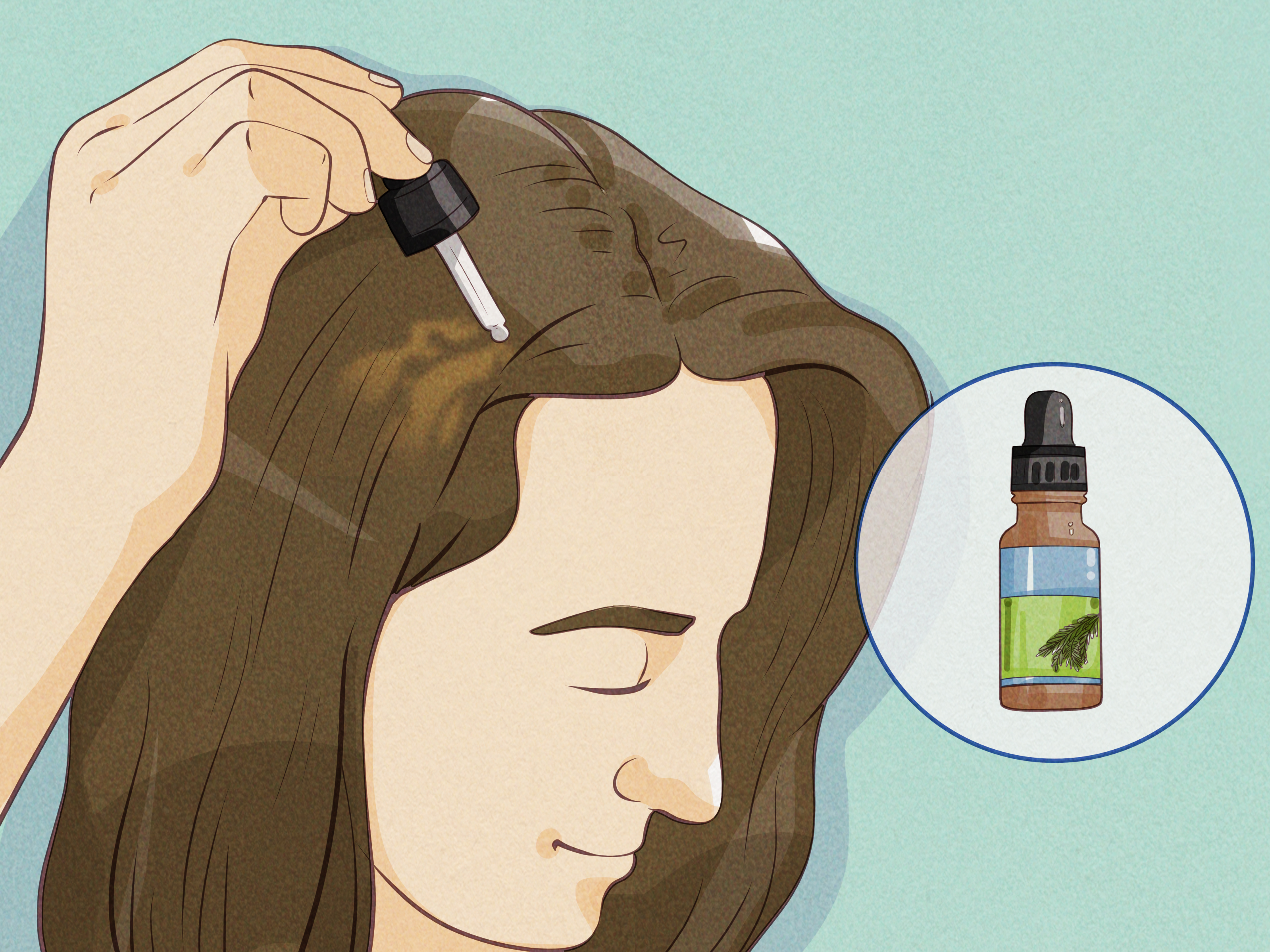
Step 3: Apply a Small Amount Directly to the Scalp
Use the dropper to place a small amount of oil along the part lines. You do not need to flood your scalp. A few drops per section is enough for many people. More oil does not mean faster results; it usually just means shinier pillowcases and more shampoo later.
Step 4: Massage With Fingertips
Use the pads of your fingers, not your nails, to massage the oil into your scalp for one to three minutes. Move in slow circles. Focus on dry, tight, itchy, or thinning-looking areas, but do not scrub aggressively. Your scalp is skin, not a cast-iron skillet.
Step 5: Comb or Smooth Through the Ends
After massaging the scalp, lightly comb or finger-detangle the remaining oil through your hair. This helps distribute shine and moisture. If your ends are dry, use the leftover oil on your fingertips to smooth them gently.
Step 6: Leave In and Style
Mielle’s scalp-treatment directions allow the oil to be left in and styled as desired. If your scalp or hair gets weighed down easily, use it as a pre-shampoo treatment instead and wash it out after 30 minutes to a few hours.
How Often Should You Use Mielle Hair Oil?
The right frequency depends on your hair type, scalp condition, and styling routine.
For Dry, Curly, Coily, or Textured Hair
Use Mielle hair oil two to three times per week if your scalp tolerates it well. Textured hair often benefits from oils because natural scalp oils have a harder time traveling down bends and coils. For protective styles, use a few drops between parts whenever your scalp feels dry.
For Fine or Oily Hair
Start with once a week as a pre-wash treatment. Apply lightly, massage, let it sit, then shampoo. Fine hair can look greasy quickly, so treat Mielle like hot sauce: a little can be excellent, too much can become a situation.
For Damaged or Color-Treated Hair
Use once or twice weekly on the scalp and ends. Focus on moisture, shine, and reducing friction. If your hair is bleached, heat-styled, relaxed, or chemically treated, pair the oil with conditioner, deep conditioning, gentle detangling, and heat protection.
How to Use Mielle Hair Oil for Split Ends
Here is the honest truth: split ends cannot truly be repaired once the strand has split. Only trimming removes them. However, Mielle hair oil can temporarily smooth the look of split ends, reduce friction, add shine, and help prevent dryness from getting worse.
Split-End Treatment Method
Apply a small amount of Mielle oil to the ends of your hair. Place a processing cap over your hair and leave it on for about 10 minutes. Then rinse and shampoo as usual. This method is useful before wash day, especially if your ends feel rough, crunchy, or dull.
For daily styling, rub one or two drops between your palms and lightly smooth over the last few inches of your hair. Avoid soaking the ends. Hair should look polished, not like it lost a fight with a salad dressing bottle.
How to Use Mielle Hair Oil for Protective Styles
Mielle hair oil is popular for braids, twists, locs, sew-ins, wigs, and other protective styles because the dropper makes scalp application easy. Protective styles can reduce manipulation, but your scalp still needs care.
Protective Style Routine
Use the dropper to apply oil directly between parts or along the scalp lines. Massage gently with fingertips. If your style allows it, smooth a small amount along exposed hair or edges. Repeat one to three times weekly depending on dryness.
Avoid heavy application near the hairline if you are prone to acne, clogged pores, or irritation. Also avoid tight styles. Oil can moisturize the scalp, but it cannot rescue hair follicles from constant tension. If your braids feel painfully tight, the answer is not more oil. The answer is mercy.
How to Use Mielle Hair Oil as a Hot Oil Treatment
A hot oil treatment can make dry hair feel softer and more flexible. Do not microwave the bottle directly. Instead, place the closed bottle or a small amount of oil in a heat-safe container, then warm it by setting that container in a bowl of warm water for a few minutes.
Hot Oil Steps
Apply the warmed oil to your scalp and hair, focusing on dry areas and ends. Cover with a processing cap for 15 to 30 minutes. Shampoo thoroughly and condition afterward. This method works well before wash day, especially for thick, dry, natural, or damaged hair.
How to Use Mielle Hair Oil on Wash Day
Wash day is one of the best times to use Mielle hair oil because you can enjoy the treatment benefits without worrying about buildup.
Pre-Shampoo Routine
Apply Mielle oil to your scalp in sections. Massage gently for a few minutes. Pull a little oil through the mid-lengths and ends. Let it sit for 30 minutes to three hours, depending on your schedule. Then shampoo your scalp well and follow with conditioner.
If your hair is very dry, you can apply a tiny amount after styling to seal the ends. Keep it minimal. Post-wash oil should add shine and softness, not make your fresh blowout collapse like a sad soufflé.
How to Use Mielle Hair Oil Without Buildup
Buildup happens when oils, styling products, sweat, and dead skin collect on the scalp. It can make hair feel heavy, itchy, greasy, or dull. To prevent it, use small amounts, shampoo regularly, and adjust frequency based on how your scalp responds.
Signs You Are Using Too Much
You may be overusing Mielle hair oil if your scalp feels itchy after application, your roots look greasy within hours, your hair feels coated, your shampoo no longer lathers well, or your forehead and hairline start breaking out. When this happens, pause oiling for a few days and cleanse your scalp thoroughly.
Best Buildup Prevention Tips
Apply oil only where needed. Use a clarifying shampoo occasionally if you use heavy products, gels, edge control, or oils often. Do not layer oil over a dirty or sweaty scalp repeatedly. Oil works best as part of a clean routine, not as a cover-up for scalp neglect.
Safety Tips Before Using Mielle Hair Oil
Because Mielle hair oil contains essential oils such as rosemary, peppermint, eucalyptus, tea tree, and lavender, sensitive scalps should proceed carefully. A cooling or tingling feeling can be normal, especially from mint and menthol. Burning, intense itching, redness, swelling, flaking, or pain is not normal.
Do a Patch Test
Apply a tiny amount behind your ear or on a small area of your scalp. Wait 24 hours. If there is no irritation, try it on a larger area. Patch testing is especially important if you have eczema, dandruff, seborrheic dermatitis, fragrance sensitivity, allergies, or a history of scalp reactions.
Avoid Eyes and Broken Skin
Keep the oil away from your eyes, eyelids, and broken or irritated skin. Peppermint and rosemary near the eyes can feel like a tiny dragon sneezed on your face. If contact occurs, rinse carefully with water.
Know When to Stop
Stop using the oil if irritation continues, shedding suddenly increases, or your scalp becomes painful. See a dermatologist if you notice sudden hair loss, patchy bald spots, scaling, sores, or shedding that feels unusual for you. Hair oil can support cosmetic care, but it should not replace medical evaluation for real hair loss concerns.
Mielle Hair Oil for Different Hair Goals
For Growth Support
Apply to the scalp two to three times weekly, massage gently, and stay consistent for several months. Support the routine with gentle styling, balanced nutrition, regular cleansing, and low tension.
For Dry Scalp
Use a few drops on dry areas and massage lightly. If flakes are oily, yellow, painful, or persistent, dandruff or seborrheic dermatitis may be involved, and oil may not be the best solution.
For Breakage
Focus on the ends and high-friction areas, such as the nape, crown, and hairline. Combine the oil with conditioner, satin pillowcases, gentle detangling, and fewer tight styles.
For Shine
Rub one drop between your palms and glide it over the surface of styled hair. This is the “expensive shine” method. Do not pour it directly on top unless your goal is “freshly glazed donut.”
Common Mistakes to Avoid
Using Too Much Oil
Mielle hair oil is concentrated. Start small. You can always add more, but removing too much requires shampoo, time, and possibly emotional support.
Skipping Massage
For scalp benefits, massage matters. Dropping oil onto the scalp and walking away is less effective than working it in gently.
Expecting Overnight Growth
Hair grows slowly. Visible improvement usually takes consistent care over months. Look for signs like less dryness, fewer broken hairs, smoother ends, and easier detangling.
Using Oil Instead of Conditioner
Oil helps seal and smooth, but conditioner provides slip, softness, and hydration support after shampooing. For damaged hair, use both wisely.
Ignoring Scalp Reactions
Tingle is one thing. Burning is another. Your scalp should not feel like it joined a spicy food challenge.
A Simple Weekly Mielle Hair Oil Routine
Monday: Light Scalp Refresh
Apply a few drops to dry scalp areas. Massage for one minute. Style as usual.
Wednesday: Ends and Shine
Use one drop on the ends to reduce frizz and add shine. Avoid the roots if your hair gets oily.
Saturday: Pre-Wash Treatment
Section hair, apply oil to the scalp, massage for three minutes, smooth through the ends, cover for 30 minutes to two hours, then shampoo and condition.
Monthly: Scalp Reset
Use a clarifying shampoo if buildup appears. Follow with conditioner or a deep conditioner so hair does not feel stripped.
Experience Section: What Using Mielle Hair Oil Can Feel Like in Real Life
The first thing many people notice when using Mielle hair oil is the scent. It smells herbal, minty, and freshlike rosemary walked into a spa and brought peppermint as its dramatic best friend. On application, the scalp may feel cool or lightly tingly. For someone with a dry scalp, that sensation can feel refreshing. For someone with a sensitive scalp, it can feel too intense, which is why starting small matters.
A common beginner experience goes like this: you apply the oil directly from the dropper, massage it in, and immediately think, “This is nice.” Then, five minutes later, you realize you used enough oil to moisturize a small village. The hair looks shiny, yes, but the roots may feel heavy. That is why experienced users usually learn to apply it in tiny lines along the scalp rather than squeezing the dropper everywhere with enthusiasm. Beauty routines reward patience. They do not reward panic-drizzling.
People with braids, twists, or locs often enjoy the oil because the dropper fits neatly between parts. Instead of undoing the style, they can reach the scalp, massage gently, and reduce that tight, dry feeling that sometimes appears after a few days. The best experience usually comes from applying the oil at night or before styling, then wrapping the hair with a satin scarf or bonnet. By morning, the scalp feels calmer, and the style often looks fresher.
For people with damaged ends, the experience is different. Mielle hair oil will not magically fuse split ends back together. No oil can do that, unless the oil also comes with scissors and a licensed stylist. But it can make ends feel softer and look smoother. When applied before shampooing under a cap, the ends may feel less rough after washing and conditioning. When applied after styling, one tiny drop can make dry ends look more polished.
Fine-haired users often have the steepest learning curve. The oil can be helpful, but the amount must be extremely small. A good approach is to use it as a pre-shampoo scalp treatment once a week rather than a daily leave-in. That way, the scalp gets the massage and botanical-oil benefits without sacrificing volume. The goal is “healthy shine,” not “why does my hair look wet at 2 p.m.?”
Curly and coily-haired users may find that Mielle oil fits naturally into a moisture-sealing routine. After washing, conditioning, and applying a leave-in, a small amount of oil on the ends can help reduce friction and support length retention. Over time, the biggest difference may not be dramatic new growth at the roots. It may be fewer broken pieces in the sink, easier detangling, softer ends, and hair that holds styles better.
The most successful experience with Mielle hair oil is consistent but not excessive. Use it, observe your scalp, adjust the amount, and give your hair time. Hair care is not a one-night transformation. It is more like watering a plant: steady attention, good conditions, and no dumping the whole watering can on it every hour.
Conclusion
Mielle Rosemary Mint Scalp & Hair Strengthening Oil can be a valuable part of a healthy hair routine when used with realistic expectations. It may support scalp comfort, add shine, smooth dry ends, reduce the look of frizz, and help with length retention by lowering breakage. The best way to use Mielle hair oil is to apply a small amount directly to the scalp in sections, massage gently, and comb or smooth the product through the ends. For split-end care, apply it to the ends under a processing cap for 10 minutes, then rinse and shampoo.
For growth support, consistency matters more than quantity. Use it a few times weekly if your scalp tolerates it, or as a pre-wash treatment if your hair is fine or oily. Always patch test, avoid the eyes, and stop using it if irritation appears. Mielle hair oil works best when paired with gentle detangling, regular conditioning, low heat, loose styles, and good scalp hygiene.
Note: This article is for general hair-care education and product-use guidance. It is not medical advice. For sudden, patchy, painful, or persistent hair loss, consult a dermatologist or qualified healthcare professional.