Note: This article is written from a synthesis of current U.S. home design, remodeling, natural stone care, and interior styling guidance.
Stone has a way of making a room stand up straighter. Add a marble tray, a slate hearth, a limestone wall, or a travertine table, and suddenly your home looks like it has opinions, history, and possibly a very good espresso machine. The best part? Updating your home decor with stone does not always require a dramatic renovation, a construction crew, or a suspiciously large invoice hiding under a magnet on the fridge.
Natural stone decor works because it brings texture, weight, variation, and quiet luxury into a space. Unlike flat paint or mass-produced accessories, stone has movement. Veins, fossils, pores, speckles, and color shifts make every piece feel one-of-a-kind. Whether your style is modern, rustic, coastal, traditional, organic contemporary, or “I bought one nice chair and now I am building a personality around it,” stone can fit beautifully when used with intention.
The key is balance. Too much stone can make a home feel like a medieval banquet hall with Wi-Fi. Too little, and the effect may disappear. These 11 impressive ways to update your home decor with stone will help you create a home that feels grounded, stylish, durable, and wonderfully touchable.
1. Create a Stone Fireplace That Becomes the Room’s Anchor
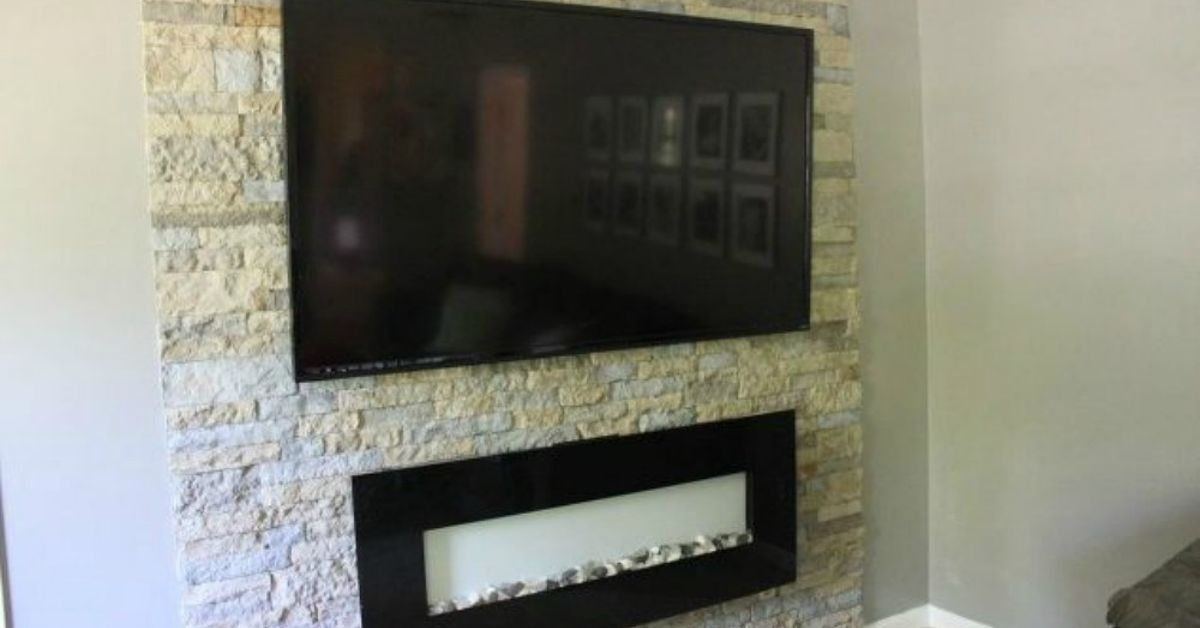
A stone fireplace is one of the most powerful home decor updates because it naturally becomes a focal point. Floor-to-ceiling stacked stone can make a living room feel architectural, while a honed limestone surround creates a calmer, more tailored look. For a modern home, consider smooth marble slabs or large-format stone panels. For a cabin, farmhouse, or transitional space, ledgestone, fieldstone, or slate can add warmth and rugged charm.
The trick is to match the scale of the stone to the room. A small living room may benefit from a clean stone surround rather than a massive rock wall. A large open-plan space can handle more drama, especially if the fireplace wall extends upward and visually balances tall ceilings.
Design tip
Skip cluttering the mantel if the stone already has strong texture. Let the fireplace breathe. A simple mirror, one piece of art, or a pair of sculptural candleholders can be enough.
2. Upgrade the Kitchen With a Stone Backsplash
A stone backsplash can make even a simple kitchen feel custom. Marble remains a favorite for its classic veining, but quartzite, travertine, limestone, granite, and slate are also excellent options. A slab backsplash creates a seamless, high-end look because there are fewer grout lines. That means less visual interruption and fewer tiny places for tomato sauce to launch a long-term career.
If a full slab is beyond the budget, stone tile is still a beautiful choice. Try honed marble subway tile, tumbled travertine squares, slate rectangles, or mosaic stone for a textured accent. In modern kitchens, matching the countertop and backsplash material can create a clean, continuous effect. In more relaxed spaces, contrast works well: soapstone counters with a light limestone backsplash, or white quartz counters with a dramatic marble feature wall.
Design tip
For natural stone in kitchens, choose the finish carefully. Polished stone looks elegant but may show etching more easily, especially marble. Honed finishes feel softer and often hide daily wear better.
3. Add a Stone Coffee Table for Instant Weight and Style
A stone coffee table is the decor equivalent of putting on a tailored jacket. The room may already look good, but suddenly it looks intentional. Marble, travertine, limestone, onyx, granite, and terrazzo coffee tables all bring visual weight to a seating area. They pair especially well with soft upholstery, boucle chairs, linen sofas, leather accents, and wood floors.
If your living room feels too light, too temporary, or too “rental apartment with commitment issues,” a stone coffee table can ground the space. Round travertine tables soften sharp layouts, while rectangular marble tables look crisp and polished. For smaller rooms, choose a table with a thinner stone top or an open base so the piece does not visually swallow the floor.
Design tip
Use coasters. Stone is durable, but durability does not mean invincible. Marble and limestone can stain or etch from acidic drinks, so treat them like beautiful guests: admire them, but do not spill wine on them.
4. Bring Stone Into the Bathroom for a Spa-Like Feel
Bathrooms and stone are longtime friends. Stone tile, stone counters, stone shower walls, and stone vessel sinks can create a calm, spa-inspired atmosphere. Marble feels refined, slate feels earthy, travertine feels warm, and limestone feels soft and timeless. Even a small powder room can look dramatically upgraded with a stone vanity top or a stone accent wall behind the sink.
For showers, large-format stone tile or slab walls reduce grout lines and create a luxurious, hotel-like effect. However, bathrooms are moisture-heavy spaces, so maintenance matters. Natural stone should be sealed when appropriate, cleaned with pH-neutral products, and dried regularly to prevent discoloration, soap buildup, and mildew.
Design tip
If you love the look of stone but want lower maintenance, consider porcelain tile designed to look like marble, limestone, or slate. It will not have the same natural variation, but it can be a smart compromise in busy family bathrooms.
5. Use Stone Veneer to Transform a Plain Wall
Stone veneer is one of the most practical ways to get a stone look without the cost and weight of full-depth stone. It can be made from thin-cut natural stone or manufactured material designed to resemble real stone. Either option can work beautifully on fireplaces, entry walls, dining room features, kitchen islands, stair walls, or covered patios.
A stone veneer wall adds texture and depth where paint alone might feel flat. It is especially effective in rooms with tall ceilings or open layouts because it creates a strong architectural moment. The result can be rustic, modern, European, or mountain-lodge chic depending on the stone profile and color palette.
Design tip
Choose stone veneer with color variation that repeats tones already in the room. If your floors are warm oak, a beige or cream stone may feel more natural than cool gray. If your home has black metal accents, charcoal slate or dark ledgestone can look sharp.
6. Style Shelves With Small Stone Decor Pieces
Not every stone update needs a contractor. Small stone accessories can make shelves, coffee tables, nightstands, and consoles feel richer. Think marble bookends, alabaster bowls, travertine candleholders, granite trays, soapstone sculptures, or agate coasters. These pieces introduce texture without taking over the room.
Stone decor works best when mixed with other materials. Pair a marble bowl with wood frames, a metal lamp, a ceramic vase, and a woven basket. This contrast keeps the display from feeling stiff. A shelf full of only stone can start to look like a geology exhibit, and unless your living room has a gift shop, that is probably not the goal.
Design tip
Use odd numbers when styling accessories. A stone box, a stack of books, and a small brass object often look more natural together than a perfectly symmetrical lineup.
7. Choose Stone Flooring for Durability and Drama
Stone flooring is a serious upgrade, especially in entryways, mudrooms, kitchens, bathrooms, laundry rooms, and patios. Slate is durable and textured, making it useful in high-traffic areas. Limestone offers a softer, European feel. Travertine brings warmth and movement. Marble creates a polished and elegant look, though it may need more care in busy households.
Stone floors are particularly useful in spaces where water, dirt, and foot traffic are common. In an entryway, stone sets the tone immediately. It says, “Welcome, please admire the floor before leaving your shoes somewhere inconvenient.” In a mudroom, stone can handle real life while still looking elevated.
Design tip
Pay attention to slip resistance, especially in wet areas. A honed, tumbled, or textured finish is often more practical than a highly polished surface.
8. Install a Stone Kitchen Island or Waterfall Edge
If the kitchen is the heart of the home, the island is where everyone gathers while pretending not to eat the shredded cheese directly from the bag. A stone island can become the centerpiece of the room. Granite, quartzite, marble, soapstone, and engineered quartz are popular choices, each with its own personality.
A waterfall edge, where the stone continues down the sides of the island, creates a bold modern look. It highlights the veining and makes the island feel like a sculptural block. For a softer effect, use a thick stone countertop with rounded edges or pair stone with a painted wood base.
Design tip
Use dramatic stone on the island and quieter material on the perimeter counters. This gives the kitchen a focal point without turning every surface into a competition.
9. Add Stone Lamps, Sconces, and Lighting Details
Stone lighting is having a stylish moment because it combines function with sculpture. Marble table lamps, alabaster sconces, travertine bases, and stone pendant details add glow and texture at the same time. Alabaster is especially beautiful because it can appear softly translucent when lit, creating a warm and atmospheric effect.
Stone lamps work well in bedrooms, living rooms, offices, and entryways. They feel substantial without shouting. A pair of marble lamps on nightstands can make a bedroom look more finished, while a stone lamp on a console table can elevate an entry without needing much else.
Design tip
Balance a heavy stone lamp with a lighter shade. Linen, paper, or silk shades keep the piece from feeling bulky and help diffuse the light.
10. Use Stone Outdoors to Extend Your Decor Style
Stone is not limited to interiors. Patios, garden walls, outdoor fireplaces, pathways, planters, and water features can extend your home decor style beyond the back door. Natural stone blends beautifully with plants, wood furniture, metal railings, and outdoor textiles. It also ages gracefully, which is a polite way of saying it can handle weather better than that outdoor pillow you forgot during a storm.
For a cohesive look, repeat stone tones used inside the home. A limestone patio can connect visually with a limestone fireplace surround. Slate stepping stones can echo a slate mudroom floor. Even small details, like stone planters near the entry, can make the exterior feel more polished.
Design tip
Use local or regionally appropriate stone when possible. It often looks more natural in the landscape and may be easier to source.
11. Mix Stone With Wood, Metal, Glass, and Textiles
The most beautiful stone interiors rarely rely on stone alone. They mix materials. Stone with wood feels warm and organic. Stone with metal feels sharp and contemporary. Stone with glass feels airy. Stone with wool, linen, or velvet feels inviting. This layering is what keeps a room from feeling cold.
For example, a marble dining table can look glamorous with upholstered chairs and a warm wood sideboard. A slate fireplace can feel cozy with a wool rug and leather seating. A travertine console can look modern with black metal lighting and a large abstract mirror. The goal is contrast, not chaos.
Design tip
Limit your main materials so the room feels cohesive. Stone should be a star, not one of twelve cast members all trying to sing the final note.
How to Choose the Right Stone for Your Home
Before choosing stone, think about where it will be used, how much maintenance you can tolerate, and what mood you want to create. Marble is elegant but can be sensitive to stains and etching. Granite is durable and practical for kitchens. Quartzite offers dramatic natural veining with strong performance. Limestone and travertine feel warm and relaxed but are more porous. Slate is earthy and tough. Soapstone has a soft, matte look and develops character over time.
Finish also matters. Polished stone looks glossy and formal. Honed stone feels smooth and understated. Leathered stone has texture and depth. Tumbled stone looks aged and casual. The same material can look completely different depending on the finish, so always view samples in your home’s lighting before making a decision.
Stone Decor Mistakes to Avoid
First, do not ignore maintenance. Natural stone may need sealing, gentle cleaning, and protection from acidic products. Vinegar, lemon juice, harsh scrubs, and abrasive cleaners can damage many stone surfaces. Second, avoid mixing too many stone types in one room. A little contrast is elegant; five different stones can look like a countertop showroom got lost in your kitchen.
Third, consider weight. Stone tables, shelves, and slabs can be extremely heavy, so make sure floors, cabinets, and walls can support them. Fourth, do not choose stone from a tiny sample alone. Natural stone varies widely, so inspect full slabs or larger pieces whenever possible. Finally, remember that stone is not just a surface. It affects the mood of a room. Choose it the way you would choose art: with your eyes, your hands, and a little patience.
Real-Life Experience: What It Feels Like to Decorate With Stone
The first thing most people notice after adding stone to a home is not just how it looks, but how it feels. Stone changes the rhythm of a room. A wooden table feels friendly, a glass table feels light, but a stone table feels permanent. It tells the space, “Relax, I have been around for a few million years.” That quiet confidence is exactly why stone decor can make even ordinary rooms feel more thoughtful.
One of the easiest starter experiences is adding a marble or travertine tray to a coffee table. It sounds small, but it changes the whole surface. Suddenly the remote controls, candle, matches, and tiny dish of wrapped candies look curated instead of abandoned. Stone trays also work well in bathrooms, where they can organize perfume, soap, lotion, or guest towels. The upgrade is simple, but the effect feels surprisingly expensive.
Another practical experience comes from using stone in entryways. A slate or limestone entry floor can handle shoes, umbrellas, bags, and the daily parade of “I forgot something” traffic. It also gives guests an immediate sense of texture when they walk in. The floor does not need to be dramatic. Even a small stone threshold or stone-look landing area can make the transition from outdoors to indoors feel more intentional.
In kitchens, stone teaches patience. A marble counter may develop small marks over time, especially if you cook often. Some homeowners see this as damage; others see it as patina. The difference usually depends on personality. If every tiny mark will haunt your dreams, choose granite, quartzite, soapstone, or engineered quartz instead. If you like the idea of a surface aging with the home, marble or limestone can be wonderfully charming.
Bathrooms offer another lesson: stone loves care. A stone shower can be stunning, but it rewards people who wipe surfaces dry and use the right cleaner. This is not difficult, but it does require routine. Think of it less as maintenance and more as preserving the spa fantasy. The stone will look better, the grout will stay cleaner, and your future self will not have to conduct an emergency cleaning session while muttering at the tile.
For renters or budget-conscious decorators, smaller stone pieces provide the best experience with the least stress. Stone bookends, lamps, bowls, coasters, and side tables can move with you. They add texture without requiring installation. They also mix easily with thrifted furniture, modern sofas, vintage rugs, and simple white walls. In fact, stone often looks best when it is not surrounded by other expensive things. A humble room with one beautiful stone piece can feel more personal than a room where every item is trying too hard.
The biggest lesson from decorating with stone is this: let it be imperfect. The veins do not need to match perfectly. The color does not need to be completely uniform. The surface may have tiny pits, fossils, or movement. That is the point. Stone brings nature indoors, and nature is famously not interested in looking mass-produced. When you embrace those variations, your home gains depth, character, and a sense of calm that no plastic accessory can fake.
Conclusion
Updating your home decor with stone is one of the most effective ways to add texture, value, and timeless personality. Whether you choose a dramatic fireplace, a marble backsplash, a travertine table, a slate floor, a stone lamp, or a simple decorative bowl, stone brings a grounded beauty that works across many design styles. The secret is using it thoughtfully. Match the stone to your lifestyle, balance it with warmer materials, and care for it properly.
You do not need to turn your house into a castle to enjoy stone decor. Start small, repeat tones intentionally, and let natural texture do the heavy lifting. Stone has already spent centuries becoming beautiful. All you have to do is give it a good place to sit.