Medical note: This article is for general education and is not a substitute for diagnosis or treatment from a licensed healthcare professional. If you notice new bumps, sores, bleeding, pain, or changes in the genital or anal area, schedule a medical visit rather than playing “internet detective with a flashlight.”
Introduction: Genital Warts Are Treatable, Common, and Not a Moral Report Card
Genital warts can feel scary, embarrassing, confusing, and wildly unfair. One day your skin is minding its business; the next day, a tiny bump appears in a location where nobody wants surprise guests. The good news is that genital warts are common, treatable, and usually not dangerous. They are caused by certain types of human papillomavirus, better known as HPV, a very common sexually transmitted infection spread mainly through intimate skin-to-skin contact.
The important thing to understand is this: genital warts treatment removes visible warts, but it does not instantly erase HPV from the body. In many people, the immune system controls HPV over time. Warts may disappear, stay the same, grow, or come back after treatment. Annoying? Yes. Hopeless? Absolutely not.
This guide explains the most effective genital warts treatment options, what happens during treatment, how long healing may take, what recurrence means, and which frequently asked questions deserve calm, practical answers. No shame. No panic. No pretending garlic paste is a medical plan.
What Are Genital Warts?
Genital warts are small growths that can appear on or around the genitals, anus, groin, upper thighs, vulva, vagina, cervix, penis, scrotum, or perineum. They may be flat, raised, smooth, rough, skin-colored, pink, grayish, or cauliflower-like. Some are so tiny they are hard to see. Others cluster together like they are forming a tiny committee nobody invited.
Most genital warts are linked to low-risk HPV types, especially HPV 6 and HPV 11. “Low-risk” means these types are not the main HPV types associated with cancer. However, HPV is a family of many viruses, and some high-risk types can cause cell changes that may lead to cervical, anal, penile, vaginal, vulvar, or throat cancers. That is why routine screening, vaccination, and medical follow-up still matter.
Do Genital Warts Need Treatment?
Not always. Some genital warts go away on their own without treatment, especially when the immune system gets them under control. But many people choose treatment because the warts are uncomfortable, spreading, emotionally stressful, interfering with sex, or simply unwelcome tenants on very private real estate.
Treatment may be recommended if warts are growing, bleeding, itchy, painful, located in areas that rub against clothing, or causing anxiety. A clinician can also confirm that the bumps are actually genital warts and not another condition such as skin tags, molluscum contagiosum, herpes, ingrown hairs, pearly penile papules, vestibular papillomatosis, or another skin issue.
How Genital Warts Are Diagnosed
Diagnosis usually starts with a visual exam. A healthcare provider may look at the affected area and ask about symptoms, sexual history, pregnancy status, immune system conditions, and previous HPV vaccination. In many cases, no lab test is needed for typical external genital warts.
A biopsy may be recommended if the growth looks unusual, is darkly pigmented, firm, bleeding, ulcerated, does not respond to treatment, appears in someone with a weakened immune system, or could be something other than a wart. People with a cervix should also stay current with cervical cancer screening, because Pap tests and HPV tests are designed to detect cervical cell changesnot to diagnose ordinary external genital warts.
Best Genital Warts Treatment Options
The best treatment depends on the wart size, number, location, symptoms, cost, convenience, pregnancy status, immune health, and personal preference. Some treatments are applied at home with a prescription. Others are performed in a clinic. Sometimes, a combination approach works best.
1. Imiquimod Cream
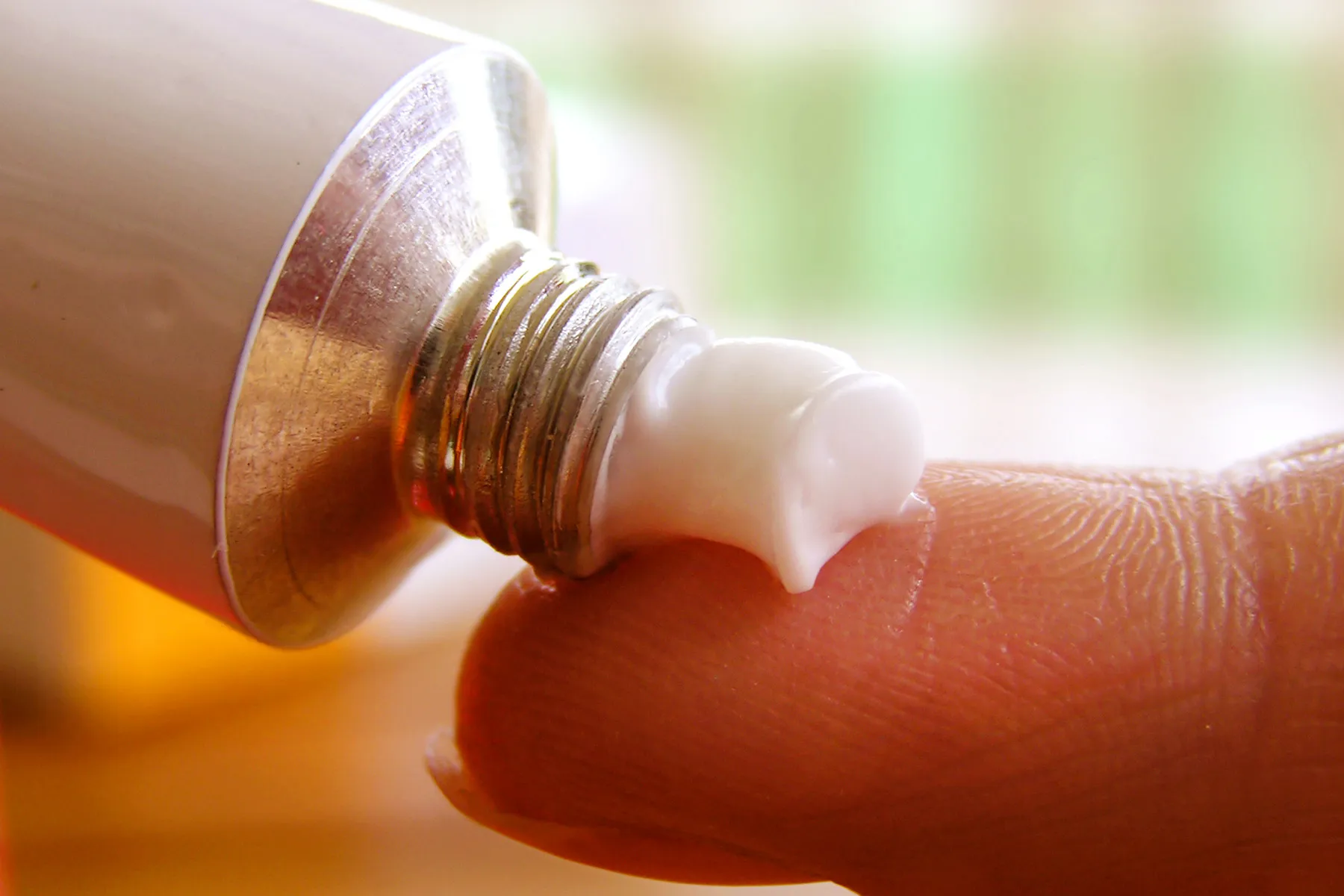
Imiquimod is a prescription immune-response cream. Instead of directly burning the wart, it helps the body’s immune system fight wart tissue. It is commonly used for external genital and perianal warts.
Depending on the strength prescribed, imiquimod may be applied several nights per week or nightly for a limited number of weeks. The treated area is usually washed after several hours, according to the clinician’s instructions. Side effects may include redness, itching, burning, tenderness, swelling, flaking, sores, fatigue, or flu-like symptoms.
Imiquimod can weaken condoms and diaphragms while it is on the skin, and it may irritate a partner’s skin. Translation: do not turn treatment night into date night unless your clinician specifically says it is okay.
2. Podofilox Solution or Gel
Podofilox is a prescription treatment that destroys wart tissue. It is applied by the patient at home, usually in cycles: treatment days followed by rest days. This matters because the surrounding genital skin is sensitive, and overuse can turn a small wart problem into a “why is everything angry?” problem.
Podofilox may cause burning, itching, pain, inflammation, or erosion at the application site. It should only be used exactly as prescribed and only on warts your provider has identified. It is generally not used during pregnancy.
3. Sinecatechins Ointment
Sinecatechins is a prescription ointment made from green tea extract compounds. It is used for external genital warts and perianal warts. It is typically applied several times daily for a set number of weeks.
Common side effects include redness, itching, burning, pain, swelling, sores, or rash. It can also weaken condoms and diaphragms, so sexual contact should be avoided while the ointment is on the skin. Although “green tea” sounds gentle and spa-like, this is still a real medication. Do not freestyle the dosing like you are seasoning soup.
4. Cryotherapy
Cryotherapy freezes genital warts with liquid nitrogen or another freezing agent. It is done by a healthcare provider and may be a good option for small clusters, warts that are easy to reach, or people who prefer not to apply medication at home.
During cryotherapy, you may feel stinging, burning, or aching. Afterward, the wart may blister, scab, shrink, and fall off. Several sessions may be needed. Temporary pain, swelling, skin color changes, or irritation can happen. Cryotherapy is quick, but it is not exactly a day at the beachunless your beach involves liquid nitrogen and paperwork.
5. Trichloroacetic Acid or Bichloroacetic Acid
Trichloroacetic acid, often shortened to TCA, and bichloroacetic acid, known as BCA, are chemical treatments applied by a healthcare provider. They destroy wart tissue by chemically cauterizing it.
These treatments can be useful for small, moist warts and may be used in certain situations during pregnancy when a provider determines it is appropriate. The application can sting or burn briefly. Because the acid can damage healthy skin, this is not a do-it-yourself project. Your bathroom mirror and a bottle of random acid are not a licensed medical team.
6. Electrocautery
Electrocautery uses electric current to burn off wart tissue. It is performed in a clinic or procedure setting, often with local anesthesia. It may be considered for larger warts, resistant warts, or warts in areas where other methods are less practical.
After electrocautery, the area may feel sore, swollen, or tender. Healing time depends on the size and location of the treated area. Patients are usually given aftercare instructions to reduce irritation and lower the risk of infection.
7. Surgical Removal
Surgical excision means a provider removes warts with instruments such as scissors, a scalpel, curette, or other surgical tools. This may sound dramatic, but for some warts, it can be efficient. It is often used for larger warts, warts that block normal function, or warts that have not responded to other treatments.
Local anesthesia is commonly used. There may be mild bleeding, soreness, or temporary swelling afterward. Surgical removal can clear visible warts quickly, but recurrence is still possible because HPV may remain in nearby skin.
8. Laser Treatment
Laser therapy uses focused light energy to destroy wart tissue. It may be considered for extensive, stubborn, internal, or hard-to-treat warts. Laser treatment is usually performed by specialists and may cost more than other options.
Recovery may involve soreness, discharge, crusting, or temporary skin sensitivity. Laser treatment can be effective, but it is not usually the first stop unless the warts are extensive, recurrent, or in a difficult location.
What Not to Use on Genital Warts
Do not use over-the-counter wart removers meant for hands or feet on genital skin. Products containing salicylic acid or freezing chemicals for common warts can badly irritate or injure genital tissue. Also avoid home remedies such as apple cider vinegar, tea tree oil, garlic, bleach, toothpaste, baking soda paste, or “I saw it on a forum” mystery mixtures.
Genital skin is delicate. A treatment that seems “natural” can still cause burns, sores, allergic reactions, and infections. Nature made poison ivy too; natural does not always mean friendly.
What to Expect During Treatment
Most genital warts treatment takes time. Prescription creams may require weeks of consistent use. Clinic treatments may require repeat visits. Warts can shrink gradually, change color, crust, blister, or fall away depending on the treatment method.
Mild irritation is common, but severe pain, heavy bleeding, pus, fever, spreading redness, or open sores that worsen should be reported to a healthcare provider. Patients should also ask when it is safe to resume sex, whether condoms should be used, and how to protect healing skin from friction.
How Long Does Genital Warts Treatment Take?
Some warts improve after one clinic treatment. Others need several weeks or months. Many topical therapies are used for up to 8 to 16 weeks, depending on the medication. Provider-administered treatments such as cryotherapy or TCA may be repeated weekly or every few weeks.
If there is little or no improvement after several treatments, your clinician may suggest switching methods, combining treatments, checking the diagnosis again, or referring you to a specialist. Lack of response does not mean you did anything wrong. Warts can simply be stubborn, like tiny dermatologic toddlers refusing bedtime.
Can Genital Warts Come Back?
Yes. Recurrence is common, especially within the first few months after treatment. This happens because treatment removes visible warts but may not remove HPV from nearby skin. The immune system often suppresses the virus over time, but there is no guaranteed clock.
Recurrence does not automatically mean a partner cheated or that you were newly exposed. HPV can remain silent for weeks, months, or even longer before visible warts appear. This timing is one reason partner conversations should be handled with facts, not courtroom energy.
Sex, Partners, and Transmission
HPV can spread through vaginal, anal, and oral sex, as well as close genital skin-to-skin contact. Condoms and dental dams reduce risk but do not fully eliminate it because HPV can affect skin not covered by a barrier.
It is usually best to avoid sexual contact while medication is on the skin, while the area is painful or open, or while healing after a procedure. After treatment, using condoms can help reduce transmission risk. Partners who have symptoms should be evaluated. Partners without symptoms do not always need treatment, because there is no treatment for HPV itself when there are no visible problems.
HPV Vaccination and Genital Warts Prevention
The HPV vaccine helps protect against HPV types that cause many genital warts and HPV-related cancers. It works best before exposure to HPV, which is why vaccination is routinely recommended for preteens, but many teens and adults who were not vaccinated earlier may still benefit.
The vaccine does not treat existing genital warts, but it may help protect against HPV types a person has not yet acquired. Adults should talk with a healthcare provider about whether vaccination makes sense based on age, sexual history, immune health, and future risk of exposure.
Genital Warts During Pregnancy
Pregnancy can change how genital warts behave. Warts may grow faster, become larger, or bleed more easily due to immune and hormonal changes. Some treatments are not recommended during pregnancy, so it is important to tell your provider if you are pregnant or could be pregnant.
Most people with genital warts can still have a vaginal delivery. In rare cases, very large warts may block the birth canal or cause significant bleeding, and a clinician may discuss special management. Never self-treat genital warts during pregnancy.
When to See a Healthcare Provider
Make an appointment if you notice new bumps, growths, itching, bleeding, pain, unusual discharge, sores, or changes in the genital or anal area. You should also seek care if you are pregnant, immunocompromised, living with HIV, unsure whether the bumps are warts, or if previous treatment has not worked.
Emergency care is rarely needed for genital warts, but severe pain, heavy bleeding, fever, rapidly spreading redness, or signs of infection after treatment should be evaluated promptly.
FAQs About Genital Warts Treatment
Can genital warts be cured permanently?
Visible genital warts can be removed or treated, but HPV itself cannot be instantly cured with medication. In many people, the immune system controls the virus over time. Warts may never return, or they may recur.
Are genital warts dangerous?
Genital warts are usually not dangerous, but they can be uncomfortable, emotionally stressful, and contagious. Because some HPV types are linked to cancer, routine screening and vaccination remain important.
Can I treat genital warts at home?
You can use prescription treatments at home if a healthcare provider prescribes them and explains how to apply them. Do not use drugstore wart removers or home remedies on genital skin.
Will treatment stop HPV from spreading?
Treatment removes visible warts and may reduce the amount of affected tissue, but HPV can still be present in surrounding skin. Condoms, dental dams, vaccination, and avoiding sex during outbreaks or treatment can help reduce risk.
Should I tell my partner?
Yes, honest communication is recommended. Keep it factual and calm: genital warts are common, treatable, and may appear long after exposure. This is a health conversation, not a courtroom drama.
Can shaving spread genital warts?
Shaving may irritate the skin and potentially spread wart tissue to nearby areas. If you have active warts, consider pausing shaving or trimming carefully until you speak with a clinician.
Do genital warts mean cancer?
No. Most genital warts are caused by low-risk HPV types that are not the main cancer-causing types. However, a person can have more than one HPV type, so regular recommended screening is still important.
Real-World Experiences: What Genital Warts Treatment Often Feels Like
Many people describe the hardest part of genital warts treatment as the emotional beginning: noticing a bump, worrying it is something serious, searching symptoms online, and then spiraling through every possible worst-case scenario before breakfast. That first stage can feel lonely, but it is also extremely common. Healthcare providers see genital warts regularly. To them, this is not shocking, scandalous, or headline-worthy. It is a treatable skin condition caused by a common virus.
A typical experience starts with uncertainty. Someone may notice a small bump while showering, shaving, using the bathroom, or having sex. It may not hurt. It may itch a little. It may look like a skin tag, pimple, or tiny cauliflower floret. Because genital skin has normal bumps and glands, self-diagnosis can be tricky. Many patients feel relieved after the exam simply because they finally know what they are dealing with.
The next experience is decision-making. Some people choose watchful waiting if the warts are small and not bothersome. Others want treatment immediately because the anxiety feels bigger than the wart itself. Neither response is silly. Personal comfort matters. A wart that is medically minor can still feel emotionally loud.
People using prescription creams often say the routine is the real challenge. You may need to apply medicine at night, wash it off later, avoid sex while it is on the skin, and tolerate redness or irritation. Progress can be slow. One week the wart looks unchanged; the next week it shrinks slightly; then the skin gets irritated and you wonder whether anything is working. This is why clear instructions and follow-up matter. Treatment is not always a straight line. Sometimes it is more like two steps forward, one itchy step back.
People who choose clinic procedures often appreciate the speed. Cryotherapy, TCA, electrocautery, or removal may feel more direct: arrive with wart, leave with wart treated. But procedures can still require multiple sessions, and the skin may be tender afterward. Patients may need to avoid friction, tight clothing, sex, or harsh soaps while healing. Loose underwear suddenly becomes the hero of the story.
Another common experience is fear of recurrence. A wart returning after treatment can feel discouraging, but recurrence does not mean failure. It often means HPV is still active in nearby skin. Many clinicians adjust the treatment plan rather than treating recurrence as a disaster. A second method, combination approach, or longer follow-up may help.
Partner conversations can be awkward, but they usually go better when they are simple and factual. A helpful script might be: “I was diagnosed with genital warts, which are caused by a common type of HPV. I’m getting treatment, and I wanted to let you know so we can make informed decisions.” That is enough. You do not need a dramatic monologue, a slide deck, or background music.
Finally, many people report that the experience becomes less frightening once they understand the basics: genital warts are common, treatment is available, HPV can be managed, and having an STI does not define your character. The goal is not shame. The goal is care, comfort, prevention, and getting your skin back to minding its own business.
Conclusion
Genital warts treatment is not one-size-fits-all. The most effective option depends on where the warts are, how many there are, whether you are pregnant, how sensitive your skin is, and whether you prefer home treatment or clinic procedures. Prescription creams such as imiquimod, podofilox, and sinecatechins can work well for some external warts, while cryotherapy, TCA, electrocautery, surgery, and laser therapy may be better for others.
The biggest takeaway is simple: do not panic, do not self-burn your skin with internet remedies, and do not assume the worst. Genital warts are treatable, recurrence is common but manageable, and prevention tools such as HPV vaccination and barrier protection can reduce future risk. A healthcare provider can help confirm the diagnosis, choose the safest treatment, and guide you through healing with far less drama than your search history may suggest.