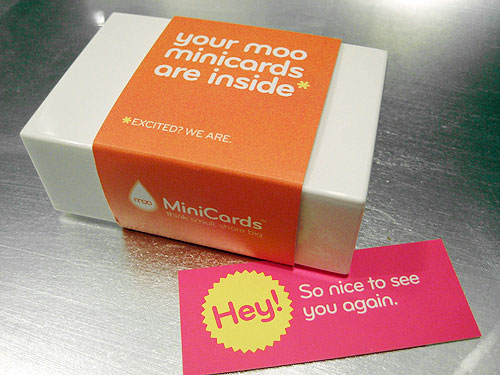
Some freebies arrive with the emotional weight of a soggy coupon. Others make you pause, tilt your head, and say, “Wait, why is this tiny rectangle making me feel more organized?” That is the charm of Moo Minis, better known as MOO MiniCards: small, slim business cards that behave like pocket-sized brand ambassadors. They are not just “cute little cards,” although yes, they are aggressively cute. They are also practical, memorable, and surprisingly useful for creatives, small business owners, freelancers, makers, photographers, event hosts, and anyone who has ever tried to share contact information while juggling coffee, keys, and mild social panic.
The “fab freebie” angle usually points people toward MOO’s free sample packs or promotional offers. MOO’s sample packs are designed to let you touch and compare paper stocks, finishes, and print quality before placing a paid order. The important detail: sample packs are typically pre-printed for demonstration, not custom proof sets with your own logo. Still, they are incredibly helpful if you want to see whether MOO’s premium feel matches your brand before you commit your hard-earned marketing budget.
In this guide, we will look at what Moo Minis are, why they stand out, how to use a free sample wisely, and how to design mini business cards that do not look like someone shrank your résumé in a panic.
What Are Moo Minis?
Moo Minis are slim mini business cards from MOO, a print company known for polished paper products, bold design options, and a feature called Printfinity, which allows multiple designs within one pack. The MiniCard size is narrow and compact, roughly half the height of a traditional business card. That unusual shape is the whole point. It instantly feels different in the hand, and different is valuable when your card is sitting in a pile of standard rectangles.
Instead of trying to be a full-size business card, Moo Minis embrace their small format. They work best when the message is focused: your name, brand, website, handle, QR code, short tagline, or one memorable image. Think of them as the espresso shot of printed marketing. Small cup, big energy.
Why the “Fab Freebie” Is Worth Paying Attention To
A free sample pack is not just free paper. It is research you can hold. For small business owners and solo creators, ordering printed materials can feel oddly high stakes. The design looks perfect on screen, then the final product arrives and suddenly your elegant soft gray text has the readability of a ghost whisper. A sample pack helps you understand paper thickness, coating, finish, color behavior, and overall presentation before you order custom cards.
MOO’s free sample option is especially useful because print decisions are tactile. You cannot fully judge matte versus gloss, standard versus luxe, or smooth versus uncoated from a product photo. Your fingers have opinions, and they deserve a vote.
The freebie also helps answer a practical branding question: does your business need a traditional card, or would a mini format make a stronger impression? If you are a photographer, illustrator, boutique owner, florist, baker, designer, jewelry seller, wedding vendor, or event planner, the mini format can make your card feel collectible rather than disposable.
What Makes MOO MiniCards Different?
1. The Size Is Unusual in a Good Way
The slim format immediately breaks the pattern of standard business cards. That makes Moo Minis useful at networking events, trade shows, pop-up shops, craft fairs, conferences, and client meetings. When someone receives five cards in one afternoon, the mini card is the one they are likely to notice later. It is the marketing equivalent of wearing a tasteful hat: not too loud, but definitely remembered.
2. They Are Great for Visual Brands
MiniCards shine when they feature photography, artwork, product images, patterns, textures, or bold color. A full-bleed image can turn a tiny card into a tiny portfolio. For photographers, tattoo artists, ceramicists, stylists, interior designers, food makers, and illustrators, that visual-first approach can communicate quality faster than a paragraph ever could.
3. Printfinity Makes Each Card Feel Fresh
One of MOO’s signature advantages is Printfinity, which allows a pack to include many different image or design variations. Instead of ordering one card design 100 times, you can create a series. A photographer might use 20 portfolio images. A bakery might show different cakes. A jewelry seller might feature multiple pieces. A consultant might create cards with different tips, quotes, or service categories.
This turns a business card from “Here is my contact information” into “Here is a little sample of what I do.” That shift is small but powerful.
4. They Can Do More Than Share Contact Details
Moo Minis are often marketed as mini business cards, but their usefulness stretches much further. They can work as product hang tags, thank-you inserts, loyalty cards, mini bookmarks, appointment reminders, packaging cards, event drink tokens, discount cards, save-the-date reminders, QR code cards, gift tags, or tiny art prints. Basically, if you have ever thought, “I need a small branded thing,” Moo Minis raise their tiny hand.
Who Should Try Moo Minis?
Freelancers can use them as lightweight networking cards that do not feel corporate or stiff. A writer might include a short line like “Words that sell without sounding like a robot.” A designer might show a pattern or layout sample. A consultant might use the back for a QR code linking to case studies.
Artists and photographers can use different images across a pack, turning every card into a miniature portfolio piece. This is particularly useful at gallery openings, art markets, and portfolio reviews where visual impact matters.
Retail brands and makers can place Moo Minis inside packages as thank-you cards, care cards, or reorder reminders. A candle maker could include burn tips. A jewelry brand could add care instructions. A soap maker could list scent notes. The card does not just carry information; it adds polish to the unboxing moment.
Event professionals can use mini cards as place cards, raffle entries, vendor cards, small signage, or social media prompts. Because they are compact, they fit easily into envelopes, gift bags, table settings, and registration packets.
Personal brands can use Moo Minis to feel more intentional. Musicians, speakers, coaches, stylists, podcasters, creators, and educators can all benefit from a physical reminder that points people back to a website, booking page, newsletter, or social profile.
How to Use the Free Sample Pack Like a Smart Shopper
The biggest mistake is treating a sample pack like a novelty. Yes, open it. Yes, admire the paper. Yes, let yourself say “ooh” like you just discovered fancy hotel soap. But then use it strategically.
Compare Paper Feel
Hold each sample and ask what it communicates. Glossy finishes can feel vibrant and energetic. Matte finishes can feel modern and understated. Thicker uncoated stocks can feel premium, tactile, and boutique. The right choice depends on your brand personality. A playful sticker shop and a luxury wedding planner should not necessarily use the same finish.
Look at Color and Contrast
Printed color behaves differently from screen color. Samples help you understand how rich dark backgrounds look, how readable small text appears, and whether subtle colors still have enough contrast. MiniCards have limited space, so readability matters. If your audience needs a magnifying glass, redesign before they send you an invoice for eye strain.
Test the Card in Real Situations
Put a sample in your wallet, pocket, purse, shipping box, or display stand. Does the size feel convenient? Does it get lost? Does it stand out? Would it work better as a product insert than a traditional networking card? Real-world testing beats imaginary perfection every time.
Design Tips for Moo Minis That Actually Work
Keep the Message Ruthlessly Simple
A mini card is not the place for your biography, mission statement, service menu, origin story, and childhood dream of owning a laminator. Choose the essentials. Usually, that means name, brand, website or QR code, and one clear call to action.
Good examples include:
- “Scan for my portfolio.”
- “Book your tasting.”
- “See the full collection.”
- “Follow for weekly design tips.”
- “Bring this card for 10% off your first order.”
Use Both Sides Wisely
The front can carry the emotional hook: image, pattern, logo, product photo, or bold phrase. The back can carry the practical details: contact information, website, QR code, or offer. Separating beauty from utility keeps the card clean and easy to read.
Make One Element the Star
Small cards need hierarchy. Pick one hero: a photo, a logo, a headline, or a QR code. Everything else should support that hero. If every element is shouting, the card becomes a tiny committee meeting, and nobody enjoys those.
Do Not Fear White Space
White space is not wasted space. It is breathing room. On a small card, breathing room is essential because cramped design looks cheaper than it should. A simple layout with strong margins often feels more premium than a design packed with decorative chaos.
Use QR Codes Carefully
QR codes are helpful, but they need enough room to scan. Before ordering, print a rough version at actual size and test it with your phone. The best QR code destination is specific: a portfolio page, booking page, menu, product collection, newsletter signup, or limited-time offer. Sending people to a generic homepage is fine, but sending them to the exact next step is better.
Creative Ways to Use Moo Minis
Mini portfolio cards: Use a different image on each card to show variety. This is ideal for photographers, painters, illustrators, tattoo artists, makeup artists, and interior designers.
Product care cards: Add washing instructions, jewelry care tips, candle safety reminders, plant care notes, or food storage guidance. Customers appreciate useful details, especially when they look good.
Thank-you inserts: A small thank-you card can make an online order feel personal. Include a message, reorder link, or social media handle.
Loyalty cards: A mini card can work as a punch card or discount reminder. Coffee shops, bakeries, nail studios, salons, and local service providers can use this format well.
Event cards: Use them as table prompts, favor tags, raffle tickets, drink tokens, or tiny schedules. They are easy to tuck into welcome bags or place settings.
Bookmark promos: Authors, bookstores, coaches, teachers, and course creators can use Moo Minis as mini bookmarks with a QR code to a reading list, free chapter, or sign-up page.
Are Moo Minis Better Than Standard Business Cards?
Not always. Standard business cards still win when you need more room for multiple phone numbers, credentials, addresses, appointment lines, or detailed service information. Attorneys, medical offices, real estate teams, and corporate professionals may prefer a traditional format because it feels familiar and leaves more space for practical details.
Moo Minis win when memorability matters more than space. They are best for brands that can communicate with fewer words and stronger visuals. If your brand personality is creative, modern, boutique, playful, visual, handmade, or design-focused, MiniCards can feel more aligned than a standard card.
The smartest choice is not “mini versus standard.” It is “what should this printed piece accomplish?” If the goal is to introduce, delight, and direct someone to a next step, Moo Minis are excellent. If the goal is to list seven departments and three fax numbers, first of all, condolences. Second, go standard.
Common Mistakes to Avoid
Trying to Fit Too Much Text
MiniCards punish clutter quickly. Use short words, short lines, and strong contrast. If you need to explain everything, send people to a landing page instead.
Using Low-Resolution Images
Because MOO MiniCards are small, people sometimes assume any image will work. Not true. Low-resolution images can still print poorly. Use crisp, high-quality artwork and follow template guidelines.
Forgetting the Bleed Area
If your design uses background color or full-bleed photography, extend the artwork beyond the trim line according to the printer template. Otherwise, you may get tiny white edges. Nobody wants accidental border drama.
Making the QR Code Too Tiny
QR codes need enough space and contrast. Test before ordering. A QR code that does not scan is just modern confetti.
Ignoring the Audience
A cool card is only effective if it makes sense for the person receiving it. A neon mini card may be perfect for a streetwear brand and completely wrong for a grief counselor. Design for recognition, not random applause.
Experience Notes: What Using Moo Minis Feels Like in Real Life
The first thing you notice about Moo Minis is the reaction. People do not receive them the same way they receive ordinary business cards. With a standard card, the usual response is a polite nod and a quick tuck into a pocket. With a mini card, there is often a tiny pause. Someone flips it over. They ask, “Oh, this is cutewhat is this?” That small moment matters because it opens a conversation. In marketing, attention is the doorbell. Moo Minis ring it without sounding desperate.
At a market or event table, mini cards work especially well when they are displayed in a little tray, cup, or stand. They invite people to pick them up. If the cards feature different images, visitors may even sort through them to choose a favorite. That creates interaction before a sale ever happens. A customer choosing between three tiny product photos is already spending time with your brand, and time is one of the hardest things to earn.
For online sellers, Moo Minis can make packaging feel more deliberate. Imagine opening a handmade necklace order and finding a small card with care tips, a thank-you message, and a QR code to matching pieces. It feels less like “shipping contents” and more like a brand experience. The card is small enough not to overwhelm the package but polished enough to show that someone thought about the details. That is where mini print materials shine: they make tiny gestures feel intentional.
They are also handy for people who dislike carrying bulky card cases. A few MiniCards fit easily in a wallet, notebook pocket, camera bag, or phone pouch. That makes them useful for spontaneous networking. You may not be planning to pitch your work at a coffee shop, but if someone asks what you do, having a neat little card is better than spelling your Instagram handle aloud while the espresso machine screams in the background.
The main limitation is space. You have to be disciplined. A Moo Mini forces you to decide what matters most. This can feel annoying at first, but it is actually useful branding therapy. If you cannot explain the next step in one short line, the card is not the problem. The message needs trimming. A good MiniCard should tell people who you are, why they should care, and where to go next. Anything beyond that can live online.
Another practical experience: people are more likely to keep a mini card if it has a second use. A beautiful image, discount code, care instruction, tiny checklist, or bookmark-style design gives the recipient a reason not to toss it. The best Moo Minis do not behave like ads. They behave like useful little objects that happen to carry your brand.
If you are testing them for the first time, start with one clear purpose. Do not design one card to be a business card, coupon, product catalog, mission statement, and emotional support rectangle. Choose a goal: drive portfolio visits, encourage reorders, promote a launch, collect email signups, or elevate packaging. Then design around that goal. That is how a fab freebie becomes more than a cute sample. It becomes the first draft of a smarter, smaller, more memorable marketing tool.
Conclusion
Fab Freebie: Moo Minis is more than a catchy title. It is a reminder that small print pieces can do big branding work when they are designed with purpose. MOO MiniCards stand out because they are compact, tactile, customizable, and memorable. The free sample pack is a smart way to judge paper quality and finishes before buying, while the MiniCard format itself is ideal for creatives, makers, small businesses, event professionals, and personal brands that want something more distinctive than a standard card.
The golden rule is simple: do not shrink a normal business card and hope for magic. Design for the mini format. Use fewer words, stronger visuals, clear contrast, and one obvious next step. Whether you use Moo Minis as mini business cards, thank-you inserts, product tags, loyalty cards, or tiny portfolio pieces, they can help your brand feel more polished, more personal, and a little more fun.
Note: This article was prepared using current publicly available product information about MOO MiniCards, MOO sample packs, print design practices, and small business branding guidance. External source links have been intentionally omitted for clean web publishing.