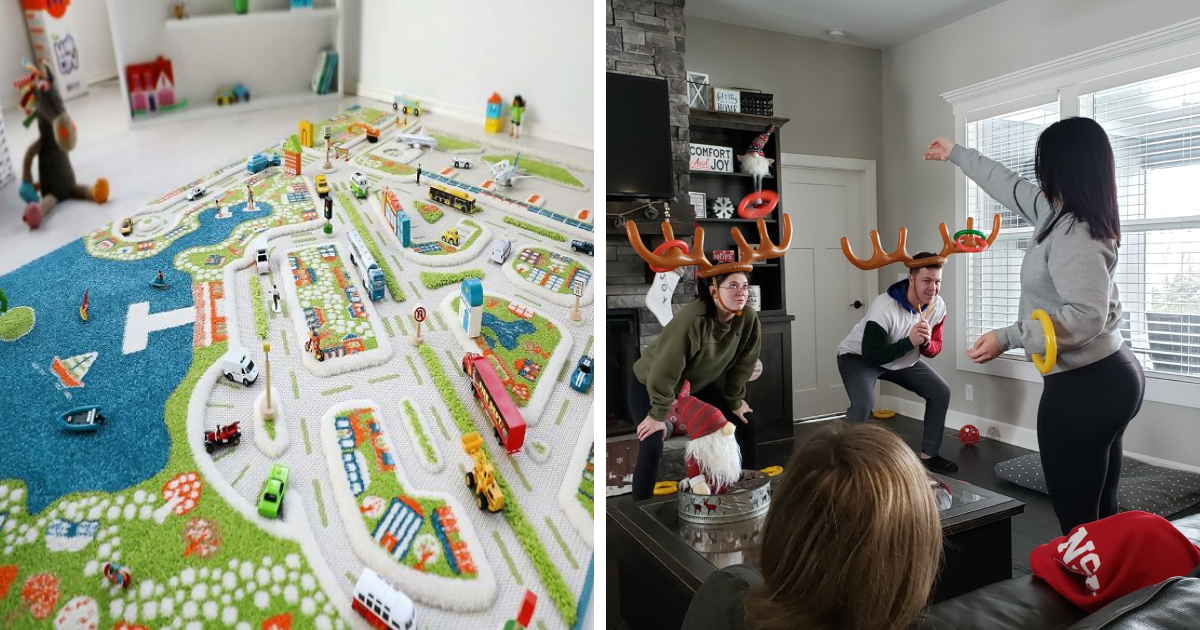
Christmas break sounds magical in theory: twinkly lights, cozy pajamas, hot cocoa, and children quietly reading beside the tree like tiny Victorian angels. Then reality arrives wearing sticky socks and yelling, “I’m bored!” before 8:04 a.m.
If you are a parent, grandparent, babysitter, aunt, uncle, or adult currently hiding in the pantry with a cookie, this guide is for you. The goal is not to create a picture-perfect holiday schedule worthy of a lifestyle magazine. The goal is simpler and nobler: keep kids meaningfully busy, reduce screen-time battles, protect everyone’s sanity, and maybejust maybelet you hear yourself think this Christmas break.
The best Christmas break activities for kids are easy to set up, flexible for different ages, and interesting enough to last longer than the time it takes you to pour coffee. This list blends indoor activities, outdoor play, creative projects, learning games, holiday crafts, movement breaks, and independent play ideas that feel festive without requiring you to become a full-time cruise director in fuzzy slippers.
Why Kids Get So Restless During Christmas Break
School breaks disrupt routines. Kids are suddenly home all day, expectations are high, sugar is everywhere, bedtime becomes a polite suggestion, and parents are trying to work, cook, clean, host, shop, wrap, and remember where they hid the tape. Children often act out not because they are trying to ruin the holidays, but because they need structure, movement, novelty, and connection.
A simple plan can help. You do not need to schedule every minute. In fact, overscheduling can make everyone crankier. Instead, create a “menu” of activities kids can choose from. Give them a mix of independent options, family activities, quiet projects, active play, outdoor time, and a few special holiday moments. Think of it as a snack tray for the brain.
25 Christmas Break Activities That Keep Kids Busy
1. Make a Christmas Break Activity Jar
Start with the easiest boredom-buster: let the kids help make the boredom-buster. Write activities on slips of paper and place them in a jar. Include simple ideas like “build a blanket fort,” “draw a winter animal,” “make a snack plate,” “write a joke,” or “do 20 jumping jacks.” When boredom hits, they pull one slip. Suddenly, you are not the entertainment departmentthe jar is. Congratulations, jar.
2. Set Up a Holiday Craft Station
Gather paper, markers, glue sticks, safety scissors, cotton balls, ribbon scraps, stickers, cardboard tubes, and leftover wrapping paper. Put everything in a bin and call it the “North Pole Workshop.” Kids can make cards, ornaments, paper snowflakes, gift tags, or strange little creatures that may or may not be reindeer. The key is to keep supplies accessible and expectations low. The glitter may be powerful, but so are you.
3. Create a Cardboard Box Village
Every holiday home eventually has boxes. Instead of recycling them immediately, turn them into a village. Kids can build shops, houses, a post office, a bakery, or Santa’s satellite office. Add crayons, tape, and toy figures. Older kids can design signs, menus, maps, and pretend money. This is imaginative play, writing practice, engineering, and free entertainment wearing a cardboard hat.
4. Host a Living Room Obstacle Course
When kids need movement but the weather is miserable, build a safe indoor obstacle course. Use pillows to hop across, painter’s tape for balance lines, chairs to crawl under, and stuffed animals as “lava guards.” Time each round, add silly challenges, or let kids redesign the course. Active play burns energy and can reset a grumpy afternoon faster than another lecture about “using inside voices.”
5. Try a Winter Scavenger Hunt
Scavenger hunts work indoors or outdoors. Give kids a list: something red, something soft, something sparkly, something shaped like a circle, something that makes noise, something that reminds you of winter. For outdoor versions, search for pinecones, animal tracks, interesting leaves, smooth stones, or holiday decorations. Add clipboards and suddenly they are researchers. Tiny, mittened researchers.
6. Bake Something Simple Together
Baking keeps kids busy because it includes measuring, mixing, decorating, waiting, and eating. Choose forgiving recipes: sugar cookies, muffins, brownies, cereal treats, or no-bake holiday snacks. Younger kids can stir and sprinkle. Older kids can read the recipe, measure ingredients, and clean up. Yes, flour may appear in places flour should never appear, but baking builds confidence and creates memories that smell like vanilla.
7. Make a “Quiet Time” Book Basket
Christmas break does not need to be loud all day. Create a cozy basket with winter books, comics, magazines, joke books, picture books, and audiobooks. Add a blanket and a timer. Even 20 minutes of quiet reading or listening can help children decompress. For reluctant readers, include search-and-find books, graphic novels, recipe books, or joke collections. Reading still counts when it makes them laugh so hard they snort.
8. Build a Puzzle and Game Zone
Puzzles, memory games, building sets, card games, and board games are classic for a reason: they occupy hands and brains. Keep a few age-appropriate choices visible. For younger kids, choose large-piece puzzles and matching games. For older kids, try strategy games, logic puzzles, or cooperative games. If sibling arguments erupt, switch to solo puzzles before the board game becomes a legal proceeding.
9. Start a Holiday Lego or Block Challenge
Give kids daily building prompts: build Santa’s sleigh, a snow fort, a candy shop, a robot elf, a winter zoo, or the world’s most dramatic gingerbread mansion. Set a timer for 30 minutes and let them present their creations. This encourages planning, problem-solving, storytelling, and independent play. Bonus: stepping on blocks builds parental character, though not in a way anyone requested.
10. Create a Mini Art Gallery
Invite kids to create winter-themed artwork, then display it on a hallway wall, fridge, or string with clothespins. Give prompts like “draw your dream snow day,” “paint a silly snowman,” or “design a new holiday sweater.” Add artist labels with titles and names. At the end of the week, hold a gallery walk with snacks. Children love seeing their work treated as important, and your hallway gets a seasonal upgrade.
11. Make DIY Wrapping Paper
Roll out plain kraft paper, newspaper, or the blank side of paper grocery bags. Let kids stamp, draw, paint, or sticker their own wrapping paper. Use cookie cutters as stencils or potatoes as stamps if you are feeling brave and slightly pioneer-like. This keeps kids busy while producing something useful. Grandparents especially love gifts wrapped in child-made paper, even when the snowflakes look suspiciously like potatoes.
12. Plan a Kid-Friendly Cleaning Mission
Children are often more willing to help when chores feel like missions. Give them a basket and a task: collect stray toys, match socks, sort books, wipe baseboards, organize art supplies, or gather items to donate. Set music and a timer. A 15-minute “holiday reset” can clear clutter and give kids a sense of responsibility. Keep tasks realistic; nobody needs a seven-year-old reorganizing the tax documents.
13. Set Up a Pretend Play Prop Box
Fill a box with scarves, hats, old notebooks, play money, measuring cups, menus, envelopes, bags, and safe household items. Kids can play restaurant, post office, doctor’s office, bakery, travel agency, or winter market. Pretend play supports language, problem-solving, social skills, and creativity. It also explains why your child may charge you $47 for invisible soup.
14. Try Kitchen Table Science
Simple science experiments are perfect Christmas break activities for curious kids. Try baking soda and vinegar fizz, sink-or-float tests, ice melting races, paper airplane experiments, magnet hunts, or homemade slime if your tolerance level is high. Ask kids to predict what will happen, observe results, and explain their thinking. You do not need a lab coat, although wearing one would make snack time much more official.
15. Create a Daily Drawing Prompt
Drawing prompts are quick, quiet, and portable. Write ideas on cards: “a penguin at a party,” “Santa’s pet dragon,” “a snowman on vacation,” “your dream bedroom,” or “a robot that wraps presents.” Kids can draw one each day and collect them in a folder. This is especially helpful during meal prep, work calls, or any moment when you need the house to stop sounding like a marching band fell down the stairs.
16. Build a Blanket Fort Reading Camp
Blanket forts transform ordinary rooms into adventure zones. Provide blankets, pillows, flashlights, books, stuffed animals, and maybe a snack. Kids can read, whisper, draw maps, or pretend they are snowed in. The magic of a fort is that children will do the same activities they refused to do in open air, simply because there is a sheet over their heads. Architecture matters.
17. Schedule Outdoor Play, Even in Small Doses
Outdoor play helps children move, explore, and reset their mood. Even cold-weather walks, playground visits, snow play, backyard races, chalk drawing, or nature collecting can make a difference. Bundle everyone up and aim for manageable chunks rather than epic expeditions. A 20-minute fresh-air break can save an entire afternoon from becoming a festival of whining.
18. Make a Holiday Movie Ticket System
Screens are not the enemy; chaos is. Create a simple movie ticket system for planned screen time. Kids can “earn” or choose a ticket after outdoor play, reading, chores, or creative time. Make it cozy with popcorn, pajamas, and a clear start and stop time. This turns screens into a special event instead of an all-day negotiation hosted by tiny attorneys.
19. Create a Family Kindness Challenge
Holiday activities do not have to be all crafts and cookies. Make a kindness checklist: draw a picture for a neighbor, donate gently used toys, write a thank-you note, help set the table, call a relative, or leave a cheerful note for the mail carrier. Kids stay busy while learning empathy and gratitude. Also, nothing says “holiday spirit” like a child proudly announcing they were nice on purpose.
20. Start a Simple Winter Journal
Give each child a notebook for Christmas break. Prompts can include “Today I noticed…,” “My favorite holiday smell is…,” “If I owned a toy shop…,” or “The funniest thing that happened this week was…” Younger kids can draw instead of write. Journaling builds reflection and literacy skills without feeling like homework. Keep it casual; spelling perfection can stay on vacation too.
21. Make a Snack Board They Can Build Themselves
Kids love activities they can eat. Set out crackers, cheese, fruit, pretzels, vegetables, hummus, yogurt dip, or small sandwiches and let them design snack boards. Older kids can slice soft foods with kid-safe tools. Younger kids can sort colors and shapes. It is part meal prep, part art project, and part strategy to avoid hearing “Can I have a snack?” every six minutes until February.
22. Set Up a Music and Dance Break
Create a playlist of kid-friendly holiday songs, dance tracks, or silly classics. Then announce a five-song dance party. Add freeze dance, musical statues, scarf dancing, or a “copy my move” game. This is one of the fastest ways to change the mood in a room. It also gives adults a chance to demonstrate dance moves that should perhaps remain undocumented.
23. Let Kids Plan a Theme Day
Theme days make ordinary time feel special. Try pajama day, backward day, red-and-green day, snowman day, indoor picnic day, book character day, or “restaurant at home” day. Let kids help plan the clothes, food, activity, and decorations. This gives them ownership and turns a long break into smaller, more exciting chapters.
24. Make a “Build Your Own Board Game” Project
Older kids can spend hours designing a board game. Give them cardboard, markers, dice, buttons for game pieces, and a few rules to consider: How do players move? How do they win? What happens if they land on a special space? Younger kids can help decorate. When the game is finished, play it together. Expect rule changes, dramatic debates, and at least one space labeled “Go back because a reindeer sneezed.”
25. Create a Calm-Down Corner
Christmas excitement can be overwhelming. Set up a calm corner with pillows, books, coloring pages, sensory toys, headphones, soft music, or a small basket of quiet activities. This is not a punishment spot. It is a reset space. Teach kids that everyone needs breaks, including grown-ups who have answered 19 questions about dessert before lunch.
How to Make These Activities Work Without Exhausting Yourself
Use Rotations Instead of Doing Everything at Once
Do not put out every craft, toy, puzzle, and activity on day one. That creates clutter and instant boredom. Rotate bins every few days so old toys feel new again. Keep a few “emergency activities” hidden for desperate moments, such as a work meeting, a long phone call, or the mysterious hour before dinner when everyone becomes emotionally fragile.
Balance Quiet, Active, Creative, and Helpful Activities
A strong Christmas break routine includes four types of activities: quiet time, movement, creativity, and contribution. For example, a day might include outdoor play, craft time, lunch help, reading, and a movie. This balance helps kids use different kinds of energy and prevents the entire day from collapsing into couch crumbs and negotiations.
Give Kids Choices, Not Unlimited Freedom
Instead of saying, “What do you want to do?” try offering two or three choices: “Do you want to build a fort, make cards, or do a scavenger hunt?” Choices give children control without overwhelming them. Unlimited options often lead to decision paralysis, which looks a lot like lying on the floor making seal noises.
Lower the Bar and Protect the Mood
The best holiday activities for kids are not always the prettiest. A lopsided ornament is still a success. A messy science experiment still counts. A ten-minute dance party can be enough. The goal is engagement, not perfection. Christmas break is not a test of your ability to produce cinematic family memories every afternoon. It is a stretch of time to connect, reset, play, and survive with humor intact.
Real-Life Experience: What Actually Works During Christmas Break
In real family life, the activities that work best are usually the ones that do not require a shopping trip, a printer, or an adult with the emotional stamina of a summer camp counselor. Children often stay busy longest when the activity is open-ended. A craft with one “correct” result may last 12 minutes. A bin of scraps, glue, boxes, stickers, and the instruction “make something for the elf museum” can last an hour.
One practical lesson: prepare the environment before announcing the activity. If you say, “Who wants to bake cookies?” before finding the ingredients, locating the baking sheet, and clearing the counter, you have created a waiting room full of excited children. That waiting room will quickly become a wrestling arena. Set up first, invite second.
Another helpful trick is the “start together, continue alone” method. Spend five to ten minutes launching the activity with your child. Build the first part of the fort, draw the first silly creature, read the first page, or help write the first scavenger hunt clue. Once they are engaged, step back. Many kids resist starting alone but can continue independently once their imagination catches the spark.
For siblings, teamwork sounds beautiful until one child declares themselves Supreme Commander of All Pillows. To prevent conflict, give each child a role. One is the builder, one is the decorator, one is the timer, one is the photographer, one is the snack manager. Roles reduce arguing because everyone has a job. Rotate roles if necessary, especially if “snack manager” becomes too powerful.
Parents working from home during Christmas break may need a more strategic setup. Create three bins: quiet, creative, and active. Quiet might include books, puzzles, stickers, and drawing prompts. Creative might include cardboard, paper, tape, and craft supplies. Active might include balloons, beanbags, balance challenges, or movement cards. Before a meeting, tell kids which bin is available and when you will check in. A visual timer can help children understand waiting better than the phrase “just a minute,” which, to them, means either ten seconds or the entire geological history of Earth.
Screen time can also be handled with less guilt when it is planned. A family movie after outdoor play feels different from accidental four-hour scrolling. The healthiest approach is not always “no screens ever.” It is making sure screens do not replace sleep, movement, reading, conversation, creativity, and free play. Use screens as one tool in the toolbox, not the whole garage.
Finally, remember that boredom is not a parenting failure. Boredom can be the doorway to creativity, if kids are given materials, time, and permission to figure things out. The first five minutes of boredom may be loud. The next twenty may turn into a puppet show, a paper airplane contest, or a cardboard bakery selling muffins for pretend dollars. Give kids a little space to invent their own fun. You may be surprised by what they createand you may even finish your coffee while it is still warm. A Christmas miracle.
Conclusion
Christmas break does not have to feel like a two-week audition for “Most Exhausted Parent in America.” With a mix of indoor activities, outdoor play, crafts, reading, movement, pretend play, simple science, helpful chores, and planned screen time, kids can stay busy in ways that are fun, meaningful, and manageable.
The secret is not having 25 perfect activities ready every morning. The secret is having a flexible list, a few supplies, a sense of humor, and the courage to let kids be a little bored long enough to become creative. Give them structure, give them choices, give them cardboard, and step away slowly. This Christmas break, your kids can stay engagedand you can finally hear yourself think.
Note: Choose activities based on your child’s age, abilities, interests, and safety needs. Supervise crafts, cooking, small objects, outdoor play, and science experiments as appropriate.