Note: This article is a fully rewritten, original SEO article based on real public examples of funny hotel special requests, broader hospitality reporting, and guest-experience industry insights.
There are two kinds of people in this world: those who leave the “special requests” box blank when booking a hotel, and those who see it as a tiny digital doorway into chaos. Most travelers type normal things like “extra towels,” “quiet room,” or “late check-in.” Then there are the legends who write, “Please put a camel in my room,” “I need a horse saying hello,” or “Can you build me a blanket fort with a no-girls sign?”
The shocking part is not that guests asked for ridiculous room requests. The shocking part is that hotels actually delivered. Not always with a real camel, obviouslyfront desk teams have limits, and livestock rarely fits in the elevatorbut with drawings, photos, towel animals, pillow forts, plastic dinosaurs, celebrity portraits, and notes so committed to the bit that they deserve their own loyalty program.
Funny hotel requests have become one of the internet’s most reliable sources of wholesome chaos. They sit at the intersection of travel humor, customer service excellence, and the ancient human urge to ask, “What happens if I type something stupid into this box?” The answer, apparently, is: sometimes a housekeeping team will respond like an improv troupe with a key card.
Why Ridiculous Hotel Room Requests Became Internet Gold
Hotel stays are usually predictable. You check in, pretend you know how the shower works, test the mattress, steal absolutely nothing except maybe a pen, and then judge the entire property based on the strength of the breakfast potatoes. The special request box changes that script. It gives guests one tiny chance to turn a standard reservation into a story.
That is why these stories go viral. They are not just about silly requests. They are about hotel staff choosing to play along. Anyone can ask for a picture of a horse saying “hello.” It takes a special kind of front desk hero to print the horse, position it proudly in the room, and make the guest feel like they have entered a five-star fever dream.
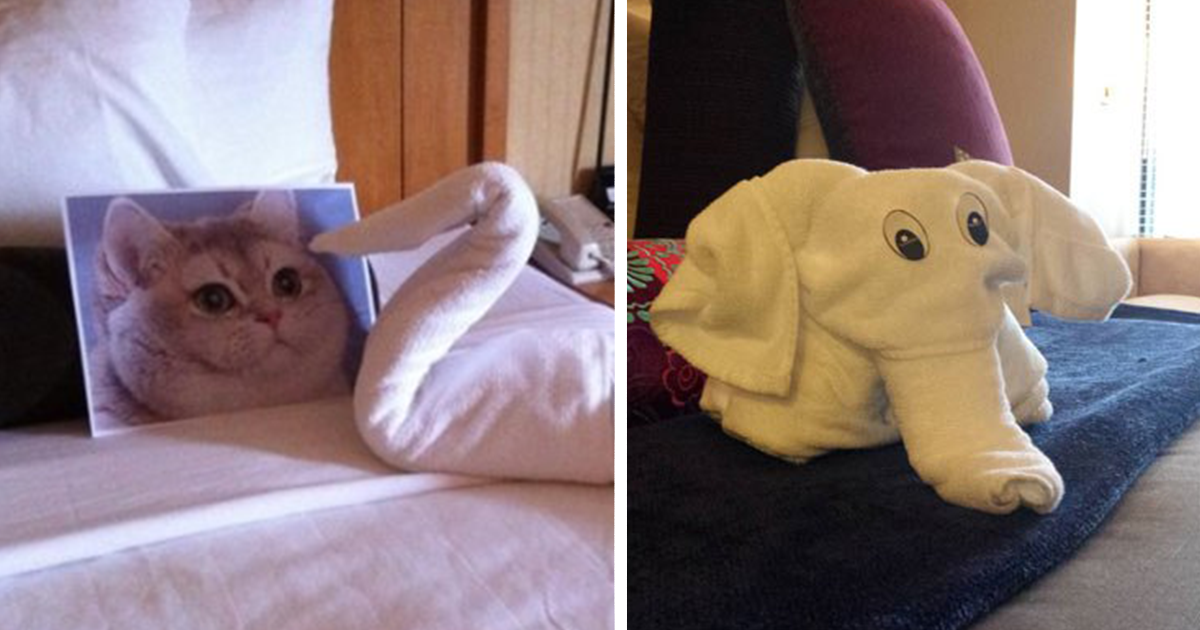
The best examples work because they are harmless. A drawing of a dinosaur? Harmless. A blanket fort? Harmless and frankly luxurious. A framed photo of Nicolas Cage from Con Air beside the bed? Emotionally complicated, but still harmless. These moments remind travelers that hospitality does not have to be stiff, robotic, or wrapped in beige wallpaper. Sometimes excellent service wears a name tag and says, “Sure, we can make the towel look like an elephant.”
The Funniest Hotel Special Requests That Staff Actually Fulfilled
The Camel Request
One of the most memorable examples from the viral hotel-request universe involved a guest asking for a camel in the room. Now, unless the hotel was located inside a desert-themed theme park with a very flexible animal-care policy, a real camel was not happening. But the staff still delivered the spirit of the request. That is the magic of great hotel humor: they do not have to fulfill the request literally to make it unforgettable.
A camel drawing, photo, toy, or clever substitute says, “We saw your joke, and we raised you one housekeeping masterpiece.” It turns the staff from service providers into co-conspirators. The guest walks in expecting a bed and a bathroom. Instead, they get a punchline.
The Horse Saying “Hello”
Another classic request involved a traveler who repeatedly asked hotels for a picture of a horse saying “hello” in the reservation form. Most hotels ignored it. Eventually, one hotel delivered. The joke is simple, but the payoff is beautiful: a guest makes an absurdly low-stakes request, and a staff member decides that today is the day the horse gets a voice.
This is why funny hotel room requests perform so well online. They are tiny customer-service miracles. Nobody needed the horse. Nobody’s vacation depended on the horse. But once the horse appeared, the stay became instantly more memorable than another standard room with a lamp, a chair, and one mysterious switch that controls nothing.
The Blanket Fort With a “No Girls” Sign
Few hotel requests capture childish joy better than a blanket fort. One guest reportedly asked for a blanket fort, a “No Girls” sign, and a towel elephant. This is not a request; this is a full architectural brief from a seven-year-old CEO. And yet hotel staff delivered the vibe.
The blanket fort request works because it pokes fun at the seriousness of adult travel. Business trips can be dull. Airport delays are soul exfoliation. Conference coffee often tastes like someone whispered “bean” into hot water. A blanket fort cuts through all of that and says, “Tonight, we are not optimizing productivity. Tonight, we are hiding under hotel linens like kings.”
The Dinosaur Drawing
A drawing of a dinosaur is one of the safest and most delightful special requests a guest can make. It requires no expensive ingredients, no endangered species permit, and no awkward call to management. It only requires someone on staff to pick up a pen and commit.
That small act matters. In hospitality, the difference between “fine” and “fantastic” often comes down to effort that feels personal. A dinosaur sketch may not appear on the official amenities list, but it creates exactly what hotels want: a guest who laughs, takes a photo, shares it, and remembers the property for years.
The Celebrity Photo Surprise
Celebrity photos have become a strange subgenre of hotel trolling. Guests have asked for pictures of actors, musicians, or pop-culture icons to be placed in their rooms. Some hotels have responded with framed photos, bedside notes, or full-room decorations. One famous example involved a request for a Christopher Walken-themed photo, while other stories include Jeff Goldblum images, Nicolas Cage portraits, and various celebrity faces watching over guests like patron saints of room service.
It sounds ridiculous until you think about the marketing value. A framed celebrity photo costs almost nothing compared to a paid ad campaign. But if the guest posts it online, the hotel earns attention, goodwill, and a reputation for being the kind of place where staff have both printers and personalities.
What These Ridiculous Requests Reveal About Great Hospitality
At first glance, these stories are just funny. Underneath the comedy, though, they reveal something important about hotel guest experience: personalization wins. Modern travelers do not only want clean sheets and working Wi-Fi, although please, for the love of all suitcase wheels, they absolutely want those too. They want to feel noticed.
Hospitality experts often describe guest experience as the full journey from booking to checkout. That journey includes communication, comfort, service quality, problem-solving, and the little moments that make a guest feel like more than a reservation number. A silly special request gives staff a chance to personalize the stay in a way that feels spontaneous and human.
Of course, not every request can or should be fulfilled. Hotels have budgets, safety rules, staffing limits, brand standards, and common sense. A front desk agent can print a photo of a dinosaur. They cannot install a moat around your king suite because you are “feeling medieval.” The best hotel teams know how to say yes creatively and no professionally.
The Difference Between Funny Requests and Difficult Requests
There is a line between charming and exhausting. “Please draw a dinosaur” is funny. “Please repaint the room because beige offends my aura” is not as cute, especially at midnight during a sold-out weekend. Good hotel humor works when the request is safe, inexpensive, legal, respectful, and easy enough for staff to handle without ruining someone’s shift.
That distinction matters because hospitality workers already deal with plenty of pressure. They manage late arrivals, overbookings, maintenance issues, missing luggage drama, breakfast complaints, and guests who believe the front desk personally controls the weather. When a funny request is polite and flexible, it can brighten the staff’s day too. When it is demanding, messy, or entitled, it stops being a joke and becomes unpaid theater for people who are already busy.
The golden rule is simple: make the request optional, harmless, and easy to ignore. Something like, “If anyone has time, could you please draw a tiny dinosaur on a sticky note?” is delightful. Something like, “I demand twelve towel swans, one fog machine, and a signed apology from the moon” belongs in a sketch comedy show, not a reservation note.
Why Hotels Sometimes Love Playing Along
Hotels benefit from these moments in several ways. First, they create emotional memory. A guest may forget the wallpaper pattern, but they will not forget walking into a room and finding a horse greeting them like a farm-based concierge.
Second, funny requests encourage social sharing. Guests love posting unusual hotel surprises because the content feels authentic. It is not a polished advertisement. It is a real moment of human silliness. That makes it more believable and more likely to travel across social media.
Third, playful service can boost loyalty. A guest who feels seen is more likely to return, recommend the hotel, or leave a glowing review. A hotel does not need to be ultra-luxury to create that feeling. Sometimes a budget-friendly property with a funny front desk team can generate more affection than a marble lobby where everyone communicates exclusively through eyebrow movements.
Examples of Weird But Real Hotel Requests Beyond the Viral Posts
The world of strange hotel requests goes far beyond drawings and pillow forts. Hospitality roundups and travel reports have documented room service orders such as caviar in a hot dog bun, exactly four pounds of bananas, burnt toast, elaborate pet meals, and even bathtubs filled with premium bottled water. Luxury travel advisors have also shared stories of guests asking for color-sorted candy, specific bottled water, perfect room temperatures, giant cheese boards, or a friendly dog waiting in the room for a short visit.
These examples may sound absurd, but they show a real trend: travelers increasingly expect customized stays. Some requests are sentimental, some are dietary, some are comfort-based, and some are clearly the result of someone being left alone with a booking form and too much confidence.
For hotels, the challenge is deciding what kind of personalization makes sense. A birthday cake, allergy-friendly bedding, a crib, extra pillows, or a quiet room are practical requests. A pillow fort and a dinosaur drawing are playful requests. A goat-milk bath or life-size chocolate statue is a luxury request that may require an operations meeting, a supplier list, and possibly a moment of quiet reflection.
How to Make a Funny Hotel Request Without Being “That Guest”
Keep It Small
The best funny hotel requests are simple. Ask for a drawing, a printed photo, a towel animal, or a goofy note. Do not ask staff to buy expensive items, rearrange furniture, or create a full Broadway set in room 407.
Make It Optional
Use words like “if possible” or “only if someone has time.” This makes the request feel like a joke instead of a demand. Hotel workers are much more likely to play along when they do not feel trapped by the request.
Be Respectful
Never ask for anything offensive, unsafe, messy, or inappropriate. Humor should make the room better, not make staff uncomfortable. A silly dinosaur is good. Anything that creates extra cleanup, embarrassment, or risk is not.
Say Thank You
If staff fulfill your ridiculous request, thank them. Mention it in a positive review. Tip when appropriate. Share the story in a way that praises the hotel rather than treating workers like props. The best version of this trend celebrates staff creativity, not guest entitlement.
The Secret Ingredient: Human Service
Technology is changing hotels. Guests can check in on phones, scan QR codes for towels, message staff through apps, and customize stays before they arrive. That convenience is useful, but funny hotel requests prove that the human touch still matters.
An app can record that you need extra pillows. A great staff member can turn your pillow request into a fort. A booking engine can capture dietary preferences. A playful concierge can add a note that makes you laugh after six hours in an airport. The future of hospitality may involve automation, but the moments guests remember often come from people who notice an opportunity to be kind, funny, and just a little bit weird.
Extra Experiences: What Travelers Can Learn From These Ridiculous Room Requests
My favorite thing about these hotel trolling stories is that they reveal a travel truth people often forget: the best memories are rarely the ones listed on the itinerary. You may plan the museum, the restaurant, the rooftop bar, and the scenic walk. Then years later, the thing everyone remembers is the hotel staff member who drew a dinosaur wearing sunglasses because someone typed one silly sentence into the special requests box.
That is how travel works. The official plan gives the trip structure, but the unscripted moments give it personality. A ridiculous hotel room request is basically a tiny invitation for surprise. Most of the time, nothing happens. The hotel is busy. The note is ignored. The staff never sees it. You still get a bed, a shower, and perhaps a breakfast waffle that requires a minor engineering degree. But when the staff does notice and decides to play along, the entire stay changes.
These stories also make people appreciate hospitality workers more. A good front desk agent is part detective, part diplomat, part local guide, part problem-solver, and occasionally part kindergarten art teacher. They might handle a billing issue, calm down a tired traveler, find a toothbrush, recommend dinner, and then draw a horse saying “hello” before the next check-in line forms. That level of flexibility deserves respect.
For travelers, the lesson is not “ask for the most outrageous thing possible.” The lesson is to leave room for friendliness. A polite, funny request can create a cheerful interaction before you even arrive. It tells the staff that you are not taking yourself too seriously. It gives them permission to respond with creativity if they have time. And if they do not, no harm done.
For hotels, the lesson is even bigger. Guests remember effort. They remember when staff go slightly beyond the expected. They remember when a property feels alive instead of scripted. A pillow fort may not appear in a brand manual, but it can do something a standard welcome email cannot: make someone laugh out loud in an empty room.
The best hospitality moments are often small, affordable, and deeply human. A printed photo. A handwritten note. A towel animal with confidence issues. A plastic dinosaur guarding the minibar like a prehistoric security officer. These details do not require a luxury budget. They require attention, humor, and staff who are empowered to use common sense.
So yes, these guys trolled hotel staff with ridiculous room requests, and hotels delivered. But the real story is not the trolling. The real story is that somewhere behind the front desk, a tired employee looked at a strange request, smiled, and decided to make a stranger’s day a little funnier. That is hospitality at its best: clean sheets, working Wi-Fi, and just enough nonsense to make the trip unforgettable.
Conclusion
Ridiculous hotel room requests are more than internet comedy. They are proof that great hospitality is not always grand, expensive, or formal. Sometimes it is a camel drawing, a horse saying hello, a blanket fort, a celebrity photo, or a dinosaur sketch waiting in a room where the guest expected nothing special at all.
These stories work because they are playful, human, and surprisingly generous. Guests toss a harmless joke into the booking form, and hotel staff respond with creativity instead of indifference. That tiny exchange turns an ordinary stay into a memory, a photo, a review, and sometimes a viral post. In a travel world full of apps, kiosks, loyalty points, and automated messages, it is nice to remember that the funniest and most meaningful hotel perks still come from people willing to say, “Why not?”