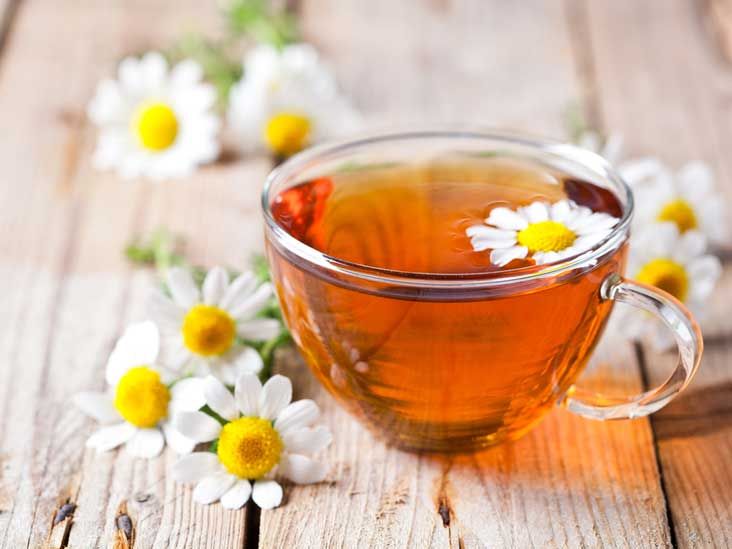
If your evening routine currently includes doomscrolling, one lonely cracker, and a promise that tonight you will absolutely get to bed on time, chamomile tea may be ready to play the role of gentle overachiever. This floral herbal tea has been used for centuries, and while it is not a miracle potion in a mug, it does have a reputation that modern health experts still take seriously.
Chamomile tea is made from the dried flowers of the chamomile plant, and it is especially popular as a naturally caffeine-free drink for winding down. The tea contains plant compounds called flavonoids, including apigenin, which researchers believe may help explain some of its calming effects. In plain English: this is not just hot flower water with a good publicist.
That said, it helps to keep expectations realistic. Chamomile tea is best viewed as a supportive wellness habit, not a cure-all. It may help with sleep, stress, digestion, and certain types of discomfort, but it is not a replacement for medical care when symptoms are persistent or severe.
Here is a closer look at five ways chamomile tea may benefit your health, plus what to know before you make it your nightly sidekick.
What Is Chamomile Tea, Exactly?
Chamomile belongs to the daisy family, which is lovely from a botanical standpoint and mildly inconvenient if you have related plant allergies. The tea is usually brewed by steeping dried chamomile flowers in hot water for several minutes, creating a light, slightly sweet, apple-like flavor.
Unlike black tea, green tea, or that suspicious office break-room tea that tastes like recycled ambition, pure chamomile tea does not naturally contain caffeine. That alone makes it a solid option for evenings, especially for people who want a warm drink without accidentally scheduling a midnight staring contest with the ceiling.
1. Chamomile Tea May Help You Relax and Sleep Better
Why it gets so much bedtime hype
The most famous chamomile tea benefit is its link to relaxation and sleep. Researchers believe apigenin, one of chamomile’s key flavonoids, may interact with receptors in the brain involved in drowsiness and calmness. In practical terms, that means chamomile tea may help your brain shift out of “let’s revisit every awkward thing I said in 2017” mode and into something more peaceful.
Some studies suggest chamomile may improve sleep quality, particularly in people dealing with stress or temporary sleep trouble. It is also commonly recommended as part of a bedtime routine because the ritual itself matters. Slowing down, sipping something warm, dimming the lights, and stepping away from late-night stimulation can all support better rest.
Still, there is an important caveat: chamomile is not a guaranteed fix for insomnia. Clinical evidence is mixed, and experts generally describe it as potentially helpful rather than conclusively proven. So if you struggle with chronic insomnia, loud snoring, repeated nighttime awakenings, or daytime exhaustion, tea should not be your only plan.
Think of chamomile as a nudge, not a knockout punch. It may help create the right conditions for sleep, especially when paired with consistent sleep habits.
2. Chamomile Tea May Take the Edge Off Stress and Mild Anxiety
A calmer mind, one cup at a time
Another reason chamomile tea gets so much love is its reputation for easing stress and mild anxiety. Limited research suggests chamomile may help reduce anxiety symptoms in some people, and many health professionals view it as a generally safe option for simple relaxation when used in normal food or tea amounts.
Part of the benefit may come from chamomile’s chemistry, and part may come from the experience of drinking it. There is something quietly useful about pausing, sitting down, wrapping your hands around a warm mug, and letting your nervous system receive the rare message that not everything is an emergency.
This matters because stress does not stay politely in your thoughts. It spills into your muscles, digestion, focus, patience, and sleep. A calming ritual like chamomile tea may help interrupt that cycle. It will not solve the argument you had, delete your inbox, or make your group chat less chaotic, but it may help you feel more regulated while handling all three.
If your anxiety is frequent, severe, or disruptive, it is worth talking with a healthcare professional. Chamomile tea can be part of a bigger wellness toolkit, but it should not be expected to do the heavy lifting alone.
3. Chamomile Tea May Soothe Mild Digestive Discomfort
Why your stomach might appreciate it
Chamomile has a long history of use for digestive complaints, and many experts still mention it as a gentle option for mild stomach discomfort. A warm, noncaffeinated tea can feel soothing when you are bloated, mildly crampy, or dealing with that “I regret the second helping, but I stand by it emotionally” sensation.
Chamomile may help because it is associated with relaxation and may have mild antispasmodic and anti-inflammatory properties. In other words, it may help your digestive tract calm down rather than continue its dramatic monologue. Some sources also note its traditional use for indigestion, gas, and general digestive unease.
It is important not to oversell this point. Chamomile tea is not a treatment for serious digestive disease, ongoing reflux, severe abdominal pain, vomiting, bloody stools, or unexplained weight loss. Those symptoms call for medical attention. But for occasional mild discomfort, a cup of chamomile tea can be a sensible, low-drama choice.
For people who find coffee or caffeinated tea irritating to the stomach, swapping to chamomile in the evening may also be a smart move.
4. Chamomile Tea May Help Ease Menstrual Discomfort
A gentle option some people find helpful
Chamomile tea may also offer relief during menstruation, especially for cramps and related discomfort. Research in this area is not huge, but reviews and smaller studies suggest chamomile may help reduce primary dysmenorrhea, which is the clinical term for painful menstrual cramps not caused by another condition.
Why might it help? Chamomile appears to have relaxing, antispasmodic, and anti-inflammatory qualities, all of which may be relevant when the uterus is behaving like it has unresolved personal grievances. A warm drink can also feel physically comforting, which never hurts when you are trying to get through the day without glaring at everyone.
Some people also report that chamomile tea helps them feel less tense or emotionally wound up during their cycle. That does not mean it will replace pain relievers for everyone, but it may be a useful addition to a broader comfort routine that includes hydration, heat, rest, and movement as tolerated.
If your periods are unusually painful, extremely heavy, irregular, or getting worse over time, it is worth checking in with a clinician. Conditions such as endometriosis, fibroids, or adenomyosis deserve real evaluation, not endless cups of “maybe this will help” tea.
5. Chamomile Tea Contains Antioxidants That Support Overall Wellness
Small compounds, bigger wellness picture
Chamomile tea also brings antioxidant plant compounds to the table, including flavonoids. Antioxidants help protect cells from oxidative stress, which is one of those behind-the-scenes processes linked to aging and a range of chronic health issues. No, one mug will not transform you into a wellness superhero by Thursday, but these compounds are part of why chamomile is considered more than just a cozy beverage.
Researchers are also interested in chamomile’s anti-inflammatory potential. That does not mean the tea can treat inflammatory diseases on its own, but it does support the broader idea that chamomile may have gentle, system-wide wellness value.
This is where perspective matters. Chamomile tea is best seen as a healthy habit that fits into a bigger pattern. It works well alongside fundamentals like sleep, movement, fruits and vegetables, stress management, and regular medical care. It is not competing with those things. It is joining the team.
How to Drink Chamomile Tea for the Most Benefit
If you want to try chamomile tea for health benefits, consistency usually matters more than intensity. Translation: one or two regular cups are more realistic than deciding you now live inside a teapot.
Simple tips
- Drink it in the evening if your goal is relaxation or better sleep.
- Let it steep long enough to develop flavor, usually about 5 to 10 minutes.
- Avoid heavily sweetening it if you are trying to keep it a simple wellness habit.
- Choose pure chamomile if you want a naturally caffeine-free option.
- Use it as part of a routine: dim lights, put your phone down, and let the tea signal that the day is winding down.
You can drink it plain, or add a little honey or lemon if that makes you more likely to actually enjoy it. Health habits are far more effective when they do not feel like punishment.
Who Should Be Careful With Chamomile Tea?
Chamomile tea is generally considered safe for most people in normal food and tea amounts, but “natural” does not automatically mean risk-free. There are a few situations where caution makes sense.
Use extra care if any of these apply to you
- You have allergies to ragweed, daisies, chrysanthemums, marigolds, or related plants.
- You take blood thinners or antiplatelet medications.
- You use sedatives or other medications that cause drowsiness.
- You are pregnant, trying to conceive, or scheduled for surgery.
- You plan to use concentrated chamomile supplements rather than tea.
If you are unsure, ask your doctor or pharmacist. That quick conversation can save you from the very modern problem of trying to “relax naturally” while accidentally complicating your medication list.
Is Chamomile Tea Healthy Overall?
Yes, for most people, chamomile tea is a healthy beverage choice. It is naturally caffeine-free, low in calories on its own, easy to fit into a routine, and associated with several potential benefits. Its most convincing strengths are supporting relaxation, helping with sleep routines, and offering gentle comfort when stress, digestion, or menstrual symptoms are acting up.
The key word, though, is potential. Chamomile tea can support health, but it should not be marketed like a miracle cure wearing a flower crown. The smartest approach is to enjoy it for what it is: a soothing, evidence-informed habit that may make your evenings gentler and your body a little happier.
Experiences People Commonly Have With Chamomile Tea
The experience of drinking chamomile tea is often part of the benefit. Plenty of people say the first thing they notice is not some dramatic overnight transformation, but a subtle shift in how the evening feels. Instead of racing from one task to the next, they begin to associate one warm cup with slowing down. That mental cue can be powerful. The body starts to learn, “Okay, the day is ending now,” which is not nothing in a world where screens seem personally offended by bedtime.
Some people describe chamomile tea as a helpful bridge between stress and sleep. They may not fall asleep the second the mug is empty, but they do feel less tense, less mentally noisy, and less likely to launch into a 40-minute internal debate about something minor. The tea becomes a signal: laptop closed, lights lower, shoulders unclenched, jaw no longer auditioning for a stress-commercial close-up.
Others notice the digestive side first. After a rich dinner, holiday meal, or random evening snack decision that seemed brilliant at the time, a warm cup of chamomile can feel gentler on the stomach than coffee, soda, or another caffeinated drink. People often describe it as settling, comforting, or simply “less irritating.” That does not mean it cures digestive problems, but it can feel like choosing calm over chaos.
There are also people who build chamomile tea into their menstrual comfort routine. They may pair it with a heating pad, loose clothing, and the right to cancel one unnecessary plan without apology. In those moments, chamomile tea is not magic, but it can be part of a stack of small comforts that make a difficult day more manageable. Sometimes health habits are less about one huge result and more about a series of modest things that help you cope better.
Another common experience is using chamomile tea as a caffeine swap. People who realize afternoon coffee is quietly sabotaging their sleep often start experimenting with an herbal option in the evening. Chamomile becomes the “I still want a warm drink, but I would also like to sleep before sunrise” solution. Over time, some notice that the ritual feels satisfying in its own right, even without the caffeine kick.
And then there is the sensory part, which should not be ignored. The aroma is soft and floral. The warmth is comforting. The act of brewing it requires at least a few minutes of waiting, which is oddly therapeutic in a culture that treats patience like a software glitch. For many people, that sensory experience is exactly why chamomile sticks as a habit. It is simple, pleasant, and easy to repeat.
In real life, that may be the biggest benefit of all: chamomile tea is one of those rare healthy habits that feels gentle rather than punishing. It does not demand a subscription, a cold plunge, or a personality change. It asks only for hot water, a few quiet minutes, and a willingness to let “feeling better” be a little softer than usual.
Conclusion
Chamomile tea earns its reputation because it offers something many people genuinely need: a simple, low-stakes way to slow down. While the science is still developing in some areas, the tea has credible support as a calming, caffeine-free option that may help with sleep, mild stress, gentle digestive discomfort, menstrual cramps, and overall wellness through its antioxidant compounds.
So if you are looking for a health habit that is easy to start, pleasant to keep, and considerably more charming than setting another phone reminder, chamomile tea is a strong candidate. It may not solve every problem in your life, but it just might make the end of your day feel a little kinder.