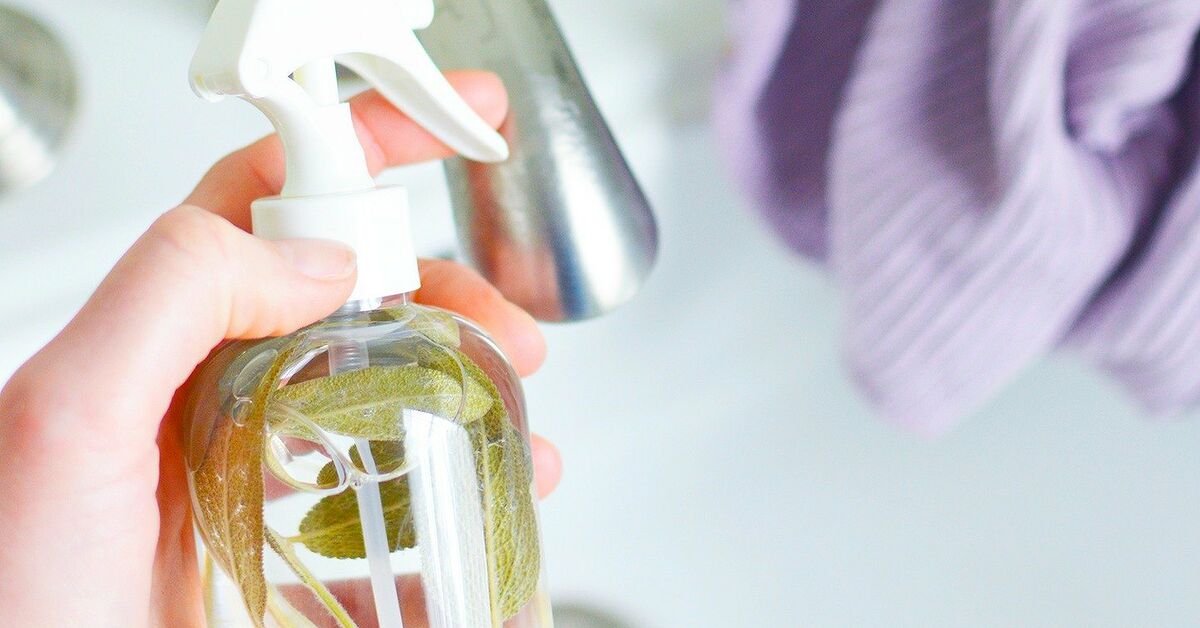
Some homes smell like fresh laundry, warm cookies, or a heroic attempt to hide yesterday’s fish dinner. A natural sage cleansing spray gives your space a different kind of refresh: herbal, clean, grounding, and delightfully “I have my life together” without requiring you to alphabetize your spice rack. This DIY sage spray is a smoke-free alternative to burning sage, a gentle way to freshen rooms, and a simple homemade ritual for resetting the mood of your home.
Before we get misty-eyed and misty-bottled, let’s be clear: a natural sage cleansing spray is not a disinfectant, sanitizer, medical treatment, or magical force field against germs, stress, or your neighbor’s leaf blower. It is best used as a room spray, linen-adjacent freshener, entryway spritz, meditation companion, or natural home fragrance. Think of it as a botanical “deep breath” for your space, not a replacement for soap, detergent, or EPA-registered disinfectants when illness, raw meat, bathroom messes, or high-touch surfaces are involved.
The good news? Making your own homemade sage cleansing spray is easy, affordable, customizable, and much less dramatic than waving smoke around your smoke alarm while whispering, “Please don’t call the fire department.” With dried sage, distilled water, a little witch hazel or high-proof vodka, and optional essential oils, you can create a fresh herbal spray that smells earthy, calm, and clean.
What Is a Natural Sage Cleansing Spray?
A natural sage cleansing spray is a water-based herbal mist made with sage leaves or sage essential oil, usually blended with a dispersing ingredient such as witch hazel, vodka, or rubbing alcohol. People use it to freshen the air, add a calming scent to a room, support a cleaning routine, or create a smoke-free “cleansing” ritual before meditation, journaling, yoga, hosting guests, or simply reclaiming the living room from the scent of takeout containers.
Sage, especially common culinary sage, has a strong aromatic profile. Its scent is earthy, slightly peppery, woody, and herbaceous. In traditional and modern home use, sage is often associated with freshness, clarity, and cleansing. In practical terms, the aroma can help a room feel more intentional and cared for. That matters. A home does not have to be perfect to feel peaceful. It just has to stop smelling like damp towels and existential dread.
Why Choose a DIY Sage Spray Instead of Burning Sage?
Burning sage, often called smoke cleansing or smudging, is popular, but it is not ideal for every household. Smoke can irritate sensitive lungs, bother pets, set off alarms, cling to curtains, and create concerns in apartments, dorms, and shared buildings. A DIY sage cleansing spray offers a gentler, smoke-free option.
Benefits of a Smoke-Free Sage Spray
A natural sage room spray is easy to control. One or two spritzes can freshen a room without filling it with smoke. It is also portable, quick to make, and simple to store. You can use it before guests arrive, after cooking, near a home office, beside a meditation cushion, or in a closet that needs a reminder that it is not a forgotten cave.
Another advantage is customization. You can make your sage spray more floral with lavender, brighter with lemon, woodier with cedarwood, or cleaner with rosemary. You can also skip essential oils completely and rely on a sage infusion for a lighter scent.
Important Safety Notes Before You Start
Natural does not always mean harmless. Poison ivy is natural. So are hurricanes. Sage and essential oils can be useful in small, thoughtful amounts, but they should be handled with common sense.
Do Not Drink It
This sage cleansing spray is for external home use only. Do not ingest it, spray it into your mouth, use it on food, or treat it like herbal tea with ambition. Essential oils are highly concentrated, and even small amounts can be risky if swallowed.
Use Caution Around Children
Children can be more sensitive to strong scents and concentrated oils. If you have babies or young children at home, use fewer drops of essential oil, spray only when the room is well ventilated, and avoid spraying near faces, bedding, toys, or hands that will inevitably end up in mouths.
Be Careful Around Pets
Cats, dogs, birds, and small animals may react badly to strong fragrances and essential oils. Cats are especially sensitive to many essential oils because of how their bodies process certain compounds. Birds have delicate respiratory systems. If you have pets, use the mildest version of this recipe, avoid spraying near pet beds, bowls, litter boxes, cages, or toys, and let pets leave the room if they dislike the scent. When in doubt, ask your veterinarian before using essential oils at home.
Patch-Test Surfaces
Do not spray this mixture directly on natural stone, unfinished wood, leather, silk, electronics, screens, painted antiques, or delicate fabric. Essential oils and vinegar-based sprays can stain, dull, or damage certain materials. Always test a small hidden area first. Your marble countertop does not want to participate in your botanical journey.
DIY Natural Sage Cleansing Spray Recipe
This recipe makes about 8 ounces of sage cleansing spray. It is strong enough to smell fresh but gentle enough for regular home use when used responsibly.
Ingredients
- 1 tablespoon dried culinary sage or 3 tablespoons fresh sage leaves
- 1 cup distilled water
- 2 tablespoons witch hazel or high-proof vodka
- 8 to 12 drops sage essential oil, optional
- 4 drops lavender, rosemary, cedarwood, or lemon essential oil, optional
- 1 teaspoon white vinegar, optional for a sharper fresh scent
- 1 clean 8-ounce glass spray bottle, preferably amber or cobalt
- Small saucepan or heat-safe jar
- Fine mesh strainer, coffee filter, or cheesecloth
- Small funnel
Step 1: Make a Sage Infusion
Bring 1 cup of distilled water almost to a simmer. Remove it from the heat, add the sage leaves, cover, and steep for 20 to 30 minutes. Covering the container helps keep the aromatic steam from disappearing into the kitchen like a tiny herbal ghost. The water should turn lightly greenish-gold and smell earthy.
If you prefer a stronger scent, use more sage rather than more essential oil. A richer herbal infusion is usually gentler than dumping in extra concentrated oil and hoping for the best.
Step 2: Strain Carefully
Strain the sage infusion through a fine mesh strainer, coffee filter, or cheesecloth. This step matters because plant particles can clog the spray nozzle or shorten the shelf life of your mixture. Nobody wants a spray bottle that coughs out one sad droplet and then retires.
Step 3: Add Witch Hazel or Vodka
Pour 2 tablespoons of witch hazel or high-proof vodka into the spray bottle. This helps disperse the scent and slightly improves the keeping quality of the spray. It does not turn the recipe into a disinfectant, but it does help the mixture feel more like a room mist and less like plain herb water.
Step 4: Add Optional Essential Oils
If using essential oils, add 8 to 12 drops total for an 8-ounce bottle. Start low. You can always add one or two more drops later, but you cannot politely ask an overpowering scent to calm down once it has taken over the hallway.
For a classic sage cleansing spray, use sage essential oil alone. For a softer scent, blend sage with lavender. For a clean, herbal scent, combine sage with rosemary. For a cozy, grounding room spray, try sage with cedarwood. For a brighter kitchen-friendly aroma, use a small amount of lemon essential oil, but avoid spraying citrus oils on delicate finishes, stone, or surfaces exposed to strong sunlight.
Step 5: Combine and Shake
Add the cooled sage infusion to the spray bottle using a funnel. Leave a little space at the top, screw on the sprayer, and shake well. Because oil and water naturally separate, shake the bottle before each use.
Step 6: Label and Store
Label the bottle with the name and date. Store it in a cool, dark place. For best freshness, use the spray within 2 to 3 weeks. If it changes smell, grows cloudy in a strange way, develops floating particles, or makes you suspicious, throw it out and make a fresh batch. Homemade products do not contain commercial preservatives, so freshness matters.
Easy Sage Cleansing Spray Variations
Calm Bedroom Sage Spray
Use sage infusion, witch hazel, 5 drops lavender essential oil, and 3 drops cedarwood essential oil. Spray lightly in the room 10 to 15 minutes before bedtime, not directly on pillows or near pets. The result is soft, woodsy, and relaxing without smelling like a perfume counter got lost in your bedroom.
Fresh Kitchen Sage Spray
Use sage infusion, vodka, 4 drops rosemary essential oil, and 3 drops lemon essential oil. Spray into the air after cooking, especially after strong odors. Do not spray near open flames, hot pans, food, cutting boards, or stone countertops.
Entryway Reset Spray
Use sage infusion with 6 drops sage essential oil and 4 drops lavender or cedarwood. Spray near the doorway, mudroom, or shoe area. This version is great for that mysterious entryway smell best described as “rain boots with a backstory.”
No-Essential-Oil Sage Spray
For sensitive households, skip essential oils completely. Make a stronger sage infusion by using 2 tablespoons dried sage or a generous handful of fresh sage. Add witch hazel, bottle, shake, and use lightly. The scent will be subtler, but the formula is simpler and often better for homes with fragrance sensitivity.
Where to Use Sage Cleansing Spray at Home
Use sage spray in open air, entryways, bedrooms, closets, bathrooms, laundry rooms, home offices, meditation corners, and guest rooms. Spray upward into the center of the room rather than directly onto surfaces. A few spritzes are enough. More is not always better, unless your goal is to make your home smell like an herb garden arm-wrestling a spa.
This spray can also be used before a reset routine. Open a window, clear clutter from one surface, spray the room lightly, and take a few slow breaths. The action is simple, but it gives your brain a signal: this space is being refreshed.
Where Not to Use It
Avoid using sage cleansing spray on electronics, polished wood, natural stone, leather, suede, silk, pet bedding, children’s toys, food surfaces, dishes, and anything that may stain. Do not use it as a body spray unless the recipe is specifically formulated and diluted for skin, which this one is not.
Also avoid spraying near candles, gas stoves, fireplaces, or space heaters. Essential oils and alcohol are flammable in concentrated forms, and while this spray is diluted, caution is still the grown-up thing to do. Very boring, yes. Very useful, also yes.
Is Sage Spray the Same as a Cleaner?
No. A sage cleansing spray is mainly a fragrance and atmosphere spray. It can support a cleaning routine by making a room smell fresh, but it does not replace cleaning. Cleaning removes dirt, crumbs, grease, dust, and many germs from surfaces. Sanitizing and disinfecting are different processes that require appropriate products and contact times.
If someone in your home is sick, if you are handling raw meat, or if you need to disinfect bathroom surfaces, use a product designed for that purpose and follow the label. A sage spray is for the “ahh, that smells nice” part of home care, not the “kill germs according to public health guidance” part.
How to Make Your Sage Spray Smell Better
If your spray smells too medicinal, soften it with lavender. If it smells too grassy, add cedarwood. If it smells too heavy, add a tiny amount of lemon or sweet orange essential oil, but remember that citrus oils can be tricky on surfaces. If the scent is too weak, steep the sage longer or add a small amount of essential oil. If the scent is too strong, dilute with more distilled water and witch hazel.
The best natural sage cleansing spray should smell fresh, not aggressive. It should enter the room politely, not kick down the door wearing hiking boots.
Common Mistakes to Avoid
Using Too Much Essential Oil
More drops do not mean more benefits. They usually mean more irritation risk, more residue, and a scent that follows people around like an overenthusiastic motivational speaker. Keep the formula light.
Skipping the Straining Step
Sage bits clog spray bottles. Strain the infusion well, especially if using dried herbs.
Keeping It Too Long
Homemade herbal sprays are not immortal. Make small batches and replace them often.
Spraying Every Surface
This is a room spray, not an all-purpose cleaner. Mist the air lightly and protect delicate materials.
Real-Life Experiences With DIY Sage Cleansing Spray
The first time many people make a natural sage cleansing spray, they expect a dramatic transformation. The bottle is filled, the label is cute, the mist floats into the room, and suddenly the house is supposed to feel like a peaceful retreat. In reality, the dog may still bark at delivery trucks, the laundry may still be judging you from the chair, and someone may still ask what is for dinner while standing in front of a full refrigerator. But that is exactly why this spray is useful. It does not fix life. It creates a small pause inside it.
One of the best ways to use a DIY sage spray is as part of a five-minute reset. For example, after work, open a window, clear the coffee table, fold the blanket, and spray the living room once or twice. That tiny routine can change the feeling of the space. The room smells fresher, the air moves, and your brain gets the message that the workday has ended. It is not magic. It is sensory housekeeping, and honestly, sensory housekeeping deserves more applause.
In a home office, sage spray can become a useful transition tool. Spray lightly before sitting down to write, study, plan, or answer emails that begin with “just following up.” The scent becomes associated with focus. Over time, the ritual can help separate work mode from home mode, especially in small apartments where the desk is three feet from the bed and the bed is emotionally involved in every career decision.
For people who enjoy cleaning routines, sage spray works beautifully after the actual cleaning is finished. Wipe counters with the right cleaner, vacuum the floor, take out the trash, and then use the sage mist as the final touch. This order matters. Spraying a room before cleaning is like putting cologne on a gym bag. Brave, but not effective. Once the dust, crumbs, and mystery stickiness are gone, the herbal scent feels cleaner and lasts longer.
Guests often notice the scent without being overwhelmed by it, especially if the spray is used sparingly. A light mist in the entryway or bathroom before visitors arrive can make the home feel cared for. The trick is restraint. You want people to think, “It smells nice in here,” not “Have I entered a ceremonial herb cloud?” Two sprays are usually enough for a small room. Larger rooms may need three or four, but ventilation is still your friend.
Another helpful experience is using sage spray during decluttering. When sorting papers, cleaning a closet, or finally facing the drawer full of cables that may or may not belong to devices from 2009, a light herbal spray can make the process feel more intentional. It creates a beginning and an ending. Spray once before starting, do the task, then spray once again when the space is cleared. The scent becomes a little reward, like a gold star for adults who found seven expired coupons and survived.
The no-essential-oil version is surprisingly pleasant for sensitive noses. It smells softer and more like real herbs than a strong fragrance blend. This is especially useful in households where one person loves scents and another person can detect a scented candle from a neighboring zip code. A sage infusion with witch hazel is subtle, fresh, and less likely to take over the room.
Over time, the biggest lesson is that homemade sage cleansing spray works best when it supports a habit. Use it after airing out a room, after changing sheets, before journaling, after cooking, or at the end of a cleaning session. The spray becomes a small signal of care. And sometimes, that is enough. A home does not need to smell expensive. It needs to smell lived in, loved, and occasionally rescued from garlic.
Conclusion
Learning how to make a natural sage cleansing spray for the home DIY is a simple way to bring herbal freshness into your space without smoke, complicated ingredients, or expensive store-bought room sprays. With sage leaves, distilled water, witch hazel or vodka, and optional essential oils, you can create a customizable mist for entryways, bedrooms, bathrooms, closets, and home offices.
The key is using it wisely. Keep it light, label the bottle, store it properly, patch-test surfaces, and be cautious around children and pets. Most importantly, remember what this spray is: a natural home fragrance and atmosphere refresher. It is not a disinfectant, sanitizer, medical treatment, or substitute for proper cleaning.
Used thoughtfully, a DIY sage cleansing spray can become a small but satisfying home ritual. It freshens the air, marks transitions, and makes ordinary rooms feel calmer and more intentional. And if it helps your home smell less like wet sneakers and more like an herb garden with boundaries, that is a win worth misting.