There is something oddly thrilling about an open house. Maybe it is the possibility of a fresh start. Maybe it is the fantasy of owning a kitchen island large enough to land a small aircraft. Or maybe it is simply human curiosity wearing nice shoes and pretending to understand crown molding. Whatever the reason, the modern open house has become more than a casual weekend stop. It is part real estate strategy, part design inspiration tour, part neighborhood research mission, and part personality test.
Today’s open house is no longer just a front-yard sign, a plate of cookies, and an agent saying, “Let me know if you have any questions.” Buyers now arrive with mortgage preapproval apps, saved listings, phone cameras, wish lists, renovation calculators, and very strong opinions about laundry room placement. Sellers, meanwhile, are staging, decluttering, lighting, scent-managing, and trying to make the house feel warm without looking like they tried too hard. It is a delicate art. Think “casual elegance,” not “I panic-bought twelve throw pillows at 11 p.m.”
This article explores the current obsessions shaping open houses right now: smarter staging, warmer design, better buyer checklists, useful technology, curb appeal, lifestyle storytelling, and the small details that make a property memorable. Whether you are buying, selling, browsing for inspiration, or secretly judging backsplash choices as a weekend hobby, welcome in.
Why Open Houses Still Matter
Even in an era of 3D tours, drone videos, AI-enhanced listing photos, and floor plans that make every room look slightly more heroic than it is, the open house still has a job. It lets buyers experience the home in real life. Photos can show a living room. An open house reveals whether the living room feels cozy, echoey, awkward, sunny, or suspiciously shaped like a slice of pizza.
For buyers, a property viewing is a chance to test emotional chemistry and practical function at the same time. You can check natural light, traffic noise, closet depth, ceiling height, room flow, and whether the neighbor’s dog has chosen a career in opera. For sellers, an open house creates visibility, feedback, and urgency. It can also reveal whether the home is priced, presented, and marketed in a way that matches buyer expectations.
The emotional side of touring a home
Buying a home is never purely logical. Of course, people care about square footage, mortgage payments, school districts, property taxes, and inspection reports. But buyers also care about how a house makes them feel. Can they picture Sunday pancakes in the kitchen? A quiet work-from-home corner? A guest room that does not double as a storage cave? The best open houses help visitors imagine a life, not just a layout.
Current Obsession #1: Warm, Livable Staging
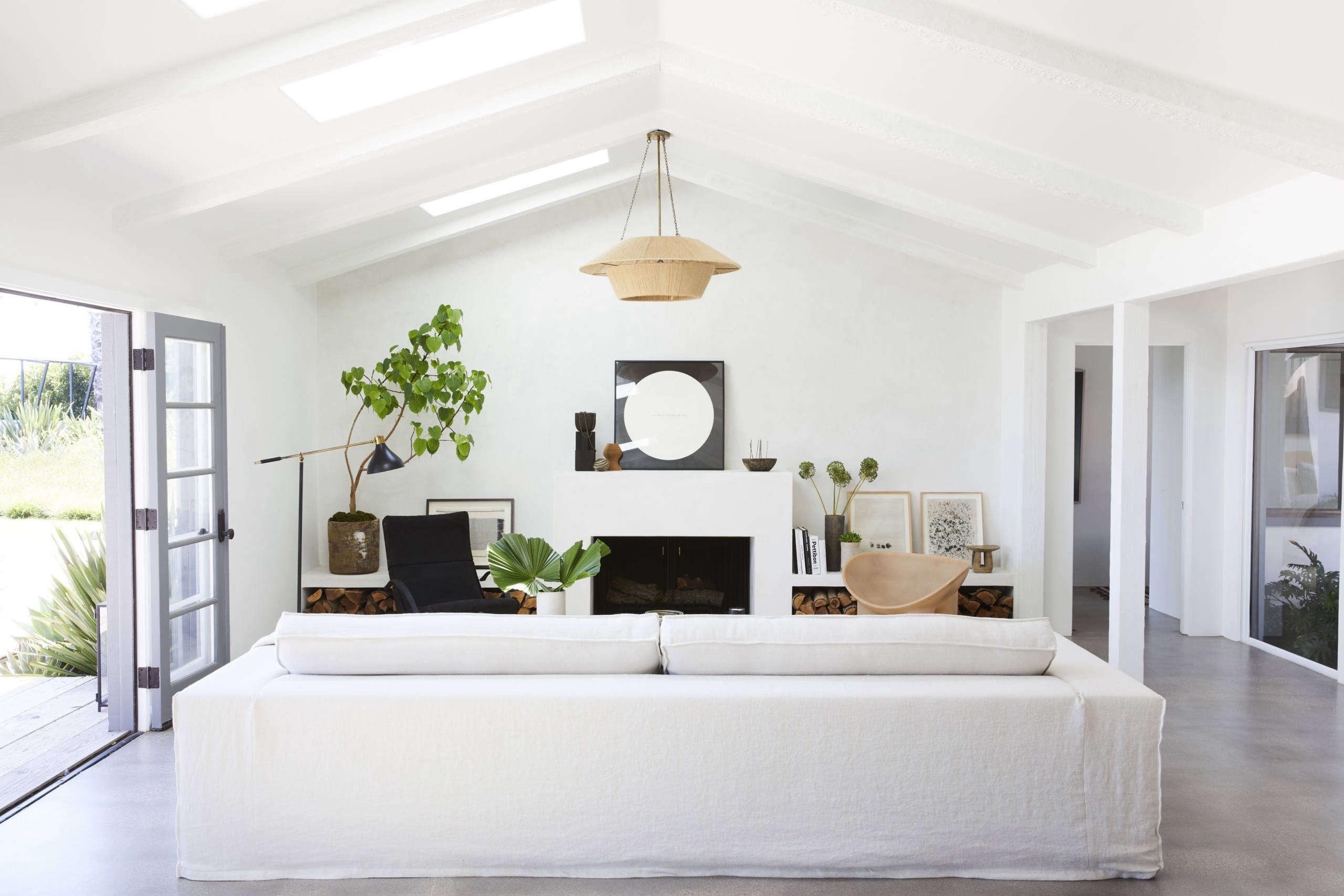
The biggest shift in home staging is away from sterile perfection and toward warmth. Buyers still want clean, uncluttered rooms, but they do not want a house that looks like a furniture showroom where nobody has ever laughed, spilled coffee, or owned a book. Warm minimalism, layered textures, natural materials, and soft neutral palettes are everywhere because they make a home feel calm without making it feel empty.
Good staging is not about hiding the truth. It is about helping the home explain itself. A small room becomes a reading nook. An awkward landing becomes a mini office. A formal dining room becomes a flexible hosting space. The goal is to remove confusion. When a buyer walks in and immediately understands how each space can be used, the home feels more valuable.
What staging gets right
Smart staging starts with clarity. Remove excess furniture so rooms breathe. Use rugs that are large enough to anchor seating areas. Add lamps so the lighting feels layered instead of interrogation-room bright. Keep surfaces tidy, but not lifeless. A ceramic bowl, a stack of design books, fresh greenery, or a textured throw can say, “Someone with excellent taste lives here,” without shouting, “We bought this yesterday.”
Depersonalizing still matters, but the best homes are not stripped of all character. The trick is to make the house broadly appealing while keeping it emotionally engaging. Family portraits, bold political signs, highly specific collections, and refrigerator chaos should probably take a vacation. Personality can stay through texture, color, architecture, plants, and thoughtful styling.
Current Obsession #2: Curb Appeal That Starts the Story
Open house impressions begin before the front door. Buyers notice landscaping, paint condition, porch lighting, house numbers, walkway safety, and whether the entry feels loved or mildly abandoned. A charming exterior tells buyers the home has been cared for. A neglected exterior whispers, “Wait until you see the basement.”
Curb appeal does not require a dramatic makeover. Often, the strongest updates are simple: trim shrubs, refresh mulch, clean windows, paint the front door if needed, repair loose railings, power wash walkways, and add a few low-maintenance plants. The goal is not to create a botanical garden that requires a full-time horticultural staff. The goal is tidy, welcoming, and easy to maintain.
The front door test
Stand outside the front door and wait thirty seconds. That is roughly the amount of time a buyer may spend while the agent opens the lockbox. During those thirty seconds, buyers notice chipped paint, cobwebs, dead plants, cracked steps, and mystery smells. They also notice charm: a clean mat, polished hardware, warm lighting, and a doorbell that does not look like it survived three historic eras.
Current Obsession #3: Open House Technology That Actually Helps
Technology has entered the open house, and when used well, it improves the experience. Digital sign-ins, QR-code brochures, interactive floor plans, video walkthroughs, virtual staging, and smart-home demonstrations can help buyers understand a property faster. The key phrase is “when used well.” Technology should support the home, not turn the showing into a software demo with hardwood floors.
For sellers and agents, digital tools make follow-up easier and help collect feedback. For buyers, online materials can be useful after the tour, when all the houses start blending together into one giant mental collage of white kitchens and hopeful pricing. A QR code that links to disclosures, room dimensions, utility details, recent updates, and neighborhood highlights can keep the home top-of-mind.
Smart features buyers notice
Buyers increasingly pay attention to practical technology: smart thermostats, efficient appliances, security systems, EV charging readiness, whole-home Wi-Fi planning, air quality upgrades, and lighting controls. These features do not replace location or condition, but they can make a home feel more current. Bonus points if the seller leaves a simple explanation instead of making buyers guess which wall panel controls the lights and which one launches the garage door into orbit.
Current Obsession #4: The Kitchen as the Main Character
Every open house eventually becomes a kitchen inspection. People gather there, linger there, open cabinet doors there, and quietly calculate whether the countertops can survive real life. The kitchen remains one of the most emotionally powerful spaces in a home because it represents routines, hosting, family, comfort, and late-night cereal decisions.
Current kitchen obsessions lean warmer and more layered than the all-white kitchens of past years. Richer wood tones, natural stone looks, mixed metals, statement lighting, hidden storage, and functional prep zones are gaining attention. Buyers may not need a magazine-perfect kitchen, but they want one that feels clean, useful, and adaptable.
What buyers look for in the kitchen
Storage matters. So does counter space. So does the distance between the sink, stove, and refrigerator. Buyers notice cabinet condition, drawer quality, appliance age, outlet placement, pantry space, and whether the kitchen can handle both everyday meals and the occasional “we invited too many people” dinner. A beautiful kitchen is nice. A beautiful kitchen with enough storage for the air fryer, blender, pressure cooker, and secret snack collection is better.
Current Obsession #5: Bathrooms That Feel Like a Reset Button
Bathrooms have become mini wellness spaces. Buyers love clean finishes, good lighting, ventilation, storage, and shower areas that do not feel like an afterthought. A bathroom does not need imported marble and a bathtub large enough for synchronized swimming. It needs to feel fresh, functional, and easy to keep clean.
For sellers, small bathroom improvements can have a strong visual impact. Replace tired caulk, clean grout, update mirrors, swap dated lighting, add fluffy towels, and remove half-empty product bottles. Nobody needs to see seven shampoos lined up like a drugstore shelf. A calm bathroom suggests good maintenance, and good maintenance makes buyers breathe easier.
Current Obsession #6: Flexible Rooms With Clear Purpose
The modern buyer wants flexibility. A spare bedroom might become a nursery, guest room, workout space, creative studio, or office. A finished basement might be a media room, playroom, in-law suite, or rental possibility depending on local rules. The open house should make these possibilities obvious without overwhelming visitors.
This is where staging can shine. A room labeled “miscellaneous storage and emotional baggage” does not inspire confidence. A room staged as a compact office with a desk, chair, lamp, and simple shelving suddenly has a job. Buyers are more likely to value a room when they can understand it quickly.
The work-from-home factor
Remote and hybrid work changed how people evaluate homes. Buyers may look for quiet corners, natural light, outlets, sound separation, and backgrounds that look professional on video calls. A small office nook can become a major selling point when styled well. Add a chair that looks comfortable, not like it was borrowed from a waiting room in 1998.
Open House Tips for Buyers
Walking through an open house is fun, but it should also be strategic. Before you go, know your budget, preferred neighborhoods, must-have features, and deal breakers. If you are serious about buying, mortgage preapproval can help you understand what you can afford and make you more credible when it is time to submit an offer.
At the open house, look beyond the staging. Notice the age of major systems, signs of water damage, window condition, floor slopes, storage, noise, natural light, and layout. Ask questions about recent repairs, utilities, HOA rules if applicable, seller timelines, known issues, and average neighborhood costs. The pretty sofa is not included. The roof, however, is very much your business.
Buyer checklist for a smarter tour
- Check natural light at different windows.
- Look for cracks, stains, odors, and uneven floors.
- Open closets and cabinets respectfully to assess storage.
- Listen for road, train, school, or neighbor noise.
- Ask about major updates, permits, and maintenance history.
- Take notes immediately after leaving each property.
- Visit the neighborhood at different times if you are seriously interested.
Open House Tips for Sellers
For sellers, preparation is everything. A successful open house begins days or weeks before visitors arrive. Deep clean, declutter, repair obvious issues, improve lighting, organize storage, and make the home easy to move through. Buyers should not have to squeeze sideways past furniture like they are boarding a budget airline.
Pricing also matters. A beautifully staged home can still struggle if the price ignores market reality. Work with a knowledgeable agent, study comparable sales, understand current buyer behavior, and listen to feedback after showings. If visitors consistently love the house but hesitate at the price, the market may be sending a message. It rarely whispers twice.
What to remove before an open house
Remove visual clutter, valuables, prescription medications, personal documents, pet items, strong air fresheners, and anything polarizing. Sellers sometimes forget that buyers will open closets, peek into pantries, and evaluate storage. Do not shove everything into one closet and hope for mercy. Buyers will find it, and the avalanche of board games will not help negotiations.
The Design Details People Remember
Some homes stay in a buyer’s mind because of one memorable detail: a sunny breakfast nook, built-in bookshelves, a mudroom that solves daily chaos, a dramatic light fixture, a garden view, or a laundry room located exactly where laundry actually happens. These details create emotional hooks.
Current design favorites include richer woods, warm neutrals, textured walls, natural stone, vintage accents, sculptural lighting, curved furniture, layered outdoor spaces, and rooms that feel personal but not crowded. The best open houses use design to highlight lifestyle. They do not simply decorate. They suggest how good daily life could feel there.
Common Open House Mistakes
One common mistake is over-scenting the home. A clean house smells clean. It does not need to smell like a vanilla cupcake wrestling a pine forest. Strong fragrances can make buyers wonder what is being covered up. Another mistake is leaving pets at home. Even charming pets can distract visitors, trigger allergies, or create stress for the animal.
Other mistakes include poor lighting, too much furniture, dirty windows, messy garages, visible repairs left undone, and sellers hovering during the event. Buyers need space to talk honestly. If the seller is standing nearby explaining the emotional history of every curtain rod, buyers may smile politely and flee.
Experience Notes: What Open Houses Teach You After a Few Weekends
After visiting enough open houses, you start developing instincts. At first, every house feels exciting. You notice the fresh flowers, the big windows, the polished counters, and the agent’s cheerful greeting. By the fifth or sixth tour, you become more practical. You start checking outlets, water pressure, closet space, and whether the “third bedroom” is actually a room or a bold philosophical argument.
One of the most useful experiences is learning how different homes feel compared with their photos. Listing photos can make a narrow room look grand, a dark hallway look bright, and a tiny patio look ready for a celebrity dinner party. In person, scale tells the truth. You learn to trust your body in the space. Can two people pass each other in the kitchen? Is the stairway comfortable? Does the living room invite conversation, or does every seating arrangement feel like a job interview?
Open houses also teach you about neighborhoods. You may arrive for the house and leave thinking about the street. Are people walking dogs? Are the sidewalks maintained? Is parking easy? Is there construction nearby? Does the area feel quiet, lively, isolated, or convenient? A home is never just walls and a roof. It is part of a daily route: groceries, work, school, coffee, parks, traffic, and the mysterious need to buy batteries at 9 p.m.
For sellers, hosting or preparing for an open house can be surprisingly emotional. A home is not just an asset. It is where birthdays happened, pets napped, kids grew, meals burned, holidays unfolded, and someone once confidently assembled furniture incorrectly. Preparing the house for strangers requires detachment. You clean, edit, and simplify so another person can imagine their future there. That can feel strange, but it is also part of the transition.
The best open house experiences balance imagination and realism. Buyers should let themselves dream, but they should also ask hard questions. Sellers should make the home beautiful, but they should not hide flaws. Agents should create a welcoming atmosphere, but they should also provide useful information. When everything works, an open house becomes more than a tour. It becomes a clear, honest introduction between a property and the people who may love it next.
Conclusion: The Open House Is Having a Moment
“Current Obsessions: Open House” is really about the way homes make people think, feel, plan, compare, and dream. A great open house is not just pretty. It is informative, memorable, and emotionally easy to enter. For buyers, it offers a chance to test a home beyond the listing photos. For sellers, it is an opportunity to present the property at its best and learn how the market responds.
The strongest open houses today combine warm staging, smart technology, clear room purpose, strong curb appeal, practical buyer information, and design details that feel current without becoming trendy for the sake of trendiness. Whether you are actively shopping, preparing to sell, or simply collecting ideas for your future dream home, an open house can teach you something every time. Sometimes it teaches you what you want. Sometimes it teaches you what you definitely do not want. And sometimes it teaches you that a walk-in pantry can make a grown adult emotional. Honestly, fair.