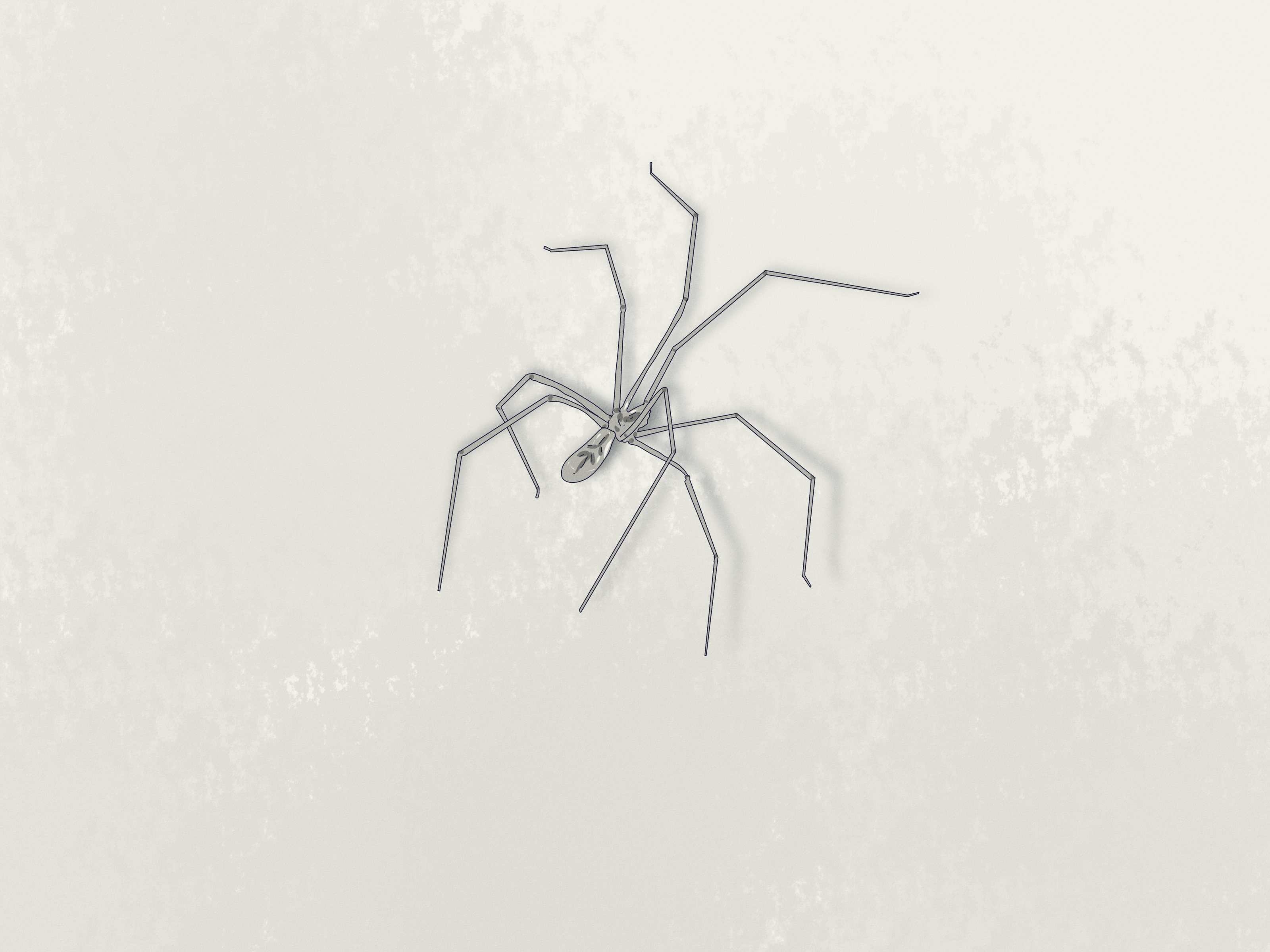
There are few household moments more dramatic than spotting a daddy long legs dangling in the corner like it pays rent. One minute you are getting a glass of water, the next you are negotiating with a tiny eight-legged roommate who has chosen your bathroom ceiling as its vacation condo.
The good news? Daddy long legs are usually more awkward than alarming. In the United States, the name “daddy long legs” can refer to two different creatures: harvestmen and cellar spiders. Harvestmen are not true spiders, do not make webs, and are harmless to people. Cellar spiders are true spiders with very long legs, often found in basements, garages, bathrooms, crawl spaces, and quiet corners. They make loose, messy webs and may become noticeable when the house has moisture, clutter, or plenty of small insects to snack on.
This guide explains how to remove daddy long legs in your home safely, prevent them from returning, and avoid turning a small nuisance into a full-blown “why is the ceiling moving?” situation.
First, Know What You Are Dealing With
Harvestmen vs. Cellar Spiders
Before you grab a broom like a medieval knight, take a closer look. A true harvestman has a small, oval body that looks like one single piece, with long thin legs attached. It does not spin silk, build webs, or use venom to subdue prey. It often wanders indoors by accident, especially when weather shifts or outdoor conditions become damp.
A cellar spider, on the other hand, has the classic two-part spider body and creates loose, irregular webs. These are the delicate, wobbly spiders that hang upside down in corners and vibrate when disturbed, as if they have just received terrible news. Cellar spiders are commonly called daddy long legs because of their leggy appearance, but they are different from harvestmen.
Either way, the removal strategy is similar: clean, vacuum, reduce hiding spots, seal entry points, and make your home less attractive to the tiny insects they feed on.
Are Daddy Long Legs Dangerous?
In most homes, daddy long legs are not dangerous. Harvestmen do not have venom glands and are considered harmless to people. Cellar spiders are also not considered a serious threat. They are predators of small insects and other arthropods, which means they may actually be helping with flies, gnats, mosquitoes, ants, and other pests.
That said, “helpful” does not always mean “welcome.” A spider can be useful and still not deserve a permanent lease above your shower. If you have many daddy long legs indoors, the bigger issue is usually not the daddy long legs themselves. It is the environment attracting them: moisture, clutter, open gaps, and available prey.
How to Remove Daddy Long Legs in Your Home
1. Use a Vacuum for Fast, Clean Removal
The simplest way to remove daddy long legs indoors is with a vacuum cleaner. Use the hose attachment to reach corners, ceilings, baseboards, closets, window frames, basement rafters, and garage walls. Vacuum the spider or harvestman, then vacuum nearby webbing, dust, dead insects, and egg sacs if you see them.
If your vacuum uses a disposable bag, remove the bag when finished, seal it in a plastic bag, and place it in an outdoor trash bin. If your vacuum is bagless, empty the canister outside and rinse it if needed. This prevents anything alive from crawling back out and filing a formal complaint.
2. Remove Webs and Dusty Corners
Cellar spiders love quiet, undisturbed places. The more untouched a corner is, the more it starts looking like luxury real estate to them. Use a broom, microfiber duster, extendable web brush, or vacuum attachment to clear webs from ceilings, light fixtures, basement corners, crawl space entrances, storage shelves, and garage doors.
Do this regularly, not only when the webs become visible enough to wave at you. A clean corner sends a clear message: “This is not a spider Airbnb.”
3. Catch and Release If You Prefer a Gentle Method
If you prefer not to kill them, use the classic cup-and-card method. Place a clear cup or jar over the daddy long legs, slide a stiff piece of paper underneath, and carry it outside. Release it away from doors, windows, and foundation walls so it does not immediately return like a tiny boomerang.
This method works especially well for harvestmen, which do not build webs and are usually just wandering through. It is also a good option for people who want pest control without squishing anything into modern art.
4. Lower Indoor Humidity
Daddy long legs and cellar spiders are often found in damp areas such as basements, bathrooms, crawl spaces, garages, laundry rooms, and under-sink cabinets. Moisture attracts small insects, and small insects attract predators. Reduce humidity and you reduce the food chain buffet.
Run a dehumidifier in damp basements, improve ventilation in bathrooms, fix leaky pipes, clean around floor drains, and make sure crawl spaces are not staying wet. Aim to keep indoor spaces dry and well-ventilated. You do not need your basement to feel like a desert, but it should not feel like a cave with Wi-Fi.
5. Reduce the Bugs They Eat
Daddy long legs show up where food is available. Their food is not pizza crumbs; it is insects and other small arthropods. If you have gnats, flies, mosquitoes, ants, silverfish, pantry pests, or other household bugs, daddy long legs may move in to enjoy the menu.
Keep food sealed, wipe counters, empty trash regularly, clean drains, store pet food properly, and repair window screens. Remove dead insects from windowsills, light fixtures, and basement corners. Old spider webs and insect remains can attract other pests too, including carpet beetles, so cleaning has a double benefit.
6. Seal Entry Points Around the Home
Prevention starts at the perimeter. Daddy long legs, cellar spiders, and many other pests enter through gaps around doors, windows, utility lines, foundation cracks, vents, siding, and garage doors. Inspect the outside of your home and seal obvious openings with caulk, weather stripping, door sweeps, expanding foam, or fine mesh where appropriate.
Pay special attention to basement windows, crawl space vents, gaps around pipes, and the bottom of exterior doors. If you can see daylight around a door, a small creature can probably see opportunity.
7. Declutter Storage Areas
Basements and garages are famous for becoming museums of things we might need someday: mystery cables, half-empty paint cans, holiday decorations, and boxes labeled “miscellaneous,” which is just Latin for “spider hotel.”
Move cardboard boxes off the floor, use sealed plastic bins, keep storage shelves organized, and leave space between stored items and walls. Clutter creates hiding places, traps moisture, and makes inspections harder. The less clutter you have, the fewer secret corners daddy long legs can claim as their kingdom.
8. Adjust Outdoor Lighting
Outdoor lights attract flying insects, and flying insects attract spiders and other predators. If daddy long legs or cellar spiders gather around doors, porch lights, or windows, lighting may be part of the problem.
Turn off unnecessary exterior lights at night, use motion sensors, or switch to warmer bulbs that attract fewer insects. Also keep light fixtures clean because dead bugs collecting inside them are basically a snack drawer for pests.
9. Clean Around the Foundation
The outside of your home matters just as much as the inside. Remove piles of leaves, old boards, stacked firewood, dense mulch, weeds, and debris touching the foundation. Keep firewood elevated and away from the house. Trim shrubs and vegetation so they do not press against siding or cover vents.
Daddy long legs often live outdoors in shaded, damp areas. If the foundation is surrounded by moisture and clutter, you are giving them a comfortable launchpad into the house.
10. Use Sticky Traps for Monitoring
Sticky traps can help you figure out where pests are traveling. Place them along baseboards, behind appliances, near basement walls, in garages, and near suspected entry points. They are more useful for monitoring than for solving the whole problem, but they can reveal whether you have a small issue or a busy little arthropod highway.
Check traps weekly and replace them as needed. Keep them away from pets and children, and avoid placing them where they can catch harmless wildlife.
Should You Use Pesticides?
In most cases, pesticides are not necessary for daddy long legs. Physical removal, cleaning, sealing, and moisture control usually work better for long-term prevention. Spraying random corners may kill a few visible spiders, but it will not fix the conditions that invited them in.
If you decide to use a pesticide, choose a product labeled for indoor spider control and follow every label direction carefully. Do not spray beds, dishes, toys, pet areas, food-preparation surfaces, or HVAC vents unless the label specifically allows it. Keep children and pets away from treated areas until the label says it is safe. When in doubt, hire a licensed pest control professional, especially if you are dealing with large numbers, recurring infestations, or pests you cannot identify.
When to Call a Professional
You probably do not need professional pest control for one or two daddy long legs. However, consider calling a pro if you keep finding large numbers indoors, see many webs returning within days, have a damp basement with several types of pests, or suspect a more medically significant spider such as a widow or recluse.
A professional can identify the pest correctly, locate entry points, assess moisture problems, and recommend targeted treatment instead of general spraying. The goal is not just to remove what you see today, but to stop the next wave from marching in tomorrow wearing tiny boots.
Natural Prevention Tips That Actually Help
Keep a Regular Cleaning Schedule
Weekly vacuuming of corners, baseboards, windowsills, and storage areas is one of the best natural methods for daddy long legs removal. It removes spiders, webs, eggs, dust, and the insects they feed on.
Improve Airflow
Open vents, use fans where appropriate, and make sure bathrooms and laundry rooms dry out after use. Good airflow makes indoor spaces less inviting to pests that prefer damp, still environments.
Inspect Items Before Bringing Them Inside
Firewood, potted plants, outdoor furniture, storage bins, and boxes from garages can carry hitchhikers. Give items a quick shake or inspection before bringing them into living areas.
Do Not Panic Over One Visitor
A single daddy long legs is usually not a sign of infestation. It may have wandered in through a door, window, or garage. Remove it, clean the area, and keep an eye out. Panic is optional and rarely productive.
Common Mistakes to Avoid
Mistake one: ignoring moisture. If the basement stays damp, pests will keep showing up. Fixing humidity is often more powerful than any spray.
Mistake two: only removing the spider. Remove webs, dust, dead insects, and clutter too. Otherwise, the space remains attractive.
Mistake three: leaving outdoor debris against the house. Leaf piles, firewood, thick mulch, and weeds near the foundation create shelter for pests.
Mistake four: relying on pesticides alone. Sprays may offer temporary results, but exclusion and sanitation are the real long-term heroes.
of Real-World Experience: What Usually Works Best at Home
In real homes, daddy long legs problems are rarely solved by one dramatic sweep of the broom. The most effective approach is boring, consistent, and a little bit satisfying: vacuum, dry, seal, repeat. Think of it less like a battle and more like politely making your house a terrible place for pests to hang out.
For example, many homeowners first notice daddy long legs in a basement bathroom, laundry room, or garage corner. They remove the spider, feel victorious for about twelve minutes, and then see another one near the ceiling the next evening. That does not mean the first spider called for backup. It usually means the area still has moisture, insects, and undisturbed hiding places.
A practical routine starts with a full corner-to-corner cleanup. Use a vacuum hose along ceiling edges, baseboards, behind storage bins, around the water heater, near floor drains, and under utility sinks. Then wipe down shelves and remove old webs. If the area smells musty or feels damp, run a dehumidifier for several days and check whether the humidity improves. Many people are surprised how quickly spider activity drops when the basement becomes drier.
Another experience-based tip: cardboard boxes are troublemakers. They absorb moisture, create dark gaps, and are rarely opened often enough to disturb pests. Replacing cardboard with lidded plastic bins can make a garage or basement much easier to inspect and clean. Label the bins clearly so you do not create a new mystery-storage ecosystem.
Entry-point sealing is also more powerful than it sounds. A worn door sweep, cracked basement window frame, missing screen patch, or gap around a pipe can become a pest entrance. Walk around the home slowly and look for openings at ground level. Do this in daylight from inside if possible; light shining through gaps is a helpful clue. Seal what you can, and make a repair list for anything larger.
Outdoor habits matter too. If porch lights stay on all night, they may attract insects, which then attract spiders. If leaves collect beside the foundation or mulch is piled too thick against siding, the area stays cool and damp. Clearing debris, trimming vegetation, and moving firewood away from the house can reduce the number of pests that gather near entry points.
The biggest lesson is this: daddy long legs are usually a symptom, not the main disease. They are telling you that your home has a few pest-friendly conditions. Remove the visible visitors, then fix the invitation. Once the space is cleaner, drier, brighter, and better sealed, those long-legged guests usually take their awkward little dance moves somewhere else.
Conclusion
Removing daddy long legs from your home does not require panic, superhero reflexes, or a flamethrower from a cartoon. Start with identification, then use simple physical removal methods such as vacuuming, sweeping, and catch-and-release. For lasting results, focus on moisture control, clutter reduction, insect reduction, outdoor cleanup, and sealing entry points.
Whether you are dealing with harmless harvestmen or web-building cellar spiders, the best strategy is integrated prevention. Make your home dry, clean, sealed, and less attractive to the small insects they eat. Daddy long legs may be beneficial outdoors, but indoors they can politely continue their career somewhere that is not your ceiling.