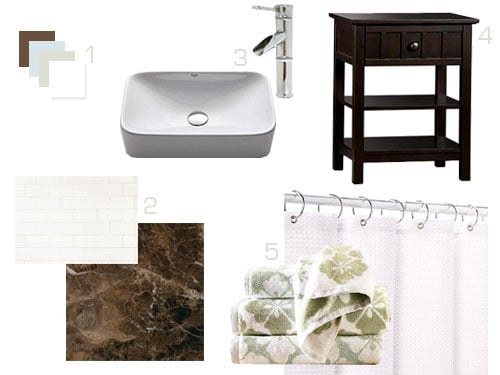
Bathroom shopping sounds innocent until you are standing in a tile aisle, holding three nearly identical white samples, wondering why one is called “warm ivory,” another is “cloud linen,” and the third looks suspiciously like your printer paper. Sourcing tile, a vanity, and other bathroom accessories is not just about choosing pretty things. It is about building a room that handles water, steam, toothpaste, rushed mornings, late-night face washing, and at least one guest who will judge your hand towel situation.
A great bathroom starts with smart sourcing. That means choosing materials that work for the space, match your budget, fit your measurements, and arrive before your contractor develops the facial expression of someone who has heard “backordered” one too many times. Whether you are renovating a tiny powder room or upgrading a primary bath into a spa-like escape, this guide will help you source bathroom tile, vanities, mirrors, lighting, fixtures, storage, and accessories with confidence.
Start With the Bathroom Plan Before You Start Shopping
The biggest mistake in bathroom sourcing is buying individual pieces before the full design is clear. A vanity may look stunning online, but if it blocks the door swing, hides an outlet, or leaves no room to stand comfortably, it becomes a very expensive lesson in measuring twice and emotionally recovering once.
Before browsing tile samples or vanity finishes, map the bathroom. Measure the room, ceiling height, door swing, window placement, plumbing locations, toilet clearance, shower or tub footprint, and existing electrical points. If the renovation keeps the same layout, sourcing becomes much easier and usually cheaper. Moving plumbing can increase labor costs quickly, so the “dream vanity on the opposite wall” should be priced with a professional before it becomes the hill your budget dies on.
Create a Bathroom Sourcing Checklist
A simple checklist keeps the project organized. Include floor tile, wall tile, shower tile, vanity, vanity top, sink, faucet, mirror, lighting, towel bars, robe hooks, toilet paper holder, shower trim, drain cover, grout, caulk, storage pieces, paint, and ventilation updates. Also include unglamorous materials such as waterproofing membrane, backer board, mortar, spacers, transition strips, and sealers. These invisible items are the bathroom equivalent of a good foundation garment: nobody applauds them, but everything looks better when they do their job.
How to Source Bathroom Tile Without Losing Your Mind
Tile is often the first material people fall in love with because it sets the entire mood of the bathroom. It can make a room feel crisp and modern, earthy and organic, classic and polished, or bold enough to make your guests say, “Wow,” before they remember why they walked in.
But bathroom tile must do more than look beautiful. It must handle moisture, cleaning products, foot traffic, and slippery conditions. For bathroom floors, porcelain and ceramic tile are popular because they are durable, water-resistant, and available in endless colors, sizes, and styles. Natural stone can be gorgeous, but it usually needs more sealing and maintenance. Glass tile works beautifully on walls and accents but is not always the most practical choice for flooring. Cement tile adds pattern and personality, although it often requires sealing and a little more care.
Porcelain vs. Ceramic Tile
Porcelain tile is typically denser and less porous than standard ceramic tile, making it a strong choice for bathroom floors, showers, and high-moisture areas. It is also harder to cut, so installation may require better tools and more skill. Ceramic tile is often more budget-friendly, easier to cut, and excellent for walls, backsplashes, and lower-traffic bathrooms. For many homeowners, the best strategy is simple: use durable porcelain on floors and shower areas, then use ceramic where you want decorative flexibility without stretching the budget until it squeaks.
Look Beyond Color: Check Finish, Texture, and Slip Resistance
Glossy tile can look elegant on walls, but on a bathroom floor it may become a tiny skating rink after a shower. For floors, look for tile rated for wet areas and pay attention to slip-resistance information. No tile is completely slip-proof, so texture, grout lines, bath mats, proper drainage, and common sense all matter.
Smaller tiles can provide more grip because they create more grout lines. That is one reason mosaic tile is common on shower floors. Larger-format tiles reduce grout lines and can make a bathroom feel spacious, but they require a flatter surface and careful installation. A 12-by-24-inch tile can look sleek on a bathroom floor or shower wall, while a 2-inch mosaic may be better for a sloped shower pan.
Order Samples Before Ordering Boxes
Tile color changes under different lighting. A creamy beige in a showroom can look yellow under warm bulbs or gray beside a cool-toned vanity. Order samples and view them in the bathroom at different times of day. Place them beside paint swatches, metal finishes, countertop samples, and cabinet colors. This small step can prevent the classic renovation tragedy: “It looked different online.”
How Much Tile Should You Buy?
Always order extra tile. For simple layouts, 10 percent overage is a common starting point. For diagonal patterns, herringbone, complex cuts, or rooms with many corners, 15 to 20 percent may be safer. Extra tile covers breakage, cuts, future repairs, and the mysterious disappearance of one box that everyone swears they saw yesterday.
Also check dye lots and caliber numbers. Tile from different batches can vary slightly in color and size. Buying enough from the same batch helps the finished bathroom look consistent. If you plan to mix tiles, such as a patterned floor with a quiet shower wall, choose one statement tile and let the others support it. A bathroom can wear jewelry, but it should not look like it fell into the accessory drawer.
Sourcing the Right Bathroom Vanity
The vanity is the workhorse of the bathroom. It anchors the room, provides storage, supports the sink, hides plumbing, and becomes the place where daily routines happen. Choosing the right one requires balancing size, style, storage, countertop material, sink type, and installation needs.
Measure First, Then Fall in Love
Bathroom vanities come in many widths, from small 18- or 24-inch models for powder rooms to 60-, 72-, or even wider double vanities for shared bathrooms. Standard depths commonly fall between 17 and 24 inches, while many modern vanity heights are around 31 to 36 inches. Before purchasing, measure the wall width, available depth, plumbing position, door clearance, shower clearance, and traffic flow.
For a small bathroom, a floating vanity can make the floor feel more open. A narrow-depth vanity can save precious inches. In a family bathroom, drawers may be more useful than one large cabinet where hair dryers, cotton swabs, and mystery travel bottles go to form a tiny civilization.
Single Vanity or Double Vanity?
A double vanity sounds luxurious, especially if two people use the bathroom at the same time. But two sinks are not always better. In a smaller bathroom, one sink with generous counter space and better storage may be more practical than two sinks squeezed into a vanity that leaves no room for anything larger than a toothbrush.
Choose a double vanity when the bathroom has enough width, comfortable clearance, and two users who truly need separate sink zones. Choose a single vanity when storage, counter space, and easier cleaning matter more. A well-designed 48-inch single vanity can outperform a cramped 60-inch double vanity in real life.
Pick a Vanity Material That Can Handle Bathroom Life
Bathrooms are humid, so vanity materials matter. Solid wood can be beautiful and durable when properly sealed, but it may expand or contract with moisture. Plywood is often a strong cabinet-box material. MDF can work in budget-friendly vanities, especially with a good finish, but it should be protected from standing water. Look for quality drawer glides, sturdy hinges, sealed edges, and finishes that do not feel like they will surrender after one steamy shower.
Choosing the Vanity Top, Sink, and Faucet
The vanity top should fit the cabinet and suit the way the bathroom is used. Quartz and engineered stone are popular because they are durable, low-maintenance, and available in many looks. Granite offers natural variation but may need sealing. Marble is elegant, but it can stain or etch, so it is best for people who can live with patina or promise not to panic over every water ring. Cultured marble and integrated tops can be affordable and easy to clean.
Sink style also affects function. An undermount sink creates a clean counter surface and makes wiping water into the basin easy. An integrated sink is simple to maintain because there are fewer seams. A vessel sink can be dramatic, but it raises the sink height and may splash more depending on the faucet. For family bathrooms, easy cleaning usually beats theatrical flair.
When sourcing faucets, match the faucet configuration to the sink or countertop holes. Common options include single-hole, 4-inch centerset, and widespread faucets. Also coordinate metal finishes with lighting, mirror frames, cabinet hardware, shower trim, and towel bars. Finishes do not need to match perfectly, but they should look intentional. “Collected over time” is charming. “Grabbed during three different panic trips to the hardware store” is less charming.
Bathroom Accessories That Actually Matter
Accessories are where the bathroom becomes usable. Towel bars, hooks, toilet paper holders, shelves, mirrors, medicine cabinets, trays, baskets, and lighting all influence how the room feels day after day. These pieces may be smaller than tile or vanities, but they can make the difference between a bathroom that works and one that simply photographs well.
Mirrors and Medicine Cabinets
A mirror should relate to the vanity size. A good general rule is to choose a mirror that is slightly narrower than the vanity, often around 70 to 90 percent of the vanity width. Rectangular mirrors are timeless and practical. Round mirrors soften square tile and straight cabinet lines. Arched mirrors add height and elegance. Medicine cabinets are excellent for hidden storage, especially in small bathrooms, and recessed versions look cleaner than bulky surface-mounted ones.
Lighting: Please Do Not Rely on One Sad Ceiling Bulb
Good bathroom lighting needs layers. Vanity lighting should illuminate the face evenly, not create shadows that make everyone look like they are being interrogated in a detective movie. Side sconces, vertical lights, or a well-positioned bar light can work well. Add overhead lighting for general brightness and consider damp- or wet-rated fixtures where required. Warm but clear light is usually more flattering than harsh blue-white light.
Hardware and Towel Storage
Cabinet knobs, pulls, towel hooks, bars, and rings should match the bathroom’s style and daily habits. Hooks are often easier for families because towels actually end up on them. Towel bars look polished but require more wall space. In a small bathroom, consider vertical storage, wall shelves, recessed niches, and over-toilet cabinets. The best storage is the kind people will actually use, not the kind that requires folding towels into hotel-level origami.
Where to Source Bathroom Materials
Big-box retailers are useful for comparing prices, seeing materials in person, and finding readily available tile, vanities, faucets, and accessories. Tile showrooms offer more specialized selections, better design help, and access to higher-end or custom materials. Local cabinet shops can create vanities for tricky layouts. Online retailers provide variety, but measurements, return policies, freight shipping, and damage procedures must be checked carefully.
For tile, ask about lead times, minimum orders, trim pieces, bullnose options, grout recommendations, and whether the tile is suitable for floors, walls, showers, or wet areas. For vanities, confirm whether the top is included, whether the sink is included, where the faucet holes are placed, whether assembly is required, and how delivery is handled. A 300-pound vanity delivered to the curb is not a “minor detail.” It is a surprise workout with plumbing consequences.
Budgeting for Tile, Vanity, and Accessories
Bathroom sourcing works best when the budget is divided into categories. Tile, labor, vanity, countertop, plumbing fixtures, lighting, hardware, storage, waterproofing, paint, and contingency should each have a line item. Even if you are doing some work yourself, professional help may be needed for plumbing, electrical, waterproofing, or complex tile installation.
Spend where performance matters: waterproofing, floor tile, shower tile, faucets, ventilation, and installation. Save where items are easier to replace later: mirrors, towel hooks, decorative shelves, paint color, and styling accessories. A cheap towel ring can be upgraded in an afternoon. A poorly waterproofed shower is a much more dramatic chapter.
Common Sourcing Mistakes to Avoid
One common mistake is choosing tile without checking whether it is rated for the intended location. Wall tile is not always appropriate for floors. Another mistake is buying a vanity before confirming plumbing alignment. Homeowners also forget trim pieces, transition edges, grout color, and caulk color. These details seem small until the installer asks where they are and everyone begins staring at the nearest cardboard box as if it might confess.
Another mistake is mixing too many styles. A bathroom with rustic wood, glossy marble-look tile, matte black hardware, brushed brass lighting, blue patterned floor tile, and a farmhouse mirror may technically include many nice things, but nice things still need supervision. Choose a clear design direction and repeat finishes, shapes, and tones in a controlled way.
A Practical Bathroom Sourcing Example
Imagine a 5-by-8-foot hall bathroom used by guests and family. A smart sourcing plan might include matte porcelain floor tile in a medium tone, glossy ceramic subway tile for the shower walls, a 36-inch vanity with drawers, a quartz vanity top with an undermount sink, a single-hole faucet in brushed nickel, a framed mirror slightly narrower than the vanity, two vanity sconces, towel hooks behind the door, and a recessed medicine cabinet for daily items.
This combination is practical because the floor is durable, the shower walls are easy to clean, the vanity offers storage, the quartz top resists everyday wear, and the accessories support real routines. It is attractive without being fussy. Most importantly, it does not require the homeowner to explain to guests why the towel storage is “more of a concept.”
Experience Notes: What Real Bathroom Sourcing Teaches You
After working through bathroom sourcing projects, one lesson becomes obvious: the best choice is rarely the flashiest choice. The best choice is the one that still makes sense after installation, after cleaning day, after a steamy shower, and after someone drops a shampoo bottle with the force of a small meteor.
Tile samples are essential. Photos online can be helpful, but they do not show texture, reflectivity, undertone, or how the tile behaves beside your actual vanity finish. In real bathrooms, white tile can look blue, gray tile can look green, and beige tile can look like it has been emotionally affected by the lighting. Bringing samples home prevents expensive surprises.
Another experience-based tip: choose the vanity earlier than you think. The vanity affects plumbing, countertop selection, faucet configuration, mirror size, lighting placement, and storage. Waiting too long can limit options, especially if the ideal size or finish has a long lead time. For small bathrooms, a vanity with drawers can feel life-changing. Drawers let you organize daily items in layers instead of digging through a dark cabinet where expired sunscreen and hotel soaps gather for annual meetings.
Accessories should be planned before tile installation finishes. Towel bars, hooks, shelves, and mirrors need proper blocking or anchors. If you know where heavy accessories will go, the walls can be prepared correctly. This matters especially for floating vanities, large mirrors, wall-mounted faucets, and grab bars. Even if grab bars are not part of the current design, adding blocking during renovation can make future updates easier.
Grout color deserves more respect than it gets. Matching grout creates a seamless look. Contrasting grout highlights tile shape and pattern. In showers and busy bathrooms, mid-tone grout can be more forgiving than bright white. White grout looks crisp at first, but it also has a hobby: showing everyone exactly where water, soap, and life have happened.
Delivery timing is another real-world lesson. Tile, vanities, and specialty fixtures should be on-site before demolition begins whenever possible. Inspect everything immediately. Open boxes, check for cracked tile, confirm quantities, verify sink placement, and inspect vanity finishes. Discovering damage on installation day is the remodeling equivalent of finding out the birthday cake is still at the bakery.
Finally, the most successful bathrooms balance style with patience. It is tempting to rush decisions just to keep the project moving, but bathrooms are permanent in a way throw pillows are not. A tile you dislike will not quietly leave next season. A poorly sized vanity will greet you every morning. A faucet finish that clashes with every other metal will continue its tiny rebellion indefinitely.
Sourcing tile, a vanity, and bathroom accessories is about creating a room that looks good, functions smoothly, and does not make cleaning feel like a punishment. When every element is chosen with measurement, moisture, maintenance, and style in mind, the bathroom becomes more than a renovated space. It becomes a room that works hard, looks polished, and politely keeps the chaos of daily life behind closed cabinet doors.
Conclusion
Sourcing bathroom tile, a vanity, and accessories is one of the most important stages of a bathroom renovation. The right choices can make the space safer, easier to clean, more beautiful, and more comfortable for everyday use. Start with measurements, choose tile based on both style and performance, select a vanity that fits the room and your storage needs, and finish with accessories that support real routines. A bathroom should not just look finished; it should feel thoughtfully built.
Whether your style is classic, modern, coastal, farmhouse, minimalist, or “I just want my toothbrushes hidden,” the smartest bathroom design begins with practical sourcing. Buy samples, compare finishes, check dimensions, confirm installation requirements, and give yourself a contingency budget. Your future self, standing in a clean, organized, well-lit bathroom, will be deeply grateful.
Note: Always verify product dimensions, wet-area ratings, local code requirements, installer recommendations, and delivery details before purchasing bathroom renovation materials.