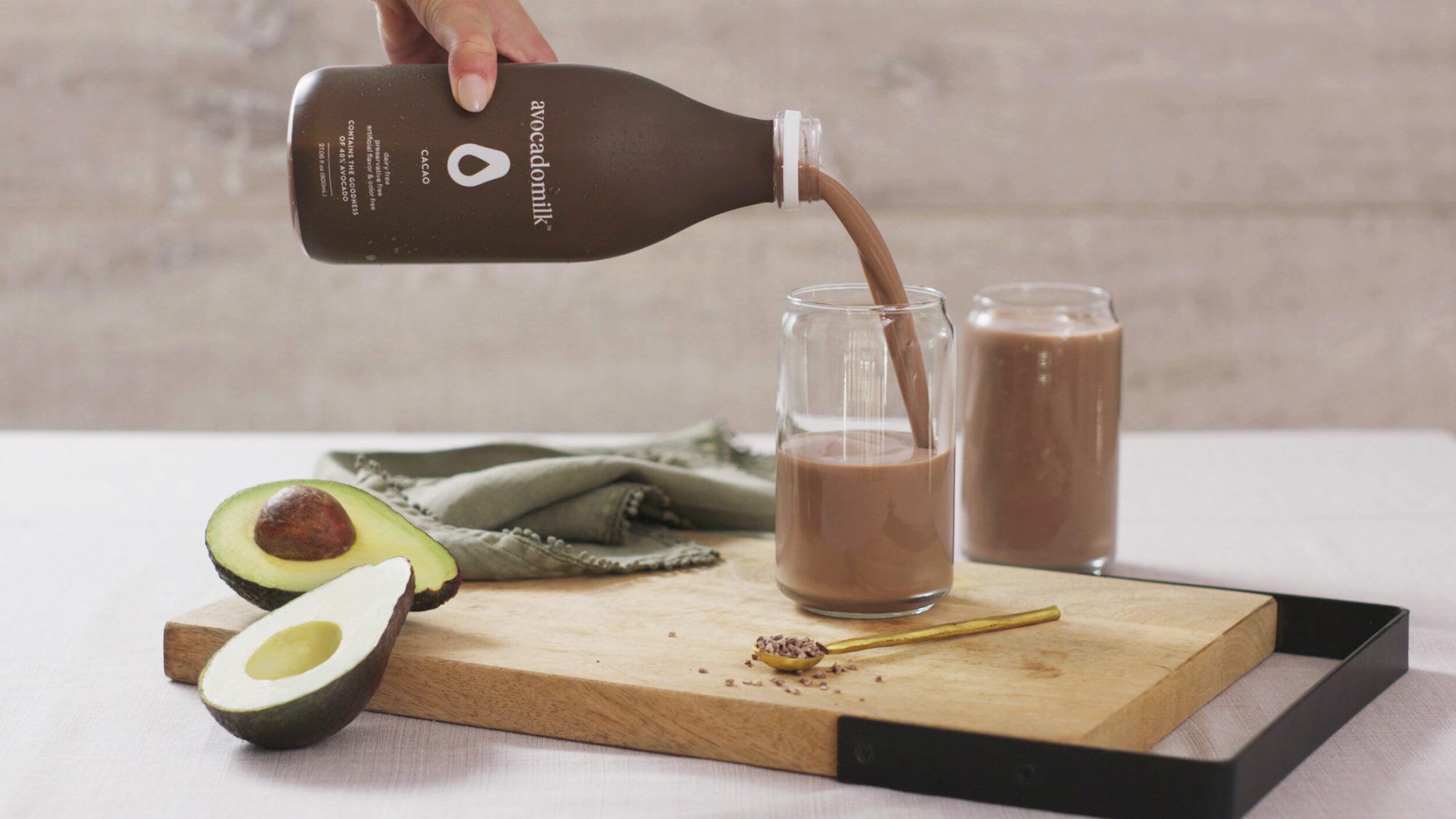
If regular dairy milk and your stomach have officially “consciously uncoupled,” welcome to the modern beverage aislewhere the word milk now includes oats, peas, and occasionally something that sounds like it belongs in a bird feeder. The good news: dairy-free and plant-based milk alternatives are no longer just sad, watery imposters. Many are genuinely tasty, wildly versatile, andwhen you choose wiselynutritionally helpful too.
The tricky part is that plant-based milks aren’t interchangeable. One is great in coffee, another shines in smoothies, and a third might be perfect for baking but tastes like “beige.” Some are naturally low in protein; others are fortified to look more like dairy on a nutrition label. And while they’re often marketed as “healthy,” sweetened versions can quietly deliver dessert vibes in a breakfast carton.
This guide breaks down 12 popular dairy-free milk alternativeswhat they’re made of, how they usually stack up nutritionally, what they’re best for, and what to watch for. You’ll also get practical shopping tips, cooking swaps, and real-life “here’s what people actually run into” experiences at the end.
Why People Switch to Plant-Based Milk
Most people don’t ditch dairy because they woke up craving a new identity as “Almond Person.” They switch for practical reasons: lactose intolerance, dairy allergy, a vegan diet, taste preferences, digestive comfort, environmental concerns, or simply wanting more options.
Plant-based milk can also help you build a routine you’ll stick with. If you love a creamy latte, you’re more likely to keep making coffee at home. If you hate how milk makes you feel, you’re more likely to skip it entirelymeaning you might miss out on nutrients that dairy can provide (like protein, calcium, and vitamin D) unless you replace them thoughtfully.
How to Choose the Right Milk Alternative (Without Needing a PhD in Carton Studies)
1) Decide what you need most: protein, creaminess, or low sugar
Different base ingredients create very different “nutrition personalities.” Soy and pea milks are commonly higher in protein. Almond milk is often low in calories but also low in protein. Oat milk tends to be creamier (great in coffee), but it’s often higher in carbs. Your “best” pick depends on how you use it.
2) Look for fortification (especially calcium + vitamin D)
Many plant-based milks are fortified with calcium and vitamin Dand sometimes vitamin A and vitamin B12. That fortification matters if you’re relying on plant-based milk as a dairy replacement, not just a fun beverage. Check the Nutrition Facts panel; don’t assume.
3) Choose unsweetened most of the time
“Original,” “vanilla,” and “barista” can be delicious, but they can also add sugar fast. If you drink plant milk daily (cereal, coffee, smoothies), unsweetened versions usually make it easier to stay in control of added sugars without feeling like you’re on a flavor punishment plan.
4) If you’re feeding kids, double-check protein and nutrients
Kids (and teens) need protein, calcium, vitamin D, and other nutrients for growth. If dairy is off the table, fortified soy beverage is often considered the closest nutritional “stand-in” for milk in everyday use, and some pea milks can be similarespecially when fortified. Talk to a pediatric clinician or registered dietitian if milk was a major nutrient source in your household.
5) Understand labeling: “Milk” is a category now
In the U.S., plant-based beverages like soy milk and oat milk are commonly labeled as “milk,” and federal guidance has focused on clear naming (the plant source) plus optional nutrient statements when key nutrients are lower than dairy milk. Translation: the label should help you compare what you’re actually getting, not just what the front of the carton promises.
The 12 Best Dairy-Free and Plant-Based Milk Alternatives
1) Soy Milk
Best for: everyday drinking, cereal, smoothies, baking, and high-protein swaps.
Soy milk is the classic plant-based option for a reason: it’s often the most nutritionally comparable to dairy milk, especially in protein. Many brands are fortified with calcium and vitamin D, making it a strong “default” choice if you want a true substitute rather than just a coffee accessory.
What it’s like: mild, slightly nutty/bean-like, creamy when well-formulated.
Watch-outs: soy is an allergen for some people; flavored versions can be sugary. If you’re sensitive to taste, try different brands they vary a lot.
2) Oat Milk
Best for: coffee drinks, creamy vibes, pancakes/waffles, and “I want dairy texture” moments.
Oat milk’s popularity didn’t happen by accidentit foams well in many coffee setups and usually has a naturally sweet, cozy flavor. It tends to be higher in carbohydrates than some other options, and calories can climb depending on the brand and whether it’s a barista blend.
What it’s like: creamy, slightly sweet, very “latte-friendly.”
Watch-outs: some brands contain added oils for texture; some people prefer “just oats + water + salt” formulas. If you’re watching carbs or added sugar, read the label carefully.
3) Almond Milk
Best for: low-calorie sipping, smoothies, cereal (if you don’t mind it lighter), and cooking when you don’t need much protein.
Almond milk is often the “light and easy” choice. Many unsweetened versions are low in calories, but they’re typically low in protein tooso it’s not always the best one-to-one replacement for dairy if protein matters in your diet.
What it’s like: mild, slightly nutty, usually thin-to-medium texture.
Watch-outs: almonds are a tree nut allergen; sweetened almond milks can turn coffee into a sneaky dessert.
4) Pea Milk
Best for: higher-protein needs, smoothies, cereal, and some coffee applications (especially “barista” versions).
Pea milk (often made from yellow peas) is a newer favorite because it can offer protein levels similar to dairy milk. Many versions are fortified, and the taste has improved a lot with better processing and blends.
What it’s like: creamy, neutral-to-slightly earthy, often designed to mimic dairy texture.
Watch-outs: some people notice a “planty” aftertaste in certain brandstry a different one before you give up.
5) Coconut Milk Beverage (Carton Style)
Best for: tropical flavor, smoothies, and light sipping; also handy for recipes where coconut taste is welcome.
Coconut milk beverages (the kind in cartons) are different from canned coconut milk used in curries. Carton versions are usually thinner and often lower in protein. Coconut’s signature trait is saturated fat (though amounts vary widely by product).
What it’s like: coconut-forward, smooth, sometimes watery depending on brand.
Watch-outs: if you’re limiting saturated fat, compare labels; if you hate coconut flavor, this is not the time to “be adventurous.”
6) Cashew Milk
Best for: creamy coffee, soups, sauces, and “I want silkiness without oats.”
Cashew milk is known for a naturally creamy mouthfeel even when it’s not heavy. It’s often lower in protein, but it can be a great culinary milk for blending into savory dishes.
What it’s like: smooth, rich, subtle sweetness.
Watch-outs: tree nut allergen; watch added sugar in flavored versions.
7) Hemp Milk
Best for: smoothies and people who like a “nutty-seed” flavor with healthy fats.
Hemp milk is made from hemp seeds and is often praised for its fat profile (including omega-3 and omega-6 fats). Protein content varies by brand, and it’s frequently fortified.
What it’s like: nutty, slightly grassy, best when blended with fruit or cocoa.
Watch-outs: can separateshake well. If you want a neutral milk for coffee, this may not be your first pick.
8) Rice Milk
Best for: people avoiding soy and nuts, light taste, and some baking uses.
Rice milk tends to be thin and naturally sweeter. It’s often higher in carbohydrates and typically low in protein. Many brands fortify it with calcium and vitamin D, but it’s still usually not as protein-rich as dairy or soy.
What it’s like: very mild, slightly sweet, watery texture.
Watch-outs: if you need a high-protein milk for kids/teens or for meal-level nutrition, rice milk often isn’t the strongest choice unless your overall diet covers those gaps.
9) Flax Milk
Best for: low-carb routines, smoothies, and people who want an alternative with a different fat profile.
Flax milk is typically low in protein, but it can be fortified and is often positioned as a lighter option. The flavor is usually mild and works well in smoothies or cereal if you don’t need thick foam.
What it’s like: light, slightly nutty/seed-like, generally neutral.
Watch-outs: separation is commonshake it like it owes you money.
10) Hazelnut Milk
Best for: coffee, desserts, and flavor-forward sipping.
Hazelnut milk is basically the “fancy café” option. It can make coffee taste like a dessert even when it’s unsweetened, and it pairs well with cocoa, vanilla, and warm spices.
What it’s like: aromatic, nutty, naturally “toasty.”
Watch-outs: tree nut allergen; sweetened versions can be very sugary.
11) Macadamia Milk
Best for: creamy texture, coffee, and people who want a mild, buttery vibe.
Macadamia milk is typically low in protein, but it’s loved for its creamy feel and subtle flavor. It can be a great “treat yourself” carton that’s still dairy-freeespecially in hot drinks.
What it’s like: smooth, slightly buttery, mellow.
Watch-outs: can be pricier; check fortification if it’s a daily staple.
12) Blends (Soy-Oat, Almond-Coconut, Pea-Oat, and “Next-Gen” Mixes)
Best for: people who want better texture and better nutrition in one carton.
Blended plant milks are increasingly common because they solve a real problem: one ingredient might provide creaminess (oat), while another boosts protein (soy or pea), and a third adds flavor (coconut or almond). Many “dairy-mimicking” products also use blends plus emulsifiers to copy the mouthfeel of cow’s milk.
What it’s like: often the most “milk-like” in texture and taste, depending on the blend.
Watch-outs: ingredient lists can be longer; if you prefer minimal processing, choose simpler formulas.
Quick Pairing Guide: What to Use Where
- For coffee and lattes: oat milk, barista-style soy, macadamia milk, cashew milk, or blended “mimic” milks.
- For smoothies: soy, pea, oat, hemp, or flax (depending on flavor goals).
- For cereal and everyday sipping: soy, pea, oat, almond (if you don’t need protein), or blends.
- For baking: soy, oat, or pea milks tend to behave predictably; almond works in many recipes but can be thinner.
- For savory cooking: cashew milk for creaminess; unsweetened soy or oat for neutral base; canned coconut milk (not carton) for curries.
Common Questions People Google at 1:00 a.m.
Is plant-based milk “healthier” than dairy?
Sometimes, but not automatically. Unsweetened, fortified plant-based milks can be great choices. But nutrition varies wildly by type and brand. Dairy milk naturally provides high-quality protein and key nutrients; plant-based milks may need fortification to match some of that, and many are lower in protein unless they’re soy- or pea-based.
Which is closest to dairy milk?
For many people, fortified soy milk is the most similar overall in daily use and nutrient profile. Some fortified pea milks and soy/pea blends also come close, especially when the goal is protein plus calcium and vitamin D.
What should I look for on the label?
As a simple checklist: unsweetened (if you drink it daily), fortified calcium + vitamin D, and protein that fits your needs. If you’re dairy-free and not eating animal products, also look for vitamin B12 fortification somewhere in your diet.
Real-Life Experiences After Switching to Plant-Based Milk (About )
Here’s the part people rarely tell you until you’ve already bought three cartons and a brand-new level of emotional attachment to your morning coffee: switching milk isn’t just a nutrition choiceit’s a “tiny daily habit” change, and tiny daily habits are surprisingly powerful (and picky).
Experience #1: Coffee is the first battleground. Many people try a plant milk, watch it separate or refuse to foam, and assume they chose “the wrong lifestyle.” Usually, they just chose the wrong milk for coffee. Oat milk and barista-style soy are popular because they tend to create smoother texture and better foam than thinner options. Almond milk can work, but some brands are so light they behave more like flavored water with ambition. A common fix is choosing a “barista blend,” which often includes added fats or stabilizers designed specifically for heat and frothing.
Experience #2: Taste preferences are weirdly brand-specific. Two oat milks can taste like completely different products: one creamy and lightly sweet, another like a bowl of raw oatmeal had a meeting with your espresso. That’s why people who “hate oat milk” often end up liking a different oat milk later. The same goes for soy milksome brands lean neutral, others taste more “bean-forward.”
Experience #3: The sugar surprise is real. Plenty of people start out thinking plant-based milk is automatically healthier, then discover they’ve been drinking sweetened “original” in smoothies, cereal, and coffeethree times a day. The good news is that switching to unsweetened versions usually becomes normal fast, especially if you add flavor elsewhere (fruit in smoothies, cinnamon in oatmeal, vanilla extract in baking).
Experience #4: Cooking is easier than you thinkuntil it isn’t. For baking, most plant milks swap in smoothly. But for sauces and soups, thickness matters. People often learn that cashew milk can add creaminess without much extra flavor, while rice milk may be too thin for a “creamy” recipe unless you reduce it or use a thickener. And coconut milk is a special case: carton coconut milk is usually too light for curries, while canned coconut milk is rich enough to turn a pot of vegetables into a vacation.
Experience #5: Your “best” milk can change by situation. Many households end up with a two-carton strategy: a high-protein option (soy or pea) for smoothies and daily nutrition, and a coffee-friendly option (oat or macadamia) for lattes. It sounds extra, but it’s often cheaper than daily café runsand dramatically less disappointing than forcing one milk to do every job.
Conclusion
Dairy-free and plant-based milk alternatives aren’t a single categorythey’re a lineup of very different products pretending to be the same thing. If you want the closest “daily milk” substitute, start with unsweetened fortified soy or fortified pea milk. If you want café-style creaminess, oat milk and well-formulated blends are often the winners. And if you’re here for flavor, hazelnut and coconut can turn ordinary drinks into something worth looking forward to.
The easiest way to win is to match the milk to the job, choose unsweetened when it’s a daily staple, and check for fortification if you’re replacing dairy long-term. Your fridge can handle two cartons. Your taste buds will thank you.