Thanksgiving dinner is more than a meal. It is a family reunion, a culinary obstacle course, and the one day of the year when three different carbohydrates can sit on the same plate without anyone calling the authorities. Turkey gets the spotlight, mashed potatoes get the gravy, cranberry sauce gets debated, and pumpkin pie politely waits for everyone to pretend they still have room.
But behind every Thanksgiving food is a story. Some dishes are older than the holiday itself. Others were shaped by 20th-century convenience cooking, regional traditions, agricultural trends, and a few very clever food marketers. The “traditional Thanksgiving dinner” most Americans picture today did not arrive fully formed in 1621 with a golden-brown turkey and a casserole dish full of green beans. It evolved over centuries.
Below are 10 fascinating facts about your favorite Thanksgiving foods, from turkey and stuffing to cranberry sauce, sweet potatoes, green bean casserole, pumpkin pie, and the sacred mountain range known as mashed potatoes.
1. Turkey Became the Star Because It Was Practical
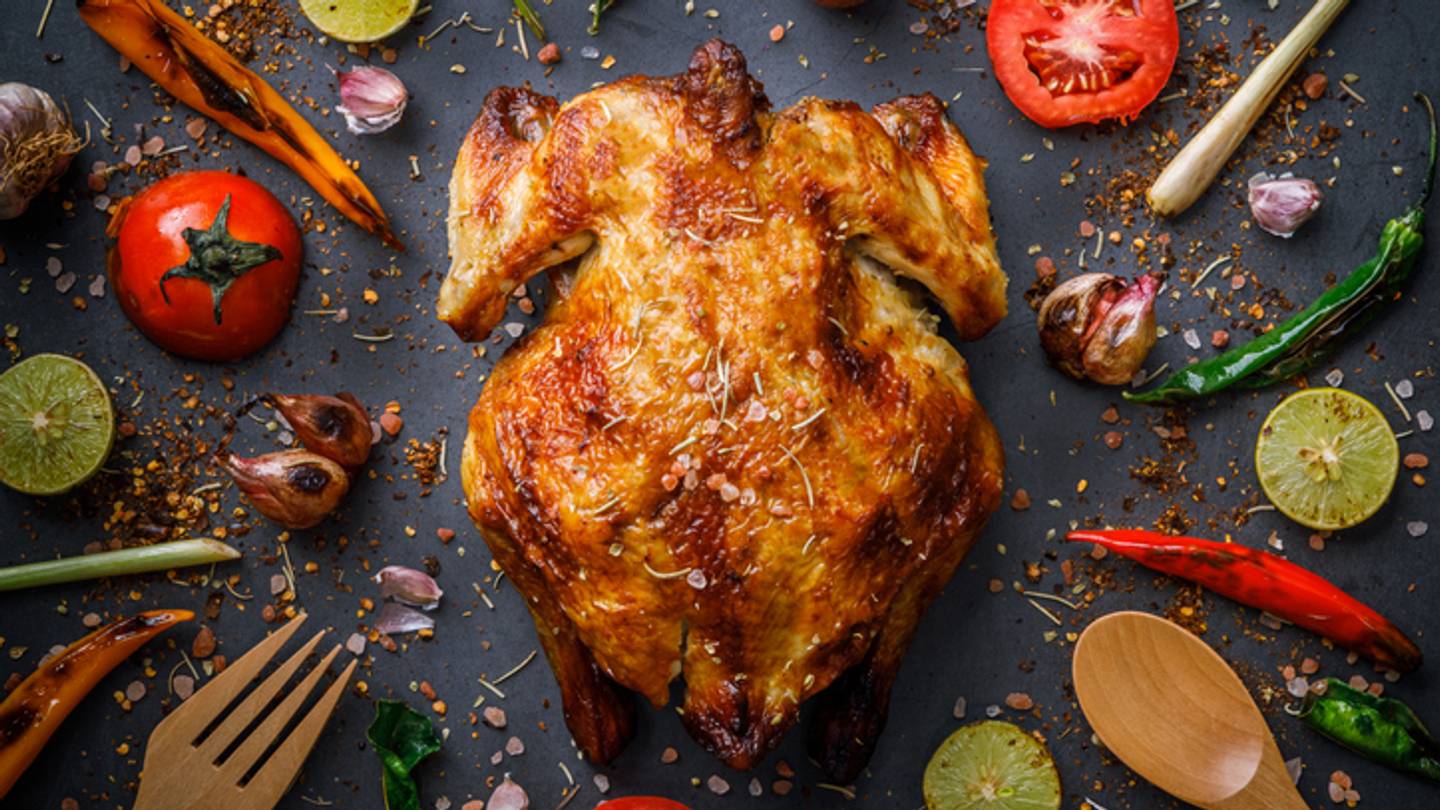
Turkey is the headliner of Thanksgiving dinner, but it was not automatically destined for the role. Historians believe wild fowl may have been served at the 1621 harvest meal shared by the Pilgrims and the Wampanoag, but the menu likely included venison, seafood, corn, and seasonal foods as well. In other words, the first Thanksgiving table may have looked less like a modern supermarket ad and more like a coastal harvest feast.
Turkey eventually became the holiday centerpiece because it made practical sense. A large bird could feed a crowd, and unlike cows or chickens, turkeys were not as valuable for ongoing milk or egg production. They were also native to North America, widely available, and impressive enough to carry a holiday table without needing a publicist.
Today, millions of turkeys are served across the United States during Thanksgiving week. Roasted, smoked, fried, spatchcocked, or reluctantly rescued from dryness with gravy, turkey remains the edible symbol of the holiday. Its success comes from a rare combination of size, tradition, and the fact that it pairs beautifully with almost every side dish on the table.
2. The First Thanksgiving Probably Did Not Include Pumpkin Pie
Pumpkin pie feels essential to Thanksgiving, but it almost certainly was not served in the form we know today at the 1621 feast. Early colonists had pumpkins and squash, but they did not necessarily have the butter, refined flour, ovens, or pie-making setup needed for a flaky crust. A crustless pumpkin preparation would have been more realistic than the custardy dessert now parked next to the whipped cream.
The pumpkin pie we recognize developed later, as European pie-making methods met North American ingredients. Early American recipes used stewed pumpkin, milk or cream, eggs, sugar, and warming spices such as ginger, nutmeg, mace, and allspice. Over time, pumpkin pie became a symbol of fall abundance, home cooking, and the kind of dessert that makes people say, “Just a small slice,” before cutting something the size of a roof shingle.
Pumpkin pie’s popularity also grew because it is deeply seasonal. It tastes like autumn in a crust: earthy pumpkin, sweet spice, and enough nostalgia to make even the family member who “doesn’t like dessert” ask for a fork.
3. Cranberry Sauce Is Native, Tart, and Surprisingly Modern
Cranberries are native to North America, and Indigenous communities used them long before they became a Thanksgiving side dish. They were valued as food, dye, and in some traditional preparations. Their bright color and tart flavor made them a natural partner for rich meats, but cranberry sauce as we know it required sugar, which was not exactly sitting around in unlimited supply in early colonial kitchens.
That means cranberry sauce is both old and modern. The berry itself has deep roots in North American foodways, while the sweetened sauce became more common later as sugar became easier to obtain. Canned cranberry sauce turned the dish into a national convenience food, especially in the 20th century. The jellied version, with its heroic can ridges, remains one of Thanksgiving’s most polarizing foods.
Some families love whole-berry cranberry sauce with orange zest. Others insist the cylinder must slide from the can with a dramatic wobble. Neither side is completely wrong. Thanksgiving is, after all, a holiday where peace is maintained by letting everyone have their preferred cranberry personality.
4. Mashed Potatoes Are a Later Addition, But Now They Are Nonnegotiable
Mashed potatoes were not part of the original 1621 feast. Potatoes are native to the Americas, but they were not yet a staple of English colonial cooking in New England at that time. Their journey into American comfort food took time, migration, agriculture, and a national appreciation for butter.
Today, potatoes are among the most consumed vegetables in the United States, and mashed potatoes are one of the most beloved Thanksgiving side dishes. They work because they are simple, flexible, and designed to carry gravy like a delicious edible bowl. Whether made with russets, Yukon Golds, cream, butter, roasted garlic, sour cream, or a family secret that is probably more butter, mashed potatoes bring balance to the plate.
The secret to great mashed potatoes is texture. Overworked potatoes can turn gluey, while under-seasoned potatoes taste like disappointment in a cardigan. The best version is fluffy, creamy, salted with confidence, and served hot enough to melt the gravy into every little valley.
5. Stuffing and Dressing Are Cousins With Regional Attitudes
Stuffing and dressing are often treated as the same dish, but the name can reveal where someone grew up. In many Northern states, “stuffing” is the common term, even if it is baked separately in a casserole dish. In much of the South, “dressing” is the preferred name, especially when cornbread is involved. In parts of Pennsylvania Dutch country, you may even hear “filling,” because apparently one name was not enough for seasoned bread.
The basic idea is ancient: stretch bread, grains, herbs, fat, and aromatics into something flavorful. Thanksgiving versions vary wildly. Some families use white bread and sage. Others use cornbread, sausage, oysters, apples, chestnuts, wild rice, mushrooms, or enough celery to make the chopping board question its purpose.
Food safety experts generally recommend cooking stuffing separately rather than inside the turkey, because stuffing inside the bird must reach a safe internal temperature. A separate dish also gives you more crispy edges, which are the legal tender of Thanksgiving side dishes.
6. Sweet Potato Casserole Has a Marketing Story
Sweet potatoes are naturally sweet, colorful, and nutrient-rich, especially known for their vitamin A content. They have long been grown and eaten in the United States, particularly in Southern cooking. But the marshmallow-topped sweet potato casserole many people associate with Thanksgiving has a more modern twist.
In the early 20th century, marshmallow companies promoted recipes that paired their product with sweet potatoes. The combination stuck. Today, sweet potato casserole can lean savory, with pecans and herbs, or dessert-like, with brown sugar, butter, cinnamon, and marshmallows toasted until they look like tiny edible pillows.
This dish inspires strong opinions. Some people believe marshmallows belong on sweet potatoes. Others believe the casserole is one sprinkle away from becoming dessert. The truth is simple: Thanksgiving has room for both. If your table already contains pie, rolls, potatoes, and cranberry sauce, a sweet potato casserole wearing a marshmallow hat is hardly the most chaotic guest.
7. Green Bean Casserole Was Invented in 1955
Green bean casserole feels timeless, but it is actually a mid-century invention. The dish was created in 1955 by Dorcas Reilly, a home economist working in Campbell’s test kitchen in Camden, New Jersey. The goal was to create an easy recipe using ingredients many American households already had: canned green beans, cream of mushroom soup, and crispy fried onions.
Originally called “Green Bean Bake,” the recipe became a holiday classic after it appeared on soup labels and in home kitchens across the country. Its genius lies in its simplicity. It is creamy, salty, crunchy, and green enough to count as a vegetable even when surrounded by soup and fried onions.
Green bean casserole also tells a bigger story about American food culture. It reflects the rise of convenience cooking, supermarket branding, and recipe development aimed at busy home cooks. Some modern versions use fresh green beans, homemade mushroom sauce, or crispy shallots, but the classic version still has loyal fans. Nostalgia, like cream of mushroom soup, is powerful stuff.
8. Corn Connects Thanksgiving to Indigenous Foodways
Corn is one of the most meaningful foods associated with Thanksgiving history. Maize was cultivated by Indigenous peoples long before European settlers arrived, and it became essential to survival in early colonial New England. At the 1621 harvest gathering, corn was far more likely to appear than many modern Thanksgiving favorites.
Today, corn shows up in several forms: cornbread, corn pudding, creamed corn, succotash, or cornbread dressing. Each version reflects a different regional tradition. In the South, cornbread is often the backbone of dressing. In other regions, corn pudding may bring a soft, custardy sweetness to the table.
Corn’s role reminds us that Thanksgiving food is not just about recipes. It is also about history, land, agriculture, and the exchange of knowledge. A bowl of corn pudding may look humble, but it carries centuries of food culture with it.
9. Gravy Is the Great Unifier
Gravy may not get the same attention as turkey or pie, but it is the glue that holds the Thanksgiving plate together. Dry turkey? Gravy. Plain potatoes? Gravy. Stuffing that needs a little emotional support? Gravy. It is the sauce with a diplomatic passport.
Thanksgiving gravy is usually made from pan drippings, stock, flour or cornstarch, and seasoning. The best versions taste deeply savory, with enough body to coat a spoon but not so much thickness that they qualify as construction material. A good gravy can rescue an imperfect turkey and elevate a simple plate into something memorable.
It also rewards planning. Homemade stock, roasted turkey parts, or well-managed pan drippings can create a gravy with real depth. But even a simple gravy made carefully can win the day. The key is to taste as you go, whisk like you mean it, and avoid panic. Gravy can smell fear.
10. Leftovers Are Their Own Thanksgiving Tradition
Thanksgiving leftovers are not an accident. They are practically a second holiday. Turkey sandwiches, stuffing waffles, mashed potato cakes, cranberry-turkey sliders, and late-night forkfuls of pie all prove that the meal continues long after the table is cleared.
Food safety matters, though. Per USDA guidance, perishable Thanksgiving foods should be refrigerated within two hours. Leftovers should be stored in shallow containers so they cool quickly and safely. Cooked turkey, stuffing, and many side dishes are generally best eaten within three to four days when refrigerated. If you want them to last longer, freezing is the smarter move.
Leftovers also reveal the true personality of a Thanksgiving household. Some people label containers neatly. Some build sandwiches with architectural precision. Others stand in the refrigerator light at midnight eating cold green bean casserole with a spoon. No judgment. The holiday spirit works in mysterious ways.
Why Thanksgiving Foods Feel So Personal
Thanksgiving foods are not just famous because they taste good. They matter because they carry memory. A dish may remind you of a grandparent’s kitchen, a childhood table, a first apartment, a blended family, or a year when everyone burned the rolls and laughed anyway. Food becomes tradition when people repeat it with feeling.
That is why Thanksgiving menus can be surprisingly emotional. Change the cranberry sauce, and someone may react as if you rewrote the Constitution. Replace the classic stuffing with a trendy grain salad, and an uncle may stare into the distance like a man betrayed by quinoa. The holiday table is about comfort, and comfort is rarely logical.
Every family has its own rules. Some require both pumpkin and pecan pie. Some serve macaroni and cheese as a sacred side. Some fry the turkey outdoors while everyone else pretends not to worry. Some include tamales, lasagna, rice dishes, seafood, collard greens, or dishes from immigrant traditions that have become just as central to the family feast as turkey.
That variety is part of what makes Thanksgiving food so American. The holiday menu is not frozen in time. It grows, adapts, and absorbs new flavors while still making room for the old favorites. The most meaningful Thanksgiving dish is not always the most “historic” one. Sometimes it is simply the one that disappears first.
Experiences Related to Favorite Thanksgiving Foods
Anyone who has hosted Thanksgiving knows the meal begins long before the turkey enters the oven. It starts with the grocery list, which somehow expands from “just the basics” into a shopping cart that looks like it is preparing for a small weather emergency. You buy potatoes in bulk, debate fresh versus canned cranberries, check whether you still have poultry seasoning from last year, and wonder why every recipe needs a different kind of onion.
The turkey usually becomes the household project manager. It demands thawing space, oven time, seasoning decisions, and at least one person willing to wake up early. There is always a moment when someone asks, “Is it done?” and everyone suddenly remembers they are not a poultry scientist. This is where a meat thermometer becomes the hero no one applauds but everyone needs.
Mashed potatoes bring their own drama. They seem simple until you are peeling a mountain of potatoes while guests arrive early and someone asks where the serving spoons are. Yet the reward is immediate. When hot mashed potatoes hit the bowl, glossy with butter and ready for gravy, the room becomes calmer. Potatoes have that power. They do not ask questions. They simply help.
Stuffing or dressing often carries the deepest family identity. One person wants it soft. Another wants crispy edges. Someone insists on sage because “that is how we have always done it.” Someone else suggests adding sausage, apples, or mushrooms and is treated like a contestant on a cooking show with very strict judges. In the end, the best stuffing is usually the one that tastes like the version people remember.
Cranberry sauce is the table’s comedian. Fresh cranberry relish looks bright and elegant, but the canned version arrives with a sound effect. That gentle slide from the can is part food, part performance art. Some guests slice it into perfect circles. Others mash it into turkey. A few avoid it entirely, only to discover later that its tartness is exactly what their rich, buttery plate needed.
Green bean casserole is another memory magnet. It may not be the fanciest side, but it has confidence. It shows up creamy, crunchy, and completely unconcerned with modern plating trends. Even people who claim they prefer fresh vegetables often take a scoop “for nostalgia,” then return for seconds when they think no one is watching.
Sweet potato casserole can feel like dessert wearing a side-dish costume. The marshmallows brown, the pecans toast, and the brown sugar bubbles around the edges. Children understand it immediately. Adults pretend to debate whether it belongs next to dinner or pie, then eat it in both places.
Pumpkin pie closes the meal with quiet authority. After a table full of turkey, gravy, potatoes, stuffing, and casseroles, pumpkin pie should be impossible. Yet somehow, a slice appears. Maybe it is the spice. Maybe it is the whipped cream. Maybe it is the holiday magic of finding room where no room exists.
The best Thanksgiving food experience is not perfection. It is the beautiful mess: the crowded kitchen, the warm plates, the forgotten rolls, the too-small refrigerator, the family stories, and the leftovers stacked like edible trophies. These foods matter because they bring people back to the table, year after year, ready to eat, laugh, argue gently about pie, and be grateful together.
Conclusion
The story of Thanksgiving food is richer than any single plate. Turkey became popular because it was practical and plentiful. Pumpkin pie, mashed potatoes, cranberry sauce, and green bean casserole developed over time through agriculture, home cooking, regional traditions, and clever convenience-food marketing. Corn connects the holiday to Indigenous foodways, while stuffing, dressing, gravy, and leftovers show how families turn ingredients into rituals.
So the next time you sit down to Thanksgiving dinner, look at the table as more than a collection of dishes. It is a delicious timeline of American food history, family memory, regional pride, and the annual miracle of fitting one more spoonful of mashed potatoes onto a plate that clearly reached capacity five minutes ago.