Note: This article is for educational purposes only and should not replace a personal eye exam or medical advice from an ophthalmologist or optometrist.
LASIK can feel almost magical: you walk into a clinic with glasses, lasers do their tiny sci-fi dance, and suddenly the alarm clock across the room no longer looks like a blurry red jellyfish. But there is one very common side effect that deserves honest attention before anyone starts planning a glasses-free victory lap: dry eyes.
LASIK and dry eyes are closely connected because the procedure temporarily affects the cornea, tear production, and the nerves that help your eyes know when they need moisture. For many people, dry eye after LASIK is mild and temporary. For others, especially people who already had dry eye symptoms before surgery, it can become more annoying, last longer, and affect vision quality during recovery.
The good news? Post-LASIK dry eye is not a mystery monster hiding under the eye chart. Doctors understand many of the causes, can screen for risk factors, and have several prevention and treatment options. The key is to take dry eye seriously before surgery, not after your eyes start feeling like they have been lightly seasoned with desert sand.
What Is Dry Eye After LASIK?
Dry eye happens when your eyes do not produce enough tears, when the tears evaporate too quickly, or when the tear film is poor quality. A healthy tear film is not just “water.” It has layers of oil, water, and mucus that work together to keep the surface of the eye smooth, comfortable, and clear.
After LASIK, some patients notice burning, stinging, scratchiness, redness, watery eyes, blurry vision, light sensitivity, or a feeling that something is stuck in the eye. Oddly enough, watery eyes can still be a dry eye symptom. Those extra tears may be reflex tears, which are more like the eye’s emergency sprinkler system than a well-balanced moisturizing plan.
Dry eye after LASIK can also make vision fluctuate during the day. You may see clearly in the morning, then feel like your vision gets foggy after hours of laptop work, air conditioning, driving, or staring at your phone like it contains the secrets of the universe.
Why LASIK Can Cause Dry Eyes
1. Corneal Nerves Are Temporarily Disrupted
During LASIK, the surgeon creates a thin flap in the cornea and reshapes the underlying tissue with a laser. The cornea contains many tiny nerves that help control tear production and blinking. When these nerves are temporarily disrupted, the eye may not sense dryness as well as it did before.
That means your eye can be dry without sending the usual “please add moisture” message. It is a bit like having a smoke detector with low batteries: the problem may be real, but the warning system is not working at full strength.
2. Tear Production May Drop During Healing
LASIK can temporarily reduce tear production. Less tear production means the eye surface may not stay evenly coated, especially during the first few weeks or months after surgery. This is why artificial tears are commonly recommended during LASIK recovery.
3. The Tear Film Can Become Unstable
Even when your eyes produce tears, those tears need to spread evenly and stay on the eye long enough to do their job. LASIK-related inflammation, changes in blinking, or pre-existing meibomian gland dysfunction can cause tears to evaporate too quickly. Meibomian glands produce the oily layer of tears, and when they do not work well, tears can vanish faster than snacks at a school event.
4. Inflammation Can Add Fuel to the Fire
Any surgery creates a healing response. Mild inflammation after LASIK is expected, but inflammation can worsen dryness and irritation. This is one reason doctors may prescribe anti-inflammatory drops after surgery and monitor the eye surface during follow-up visits.
Who Is at Higher Risk for Dry Eye After LASIK?
Anyone can experience dry eyes after LASIK, but certain people have a higher chance of developing symptoms that are stronger or longer-lasting.
People Who Already Have Dry Eyes
Pre-existing dry eye is one of the biggest risk factors. Some people choose LASIK because contact lenses feel uncomfortable, but contact lens intolerance may already be a clue that the eye surface is dry or irritated. If dry eye is not treated before surgery, LASIK may make symptoms worse.
People With Blepharitis or Meibomian Gland Dysfunction
Blepharitis is inflammation around the eyelids. Meibomian gland dysfunction affects the oil-producing glands in the eyelids. Both can damage tear quality and increase the risk of post-LASIK dryness. Doctors may recommend lid hygiene, warm compresses, prescription treatments, or other therapies before clearing someone for surgery.
People With High Prescriptions
Patients who need larger corrections may have more corneal reshaping, which can increase the chance of dry eye symptoms. This does not automatically mean LASIK is off the table, but it does mean the pre-surgery exam matters.
People Taking Certain Medications
Some medications can contribute to dry eyes, including certain allergy medicines, acne medications, antidepressants, blood pressure medications, and hormonal therapies. Never stop a prescribed medication on your own, but do tell your eye doctor what you take. Your medication list is not boring paperwork; it is part of your eye’s biography.
People With Autoimmune or Systemic Conditions
Conditions such as Sjögren’s disease, rheumatoid arthritis, lupus, thyroid eye disease, and diabetes can affect the eyes and healing. Some people with these conditions may not be good LASIK candidates, while others may need extra evaluation and careful management.
Heavy Screen Users
Screen time does not cause LASIK dry eye by itself, but it can make symptoms worse. People blink less when staring at screens, and fewer blinks mean more tear evaporation. If your job or school life involves long hours on a computer, your recovery plan should include screen breaks and lubrication.
Common Symptoms of Post-LASIK Dry Eye
Dry eye after LASIK can feel different from person to person. Some describe it as burning. Others say their eyes feel gritty, tired, sticky, or strangely watery. Common symptoms include:
- Burning, stinging, or scratchy eyes
- Redness or irritation
- Blurry or fluctuating vision
- Light sensitivity
- Watery eyes
- Eye fatigue, especially after reading or screen use
- A foreign-body sensation, like an eyelash is trapped in the eye
- Discomfort in wind, dry rooms, or air conditioning
These symptoms are often strongest early in recovery. However, if symptoms get worse, become painful, or come with sudden vision changes, you should contact your eye doctor promptly.
How Long Do Dry Eyes Last After LASIK?
For many patients, dry eye symptoms improve within weeks to months as the cornea heals and nerve function gradually recovers. Some people feel mostly normal after a few weeks. Others need lubricating drops for several months. A smaller group may have persistent symptoms that require ongoing treatment.
It is important to avoid comparing your recovery timeline with someone else’s. Your friend may have returned to normal in two weeks, while your eyes may need three months and a small suitcase full of preservative-free artificial tears. That does not automatically mean something is wrong; it means healing is personal.
How Doctors Check for Dry Eye Before LASIK
A careful LASIK evaluation should include more than measuring your glasses prescription and saying, “Great, please stare at the laser.” Your doctor should look at the health of your cornea, eyelids, tear film, and overall eye surface.
Common dry eye screening may include questions about symptoms, tear breakup time, corneal staining, tear volume testing, eyelid and meibomian gland evaluation, and review of your contact lens history. The goal is to find hidden dry eye before surgery, because untreated dry eye can affect healing, comfort, and even the accuracy of measurements used for LASIK planning.
Can You Get LASIK If You Already Have Dry Eyes?
Sometimes, yes. But the dry eye should be diagnosed, treated, and stable before surgery. Mild dry eye does not always disqualify a person from LASIK. Severe or uncontrolled dry eye may make LASIK a poor choice, at least until the eye surface improves.
Your doctor may recommend treating dry eye first, delaying surgery, or considering another vision correction option. The best LASIK candidate is not simply someone who wants to throw their glasses into a drawer. It is someone whose eyes are healthy enough to heal well after the procedure.
How to Prevent Dry Eyes Before LASIK
Get a Complete Dry Eye Evaluation
The best prevention starts before surgery. Tell your doctor if your eyes burn, water, feel gritty, or get tired with screens. Mention contact lens discomfort, allergy symptoms, eyelid crusting, and any history of autoimmune disease. Do not underreport symptoms because you want to “pass” the LASIK exam. This is your eyesight, not a pop quiz.
Treat Eyelid Problems First
If you have blepharitis, clogged oil glands, or eyelid inflammation, your doctor may suggest warm compresses, lid cleaning, prescription drops, or in-office treatments. Improving eyelid health can improve tear quality and reduce the chance of post-surgery irritation.
Use Artificial Tears if Recommended
Preservative-free artificial tears are often used before and after LASIK, especially for people with dry eye risk factors. Follow your doctor’s instructions on frequency and product type. More is not always better if you are using the wrong drops, especially drops that “get the red out” but do not treat dryness.
Pause Contact Lenses Before Measurements
Contact lenses can temporarily change the shape of the cornea and may worsen dryness in some people. Your clinic will tell you when to stop wearing contacts before LASIK testing. Follow that schedule carefully so your measurements are accurate.
Manage Your Environment
Dry air, ceiling fans, car vents, smoke, and long screen sessions can aggravate dry eye. Before LASIK, it helps to build eye-friendly habits: blink fully, take screen breaks, avoid direct airflow, and consider using a humidifier in dry rooms.
How to Prevent Dry Eyes After LASIK
Follow the Drop Schedule Exactly
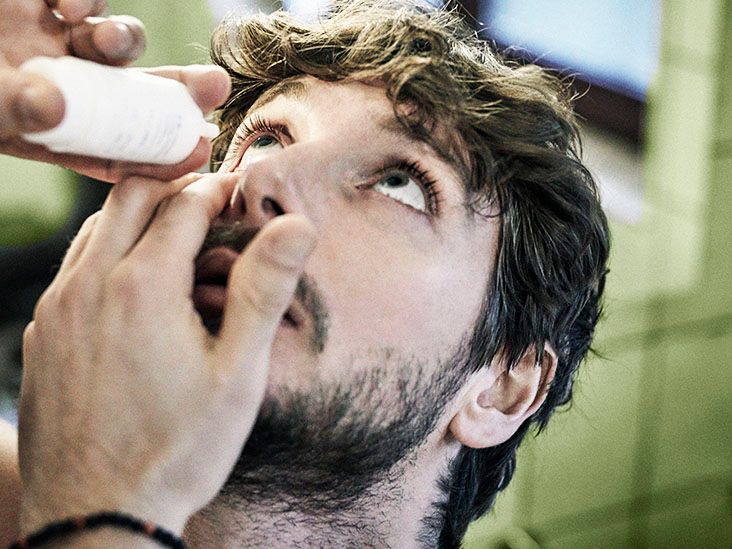
Your post-LASIK drops may include antibiotics, anti-inflammatory medication, and lubricating tears. Use them exactly as directed. Skipping drops because your eyes “feel fine” can backfire, especially because LASIK can temporarily reduce the eye’s ability to sense dryness.
Choose Preservative-Free Lubrication
If you need frequent artificial tears, preservative-free options are often preferred because they are gentler for repeated use. Your doctor can recommend the right type based on your symptoms and tear film.
Avoid Rubbing Your Eyes
Eye rubbing after LASIK is a terrible idea wearing a tiny villain cape. Rubbing can irritate the surface, worsen dryness, and interfere with healing. If your eyes itch or feel gritty, use approved lubricating drops and call your doctor if symptoms persist.
Take Screen Breaks
Use the 20-20-20 rule: every 20 minutes, look at something about 20 feet away for 20 seconds. Also, blink intentionally. It sounds silly until you realize your eyes have been staring at a spreadsheet like they are trying to win a staring contest against Microsoft Excel.
Protect Your Eyes Outdoors
Wind, sunlight, dust, and pollen can worsen dryness. Sunglasses, especially wraparound styles, can help protect healing eyes when you are outside.
Keep Follow-Up Appointments
Follow-up visits allow your doctor to check healing, tear film quality, inflammation, and vision changes. Do not skip them just because you can already read the cereal box from across the kitchen.
Treatment Options for Dry Eye After LASIK
If dry eye symptoms continue, your eye doctor may recommend several treatments depending on the cause and severity.
- Artificial tears: Often the first step for mild symptoms.
- Prescription anti-inflammatory drops: May help when inflammation contributes to dry eye.
- Punctal plugs: Tiny plugs placed in tear drainage openings to help tears stay on the eye longer.
- Warm compresses and lid hygiene: Useful when oil glands or eyelid inflammation are involved.
- In-office dry eye treatments: Some clinics offer procedures for meibomian gland dysfunction or tear film problems.
- Special contact lenses: In more stubborn cases, scleral lenses may help protect the eye surface.
The right treatment depends on whether your issue is low tear production, fast evaporation, inflammation, eyelid disease, nerve-related discomfort, or a mix of factors. Dry eye is rarely a one-size-fits-all situation. It is more like a group project, except the cornea, eyelids, nerves, and tear glands all need to participate.
When to Call Your Eye Doctor
Mild dryness can be normal after LASIK, but some symptoms deserve quick attention. Call your eye doctor if you have severe pain, sudden vision loss, increasing redness, discharge, worsening light sensitivity, symptoms in only one eye that feel unusual, or dryness that does not improve despite using recommended treatment.
You should also call if you are using artificial tears much more often than expected or if dry eye is affecting daily life, driving, reading, school, work, or sleep. You do not win a prize for suffering quietly.
LASIK Alternatives for People With Dry Eye Concerns
If you are not a strong LASIK candidate because of dry eye, that does not always mean your vision correction journey is over. Your doctor may discuss options such as PRK, SMILE, implantable contact lenses, or simply waiting until the eye surface is healthier. Each option has its own benefits, risks, and recovery profile.
PRK avoids creating a LASIK flap but can still cause temporary dry eye and has a longer surface-healing period. SMILE uses a smaller incision than LASIK, but it is not suitable for every prescription. The best choice depends on your cornea, prescription, eye health, lifestyle, and risk tolerance.
Real-World Experiences: What LASIK Dry Eye Can Feel Like
One of the most common LASIK dry eye experiences is the “I can see, but my eyes feel tired” stage. A patient may wake up thrilled because the bedroom clock is sharp for the first time in years. Then, after a few hours of texting, studying, gaming, or working at a computer, the eyes begin to burn or blur. This can be frustrating because the surgery may have improved the prescription, but the tear film still needs time to stabilize.
Another common experience is the artificial-tears-everywhere phase. People keep drops on the nightstand, in a backpack, in the car, at the desk, and sometimes in a pocket like tiny bottles of emotional support. This is not unusual early in recovery, especially if the doctor recommended frequent lubrication. The important part is using the right drops and not substituting random redness relievers or old bottles that have been living in a drawer since ancient history.
Some patients notice dryness most when driving at night. Headlights may look more glaring when the eye surface is dry because an uneven tear film scatters light. In this situation, lubrication before driving, avoiding direct air vents, and discussing nighttime symptoms with the doctor can help. It is also wise to avoid long night drives until vision feels stable and the surgeon confirms healing is on track.
People who live in dry climates or spend hours in air-conditioned rooms may feel more symptoms than expected. Office air can be brutal on healing eyes. A person may feel fine at home but uncomfortable under bright lights, fans, or vents. Simple changes such as moving away from direct airflow, taking screen breaks, and using doctor-approved artificial tears can make recovery more manageable.
There is also the emotional side of post-LASIK dry eye. Some people worry that dryness means the surgery failed. In many cases, it does not. Dryness can temporarily reduce visual quality even when the laser correction itself is accurate. That is why follow-up appointments are so important. The doctor can check whether the problem is dryness, inflammation, healing changes, or another issue.
A helpful mindset is to treat LASIK recovery like training a newly updated device. The vision system has changed, but the surface needs time, care, and occasional troubleshooting. Follow the drop schedule, protect the eyes, report symptoms early, and be patient with the healing process. Most people are not looking for “perfect eyes by Tuesday.” They are looking for stable, comfortable vision over the long term.
Conclusion
LASIK and dry eyes often go together, especially during the early healing period. The main causes include temporary corneal nerve disruption, reduced tear signaling, unstable tear film, inflammation, and pre-existing eye surface problems. The biggest risk factor is having dry eye before surgery, which is why careful screening and treatment before LASIK are essential.
The best prevention plan is simple but powerful: be honest about symptoms, treat dry eye before surgery, follow your drop schedule, avoid eye rubbing, protect your eyes from dry environments, take screen breaks, and keep every follow-up visit. LASIK can be life-changing, but comfortable vision depends on more than laser precision. It also depends on healthy tears, calm eyelids, and a recovery plan that gives your eyes the VIP treatment they deserve.