Spray foam is a wonderful invention right up until it decides your hand is part of the house. One minute you are sealing a drafty window like a weekend renovation hero, and the next minute your fingers look like they shook hands with a marshmallow monster. If you are searching for how to remove spray foam from hands and skin, the first thing to know is this: timing matters more than muscle.
Wet, uncured spray foam is much easier to remove than cured spray foam. Once polyurethane foam hardens, it bonds tightly and usually cannot be dissolved safely from skin. That does not mean you are stuck forever. It means you need the right method, a little patience, and absolutely no panic-scrubbing like you are sanding a deck.
This guide explains 10 easy ways to get spray foam off skin, including what to do immediately, what works after it dries, what to avoid, and when to stop DIY cleanup and pay attention to irritation. The goal is clean hands, calm skin, and fewer “why did I not wear gloves?” regrets next time.
First: Is the Spray Foam Wet or Cured?
Before choosing a cleanup method, check whether the foam is still soft and sticky or already dry and firm.
Wet or uncured spray foam
Wet spray foam is sticky, tacky, and still expanding. This is the only stage when solvents such as acetone-based nail polish remover may help. The trick is to lift off excess foam gently instead of smearing it across your skin like peanut butter on toast.
Cured or dried spray foam
Cured spray foam feels hard, rubbery, or crusty. Once it has dried, solvents are usually not helpful and may irritate your skin more than the foam itself. At this point, the safest approach is warm soapy soaking, gentle exfoliation, moisturizer, and time.
Safety Rules Before You Start
Spray foam can irritate skin, especially if it contains reactive polyurethane ingredients. Acetone can also dry or irritate your skin, and it is flammable, so use it only in small amounts, away from flames, heat, or cigarettes. Do not use gasoline, paint stripper, industrial solvents, bleach, or harsh cleaners on your skin. Your hands are not a garage floor.
If foam gets near your eyes, mouth, a large area of skin, broken skin, or causes burning, blistering, swelling, breathing discomfort, or a spreading rash, stop home treatment and contact a medical professional or Poison Control. For mild contact on intact skin, the following methods can help.
How to Remove Spray Foam from Hands & Skin: 10 Easy Ways
1. Wipe Off Wet Foam Immediately Without Smearing
If the foam is still wet, act quickly. Use a dry paper towel, disposable cloth, scrap cardboard, or a piece of plastic to lift off as much foam as possible. Press and lift rather than rub. Rubbing spreads uncured foam into skin creases, around fingernails, and across more surface area.
Think of it like picking up spilled gum, not wiping up water. Start at the outer edge and move inward. Replace the towel or cloth often so you are not transferring foam back onto your skin. Once the bulky foam is gone, move to soap, oil, or acetone depending on how much residue remains.
2. Wash with Warm Water and Dish Soap
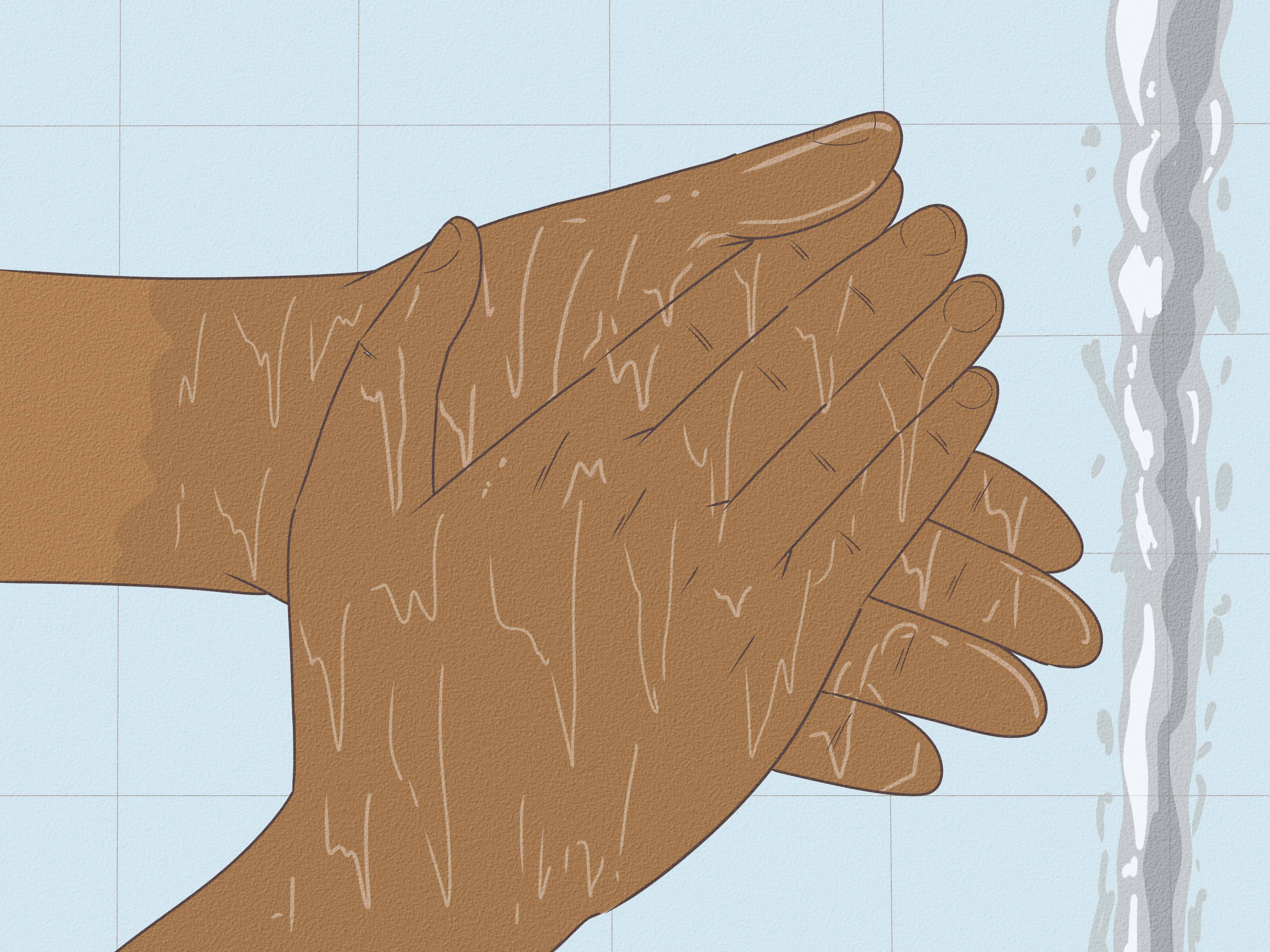
For fresh foam residue, warm water and dish soap should be your first cleanup step. Dish soap helps break down sticky oils and residue without being overly aggressive. Apply soap directly to the affected area, rub gently, and rinse with warm water.
Repeat several times if needed. Use a soft nail brush around fingernails, but do not scrape hard enough to make your skin red or raw. Soap and water may not fully remove polyurethane foam once it starts curing, but it reduces residue and lowers the chance of spreading chemicals to your face, tools, phone, or doorknobs.
3. Use Acetone-Based Nail Polish Remover for Small Wet Spots
Acetone can help dissolve uncured spray foam, but it should be used carefully. Put a small amount of acetone-based nail polish remover on a cloth or cotton pad, then gently dab the sticky foam residue. Do not pour acetone directly onto your skin, soak your hands in it, or use it on cuts, irritated skin, or sensitive areas.
After the residue loosens, wash your hands thoroughly with soap and warm water. Follow with moisturizer because acetone can dry skin quickly. This method is best for small areas of wet foam, not for large patches or already hardened foam.
4. Try Corn Oil, Cooking Oil, or Baby Oil
Oil can soften sticky residue and make it easier to roll foam off the skin. Corn oil is often mentioned in manufacturer guidance, but regular cooking oil, baby oil, or mineral oil can also help in a pinch. Apply a generous amount to the sticky area and massage gently for a few minutes.
Use a paper towel to lift loosened residue, then wash with dish soap. This method is slower than acetone, but it is usually gentler. It is especially useful if you have dry skin or only a light film of foam left after wiping.
5. Use Petroleum Jelly to Loosen Dried Foam
For cured spray foam on skin, petroleum jelly is one of the most skin-friendly helpers. Apply a thick layer over the dried foam, cover it with a disposable glove or plastic wrap for 30 to 60 minutes, then wash with warm soapy water.
Petroleum jelly will not magically melt cured foam, but it can soften the skin around it and help the foam release gradually. It also protects irritated skin from more dryness. If the foam is on your fingers, apply petroleum jelly before bed and wear a loose cotton glove overnight. Glamorous? Not exactly. Effective? Often, yes.
6. Soak Hands in Warm Soapy Water
Warm soapy soaking is simple, safe, and surprisingly helpful for dried foam. Fill a bowl with warm water and a few drops of dish soap. Soak the affected skin for 10 to 20 minutes, then gently rub the foam with your fingers, a washcloth, or a soft brush.
Do not use boiling water. Hot water can irritate skin and make the cleanup feel more dramatic than necessary. Repeat the soak several times over the day if needed. Each soak softens the top skin layer slightly, making it easier for the foam to loosen naturally.
7. Gently Exfoliate with a Pumice Stone
If the foam has cured, gentle mechanical removal is often the only practical option. A pumice stone can help remove dried foam from thicker skin areas such as palms and fingertips. Soak the skin first, then rub lightly in small circles.
The keyword is lightly. You are trying to remove foam, not win a wrestling match with your epidermis. Stop if your skin becomes sore, shiny, red, or painful. Avoid using pumice on thin skin, cracked skin, rashes, or children’s skin. After exfoliating, rinse and moisturize.
8. Use a Mild Sugar or Salt Scrub
A homemade scrub can help remove stubborn residue without harsh chemicals. Mix a teaspoon of sugar or fine salt with a small amount of cooking oil or hand soap. Rub gently over the affected area, then rinse.
Sugar is usually gentler than salt, especially if your skin is dry. This method works best for small bits of foam or leftover tackiness. It is not ideal for large chunks of cured foam, and it should never be used on broken or irritated skin.
9. Trim Foam from Hair or Fingernails Carefully
Spray foam loves fingernails. It sneaks under the nail edge, grips cuticles, and acts like it signed a lease. If foam is stuck around nails, soak your hands first, then use a soft nail brush. For dried foam on hair, do not pull hard. You may need to carefully trim affected hair if the foam has cured.
Never use sharp blades near skin to cut foam off your hands. A tiny bit of dried foam is annoying, but a cut from a knife is a much bigger problem. Use nail clippers only for foam attached to nail tips, not skin.
10. Let Cured Foam Wear Off Naturally
Sometimes the best method is the least satisfying one: wait. Cured spray foam stuck to skin will usually wear off as your skin naturally sheds. Continue washing normally, moisturize often, and avoid picking at it.
Most small patches fade over a few days. The foam may look odd, feel rough, and attract comments from family members who suddenly become renovation comedians, but it is usually temporary. If the skin underneath becomes painful, swollen, cracked, or infected-looking, seek medical advice.
What Not to Use on Skin
Some online tips sound creative but are terrible ideas for skin. Do not use gasoline, kerosene, turpentine, paint thinner, lacquer thinner, oven cleaner, bleach, drain cleaner, or abrasive power tools. These products can burn, irritate, or poison you. Also avoid aggressive scraping with knives, razor blades, sandpaper, or metal files.
If a product label says it is for surfaces, tools, or equipment, do not assume it belongs on skin. Many foam cleaners are designed for applicator guns, work surfaces, and uncured product spillsnot your fingers.
How to Treat Skin After Removing Spray Foam
Once the foam is gone or mostly gone, your skin may feel dry, tight, or slightly irritated. Wash with mild soap, rinse well, and apply a fragrance-free moisturizer, petroleum jelly, or a gentle hand cream. Avoid scented lotions if your skin is already upset.
If you used acetone, moisturizing is especially important. Acetone strips oils from the skin, which is useful for removing sticky residue but not exactly a spa treatment. Apply moisturizer several times over the next day. If itching or redness develops, avoid more chemicals and monitor the area.
When to Get Medical Help
Get medical help if you notice blistering, severe burning, swelling, open sores, spreading redness, pus, intense itching, or a rash that covers a large area. Also seek help if spray foam contacts your eyes, mouth, or broken skin, or if you experience coughing, chest tightness, dizziness, or trouble breathing after using spray foam.
People with eczema, sensitive skin, chemical allergies, or repeated workplace exposure should be extra careful. Spray foam products can irritate the skin and respiratory system, and repeated exposure is not something to treat casually. When in doubt, stop the project, ventilate the area, and ask for professional guidance.
How to Prevent Spray Foam from Sticking Next Time
The easiest way to remove spray foam from hands is to never get it on your hands in the first place. Yes, that advice arrives late, wearing a tiny captain-obvious hat, but it is still true.
Wear the right gloves
Use disposable nitrile or chemical-resistant gloves before handling spray foam. Keep a second pair nearby. Spray foam has a gift for landing on the one spot you forgot to protect.
Cover your arms and clothes
Wear long sleeves, old clothing, and eye protection. Foam expands, drips, and sticks to fabric. Once it cures on clothes, it may become a permanent design featurevery “DIY runway,” but not in a good way.
Prepare cleanup materials first
Before spraying, set out paper towels, cardboard scraps, trash bags, dish soap, oil, and acetone-based nail polish remover if appropriate. When foam lands on skin, you do not want to be opening drawers with sticky fingers.
Spray slowly and fill gaps partially
Expanding foam grows after application. Overfilling gaps creates overflow, drips, and more chances for skin contact. Apply less than you think you need, then let the foam expand.
Experience Notes: Real-World Lessons from Removing Spray Foam from Hands
Anyone who has used spray foam more than once eventually learns that the can has a personality. Sometimes it dispenses politely. Sometimes it coughs, sputters, expands like bread dough with ambition, and finds your wrist even though you were aiming at a gap three inches away. The first real lesson is that spray foam cleanup is a race against curing time. The first five minutes matter most.
In practical home projects, the biggest mistake people make is wiping wet foam in a panic. It feels natural to grab a towel and scrub, but that usually turns one sticky blob into a thin, stubborn film. A better move is to lift, blot, and peel away the excess. A scrap of cardboard works better than a fluffy towel because it does not leave lint and it can scrape softly without digging into the skin.
The second lesson is that acetone is useful but not magical. It can help with uncured foam, especially a small sticky patch on the palm or fingertips. But once the foam has cured, acetone often just dries out your skin while the foam sits there like a tiny beige statue. For dried foam, patience beats chemistry. Warm soaks, petroleum jelly, and gentle exfoliation work gradually and cause less drama.
Another experience-based tip: pay attention to fingernails before you think you are finished. Foam hides along nail edges and cuticles. After washing, inspect your nails under good light. A soft nail brush and dish soap can save you from discovering a crusty foam surprise later when you are eating, typing, or trying to look like a normal responsible adult.
Oil-based methods are underrated. Cooking oil, baby oil, or petroleum jelly can loosen residue while being kinder to dry skin. If you already scrubbed too hard, skip acetone and go straight to oil or petroleum jelly. Your skin barrier will thank you. A thick layer of petroleum jelly under a loose glove for an hour can make dried residue easier to rub away after soaking.
One more thing: do not compare your cleanup timeline with someone else’s. Skin texture, the amount of foam, the product formula, and how long it sat all matter. A tiny wet spot may come off in minutes. A cured patch on rough fingertips may take a couple of days. That does not mean you failed. It means polyurethane foam is doing exactly what it was engineered to dostick, seal, and be annoyingly committed.
The best long-term habit is creating a spray foam station before opening the can. Put on gloves, shake the can as directed, cover nearby surfaces, keep cleanup supplies within arm’s reach, and plan where the can will go when you stop spraying. Most spray foam skin disasters happen in the awkward moment after application, when the nozzle is still oozing and your brain says, “Where do I put this?” Give that can a landing zone before it becomes a sticky little chaos machine.
Finally, treat your skin kindly afterward. Even when foam removal goes well, washing, acetone, scrubbing, and repeated soaking can leave hands dry. Moisturize, avoid more chemicals for the rest of the day, and let small remaining bits wear away naturally. Clean hands are good. Comfortable hands are better.
Conclusion
Removing spray foam from hands and skin is much easier when you know whether the foam is wet or cured. For wet foam, lift off the excess, wash with soap, and use small amounts of acetone or oil only when needed. For cured foam, skip harsh solvents and focus on soaking, petroleum jelly, gentle exfoliation, and patience.
The most important rule is simple: protect your skin before the next project. Gloves, long sleeves, and a small cleanup kit can turn a messy job into a manageable one. Spray foam is excellent at sealing gaps, but it should not become your newest fashion accessory.