There are two kinds of coffee drinkers in this world: people who say, “I just enjoy the flavor,” and people whose morning mood depends entirely on whether hot bean water arrives before their first email. An enhanced coffee brewer sits somewhere between those two tribes like a tiny caffeinated therapist. It watches habits, remembers preferences, logs routines, and quietly learns whether you are a one-cup minimalist or the kind of person who considers a full carafe a personal challenge.
The phrase “Enhanced Coffee Brewer Knows How Much Of A Caffeine Addict You Are” sounds like a joke from the future, but the idea has been brewing for years. What began as a clever hacked office coffee machine has evolved into a much broader category of smart coffee makers, connected brewers, and personalized brewing systems that track usage, remember settings, and make the entire ritual feel less like kitchen work and more like a software update with crema.
That is both fascinating and a little hilarious. Your coffee maker no longer just makes coffee. It profiles your mornings, predicts your habits, and occasionally judges your life choices through push notifications. If that sounds dramatic, well, welcome to the era of the enhanced coffee brewer.
The Idea Started With Tracking, Not Luxury
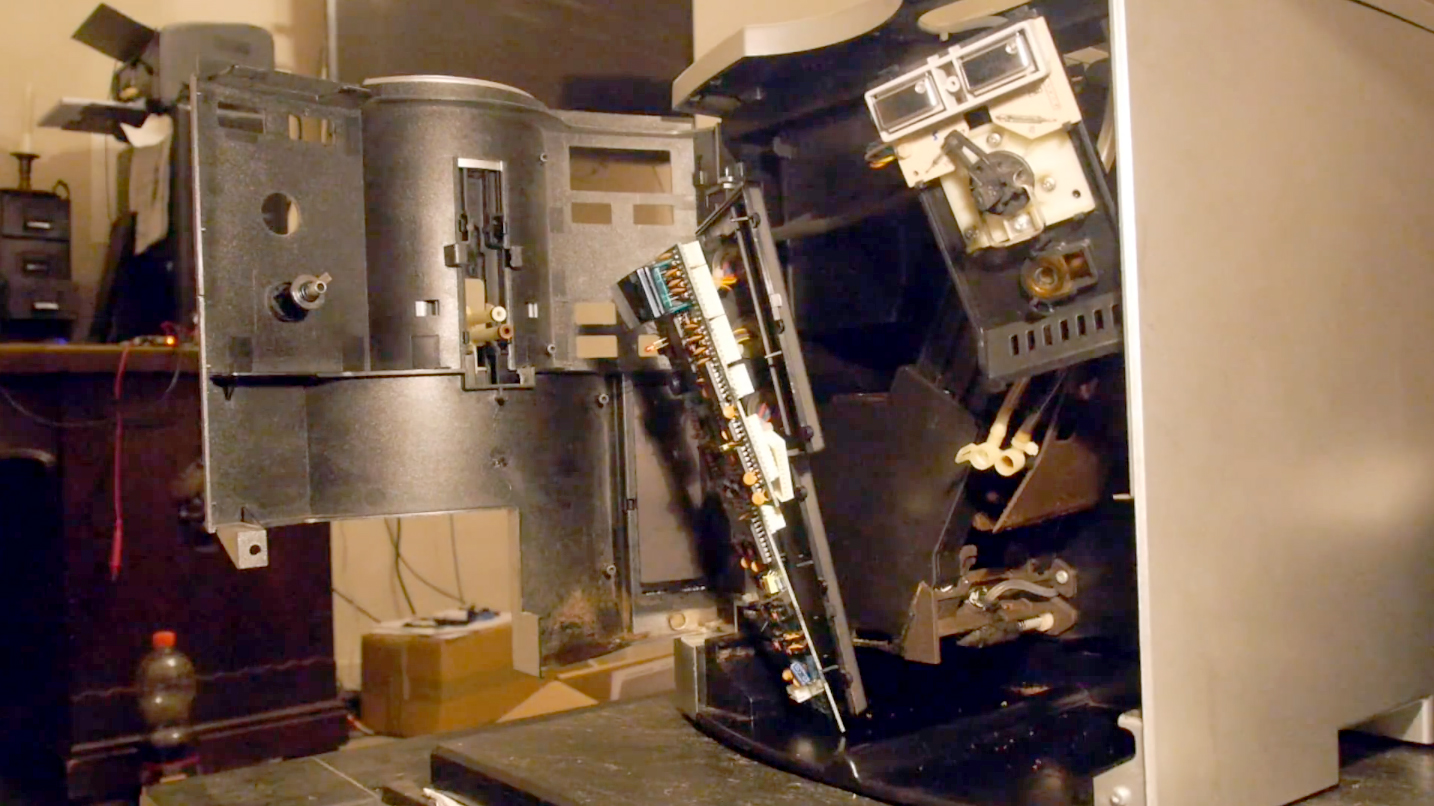
Long before smart home marketing teams started whispering sweet nothings about convenience and personalization, tinkerers were already turning ordinary brewers into data machines. One especially memorable example was the office coffee project often referred to as Juraduino, a modified Jura machine highlighted years ago because it logged who drank coffee, how much they took, and how often they used the machine. In a shared office, that meant fewer arguments about who should pay to restock the beans and more cold, hard caffeine math.
And honestly, that is brilliant.
Most workplace coffee politics are built on vibes. Someone swears they only drink “a little,” while another person somehow drains half the pot before 10 a.m. A tracking-enabled brewer cuts through the folklore. Swipe a card, choose your cup size, and the machine records the truth. Suddenly the coffee pot is not just an appliance. It is an auditor.
That early hacked brewer mattered because it pointed to something bigger: coffee machines were becoming aware of the people using them. Not emotionally aware, of course. Your brewer is not concerned about your breakup. But it can absolutely identify patterns, assign preferences, and transform coffee from a generic batch beverage into a personalized, measurable daily experience.
What a Modern Smart Coffee Brewer Actually “Knows”
Today’s smart coffee makers do not usually call you a caffeine addict to your face. They are more polite than that. Instead, they do what modern connected devices do best: collect preferences, automate routines, and turn behavior into settings.
1. It knows how strong you like your coffee
Many current machines let users choose multiple strength levels, temperature levels, brew sizes, and even specialty modes for iced coffee or stronger extraction. Some connected brewers also save these preferences in an app, which means your morning cup is not just “coffee.” It is your coffee, preserved like a tiny liquid profile.
That sounds minor until you live with other people. In one household, “strong” can mean “pleasantly bold.” In another, it means “this mug could jump-start a lawn mower.” Personalized brewing fixes that fight by giving every user a custom lane.
2. It knows when you drink coffee
Scheduling is one of the biggest quality-of-life upgrades in a connected brewer. The machine can prepare for the same time each day, start remotely, or keep preset routines ready in an app. Over time, this creates a pretty accurate picture of your habits. If your brewer notices that you always hit the large, extra-hot, stronger setting at 6:42 a.m. on weekdays, congratulations: your machine knows you better than some coworkers do.
3. It knows how much coffee you go through
Usage data is the real plot twist. A brewer that tracks pods, cups, grind levels, or refill frequency can estimate whether you are an occasional sipper or a full-time resident of Caffeine County. For households, that data helps with shopping and refills. For offices, it can settle debates and reduce waste. For individuals, it can be revealing in the same uncomfortable way that screen-time reports are revealing. You did not think you drank that much coffee. The machine has receipts.
4. It can connect your taste to performance
Higher-end brewers go beyond convenience and chase consistency. Better temperature control, bloom timing, grind customization, and brew profiles all aim to produce a more predictable cup. That matters because coffee quality is not magic. It is chemistry wearing a cozy sweater. When a machine can keep water temperature steady, manage saturation, and repeat a brew profile accurately, it reduces the random “Why does today’s coffee taste like sadness?” effect.
Why Coffee Drinkers Love This Stuff
There is a reason smart brewers keep showing up in reviews, buying guides, and kitchen wish lists. They solve real annoyances.
First, they reduce friction. You do not have to remember every variable each morning. The machine remembers for you. That is helpful because the average human before coffee is not exactly operating at Nobel Prize level.
Second, they improve consistency. If you care about coffee flavor, a connected brewer with repeatable settings can make home brewing far more reliable. Precision matters. Small differences in strength, grind, temperature, and brew timing can change the taste of a cup more than many casual drinkers realize.
Third, they support multiple users better than old-school brewers. In a shared home, one person can save a lighter, hotter brew while another keeps a stronger setting for travel mugs and rushed mornings. In an office, profiles and usage tracking can help allocate supplies and reduce the “Who finished the beans and left one teaspoon for the next person?” crisis.
Fourth, they make coffee feel fun again. There is a little thrill in pressing a button on your phone and knowing a fresh cup is waiting in the kitchen. It is not a revolutionary act. It is still just coffee. But it feels delightfully overengineered, which is one of technology’s better talents.
Where the Enhanced Brewer Gets a Little Too Clever
Of course, there is always a catch. The more a coffee brewer knows, the more questions it raises.
Privacy is no longer just for phones and laptops
Smart appliances can collect usage data, app interactions, and device details. A coffee maker may seem harmless compared with a security camera, but it is still part of the connected-home universe. That means convenience comes with a trade-off. A brewer that knows when you wake up, how often you brew, and which user profile drinks the strongest cup is not exactly holding state secrets, but it is still generating personal habit data.
For some people, that is no big deal. For others, it is enough to inspire a dramatic return to a French press and a life of beautiful analog silence.
Smart homes are only smart when they work
Connected coffee sounds glamorous until Wi-Fi acts up, an app update gets moody, or voice automation forgets what “brew coffee” means. In theory, your kitchen becomes smoother. In practice, there are mornings when the machine is ready for a firmware patch and you are ready to negotiate with the universe.
That is why the best smart brewers still need to function well as plain old coffee makers. If the app disappears tomorrow, the machine should still be able to make a solid cup without requiring a digital séance.
More personalization can accidentally mean more overconsumption
This is the important reality check. A brewer that makes caffeine easier, faster, and more tailored can also make it easier to drink more than you intended. When every cup is perfectly tuned to your taste, self-restraint suddenly has a much tougher opponent.
What the Science Says About Caffeine, Not Just the Aesthetic
Let us pull the espresso shot of truth here: a personalized brewer is a neat gadget, not a medical advisor.
For most healthy adults, moderate caffeine intake is generally considered safe, but tolerance varies widely. Some people can drink coffee with the calm focus of a philosopher. Others have one strong cup and begin vibrating like a shopping cart with a bad wheel. Sensitivity depends on body chemistry, timing, medications, and overall health.
That is why the smartest use of an enhanced coffee brewer is not to prove how much caffeine you can handle. It is to better understand your patterns. A machine that helps you see when you brew, how strong you prefer it, and how often you refill can make your habits more visible. That visibility can be useful. It can help you cut back, shift your last cup earlier, or simply stop pretending that your “small afternoon coffee” is not basically liquid ambition in a mug.
Sleep matters here too. Late-day caffeine can interfere with rest, even when you feel convinced you are “fine.” Plenty of people say they can drink coffee at night and fall asleep anyway. Sometimes that is true. Sometimes it is the caffeinated version of “I’m good to drive,” which is less reassuring than it sounds.
A good smart brewer should support better decisions, not just stronger habits. Personalized profiles are useful. Smarter scheduling is useful. Better extraction is useful. But the gold standard is not maximum stimulation. It is getting the cup you want, when you want it, without accidentally turning your evening brain into a browser with 84 tabs open.
The Real Future of the Smart Coffee Maker
The next generation of enhanced brewers will likely become more adaptive, not just more connected. That means better sensing, more precise control, and stronger personalization across households and offices. We are already seeing pieces of that future: saved profiles, automated scheduling, app controls, connected maintenance alerts, voice assistant compatibility, and machines that let users fine-tune strength and temperature with impressive granularity.
The real winners will be the brewers that combine three qualities at once: excellent coffee quality, simple everyday usability, and restrained intelligence. That last part matters. People do not need a coffee machine that acts like a needy startup founder. They need one that quietly produces a great cup, remembers preferences, and stays out of the way.
In other words, the best enhanced coffee brewer will not just know how much of a caffeine addict you are. It will know when to mind its own business.
Experiences With a Brewer That Knows You Too Well
Living with an enhanced coffee brewer is a strangely intimate experience. At first, it feels like a novelty. You set up the app, pick a brew strength, assign a name to your profile, and laugh because your kitchen appliance suddenly has the same onboarding process as a fitness tracker. Then a week passes, and the novelty turns into routine. The machine is no longer a gadget. It is part of the rhythm of the house.
The first thing most people notice is how quickly convenience becomes expectation. On day one, remote brewing feels luxurious. By day ten, it feels necessary. You wake up, check your phone, and fire up the brewer before your feet hit the floor. When the coffee is waiting in the kitchen, you feel like a genius. When the Wi-Fi drops and the routine fails, it feels like civilization itself has suffered a setback.
In a shared home, the experience gets even more entertaining. One person wants a hot, balanced cup in a ceramic mug. Another wants the strongest possible brew poured into a stainless tumbler the size of a fire extinguisher. A smart brewer handles those differences beautifully. It removes the little arguments that older machines create. No more muttering, “Who changed the settings?” No more accidentally drinking someone else’s bold roast lava. The machine remembers. The machine is Switzerland.
In an office, though, things become social in a hurry. A tracking-aware brewer quietly changes behavior because people know they are part of the data trail. The coworker who claimed to drink “maybe one cup” suddenly loses that argument when the weekly numbers tell a more caffeinated story. The machine does not gossip, but it does provide evidence, which is even more dangerous. Coffee stops being a vague communal privilege and starts looking like an actual resource with patterns, peaks, and heavy users.
There is also an emotional side people do not expect. A brewer that remembers your settings can make mornings feel more personal, almost reassuring. On stressful days, there is comfort in pressing one familiar button and getting the same flavor profile you trust. It becomes a ritual with less friction and more certainty. That sounds small, but daily rituals are powerful precisely because they are small. Coffee is rarely just coffee. It is structure, pause, warmth, and a little controlled optimism in a cup.
Still, the self-awareness can be funny in a slightly rude way. Once you see the pattern of your use, denial becomes harder. Maybe you did not realize you brew stronger cups on Mondays, smaller cups on weekends, and a suspicious extra round every time back-to-back video meetings appear on the calendar. A smart brewer can reveal habits you would rather keep blurry. It is the kitchen version of discovering your streaming service knows exactly when you rewatch comfort shows.
That is why the experience of using an enhanced coffee brewer is not only about technology. It is about reflection. The machine does not merely make coffee; it mirrors routine. It shows how taste, time, stress, convenience, and habit all mingle in one ordinary-looking appliance. And somewhere between the first programmed cup and the hundredth one, you realize the funniest part of all: the machine may know a lot about your caffeine life, but it mostly reminds you how predictable humans become before breakfast.
Conclusion
An enhanced coffee brewer is more than a flashy countertop toy. It represents the collision of coffee culture, smart-home technology, personalization, and habit tracking. From hacked office machines that logged who drank what to modern brewers that save profiles and schedule your perfect cup, the evolution is clear: coffee makers are getting smarter because coffee drinkers want more control, more convenience, and more consistency.
That does not mean every connected brewer is automatically a good idea. The best ones improve the daily ritual without turning it into a complicated software project. They respect flavor, simplify routine, and help users notice their caffeine patterns without encouraging excess. Used well, they are practical, entertaining, and occasionally life-improving. Used badly, they are just one more device collecting data while you stand in the kitchen wondering why your coffee needs an app.
Either way, the concept is undeniably modern: a machine that can tell whether you love coffee, rely on coffee, or have entered a long-term contractual relationship with coffee. And maybe that is the real appeal. Not that the brewer knows you are a caffeine addict, exactly. It is that, for the first time, your coffee maker has enough information to stop pretending it does not.