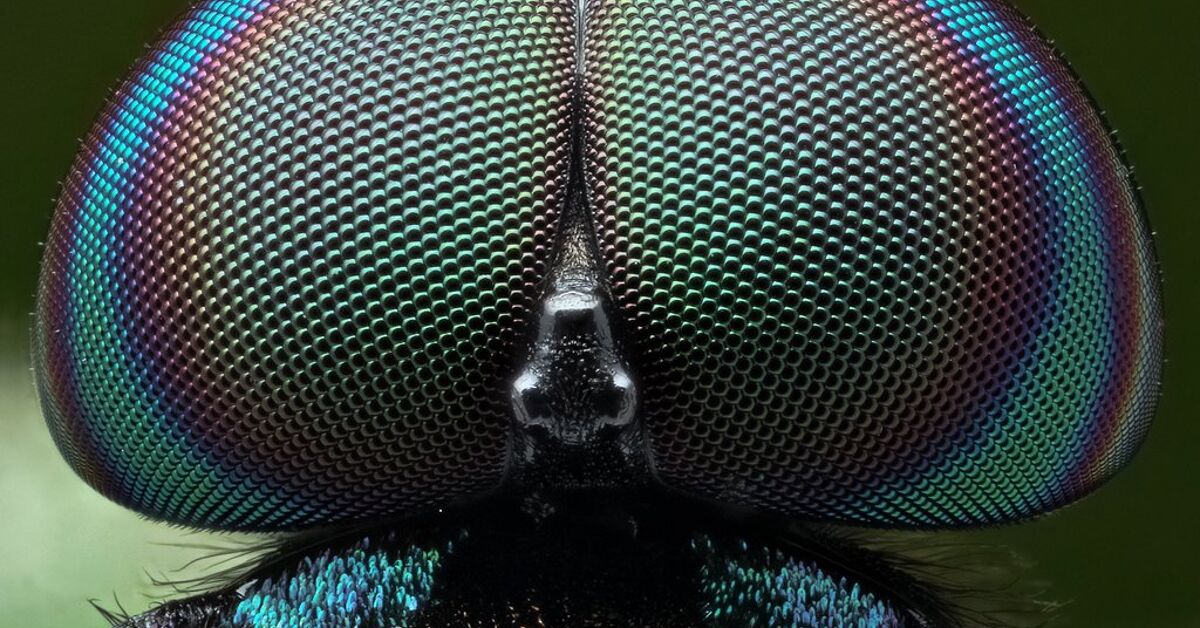
There are few household moments more dramatic than a fly entering the kitchen. Suddenly, everyone becomes a ninja. Someone grabs a dish towel. Someone else claps at the air like they are applauding invisible jazz. The dog looks concerned. The fly, meanwhile, performs lazy figure-eights over your fruit bowl as if it owns the mortgage.
The good news is that you do not need to turn your home into a chemical fog zone to keep flies away. A smart DIY natural fly repellent plan can make your kitchen, porch, patio, trash area, and picnic table far less attractive to those tiny airborne troublemakers. The even better news? Most effective fly prevention is not fancy. It is sanitation, exclusion, scent strategy, moisture control, and a few practical homemade tools that tell flies, politely but firmly, “Not today, winged goblin.”
This guide explains how homemade fly repellent works, which natural ingredients are worth trying, which ones are mostly internet fairy dust, and how to use essential oils safely. We will also build a realistic plan that combines natural fly spray, barriers, cleaning routines, herbs, traps, and common sense. Because the best fly control is not one magic bottle. It is a tiny household system with better manners than the fly.
Why Flies Love Your Home More Than You Love Them
Flies are not visiting because your home has “good energy.” They are usually hunting for food, moisture, odors, warmth, and breeding sites. House flies are drawn to garbage, pet waste, spilled food, compost, dirty drains, decaying organic matter, and open doors. Fruit flies prefer ripe or overripe produce, fermented liquids, sticky bottles, recycling bins, and forgotten kitchen corners where a grape went to retire in 2021.
To make a DIY natural fly repellent work, you need to think like a fly for a moment. Unpleasant, yes, but educational. A fly does not care that your lavender spray smells like a spa day. If there is a leaky trash bag, a banana turning into pudding, or pet food sitting out all afternoon, that fly will RSVP with relatives.
The Real Secret: Repel Less, Attract Less
The strongest natural fly control strategy is not simply spraying more peppermint oil. It is removing what attracts flies in the first place. Tie garbage bags tightly. Use trash cans with snug lids. Rinse cans and bottles before recycling. Keep compost covered. Clean pet bowls after meals. Wipe sticky counters. Fix torn screens. Scrub drains. Move outdoor garbage cans away from doors when possible.
Think of homemade fly repellent as the bouncer, not the building code. The bouncer helps, but the building still needs doors.
What Counts as a DIY Natural Fly Repellent?
A natural fly repellent is any low-toxicity, plant-based, or non-synthetic approach intended to discourage flies from landing, lingering, or entering. That may include essential oil sprays, herb bundles, citrus-and-clove bowls, fans, screens, vinegar traps for fruit flies, and better cleaning routines.
However, “natural” does not automatically mean harmless. Essential oils are concentrated plant chemicals. Some can irritate skin, eyes, lungs, and pets. Cats, birds, small mammals, and animals with breathing issues can be especially sensitive. Use homemade fly spray on surfaces, not bodies, unless you are using a properly formulated product intended for skin. Never spray essential oil mixtures directly on pets, children, food, dishes, cutting boards, or fish tanks.
The Best DIY Natural Fly Repellent Recipe for Home Use
This homemade fly repellent spray is designed for door frames, patio furniture legs, outdoor trash can exteriors, window ledges, and porch railings. It is not meant for skin, food surfaces, plants, pets, or indoor air soaking. Use it lightly, test first, and avoid delicate finishes.
Simple Essential Oil Fly Spray
- 1 cup distilled water
- 1/2 cup witch hazel or plain vodka
- 10 drops lemongrass essential oil
- 8 drops peppermint essential oil
- 5 drops lavender essential oil
- 3 drops cinnamon essential oil, optional and used sparingly
- 1 clean 16-ounce glass spray bottle
Add the liquids to the spray bottle, then add the essential oils. Shake well before every use because oil and water do not truly become best friends. Spray lightly around entry points, outdoor seating areas, porch rails, and the outside of trash cans. Reapply every few hours outdoors, especially after rain, heat, or direct sun.
Lemongrass, peppermint, lavender, cinnamon, neem-derived compounds, PMD, and vanillin have appeared in research or pest-control discussions related to fly or insect repellency, but results vary by fly species, concentration, and setting. In plain English: the scent may help, but it is not a force field. If your trash smells like a seafood crime scene, no essential oil is brave enough to save you.
DIY Fly Repellent Options That Actually Make Sense
The best homemade fly control plan uses several small tactics. Here are practical options that are easy, affordable, and realistic for American homes.
1. The Citrus-and-Clove Bowl
Slice a lemon or orange in half and press whole cloves into the cut side. Place it on an outdoor table during meals or near a porch sitting area. The scent of citrus and clove may discourage some flies from landing nearby, and it looks charming enough to pretend you are hosting a rustic brunch instead of fighting insects.
This method is best for small areas and short periods. Replace the fruit before it becomes old, sticky, or moldy, because a repellent that turns into fly food has betrayed the mission.
2. Potted Herbs Near Doors
Basil, mint, rosemary, lavender, and lemongrass can be placed near doors, patios, and outdoor dining spaces. The plants alone will not erase a fly problem, but they can contribute to a less attractive scent environment while making your porch look like you have your life together.
Mint grows aggressively, so keep it in pots unless you want your garden to become a mint empire. Basil is excellent near outdoor dining areas because it also supports emergency pesto decisions.
3. A Fan for Patio Fly Control
A simple oscillating fan is one of the most underrated natural fly repellents. Flies are weak flyers compared with a steady breeze, and moving air makes it harder for them to land on food and people. Place a fan near outdoor dining tables, buffet areas, or pet feeding zones.
No scent. No spray. No complicated recipe. Just wind. Sometimes technology peaks at “make air go whoosh.”
4. Apple Cider Vinegar Trap for Fruit Flies
This is not technically a repellent; it is a trap. Still, it belongs in your fly-control toolkit because fruit flies are tiny chaos agents. Pour 1/2 cup apple cider vinegar into a jar, add a drop of dish soap, and cover the top with plastic wrap. Poke several small holes in the wrap. Fruit flies are attracted to the vinegar, enter the jar, and have a bad day.
Place traps near fruit bowls, recycling bins, or sink areas. Replace every few days. At the same time, remove ripe fruit, clean sticky bottles, and scrub drains. A trap without sanitation is like bailing water from a boat while still drilling holes in it.
5. Drain Cleaning for Mystery Flies
If small flies appear around sinks, floor drains, or utility rooms, you may be dealing with drain flies or phorid flies. Essential oil spray will not solve sludge. Use a stiff drain brush to remove organic buildup, then flush with hot water. Avoid mixing cleaning chemicals, especially bleach and ammonia products.
For persistent drain flies, the breeding source may be deeper in plumbing, under a slab, near a leak, or inside a dirty floor drain. That is when professional help may save time and sanity.
Where to Use Homemade Fly Repellent
Use DIY fly spray strategically. Lightly treat areas where flies enter, rest, or gather. Good targets include exterior door frames, screened porch frames, patio chair legs, outdoor table legs, trash can exteriors, garage thresholds, and window sills.
Avoid spraying directly onto painted surfaces without testing, natural stone, varnished wood, upholstery, children’s toys, pet bedding, food-contact surfaces, and plants. Cinnamon, citrus, peppermint, and other oils can stain, irritate, or damage materials. If your homemade fly repellent ruins your grandmother’s antique table, the fly wins emotionally.
What Not to Do With DIY Natural Fly Repellent
Do not assume more drops means better results. Stronger essential oil mixtures can create headaches, skin irritation, breathing discomfort, pet exposure risk, and surface damage. Do not spray essential oils into the air around birds, cats, aquariums, reptiles, or small animals. Do not apply homemade essential oil spray to your skin unless it has been formulated for that use with safe dilution and appropriate ingredients.
Do not spray near open flames. Alcohol-based mixtures and some oils are flammable. Do not store homemade mixtures in unlabeled bottles. Do not let children use them as “perfume.” And please do not spray flies while they are sitting on food. That is not seasoning.
Build a Whole-House Fly Prevention Plan
The strongest DIY natural fly repellent plan works in layers. Each layer handles a different part of the problem.
Layer One: Remove Breeding Sites
Take out trash regularly, especially during warm weather. Clean bins with soap and water. Keep lids tight. Pick up pet waste quickly. Remove dead leaves, rotting mulch, and grass clippings near the house. Keep compost covered and managed. If you have chickens, livestock, or outdoor pets, moisture and manure management become essential.
Layer Two: Block Entry
Repair torn screens. Add door sweeps. Seal gaps around doors and windows. Keep doors closed during cooking and outdoor meals. A screen door that does not close properly is not a screen door; it is a fly invitation with hinges.
Layer Three: Reduce Odors
Flies navigate with scent. Rinse recycling. Wipe spills quickly. Clean under appliances. Wash mop heads. Keep drains fresh. Store ripe fruit in the refrigerator when fruit flies appear. Empty indoor compost containers daily during summer.
Layer Four: Use Natural Repellents and Traps
Use essential oil spray lightly at entry points, citrus-and-clove bowls during meals, fans on patios, vinegar traps for fruit flies, and sticky traps only where they will not catch beneficial insects or create a visual horror movie in your kitchen.
Does Homemade Fly Repellent Work Outdoors?
Yes, but with limits. Outdoors, scent disperses quickly. Sunlight, wind, rain, humidity, food odors, garbage, and nearby breeding sites all reduce effectiveness. A DIY natural fly spray may help around a patio for a short time, but it cannot control flies coming from a neighbor’s trash, animal waste, compost pile, or restaurant dumpster.
For outdoor dining, combine a clean table, covered food, sealed trash, a fan, and light essential oil spray around the perimeter. Keep drinks covered. Use serving dishes with lids. Clear plates quickly. Flies are not subtle. If they find a buffet, they will tell everyone at fly headquarters.
When Natural Fly Control Is Not Enough
If you have a heavy infestation, natural repellents may not be enough. Large numbers of house flies, blow flies, flesh flies, drain flies, or phorid flies often mean there is a breeding source nearby. That source might be garbage, a dead animal in a wall or attic, a plumbing leak, dirty drains, manure, compost, or spoiled food hidden somewhere.
When flies keep returning after cleaning, trapping, and exclusion, inspect the area carefully. Look for odors, moisture, larvae, damaged screens, pet areas, trash storage, and floor drains. For recurring or mysterious infestations, contact a licensed pest professional. The goal is not to spray forever. The goal is to find the reason flies are throwing a block party.
My 500-Word Experience: The Summer the Flies Tried to Move In
My most memorable battle with flies began with one innocent-looking bowl of peaches on a kitchen counter. They were beautiful peaches, the kind that make you believe you are about to become a person who makes cobbler from scratch. Instead, I became a person standing in the kitchen at 10:37 p.m. whispering, “Where are you coming from?” to a cloud of fruit flies.
At first, I tried denial. Maybe they were just passing through. Maybe they had a conference. Maybe they respected boundaries. They did not. By the next morning, they were circling the fruit bowl like tiny helicopters over a traffic jam. I moved the peaches to the refrigerator, wiped the counter, and felt victorious for about seven minutes.
Then I noticed the recycling bin. A few soda cans had not been rinsed. There was also one suspiciously sticky juice bottle hiding at the bottom like a fugitive. That was lesson one: flies do not need a banquet. They need residue. A tablespoon of sweetness in the wrong place can become the hottest nightclub in town.
I made an apple cider vinegar trap with a jar, dish soap, and plastic wrap. It worked surprisingly well, but it also taught me lesson two: trapping flies is satisfying, but removing the source is better. The trap caught the adults. Cleaning the recycling bin stopped the invitation.
Later that summer, house flies started showing up near the back door. I blamed the weather. Then I blamed the door. Then I blamed society. Finally, I checked the outdoor trash can. The lid was not closing tightly because a bag had slipped over the rim. Every time the sun warmed the bin, it produced an aroma that can only be described as “seafood regret.” I washed the bin, tied bags tighter, moved it farther from the door, and sprayed the outside with a light lemongrass-peppermint mixture. The improvement was immediate.
The biggest surprise was the fan. During one backyard meal, I placed a simple fan near the table, mostly because it was hot and I was tired of waving my hand over the salad like a dramatic magician. The flies struggled to land. Covered dishes helped. Clearing plates quickly helped. But the fan was the quiet champion. No scent cloud, no complicated setup, just moving air.
Since then, my fly plan has been boring in the best way. Fruit goes in the fridge when it gets ripe. Recycling gets rinsed. Trash lids stay tight. Screens get repaired before summer. I use natural fly spray around door frames, not all over the house. I keep herbs near the patio because they smell good and make me feel like a responsible adult. And when a fly still gets inside, I do not panic. I know the system works. The fly went by, realized there were no snacks, no smells, no easy breeding spots, and continued on its way.
Conclusion: Make Your Home the Place Flies Skip
DIY natural fly repellent works best when it is part of a complete prevention plan. Essential oils, citrus, cloves, herbs, fans, and vinegar traps can help, but sanitation and exclusion do the heavy lifting. Remove odors, seal entry points, manage moisture, cover food, clean drains, and use homemade fly spray as a supporting tool.
The goal is not to wage endless war with every fly that wanders through the yard. The goal is to make your home less interesting than somewhere else. No fly buffet. No fly nursery. No fly lounge. Just a clean, breezy, well-defended space where a fly may enter, look around, and decide to continue on its way.
Note: This article is for general household education. Use essential oils carefully, label homemade mixtures, keep them away from children and pets, and consult a licensed professional for severe or recurring infestations.