Your mattress may not talk, but it does complain. It sags. It squeaks. It traps heat like a baked potato in foil. And sometimes, it sends you into the morning feeling as if you spent the night folded into a carry-on suitcase. So, how often should you get a new mattress? The general answer is every 6 to 10 years, but the better answer is: replace your mattress when it stops supporting your body, your sleep, and your sanity.
A mattress is not just furniture. It is the place where your spine tries to recover, your muscles relax, your brain files the day’s chaos into neat little folders, and your dog somehow claims 72 percent of the bed. When that surface wears out, sleep quality can take a nosedive. You may wake up sore, overheated, congested, or more tired than when you went to bed. That is your bed waving a tiny white flag.
In this guide, we will break down how long mattresses usually last, the eight clearest signs it is time for a replacement, and how to squeeze more life out of your current bed without pretending a crater in the middle is “lumbar contouring.”
How Often Should You Get a New Mattress?
Most people should consider getting a new mattress every 6 to 10 years. That range depends on mattress type, material quality, body weight, sleep position, whether you share the bed, how well the mattress is maintained, and whether it is used nightly or only in a guest room where it mostly judges your storage boxes.
Here is a practical mattress lifespan guide:
- Innerspring mattress: Usually lasts about 6 to 8 years, especially if the coils begin to lose tension or the comfort layers flatten.
- Memory foam mattress: Often lasts 7 to 10 years, depending on foam density and how well it resists body impressions.
- Hybrid mattress: Commonly lasts 7 to 10 years because it combines coils with foam or latex comfort layers.
- Latex mattress: High-quality latex can last 10 years or longer, sometimes much longer with proper care.
- Pillow-top mattress: May feel luxurious at first, but the plush top can compress faster than the support core underneath.
Still, age is only one clue. A seven-year-old mattress that is clean, supportive, and comfortable may still be doing its job. A four-year-old mattress with deep sagging, mystery odors, and the structural confidence of a pancake may need to retire early. Your body gets the final vote.
Why Mattress Replacement Matters for Sleep Quality
A worn-out mattress can interfere with three big sleep essentials: comfort, support, and hygiene. Comfort helps you fall asleep. Support helps keep your spine in a healthier position. Hygiene matters because mattresses collect sweat, skin cells, dust, spills, pet dander, and allergens over time. That is not a horror movie plot; it is just Tuesday in the bedroom.
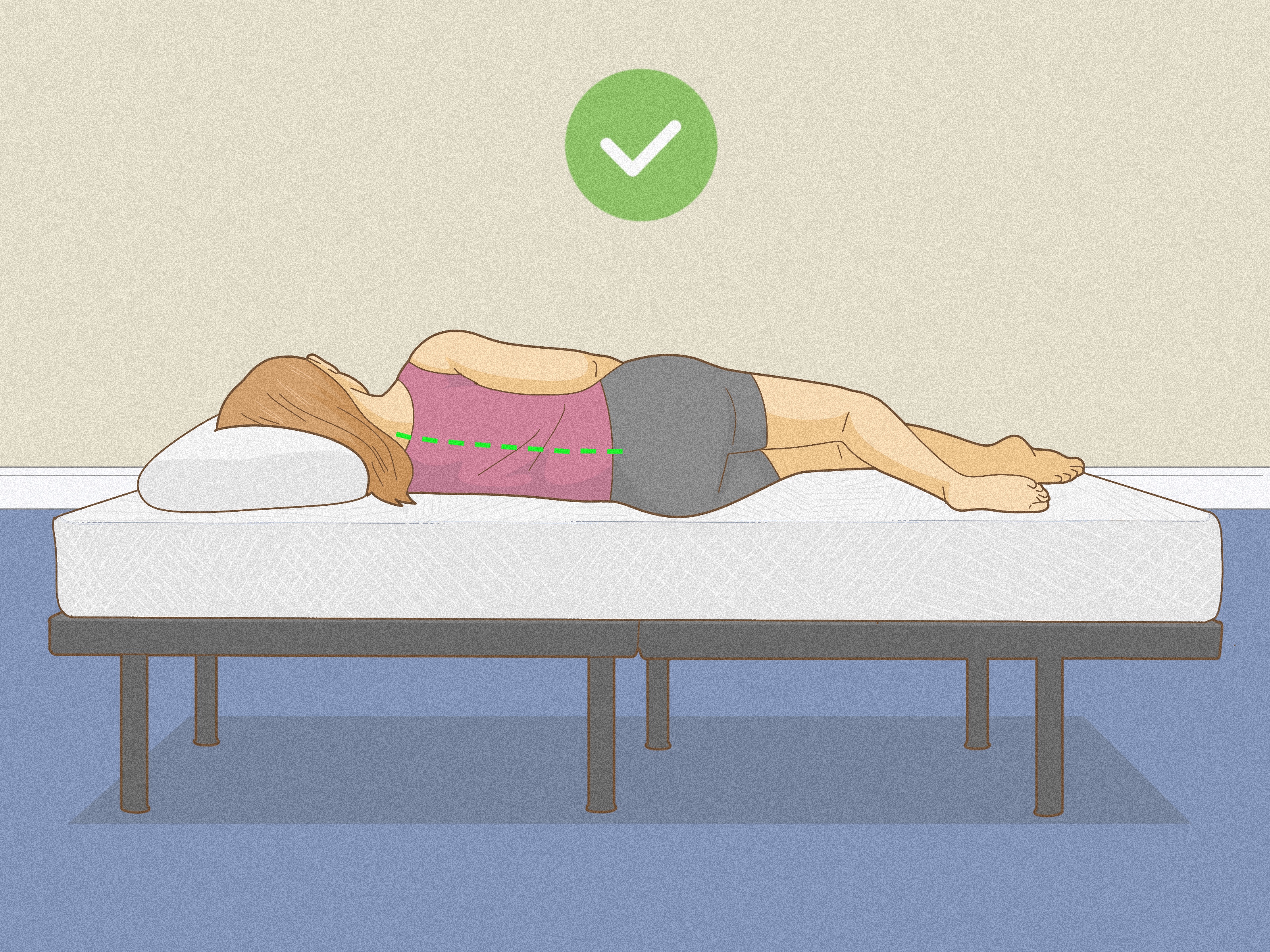
When a mattress loses support, your body may sink unevenly. Side sleepers can feel pressure around the hips and shoulders. Back sleepers may notice lower-back strain. Stomach sleepers may feel their midsection dipping too far, which can tug the spine out of alignment. Even if you sleep enough hours, poor sleep quality can leave you groggy, irritable, and oddly emotional about minor inconveniences, such as a spoon falling behind the dishwasher.
The right mattress does not have to be the most expensive mattress. It needs to match your body, sleep style, and comfort needs. Medium-firm mattresses often work well for many people, especially those with back discomfort, but personal preference matters. A mattress should feel supportive without making you wonder whether you accidentally bought a park bench.
8 Signs It’s Time to Replace Your Mattress
1. Your Mattress Is More Than 8 Years Old
If your mattress is older than eight years, it deserves an honest inspection. This does not mean you must immediately drag it to the curb while playing dramatic farewell music. It does mean you should look for sagging, lumps, weak edges, stains, odors, and changes in how you feel after sleeping.
Many mattresses begin losing noticeable comfort and support somewhere between years six and ten. Materials naturally compress. Coils lose responsiveness. Foam softens. The surface that once felt like a supportive cloud may now feel like a tired marshmallow with responsibilities.
If your mattress is past the eight-year mark and you are waking up sore, sleeping poorly, or choosing the couch “just for a change,” replacement should be on your radar.
2. You Wake Up With Aches, Stiffness, or Numbness
Morning discomfort is one of the loudest signs your mattress may be failing. Occasional soreness can happen from exercise, posture, stress, or sleeping in a strange position. But if you regularly wake up with lower-back pain, stiff shoulders, tight hips, or numb arms, your mattress may not be distributing pressure properly.
A mattress should help your spine stay relatively neutral. If it is too soft, your body may sink too deeply. If it is too firm, pressure points may build around your shoulders, hips, or knees. If it is worn out, it may somehow achieve the worst of both worlds: too soft in the middle, too hard at the edges, and emotionally unavailable throughout.
Try this test: pay attention to how you feel after sleeping somewhere else, such as a hotel, a guest room, or a newer bed. If your pain improves away from your mattress, your bed may be the problem, not your age, your workout, or the fact that you once sneezed while tying your shoes.
3. You Can See Sagging, Dips, or Body Impressions
Visible sagging is not “character.” It is structural fatigue. A mattress with dips, valleys, or body impressions can stop supporting your body evenly. Over time, you may roll toward the center, feel trapped in one position, or wake up because your hips have migrated into a foam canyon.
Small impressions can be normal, especially in foam and pillow-top mattresses. But deeper sagging is a warning sign. If the dip is obvious when the bed is unoccupied, or if you feel your body sliding into the same hollow every night, the mattress is likely past its best days.
Also check the foundation. Sometimes the mattress is blamed when the real villain is a broken slat, weak box spring, or unsupportive platform. If the base is uneven, even a good mattress can sag early. Before replacing the mattress, inspect the support underneath. Your bed frame should not resemble a group project held together by hope.
4. You Sleep Better Anywhere Else
If you sleep better at a hotel, in the guest room, or on your friend’s couch under a suspiciously small blanket, your mattress may be underperforming. This sign is especially revealing because it compares your sleep in different environments.
Of course, travel sleep can be affected by many things: room temperature, stress, pillows, noise, and whether you had dessert at 10 p.m. like a champion. But if you repeatedly notice that another bed leaves you more refreshed, your own mattress deserves questioning.
A good mattress should not make bedtime feel like a negotiation. You should not need to build a pillow fortress, rotate diagonally, or perform a nightly search for “the one good spot.” If your bed only works when you lie in a very specific position at a very specific angle while holding your breath, it may be time for a new mattress.
5. Your Allergies or Asthma Symptoms Are Worse at Night
Mattresses can collect dust mites, pet dander, pollen, mold spores, and other allergens. Dust mites especially love warm, humid bedding environments because apparently they also enjoy cozy real estate. For people with allergies or asthma, an older mattress may contribute to nighttime sneezing, congestion, coughing, itchy eyes, or morning stuffiness.
Good mattress care can help. Use a zippered allergen-resistant mattress cover, wash sheets weekly in hot water when fabric care allows, vacuum around the bed, and keep bedroom humidity under control. A washable mattress protector is one of the simplest ways to protect both your mattress and your breathing space.
However, if your mattress has persistent musty odors, visible mold, heavy staining, or allergy symptoms that improve when you sleep elsewhere, replacement may be smarter than another round of heroic vacuuming. There is a difference between cleaning a mattress and trying to resurrect one from the swamp.
6. You Overheat Every Night
Sleeping hot can happen for many reasons: room temperature, bedding, hormones, pajamas, pets, or a partner who radiates heat like a small furnace. But your mattress can also play a role. Some older foam mattresses trap heat as materials break down or lose airflow. Pillow-tops and dense comfort layers may also hold warmth.
If you wake up sweaty, kick off the covers repeatedly, or flip your pillow 14 times searching for the cool side, evaluate your sleep setup. Start with breathable sheets, lighter blankets, better airflow, and a cooler bedroom. If the mattress itself still feels hot and stuffy, especially compared with newer beds, replacement may improve comfort.
When shopping, look for cooling features that are more than marketing confetti. Breathable covers, coil support systems, latex, gel-infused foam, open-cell foam, and phase-change materials may help some sleepers. No mattress can turn July into October, but a better design can reduce the “toaster pastry” effect.
7. The Mattress Is Noisy, Lumpy, or Unstable
Your mattress should not announce every movement like a haunted staircase. Squeaking, creaking, crunching, or popping can point to worn coils, damaged springs, or a failing foundation. Lumps can come from shifting padding, compressed foam, or uneven fill. Weak edges can make you feel like you are about to roll off the bed while simply putting on socks.
Motion transfer is another clue. If every partner movement feels like a small earthquake, the mattress may no longer absorb motion well. This is especially common in older innerspring beds or lower-quality hybrids where the support system has weakened.
Again, check the frame before blaming the mattress. Tighten bolts, inspect slats, and make sure the mattress is properly supported. If the noise or instability remains, the mattress may be ready for retirement, preferably before it develops its own soundtrack.
8. Your Body or Sleep Needs Have Changed
Sometimes the mattress has not failed; your life has changed. Weight changes, pregnancy, injury, surgery, aging, a new sleep position, or sharing the bed with a partner can all change what feels supportive. A mattress that felt perfect five years ago may not match your current body.
For example, a side sleeper may need more pressure relief around the shoulders and hips. A back sleeper may need stronger lumbar support. A heavier sleeper may need a thicker, more durable mattress with resilient support layers. Couples may need better motion isolation or stronger edge support. People with back discomfort may prefer a surface that balances cushioning with firmness.
Do not treat mattress choice like a loyalty program. You are not required to keep sleeping on the same firmness forever. Your mattress should serve your current needs, not the person you were when you bought it during a holiday sale while eating pretzels in a furniture store.
Can a Mattress Topper Help Instead?
Sometimes, yes. A mattress topper can adjust the feel of a mattress that is too firm, slightly too soft, or lacking pressure relief. It can also add a cooling layer or make a guest bed more comfortable. If your mattress is fairly new and still structurally sound, a topper may be a budget-friendly fix.
But a topper cannot repair a broken support core. It will not erase deep sagging, remove mold, silence damaged springs, or turn a worn-out mattress into a luxury sleep system. Think of a topper like a good jacket. It can improve the outfit, but it cannot fix a bicycle with square wheels.
Use a topper if your mattress is under eight years old, clean, and mostly supportive. Replace the mattress if the foundation of comfort and support has clearly failed.
How to Make Your Mattress Last Longer
A good mattress is an investment, so treat it like one. You do not need to tuck it in and read it bedtime stories, but basic care can extend its life.
- Use a mattress protector: It guards against sweat, spills, dust, and allergens.
- Rotate the mattress regularly: Many mattresses benefit from rotation every three to six months, unless the manufacturer says otherwise.
- Support it properly: Use the right foundation, platform, slats, or adjustable base recommended for your mattress type.
- Keep it clean: Wash bedding weekly, vacuum the mattress surface occasionally, and handle stains quickly.
- Avoid jumping on the bed: Yes, it is fun. No, your coils do not appreciate your gymnastics era.
- Let it breathe: Good airflow helps reduce moisture buildup, especially in humid climates.
Also check the warranty, but do not confuse warranty length with comfort lifespan. A 20-year warranty does not guarantee the mattress will feel amazing for 20 years. It usually covers specific defects, not the slow, normal decline of comfort from nightly use.
How to Choose a New Mattress When It’s Time
When replacing your mattress, start with how you sleep. Side sleepers often like cushioning with enough support to prevent the hips from sinking too far. Back sleepers usually need balanced support for the lower back. Stomach sleepers often need a firmer surface to keep the torso from dipping. Combination sleepers may prefer responsive materials that make it easy to change positions.
Next, consider firmness. Medium-firm works well for many people, but comfort is personal. A mattress that feels medium-firm to a 130-pound sleeper may feel softer to a 230-pound sleeper. This is why trial periods are helpful. Spend at least a few weeks testing a new mattress when possible, because your body may need time to adjust.
Finally, look at practical details: edge support, motion isolation, cooling, durability, return policy, warranty terms, and whether the mattress works with your existing base. The best mattress is not the one with the fanciest label. It is the one that helps you wake up feeling human instead of like you were assembled incorrectly.
Real-Life Experiences: What Replacing an Old Mattress Can Feel Like
Experience often tells the story better than a spec sheet. Many people do not realize how bad their mattress has become until they sleep on something better. It is like wearing old sneakers for years, then trying on a new pair and suddenly understanding why your knees have been writing complaint letters.
One common experience is the “hotel bed revelation.” A person goes on a weekend trip, sleeps in a hotel, and wakes up surprisingly refreshed. At first, they blame vacation mode. No emails, no laundry, no mysterious crumbs in the kitchen. But then it happens again on another trip. The hotel mattress feels supportive, the shoulders feel less jammed, and the lower back does not start the day with dramatic music. That comparison can make it clear that the home mattress is no longer doing its job.
Another familiar story is the couple with different sleep needs. One partner tosses and turns. The other wakes up every time the mattress bounces. Over time, bedtime becomes a nightly game of “try not to disturb the human beside you.” A newer mattress with better motion isolation can feel like peace negotiations finally succeeded. Nobody needs to sleep on the edge like a cliffside goat. Nobody needs to whisper apologies after rolling over.
Parents often notice mattress aging in guest rooms and kids’ rooms, too. A mattress that was “still fine” gets passed from room to room until it becomes a family heirloom nobody asked for. Then a guest politely says they slept “okay,” which is social code for “my spine and I had a meeting.” Guest mattresses do not need to be luxury models, but they should still be clean, supportive, and free of dips that turn sleep into a slow-motion slide toward the center.
There is also the allergy experience. Someone wakes up congested every morning, blames the season, buys tissues in bulk, and keeps ignoring the mattress. After adding allergen-proof covers, washing bedding more consistently, and eventually replacing an old mattress, nighttime symptoms may improve. Not every allergy problem is caused by a mattress, but an old bed can become part of the problem, especially when it has years of dust, sweat, pet dander, and humidity stored inside like a very unglamorous time capsule.
Then there is the “I thought I just had bad sleep” experience. A person assumes waking up tired is normal. They blame work stress, screen time, caffeine, the moon, and possibly the neighbor’s leaf blower. But after replacing a sagging mattress, they notice fewer wake-ups, less tossing, and easier mornings. The new mattress does not solve every life problem. It will not answer emails or fold towels. But it can remove one major obstacle between the body and deeper rest.
The biggest lesson from these experiences is simple: do not wait until your mattress is visibly falling apart. If your sleep is worse, your body hurts, your allergies flare, or you are more comfortable anywhere else, pay attention. A mattress replacement is not just a shopping decision. It is a sleep-quality decision, a comfort decision, and sometimes a “why did I tolerate that crater for three years?” decision.
Final Thoughts: Listen to the Mattress, but Trust Your Body
So, how often should you get a new mattress? Use 6 to 10 years as a helpful guideline, but let your body, sleep quality, and mattress condition make the final call. If your bed is sagging, lumpy, noisy, hot, allergen-heavy, or leaving you sore in the morning, it may be time to replace it.
A mattress should help you rest, recover, and wake up ready for the day. It should not be a nightly obstacle course with springs. When the signs are obvious, do not keep negotiating with a worn-out bed. Thank it for its service, replace it responsibly, and enjoy the underrated luxury of waking up without feeling like you wrestled a folding chair.
Note: This article is for general informational purposes only. If you have persistent pain, severe sleep problems, asthma symptoms, or allergy concerns, consider speaking with a qualified health professional.