Pork tenderloin with apples and onions is the kind of dinner that looks like you planned your life better than you actually did. It is cozy, elegant, fast enough for a weeknight, and dramatic enough for guests who think “pan sauce” means you went to culinary school. The magic is simple: lean, tender pork meets sweet-tart apples, golden onions, Dijon mustard, herbs, and a splash of broth or cider. The result is juicy pork with a glossy apple-onion sauce that tastes like fall put on a cardigan.
This recipe is built around one important truth: pork tenderloin cooks quickly. That is wonderful news for hungry people and dangerous news for anyone who likes to wander off and “just check one thing” on their phone. A few extra minutes can turn tenderloin from juicy to dry, so this guide focuses on timing, temperature, and flavor balance. You will sear the pork for color, roast it gently with apples and onions, rest it properly, and finish everything with a simple sauce that makes the whole dish taste restaurant-worthy.
Why Pork Tenderloin With Apples and Onions Works So Well
Pork and apples are a classic American pairing because they balance each other beautifully. Pork tenderloin is mild, lean, and slightly savory. Apples bring sweetness, acidity, and fragrance. Onions add depth and mellow sweetness as they soften in the pan. Add thyme, rosemary, Dijon mustard, and a little apple cider or chicken broth, and you get a dish that is both bright and comforting.
The best part is that this is a one-pan recipe. You brown the pork, cook the apples and onions in the same skillet, then finish everything in the oven. Those browned bits on the bottom of the pan are not a mess; they are flavor treasure. Deglaze them with broth, cider, or a splash of vinegar, and suddenly your skillet has a sauce that tastes like it took far more effort than it did. We love a dinner that lies politely on our behalf.
Ingredients for Pork Tenderloin With Apples and Onions
Main Ingredients
- 2 pork tenderloins, about 1 to 1 1/4 pounds each
- 2 medium apples, cored and sliced into wedges
- 1 large yellow onion, thinly sliced
- 2 tablespoons olive oil, divided
- 1 tablespoon unsalted butter
- 1 1/2 teaspoons kosher salt
- 1/2 teaspoon black pepper
- 1 teaspoon garlic powder
- 1 teaspoon chopped fresh thyme, plus more for garnish
- 1/2 teaspoon chopped rosemary
For the Apple-Onion Pan Sauce
- 1/2 cup apple cider or low-sodium chicken broth
- 1 tablespoon Dijon mustard
- 1 tablespoon apple cider vinegar
- 1 teaspoon honey or maple syrup, optional
- 1 teaspoon cornstarch mixed with 1 tablespoon water, optional for thickening
Best Apples to Use
For this pork tenderloin recipe, choose apples that can hold their shape when cooked. Granny Smith is a great choice if you like a tart flavor that cuts through the richness of the pork. Honeycrisp brings sweetness and crunch. Braeburn, Pink Lady, Jonagold, and Golden Delicious also work well. Avoid very soft apples unless you want them to melt into the sauce. That is not a tragedy, but it does turn your elegant apple wedges into applesauce with ambition.
A mix of tart and sweet apples gives the dish the best flavor. Try one Granny Smith and one Honeycrisp for a balanced pan sauce. The tart apple keeps the dish lively, while the sweeter apple rounds out the onions and mustard. If your apples are very sweet, add a little more vinegar. If they are sharply tart, a teaspoon of honey or maple syrup can soften the edges.
Step-by-Step Instructions
1. Prepare the Pork
Preheat the oven to 400°F. Pat the pork tenderloins dry with paper towels. This step matters because wet pork steams instead of sears, and steamed pork tenderloin is not invited to this party. Trim away any silver skin, which is the thin, shiny membrane that can become tough when cooked.
Season the tenderloins all over with salt, black pepper, garlic powder, thyme, and rosemary. Let the pork sit at room temperature for about 15 minutes while you slice the apples and onions. This short rest helps the meat cook more evenly.
2. Sear the Tenderloin
Heat 1 tablespoon of olive oil in a large oven-safe skillet over medium-high heat. Add the pork tenderloins and sear for about 2 minutes per side, turning until all sides are golden brown. You are not trying to cook the pork through at this stage. You are building flavor and giving the tenderloin that beautiful browned crust.
Transfer the seared pork to a plate. Do not wipe out the skillet. The browned bits left behind are the beginning of your sauce, and frankly, they have done nothing wrong.
3. Cook the Apples and Onions
Reduce the heat to medium. Add the remaining tablespoon of olive oil and the butter. Add the sliced onion and cook for 4 to 5 minutes, stirring often, until it begins to soften. Add the apple wedges and cook for another 3 to 4 minutes. The apples should pick up a little color but still hold their shape.
Stir in the Dijon mustard, apple cider vinegar, and apple cider or chicken broth. Scrape the bottom of the skillet to loosen the browned bits. If you like a slightly sweeter sauce, add the honey or maple syrup. Taste the liquid and adjust with a pinch of salt or a splash more vinegar if needed.
4. Roast Until Juicy and Tender
Nestle the pork tenderloins back into the skillet, placing them on top of the apples and onions. Transfer the skillet to the oven and roast for 12 to 18 minutes, depending on the thickness of the pork. The safest and most reliable way to know when it is done is to use an instant-read thermometer. Remove the pork from the oven when the thickest part reaches 145°F.
Let the pork rest for at least 3 minutes before slicing. Resting allows the juices to settle instead of rushing onto the cutting board like they are late for a meeting. During this time, the apples and onions will continue soaking up the savory pan sauce.
5. Finish the Sauce
Transfer the pork to a cutting board. If the sauce in the skillet looks too thin, place the skillet back on the stovetop over medium heat. Simmer for 2 to 3 minutes until slightly reduced. For a thicker, glossier sauce, stir in the cornstarch slurry and cook for 1 minute. Slice the pork into medallions and spoon the apples, onions, and sauce over the top.
Cooking Tips for the Best Pork Tenderloin
Use a Meat Thermometer
Pork tenderloin is lean, which means it can dry out if overcooked. A thermometer removes the guesswork. Aim for 145°F in the thickest part, followed by a short rest. The pork may have a slight blush in the center, which is normal when it has reached the proper temperature.
Do Not Skip the Sear
Searing adds flavor through browning. It also improves texture and gives the finished dish a deeper, more savory taste. If your skillet is too crowded, sear one tenderloin at a time. Crowding lowers the pan temperature and turns browning into steaming, which is how dinner gets emotionally complicated.
Slice Against the Grain
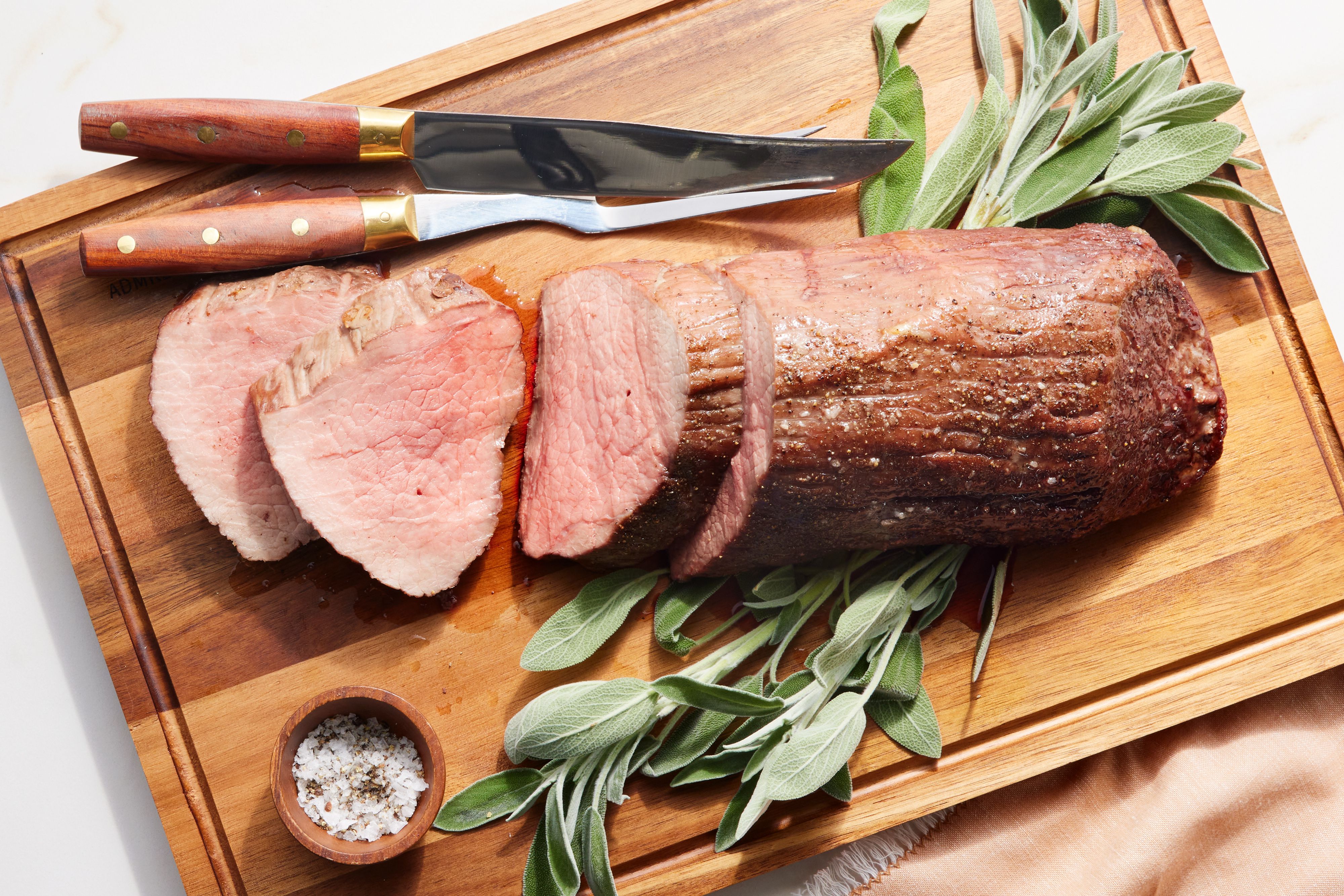
After resting, slice the pork into 1/2-inch medallions. Cutting across the grain makes each piece more tender. Arrange the slices over the apples and onions so every bite gets pork, fruit, onion, and sauce.
Flavor Variations
Maple-Mustard Pork Tenderloin
Add 1 tablespoon of maple syrup to the sauce and use a little extra Dijon mustard. This version is sweet, tangy, and perfect with roasted sweet potatoes.
Cider-Herb Pork Tenderloin
Use apple cider instead of chicken broth and add extra thyme. This creates a stronger apple flavor and a slightly sweeter pan sauce.
Garlic and Sage Version
Replace rosemary with chopped fresh sage and add 2 minced garlic cloves when cooking the onions. Sage gives the dish a holiday-style aroma without requiring you to decorate anything.
Light Cream Finish
For a richer sauce, stir in 2 tablespoons of heavy cream after reducing the pan sauce. Keep the heat low so the sauce stays smooth.
What to Serve With Pork Tenderloin With Apples and Onions
This dish loves simple sides. Mashed potatoes are the obvious choice because they catch the apple-onion sauce beautifully. Roasted sweet potatoes, buttered egg noodles, wild rice, or creamy polenta also work well. For vegetables, try roasted Brussels sprouts, green beans, carrots, sautéed cabbage, or a crisp arugula salad.
If you want a full fall dinner, serve the pork with mashed potatoes and roasted Brussels sprouts. If you want something lighter, pair it with a green salad and crusty bread. If you want to impress guests, add a small bowl of extra sauce at the table. People love extra sauce. It makes them feel seen.
Storage and Reheating
Store leftovers in an airtight container in the refrigerator within 2 hours of cooking. Pork tenderloin with apples and onions keeps well for 3 to 4 days. For best texture, reheat gently in a covered skillet over low heat with a splash of broth or water. Avoid blasting it in the microwave for too long, because lean pork can dry out quickly.
Leftover pork is excellent in sandwiches, grain bowls, salads, wraps, or breakfast hash. Thin slices with mustard, arugula, and a little leftover onion make a very respectable next-day sandwich. Honestly, it may be the kind of lunch that makes coworkers suspiciously quiet.
Common Mistakes to Avoid
Using Pork Loin Instead of Pork Tenderloin
Pork tenderloin and pork loin are not the same cut. Pork tenderloin is smaller, leaner, and cooks quickly. Pork loin is larger and needs a longer cooking time. If you use pork loin in this recipe without adjusting the timing, dinner may arrive late and slightly confused.
Cutting the Apples Too Thin
Thin apple slices can collapse during roasting. Cut apples into sturdy wedges so they soften without disappearing into the sauce.
Overcooking the Pork
The biggest mistake is waiting until pork looks completely white inside before removing it from the oven. By then, it may be dry. Trust the thermometer, not fear.
Frequently Asked Questions
Can I Make This Recipe Ahead?
You can season the pork and slice the onions up to 1 day ahead. Slice the apples shortly before cooking so they stay fresh. The finished dish tastes best right after cooking, but leftovers reheat well when handled gently.
Can I Use Pork Chops Instead?
Yes. Thick boneless or bone-in pork chops work nicely with apples and onions. The cooking time will vary depending on thickness, so use a thermometer and cook to the proper temperature.
Can I Make It Without Alcohol?
Absolutely. This recipe uses apple cider or chicken broth, so no wine is necessary. If you enjoy cooking with wine, a splash of dry white wine can be added to the sauce, but it is completely optional.
Can I Double the Recipe?
Yes, but sear the pork in batches and use a large roasting pan or two skillets. Give the apples and onions enough room to roast instead of steam.
Experience Notes: What I Learned Making Pork Tenderloin With Apples and Onions
The first time I made pork tenderloin with apples and onions, I treated the tenderloin like a tiny roast that could patiently wait for me. It could not. Pork tenderloin is polite, but it is not forgiving forever. I left it in the oven a few minutes too long, and while dinner was still edible, it had the enthusiasm of a dry office meeting. That was the night I learned the meat thermometer is not a fancy gadget; it is a tiny kitchen truth-teller.
The second lesson came from the apples. I once sliced them too thin because I wanted the dish to look delicate. Instead, the apples softened so much that they turned into a chunky sauce. It tasted good, but it lost the beautiful contrast of tender pork and juicy apple wedges. Now I cut apples into thick wedges and let them brown lightly before roasting. They stay present in the dish, which is important because apples deserve more than a background role.
Onions are another quiet hero. If you rush them, they taste sharp and bossy. If you give them a few minutes in butter and olive oil, they become sweet, golden, and mellow. They also help connect the pork and apples. Without onions, the recipe tastes like pork plus fruit. With onions, it tastes like a complete dinner that had a meeting and agreed on a plan.
I also learned that Dijon mustard is the secret handshake of this recipe. You do not need much, but it gives the sauce structure. It keeps the apple cider from becoming too sweet and makes the pork taste deeper. Apple cider vinegar does something similar. A small splash wakes everything up. Without that touch of acidity, the dish can feel heavy. With it, the sauce tastes balanced and bright.
My favorite version uses one tart apple and one sweet apple. Granny Smith and Honeycrisp are a dependable pair. The Granny Smith keeps its shape and brings brightness, while Honeycrisp adds gentle sweetness. If I am cooking for guests, I add fresh thyme at the end because it makes the skillet look finished and smells amazing. If I am cooking on a regular Tuesday, I still add the thyme, because Tuesday deserves standards.
This recipe has also become one of my favorite “company dinners” because it feels generous without being stressful. You can serve it straight from the skillet, which gives the table a cozy farmhouse look even if your kitchen currently contains three dirty measuring spoons and one mysterious apple sticker stuck to the counter. The dish pairs well with mashed potatoes, roasted vegetables, or a simple salad, so it is easy to build a full meal around it.
The biggest practical tip from experience is to rest the pork before slicing. It is tempting to cut into it immediately, especially when the kitchen smells like apples, herbs, and browned butter. Wait anyway. A short rest makes the slices juicier, cleaner, and more tender. Slice too early, and the juices run away. Let it rest, and dinner behaves.
Pork tenderloin with apples and onions is not complicated, but it rewards attention. Dry the meat. Sear it well. Choose firm apples. Use enough salt. Add acidity. Trust the thermometer. Let the pork rest. These are small steps, but together they turn a simple skillet dinner into something memorable. It is cozy, practical, and just fancy enough to make people ask for the recipe before they have finished chewing.
Conclusion
Pork tenderloin with apples and onions is a weeknight-friendly recipe with weekend-dinner energy. It combines lean pork, sweet-tart apples, caramelized onions, herbs, Dijon mustard, and a quick pan sauce into one comforting meal. The key is not complicated technique; it is smart technique. Sear the pork for flavor, roast it just until it reaches the right temperature, rest it before slicing, and let the apples and onions carry the sauce.
Whether you serve it with mashed potatoes, roasted vegetables, rice, or a crisp salad, this dish delivers big flavor without turning dinner into a project. It is simple enough for beginners, flexible enough for creative cooks, and impressive enough for guests. In other words, it is exactly the kind of recipe every home cook should keep in the rotation.