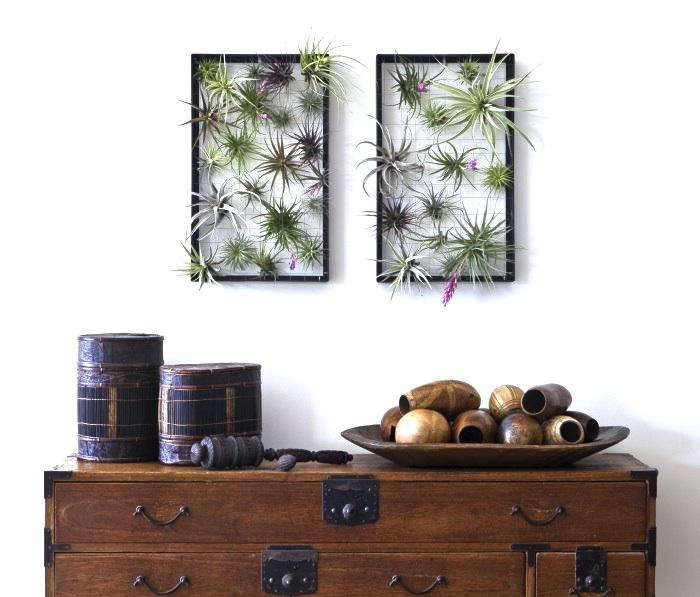
Some indoor gardens arrive with soil, saucers, pruning shears, and the faint suspicion that you have accidentally adopted a small, leafy boss. The Instant Indoor Garden from Flora Grubb takes a different route. It leans into the beauty of air plants, especially Tillandsias, and turns them into living wall art that feels modern, sculptural, and refreshingly low-drama. No heavy planter. No mysterious potting mix. No weekly negotiation with a fern that has opinions.
Flora Grubb Gardens, known for design-forward plants, distinctive containers, and drought-tolerant landscaping inspiration, has long been associated with creative ways to bring greenery into modern homes. The idea behind an instant indoor garden is simple: use plants that do not need soil, arrange them in a frame or display, and create a compact vertical garden that can make a blank wall, kitchen corner, sunny bathroom, or office nook look instantly alive.
This is not “maintenance-free,” because plants are living things, not green plastic with ambition. But compared with many traditional houseplants, an air plant display can be wonderfully easy. With the right light, consistent watering, and good air circulation, it becomes a small indoor ecosystem with the personality of art and the care routine of a friendly houseguest.
What Is the Instant Indoor Garden from Flora Grubb?
The concept is best understood as a compact, vertical display built around Tillandsias, commonly called air plants. A well-known version featured an Airplant Frame connected with Flora Grubb and designed by landscape architect Josh Rosen. The frame used a lightweight, powder-coated aluminum structure, suitable for indoor or outdoor display, and allowed the entire planted frame to be removed and soaked for watering.
That one design detail is the magic trick. Traditional wall gardens often require irrigation systems, soil pockets, drainage planning, and a level of commitment normally reserved for adopting a puppy. An air plant frame keeps things cleaner. The plants are attached to a grid-like structure, displayed vertically, and watered by removing the frame, soaking or rinsing the plants, letting everything dry, and hanging it back in place.
In other words, the instant indoor garden gives you the “wow, you live in a boutique hotel lobby” look without turning your wall into a swamp. That is a meaningful win for renters, apartment dwellers, busy professionals, and anyone whose previous gardening experience ended with a basil plant making a dramatic exit.
Why Air Plants Are Perfect for an Instant Indoor Garden
Tillandsias are epiphytes, meaning they naturally grow attached to trees, rocks, or other surfaces rather than rooting in soil. Their roots act more like anchors than drinking straws. The leaves do most of the work, absorbing moisture and nutrients through tiny surface structures. This soil-free habit makes them unusually flexible for design.
Because they do not require a pot full of soil, air plants can be placed in frames, bowls, wall hooks, glass vessels, driftwood arrangements, ceramic holders, or minimalist wire displays. They can become a living sculpture, a botanical gallery wall, or a tiny jungle that politely refuses to spill dirt on your floor.
The Main Benefits
- Space-saving design: A vertical air plant garden works well in small apartments, narrow kitchens, entryways, and office corners.
- No soil mess: There is no potting mix to spill, compact, replace, or accidentally knock onto the rug.
- Easy watering routine: Many displays can be removed, soaked, dried, and returned to the wall.
- Design flexibility: Air plants come in silvery, green, spiky, curly, fuzzy, and sculptural forms.
- Modern visual impact: The look is architectural, clean, and a little bit “plant museum,” in the best possible way.
The Flora Grubb Style: More Than Just Plants on a Wall
Flora Grubb Gardens has built a reputation around plants that feel intentional. The style is not about cramming a windowsill with whatever looked lonely at the grocery store. It is about combining form, texture, color, container, and placement so the plant becomes part of the room’s design.
That philosophy is exactly why an instant indoor garden works. A Tillandsia frame is not merely a plant holder. It is a composition. The spiky forms contrast with soft interiors. Silvery leaves brighten darker walls. Curled varieties add movement. Larger specimens create focal points, while smaller ones fill negative space like botanical punctuation marks.
The result is a garden that does not need a backyard. It needs a wall, decent light, and an owner who remembers that “air plant” does not mean “survives entirely on vibes.”
Where to Place an Instant Indoor Garden
Placement matters. Indoor plants usually fail not because their owners are bad people, but because the plant was put in the wrong spot and expected to be brave about it. Air plants prefer bright, indirect or filtered light. They can tolerate some direct light depending on the variety, especially silvery types, but harsh sun through hot glass can dry or scorch them.
Best Indoor Locations
Near an east-facing window: Morning light is often gentle and bright enough for many Tillandsias. This is one of the easiest placements for beginners.
In a bright kitchen: Kitchens often provide humidity from cooking and washing. A frame near a sink is practical because watering is convenient. The plants get a spa day; you get fewer excuses.
In a bathroom with a window: Humidity can help, but the room still needs natural light. A dark bathroom is not a rainforest. It is just a cave with towels.
On a bright office wall: A vertical garden can soften screens, cables, and the general emotional atmosphere of spreadsheets.
On a covered patio or protected balcony: In mild climates, air plants may enjoy outdoor conditions if protected from frost, extreme sun, and drying winds.
How to Care for an Air Plant Indoor Garden
The care routine is simple, but it must be consistent. Air plants need light, water, and air movement. They do not need soil, but they are not decorations you can abandon until the next full moon.
1. Give Them Bright, Indirect Light
Most Tillandsias perform best in bright, indirect light. A spot close to a window but protected from intense afternoon sun is usually ideal. If the plants are deep inside a room where you would need to turn on a light to read, they are probably not getting enough natural light.
South- and west-facing rooms tend to provide the strongest exposure, while north-facing rooms are usually lower light. East-facing windows can be excellent because the morning sun is less intense. Watch the plants over time. Healthy air plants often hold their color and shape; stressed plants may curl excessively, brown at the tips, or fade.
2. Water Thoroughly, Then Dry Completely
For many air plants, a weekly soak works well. Submerge them in room-temperature water for about 30 to 60 minutes, then shake off excess moisture and let them dry upside down or on their side before returning them to the frame. Drying is not optional. Water trapped in the crown can lead to rot, which is the plant version of a very avoidable tragedy.
Some people mist air plants, but misting alone may not provide enough moisture in dry indoor environments. A deeper soak is usually more reliable, especially if your home has forced-air heating or air conditioning. If the leaves curl tightly or tips turn brown, the plants may need more frequent watering. If they feel mushy or dark at the base, they may be staying wet too long.
3. Use the Right Water
Rainwater, bottled water, or tap water left out overnight can work well. Avoid softened water because the salts can harm air plants. Distilled water is not always ideal because it may lack minerals. Room-temperature water is best; icy water is rude, and plants have done nothing to deserve that.
4. Keep Air Moving
Air plants like ventilation. After watering, they should dry within a few hours. A closed glass container with no airflow may look stylish on day one and suspicious by day ten. If you use a frame, wire holder, or open display, you are already helping the plants breathe.
5. Fertilize Lightly, If at All
Air plants do not need heavy feeding. If you fertilize, use a product formulated for air plants or bromeliads and follow the label carefully. Too much fertilizer can damage plants. Think of fertilizer as a vitamin, not a pizza buffet.
Design Ideas for a Flora Grubb-Inspired Indoor Garden
The best instant indoor gardens look relaxed but intentional. The trick is to combine different forms while leaving enough breathing room between plants. A crowded display can look messy and may reduce airflow. A well-spaced display feels sculptural.
Create a Living Wall Accent
Hang an air plant frame on a blank wall where you might otherwise place a small painting. This works especially well in modern, bohemian, coastal, industrial, and minimalist interiors. A rectangular frame can echo window shapes, cabinet lines, or artwork nearby.
Mix Air Plants with Ceramics
Flora Grubb’s broader design language often celebrates the relationship between plants and containers. Even though air plants do not require soil, they still look beautiful with ceramics. Try placing a few in shallow bowls, sculptural vessels, or handmade cups near the framed garden to create a layered indoor plant moment.
Use Texture Like a Designer
Pair fine-leaved Tillandsias with bold varieties. Mix silvery plants with greener ones. Use curly forms beside upright forms. This creates rhythm and makes the display feel collected rather than randomly assembled during a caffeine-fueled Saturday errand.
Build a Mini Indoor Garden Zone
An air plant frame can be the centerpiece, while nearby shelves hold low-maintenance houseplants such as pothos, ZZ plant, snake plant, peperomia, or small succulents. The frame gives height; the potted plants add depth. Suddenly, a boring corner has a personality and possibly better lighting than your last selfie.
Common Mistakes to Avoid
Air plants are forgiving, but they are not invincible. Most problems come from the same three issues: too little light, poor drying after watering, and inconsistent care.
Mistake 1: Believing “Air Plant” Means “No Water”
The name is charming but misleading. Air plants need regular moisture. In nature, they receive rain, dew, humidity, and airflow. Indoors, they depend on you. That does not make them needy; it makes them plants.
Mistake 2: Leaving Them Wet in the Frame
After soaking, always let plants dry before rehanging them. This is especially important for varieties with tight centers where water can collect. A good rule: water deeply, dry thoroughly, display proudly.
Mistake 3: Putting Them in a Dark Corner
A dim hallway may look like a great place for wall decor, but it may not support healthy Tillandsias. If the location is too dark for plant growth, consider rotating the frame to a brighter spot or using a grow light designed for indoor plants.
Mistake 4: Forgetting About Pets
Many plant lovers also live with cats, dogs, or curious creatures who believe every new object is either a toy or a salad. Wall-mounted displays can help keep delicate plants out of reach, but pet behavior varies. Place plants thoughtfully and move them if your pet becomes too interested.
Is an Instant Indoor Garden Worth It?
Yes, especially for people who want greenery without committing to a traditional indoor jungle. A Flora Grubb-inspired air plant garden offers a rare combination: visual drama, small-space practicality, and relatively easy care. It is especially appealing if you love plants but dislike soil mess, oversized pots, or the emotional roller coaster of a fiddle leaf fig.
It is also a smart choice for design-conscious homes. Many houseplants look beautiful, but they need floor space. A vertical air plant garden uses the wall, which is often underused real estate. It adds softness without clutter and can make even a small apartment feel more layered and alive.
Who Should Try This Indoor Garden Idea?
This concept is ideal for apartment dwellers, design lovers, beginner plant parents, frequent travelers who are not gone too long, and anyone who wants a plant display that looks more curated than complicated. It is also excellent for people who enjoy rearranging things. Air plant frames and holders make it easy to refresh the composition without repotting anything.
However, it may not be the best fit for someone who has very low natural light, forgets watering for months, or wants edible herbs. Air plants are decorative, not dinner. If your goal is pesto, you need basil, sunlight, and a different article.
How to Make the Look Feel High-End
A polished indoor garden depends on restraint. Choose a frame or display that fits your room’s style. Avoid overcrowding. Repeat colors from the room in nearby pots, textiles, or art. If the wall is white, silvery Tillandsias can feel clean and airy. Against a dark wall, green and sculptural varieties pop beautifully.
Lighting also changes everything. A plant frame near natural light looks fresh and intentional. At night, soft accent lighting can make the shadows of the plants part of the display. Suddenly, your wall is not just decorated; it is performing a tiny botanical ballet.
of Real-World Experience: Living with an Instant Indoor Garden
The first thing you notice about an instant indoor garden is how quickly it changes the mood of a room. A blank wall can feel flat, even when the furniture is nice. Add a vertical air plant display, and the wall suddenly has movement. It does not scream for attention, but it quietly raises its hand and says, “This home has taste.” Very polite. Very leafy.
In daily life, the biggest advantage is convenience. With potted plants, watering can become a small obstacle course. You check the soil, move saucers, avoid spilling water, and sometimes wonder whether that brown spot means thirst, sunburn, overwatering, under-watering, or plant sarcasm. With air plants, the routine is clearer. Take the frame down, soak or rinse the plants, let them dry, and put them back. It feels more like maintaining an object of design than managing a traditional garden.
The second pleasant surprise is how flexible the display can be. You can rotate plants, swap in new varieties, or rearrange the composition when the mood changes. That makes the garden feel alive in two ways: the plants grow slowly, and the design evolves with your home. Around holidays, it can be styled near candles or seasonal decor. In spring, it can be paired with lighter ceramics. In summer, it looks especially good near open windows and breezy curtains.
There is also a learning curve, but it is friendly. At first, many people underwater air plants because the name sounds like they should survive on oxygen and compliments. After a few weeks, you learn their signals. Curled leaves may mean they are thirsty. Brown tips can suggest dry air or inconsistent watering. A plant that stays wet too long may decline. Once you understand the rhythm, care becomes almost meditative.
The best experience comes from treating the display as both garden and artwork. Do not hide it in a forgotten corner. Give it a place where you will see it, enjoy it, and remember to care for it. A kitchen wall, a bright desk area, or a bathroom with a sunny window can make the garden part of your routine. When watering day arrives, it becomes a small ritual rather than a chore.
And yes, guests notice. People may walk past a pothos without comment, but a framed air plant garden usually gets questions. “Is that alive?” “Does it need soil?” “How do you water it?” This is your moment. You can explain epiphytes like a calm botanical scholar, then casually mention that it is much easier than it looks. Try not to sound too smug. The plants are already doing enough showing off.
Conclusion
The Instant Indoor Garden from Flora Grubb is a smart reminder that indoor gardening does not have to mean heavy pots, complicated watering schedules, or sacrificing half your living room to a plant with celebrity demands. With Tillandsias, a well-designed frame, bright indirect light, and a reliable watering routine, you can create a living wall feature that feels fresh, modern, and surprisingly manageable.
It is part garden, part sculpture, and part conversation starter. Best of all, it brings nature into the home in a way that suits modern life: compact, stylish, flexible, and just quirky enough to make your wall more interesting than your television when it is turned off.
Note: This article is written in original American English for web publication and synthesizes real public information about Flora Grubb Gardens, air plant frames, Tillandsia care, indoor plant styling, and university-backed houseplant care principles without copying source text.