Note: Many people search for “AFM Safe Coat,” but the brand is commonly styled as AFM Safecoat. This article uses both terms naturally so readers can find the information they need without turning the page into a keyword salad. Nobody came here to read a paint-can dictionary.
Choosing a coating for your home sounds simple until you stand in front of a shelf full of sealers, primers, finishes, “low-VOC” claims, and labels that look like they were written by a committee of chemists during a thunderstorm. AFM Safe Coat, better known as AFM Safecoat, has become a popular name among homeowners, builders, chemically sensitive individuals, and green-remodeling fans who want finishes that perform well without turning indoor air into a mystery soup.
The core idea behind AFM Safecoat is straightforward: create paints, sealers, stains, and finishes that reduce exposure to harsh fumes, help manage off-gassing, and support healthier indoor spaces. That matters because modern homes are packed with materials that can release volatile organic compounds, or VOCs. Pressed wood, particleboard, plywood, cabinetry, furniture, paint, adhesives, flooring, and finishes can all contribute to the air you breathe. AFM Safecoat products are designed for people who want to finish a project without feeling like their living room has temporarily become a science lab.
What Is AFM Safe Coat?
AFM Safe Coat usually refers to the AFM Safecoat line of safer building and finishing products. The brand includes interior paints, primers, sealers, wood finishes, stains, cleaners, and specialty coatings. It is especially known for products that help reduce or seal in off-gassing from porous materials.
One of the best-known products is Safecoat Safe Seal, a water-based, low-gloss sealer used primarily on highly porous surfaces such as particleboard, plywood, processed wood, MDF edges, OSB, and porous concrete. Its main purpose is not to make furniture look glossy or turn your subfloor into a showroom. Its job is more practical: help reduce emissions from materials that may release formaldehyde and other VOCs.
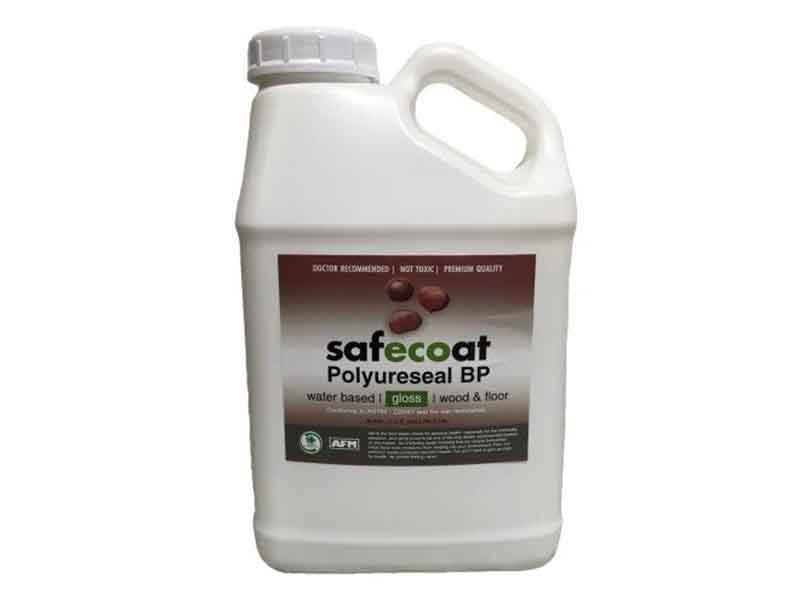
AFM also offers related products such as Hard Seal, Acrylacq, and Polyureseal BP. Each one serves a different role. Safe Seal is for porous, often hidden surfaces. Hard Seal creates a harder clear membrane on low- and high-porosity surfaces. Acrylacq is a water-based alternative to high-solvent lacquers for furniture and millwork. Polyureseal BP is a low-odor, low-VOC polyurethane-style finish for floors, furniture, and cabinetry.
Why Indoor Air Quality Matters
Indoor air quality is not just a buzzword used by people who own suspiciously beautiful houseplants. The air inside homes can contain higher concentrations of certain VOCs than outdoor air, especially during and after remodeling. Paint stripping, new cabinetry, flooring installation, fresh finishes, adhesives, and composite wood products can all contribute to temporary indoor chemical levels.
Formaldehyde is one of the most talked-about indoor pollutants because it is associated with some composite wood products, including particleboard, medium-density fiberboard, and hardwood plywood. In small amounts, many people may not notice a problem. At higher levels, however, some people experience irritation of the eyes, nose, throat, skin, or respiratory system. Children, older adults, and people with asthma or other breathing issues may be more sensitive.
This is where a product like AFM Safecoat becomes useful. A good low-VOC sealer is not magic. It will not make a damaged, moldy, or poorly built home suddenly healthy. But when used correctly, it can be part of a smart strategy: remove the source when possible, ventilate properly, choose lower-emitting materials, and seal exposed porous surfaces when removal is not realistic.
AFM Safecoat Safe Seal: The Product Most People Mean
When people type “AFM Safe Coat” into a search bar, they often mean AFM Safecoat Safe Seal. Safe Seal is a penetrating sealer designed for porous interior surfaces. It is commonly used on raw particleboard, plywood, OSB, MDF edges, chipboard, and other processed wood products that may release chemical odors or formaldehyde.
Best Uses for Safe Seal
Safe Seal works best on surfaces that are porous and usually not touched every day. Think of the underside of shelving, exposed cabinet interiors, raw closet panels, subflooring, the back of furniture, or exposed pressed-wood edges. It is especially useful when a material is already installed and replacing it would be expensive, wasteful, or likely to cause a domestic argument involving a crowbar.
It is important to understand that Safe Seal is not a hard furniture finish. It can remain slightly soft or tacky if too many coats are applied, especially on exposed surfaces. For touchable surfaces such as furniture tops, cabinetry doors, trim, or floors, another AFM product may be a better fit.
Where Safe Seal Should Not Be Used
Safe Seal should not be treated like an all-purpose beauty coat. It is not ideal over nonporous surfaces such as melamine, laminate, or sealed veneer. If MDF or particleboard has a hard factory skin, Safe Seal usually belongs on the exposed raw edges rather than the slick face. It also is not intended to block smoke odor, pet odor, mildew odor, or mysterious “what happened in this rental before I moved in?” odors. For those problems, source removal and cleaning are usually more important.
AFM Hard Seal vs. Safe Seal
AFM Hard Seal is another clear sealer, but it has a different personality. Safe Seal is the quiet, behind-the-scenes helper for porous surfaces. Hard Seal is tougher and more suitable when a clear, more durable film is needed. It can be used on painted walls, ceilings, woodwork, cabinetry, and certain raw wood surfaces when the goal is to create a harder surface barrier.
If you are sealing exposed particleboard inside a cabinet box, Safe Seal may be the better starting point. If you are coating a painted wall, wood trim, or a surface that needs more mar resistance, Hard Seal may make more sense. The practical rule is simple: if the surface will be seen, touched, cleaned, or bumped, do not automatically assume Safe Seal is the right choice.
AFM Acrylacq and Polyureseal BP
AFM Acrylacq is a clear, water-based finish that works as a lower-odor alternative to traditional solvent-heavy lacquer. It is often used on furniture, millwork, doors, molding, and woodwork. It provides a harder finish than Safe Seal and is available in different sheens, including gloss, satin, and matte.
AFM Polyureseal BP is closer to what many people expect from a polyurethane finish, but with very low odor and very low VOC content compared with many conventional finishes. It is used on wood floors, furniture, and cabinetry. For people refinishing a floor or cabinet doors, Polyureseal BP is usually more relevant than Safe Seal.
How to Use AFM Safe Coat Products Correctly
Application matters. Even the best low-VOC product can disappoint if the surface is dirty, waxy, damp, freezing cold, or coated with something incompatible. Before using any AFM Safecoat product, clean the surface well. Remove dust, grease, wax, loose material, mildew, and old finishes that may interfere with bonding.
Step 1: Identify the Surface
Start by asking what you are coating. Raw particleboard is not the same as sealed plywood. Painted drywall is not the same as furniture veneer. A subfloor is not the same as a dining table. The correct AFM product depends on whether the surface is porous, nonporous, hidden, touchable, trafficked, or decorative.
Step 2: Test a Small Area
Always test before coating a large area. This is especially important for chemically sensitive users. Apply a small amount in a hidden spot and allow it to dry and cure. Check for odor, adhesion, tackiness, appearance, and personal tolerance. A sample test is the home-improvement version of “measure twice, cry never.”
Step 3: Apply Thin, Even Coats
Safe Seal is commonly applied by brush, roller, or spray. Thin, even coats are better than one heroic swampy coat. Heavy application can slow drying and may create tackiness. Depending on the surface and level of odor or off-gassing, one to three coats may be used, with proper drying time between coats.
Step 4: Respect Temperature and Drying Conditions
Water-based coatings do not love freezing temperatures. They also dry more slowly in high humidity or poor ventilation. Apply AFM Safecoat products within the recommended temperature range and allow enough air movement for drying. Ventilation is still important, even with safer coatings.
Benefits of AFM Safe Coat
The biggest benefit of AFM Safe Coat products is their focus on healthier indoor environments. For people with chemical sensitivities, allergies, asthma concerns, or simply a strong dislike of harsh fumes, this can make remodeling less stressful. Low-odor products are also helpful in homes where people need to remain in the space during or soon after a project.
Another benefit is versatility. The AFM Safecoat line includes options for behind-the-scenes sealing, clear hard finishes, wood flooring, furniture, cabinetry, concrete, and painted surfaces. Instead of forcing one product to do everything, the brand offers different coatings for different jobs.
Finally, AFM products are popular among green builders because they fit into a broader healthy-home strategy. A low-VOC coating is not the only answer, but it works well alongside better ventilation, careful material selection, moisture control, and smart cleaning habits.
Limitations You Should Know Before Buying
No product deserves superhero treatment. AFM Safe Coat products have limitations. Safe Seal will not fix active mold, water damage, structural problems, or persistent odors from smoke, pets, sewage, or contaminated insulation. It is also not a substitute for choosing compliant composite wood products in the first place.
Another limitation is surface compatibility. Some coatings do not work well over oil-based products, uncured stains, waxes, silicones, or slick factory finishes. If a surface is already sealed, Safe Seal may not penetrate correctly. In that case, a different AFM product or a different preparation method may be needed.
Cost can also be a factor. Specialty low-VOC coatings may cost more than basic big-box sealers. However, many homeowners see value in reduced odor, better indoor comfort, and avoiding the “open every window and question your life choices” experience common with high-solvent finishes.
AFM Safe Coat for Cabinets, Furniture, and Closets
Cabinets and closets are among the most common places people use AFM Safecoat. New cabinet boxes, closet systems, and shelving units often contain engineered wood. If the interior has raw particleboard or exposed MDF edges, Safe Seal can help reduce emissions from those porous surfaces.
For a cabinet door or furniture top, however, Safe Seal may not be the right final layer. A harder finish such as Acrylacq, Hard Seal, or Polyureseal BP may be more appropriate, depending on the surface and desired durability. A practical approach is to use Safe Seal on hidden raw engineered wood and a harder compatible AFM finish on visible or touchable areas.
AFM Safe Coat for Floors and Subfloors
Floors require careful product selection. Safe Seal may be useful on certain porous subfloor materials where off-gassing is a concern, but it is not a walking-surface finish. For exposed wood floors, AFM Polyureseal BP is usually a better match because it is made for durability, abrasion resistance, and a clear finished appearance.
Before coating floors, preparation is everything. Sanding, cleaning, dust removal, humidity control, and curing time all affect the final result. Rushing a floor finish is like baking bread at double temperature to save time. Technically possible? Perhaps. Advisable? Absolutely not.
How AFM Safe Coat Fits Into a Healthy Home Plan
The smartest way to use AFM Safe Coat is as part of a layered indoor-air-quality plan. First, choose better materials whenever possible. Look for composite wood products that meet current U.S. formaldehyde standards. Second, ventilate during and after installation. Third, seal exposed porous materials when removal is not practical. Fourth, avoid storing leftover paints, solvents, and adhesives indoors.
Testing can also be useful when symptoms or strong odors persist. Professional testing is more reliable than casual guessing, although it can be expensive. For many homeowners, the practical starting point is source control: identify what smells, what is new, what changed, and what can be removed, aired out, sealed, or replaced.
Buying Tips: How to Choose the Right AFM Safecoat Product
Before buying, define the job in one sentence. For example: “I need to seal raw particleboard inside a closet,” or “I need a clear finish for a wood floor,” or “I need to coat painted cabinetry.” This simple sentence can prevent buying the wrong product.
If the surface is raw, porous, and mostly hidden, Safe Seal may be the answer. If the surface needs a harder clear film, consider Hard Seal or Acrylacq. If the project is flooring, furniture, or cabinetry that needs polyurethane-like durability, look at Polyureseal BP. When in doubt, test first and review the product instructions carefully.
Real-World Experiences With AFM Safe Coat
Many AFM Safe Coat experiences begin the same way: someone buys a new cabinet, shelf, desk, closet organizer, or pressed-wood furniture piece and notices a chemical smell that refuses to leave politely. The first reaction is usually opening windows. The second is placing the item in a garage or spare room. The third, after several days of sniff-testing like a suspicious detective, is searching for a sealer that can help.
In these situations, Safe Seal often gets used on exposed raw wood edges, the underside of shelves, cabinet interiors, or the backs of furniture panels. Users commonly report that the product is easy to apply because it is water-based and low odor. The texture is different from a decorative finish; it feels more like a practical barrier than a furniture polish. That surprises some first-time users, especially if they expected a hard, glossy coating.
A common lesson is that thin coats work better than thick ones. People who apply too much at once may deal with longer drying time or tackiness. Those who apply light coats, wait properly, and allow good airflow usually get a cleaner result. The product rewards patience. It is less “slap it on and sprint away” and more “coat carefully, let it dry, and do not poke it every ten minutes like cookie dough.”
Another real-world pattern is the importance of coating all relevant exposed areas. Sealing only the front of a shelf while leaving raw edges untreated may produce mixed results because emissions can still escape from unfinished parts. Edges, holes, seams, undersides, and backs often matter more than the smooth factory face. This is especially true for MDF and particleboard furniture.
Chemically sensitive users often take a more cautious approach. They may order a sample first, apply it to a test board, let it cure away from living areas, and then decide whether it is tolerable. This is wise because “low odor” does not mean every person will react the same way. Sensitivity is personal, and testing is cheaper than coating an entire room and discovering your nose has filed a formal complaint.
Contractors and DIY remodelers also use AFM Safecoat products when clients want healthier materials but still expect professional results. In those projects, product matching becomes the key. Safe Seal is selected for porous off-gassing control. Hard Seal or Acrylacq may be chosen for a harder clear surface. Polyureseal BP may be used when a floor or furniture piece needs durability. The best outcomes happen when the user does not force one product to do every job.
There are also lessons from mistakes. Applying Safe Seal over slick melamine, oily surfaces, wax, uncured stain, or dusty wood can lead to poor adhesion. Using it as a final coat on a high-touch tabletop can create disappointment. Skipping ventilation slows drying. Ignoring temperature guidelines can affect performance. Most complaints are not about the basic concept of the product; they are about using the right product in the wrong place or rushing the process.
For homeowners trying to improve a room quickly, AFM Safe Coat products can feel empowering. Instead of replacing every cabinet or shelf, they may be able to target the exposed porous surfaces causing concern. That can save money and reduce waste. Still, sealing should not become an excuse to keep unsafe, damaged, moldy, or severely contaminated materials. Sometimes the healthiest coating is a trash bag and a better replacement.
The most realistic takeaway is this: AFM Safe Coat is not a miracle in a can, but it can be a very useful tool. Used thoughtfully, it helps solve specific indoor-air-quality problems without the harsh smell associated with many conventional coatings. For people building or renovating with health in mind, that is a big deal. Your walls, cabinets, floors, and lungs can all quietly agree.
Conclusion
AFM Safe Coat, or AFM Safecoat, is a strong choice for homeowners and professionals who want low-odor, low-toxicity coatings designed with indoor air quality in mind. Its most famous product, Safe Seal, is especially useful for reducing off-gassing from porous composite wood surfaces such as particleboard, plywood, MDF edges, and OSB. However, the best results come from choosing the correct AFM product for the job. Safe Seal is not a floor finish. Hard Seal is not always the best choice for raw particleboard. Polyureseal BP is better suited to durable clear finishes. Acrylacq fits furniture and millwork needs.
For healthier remodeling, AFM Safe Coat works best as part of a bigger plan: choose compliant materials, ventilate well, test before full application, apply thin coats, and respect drying and curing times. Do that, and your project can smell less like a chemistry experiment and more like progress.