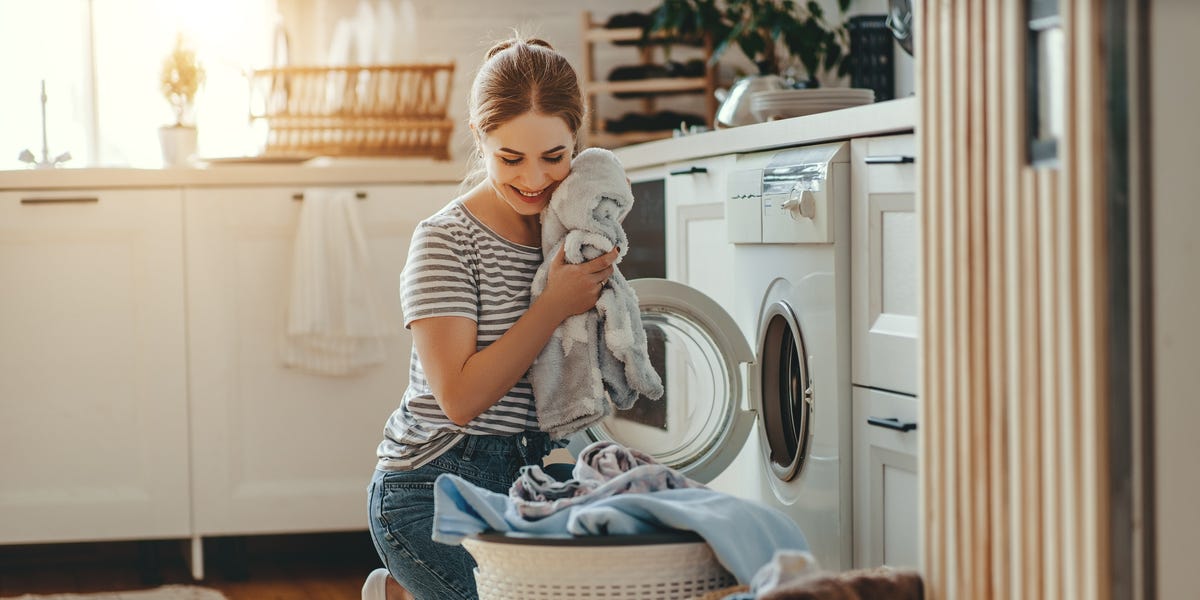
Few household betrayals feel as personal as pulling a “fresh” shirt from the laundry and discovering it has the texture of a tortilla chip. Clothes are supposed to come out clean, comfortable, and ready to wearnot stiff enough to stand in the corner and think about what they’ve done.
The good news? Learning how to soften clothes is not complicated. In many cases, scratchy laundry is not caused by the fabric itself. It is usually the result of detergent buildup, hard water minerals, overloaded washers, too much heat, or fabric softener used in the wrong way. Yes, even the product called “fabric softener” can sometimes make towels less fluffy over time. Laundry has jokes.
This guide walks through seven practical, realistic, and fabric-friendly ways to soften clothes at home. You will learn when to use less detergent, when dryer balls help, how baking soda and vinegar fit into the picture, and why your dryer may be secretly turning your favorite T-shirts into crunchy souvenirs.
Why Clothes Feel Stiff After Washing
Before fixing stiff laundry, it helps to understand the usual suspects. Clothing fibers can feel rough when residue sits on them. That residue may come from too much detergent, fabric softener buildup, minerals in hard water, body oils that were not fully washed away, or dryer heat that removes too much moisture.
Another common cause is crowding. When a washer is packed too tightly, water and detergent cannot move through the load properly. Clothes rub, twist, and rinse poorly. The result is laundry that is technically washed but not truly refreshed. Think of it as a crowded elevator ride for your jeans.
The best approach is not one magic ingredient. It is a smarter laundry routine: measure carefully, rinse thoroughly, dry gently, and choose softening methods based on fabric type.
7 Ways to Soften Clothes Naturally and Effectively
1. Use Less Detergent Than You Think You Need
If your clothes feel stiff, your first move should be surprisingly boring: use less detergent. Many people pour detergent like they are trying to win a game show. But modern detergents are concentrated, and using too much can leave behind a film that makes fabrics feel rough, heavy, or waxy.
This is especially true for towels, cotton T-shirts, sheets, baby clothes, and athletic wear. When detergent residue stays trapped in fibers, the fabric loses its natural softness. Towels may also become less absorbent, which is rude behavior from an object whose main job is absorbing water.
Start by reading the detergent label. Use the recommended amount for your load size and soil level. For small or lightly soiled loads, use less. If you have a high-efficiency washer, make sure you are using HE detergent and the correct dosage. More suds do not mean more clean; they often mean more rinsing problems.
For clothes that already feel stiff, run a rinse-only cycle or wash them again without detergent. This helps remove leftover product from the fibers. Once the buildup is gone, your laundry may feel softer without adding anything fancy.
2. Add Baking Soda to the Wash
Baking soda is the quiet overachiever of the laundry room. It can help freshen clothes, reduce odors, and soften wash water. Softer water allows detergent to work more efficiently, which can reduce residue and leave fabrics feeling cleaner and smoother.
For a regular load, add about half a cup of baking soda directly into the washer drum before starting the cycle. Do not pour it into the detergent dispenser unless your machine manual says it is safe. Baking soda works especially well for towels, gym clothes, cotton basics, pajamas, and bedding that needs a comfort upgrade.
One important note: baking soda is not a replacement for detergent when clothes are dirty. It is a laundry booster, not a full cleaning crew. Use it with detergent when the load needs washing, or use it alone for a light refresh when items are already mostly clean.
Baking soda is also helpful when clothes smell musty. Odors can make fabrics feel less fresh even when they are technically clean. A cleaner-smelling hoodie automatically feels softer psychologically. Science? Maybe. Laundry happiness? Definitely.
3. Use White Vinegar Occasionally in the Rinse Cycle
Distilled white vinegar is often recommended as a natural fabric softener because it can help dissolve detergent residue and mineral buildup. When residue is rinsed away, fabrics may feel softer and fresher. Vinegar can be especially useful for towels that have become stiff or clothing that smells slightly sour after washing.
Use vinegar carefully and occasionally. Add about half a cup of distilled white vinegar during the rinse cycle, not at the same time as detergent. If your washer has a fabric softener dispenser, some people use that compartment, but it is smart to check your machine’s manual first. Repeated heavy use of acidic liquids may not be ideal for every washing machine over time.
Never mix vinegar with chlorine bleach. That combination can create dangerous fumes. Also avoid using vinegar constantly on delicate fabrics or elastic-heavy garments. It is best treated as an occasional reset, not a daily laundry beverage.
For stiff towels, try this simple refresh: wash towels once with hot water and vinegar but no detergent, then run a second cycle with baking soda but no detergent. This can help remove old buildup and revive the fluffy texture. Your towels may not become five-star hotel towels overnight, but they should stop feeling like exfoliating equipment.
4. Try Wool Dryer Balls
Wool dryer balls are one of the easiest ways to soften clothes without liquid softener or dryer sheets. They bounce around in the dryer, separate fabrics, improve airflow, reduce clumping, and help laundry dry more evenly. Better airflow can mean less drying time and fewer stiff, overcooked clothes.
Use three dryer balls for a small or medium load. For bulky items like blankets, comforters, or large towel loads, use five or six. The goal is to give fabrics space to tumble. If your laundry is packed so tightly that the dryer balls are trapped in one sad corner, the load is too large.
Dryer balls are especially useful for towels, sheets, cotton clothing, sweatshirts, and baby laundry. They are reusable, usually fragrance-free, and do not coat fabrics. That makes them a strong option for people who want softer clothes but dislike heavy scents or residue.
If static is a problem, avoid over-drying and remove clothes when they are just dry. You can also add a slightly damp washcloth for the last few minutes of drying to increase humidity inside the dryer. Static thrives in dryness, much like crackers and bad small talk.
5. Do Not Overload the Washer or Dryer
Overloading is one of the fastest ways to ruin softness. Clothes need room to move. In the washer, that movement helps detergent reach the fabric and rinse away dirt, oils, and residue. In the dryer, movement allows warm air to circulate around each item.
When the washer is overstuffed, fabrics may come out with detergent still clinging to them. When the dryer is packed too tightly, clothes dry unevenly. Some pieces become overdried and stiff while others stay damp. Nobody wins, except maybe the lint trap.
A good rule of thumb is to fill the washer loosely, not tightly. You should be able to place your hand into the drum without wrestling a sleeve. For dryers, leave enough room for items to tumble freely. Bulky items such as towels, blankets, jeans, and hoodies often need smaller loads.
Separating heavy fabrics from lightweight fabrics also helps. Towels and jeans take longer to dry than thin shirts. If they share the same load, the lighter items may overdry while the heavy items are still damp. Drying similar fabrics together keeps texture more consistent and protects clothes from unnecessary heat exposure.
6. Avoid Over-Drying Clothes
Heat is useful, but too much heat can make fabrics feel rough. Over-drying removes moisture from fibers, increases static, sets wrinkles, and can make cottons and blends feel stiff. It may also shorten the life of elastic, prints, and delicate fabrics.
Use the lowest heat setting that works for the fabric. For many everyday clothes, medium or low heat is enough. For delicates, activewear, and items with stretch, air dry or use a no-heat setting when possible. If your dryer has a moisture sensor, use it instead of automatically choosing the longest timed cycle.
Remove clothes when they are dry or very slightly damp, then hang or fold them promptly. This small habit can make clothes feel smoother and reduce wrinkles. It also prevents the “forgotten laundry fossil” effect, where clothes sit in the dryer until they develop permanent creases and emotional damage.
For air-dried clothes that feel stiff, shake each item before hanging it and again after it dries. You can also tumble air-dried clothes on no heat with dryer balls for a few minutes to loosen the fibers.
7. Use Fabric Softener Strategically, Not Automatically
Fabric softener can make certain clothes feel smoother because it coats fibers with lubricating ingredients. It may reduce static, add fragrance, and give laundry that cozy “fresh from the dryer” feel. Used correctly, it can be helpful for some loads.
The key phrase is “used correctly.” Fabric softener is not ideal for everything. Avoid using it on towels, microfiber cloths, moisture-wicking activewear, flame-resistant sleepwear, and water-repellent fabrics. The coating can reduce absorbency, block performance fibers, or interfere with special finishes.
If you use liquid fabric softener, measure it according to the label and add it only to the fabric softener dispenser or rinse cycle. Do not pour it directly onto clothes because it can stain. Also avoid using it every single wash if your clothes are prone to buildup.
Dryer sheets work differently, but they also leave a light coating. They can reduce static and make clothes feel softer, but they may not be the best choice for towels or performance fabrics. For a lower-residue routine, rotate between dryer balls, careful detergent use, and occasional fabric softener for loads that truly benefit from it.
Fabric-by-Fabric Softening Tips
Towels
Use less detergent, skip regular fabric softener, avoid overloading, and dry with wool dryer balls. If towels are stiff, try a residue-removal wash with vinegar followed by baking soda.
Cotton T-Shirts
Wash in cool or warm water, avoid too much detergent, and dry on low or medium heat. Remove them promptly to prevent rough wrinkles.
Jeans
Wash jeans inside out, use a moderate amount of detergent, and avoid high heat. Air drying protects color, but a short no-heat tumble can reduce stiffness.
Activewear
Skip fabric softener. It can coat moisture-wicking fibers and trap odors. Use a sports detergent or a proper rinse routine, then air dry or tumble on low.
Sheets
Do not overload the washer. Sheets need space to rinse and move. Use dryer balls and avoid overdrying for a smoother, softer feel.
Common Mistakes That Make Clothes Less Soft
The biggest mistake is assuming more product means better results. More detergent, more scent beads, more softener, and more dryer sheets can create more buildup. Soft laundry depends on clean fibers, not coated fibers.
Another mistake is ignoring water hardness. Hard water contains minerals that can cling to fabrics and reduce detergent performance. If your clothes often feel stiff, look dingy, or smell less than fresh, hard water may be part of the problem. A laundry rinse product, water softening booster, or properly measured detergent can help.
Finally, do not forget your machines. A dirty washer can transfer residue and odor to clothes. Clean the washer regularly according to the manufacturer’s instructions. Clean the dryer lint screen after every load so air can move efficiently. Better airflow means better drying and softer results.
My Real-Life Experience: What Actually Made Clothes Softer
The first time I tried to fix stiff laundry, I did what many people do: I added more fabric softener. This was a bold strategy, and by “bold,” I mean completely wrong. My towels came out smelling like a spring meadow had opened a perfume counter, but they still felt oddly waxy. Worse, they seemed to absorb water less effectively. A towel that refuses to absorb water is basically just a dramatic scarf.
The real improvement started when I reduced detergent. I had been filling the cap almost to the top because the bottle looked official and I trusted it with my life. Once I started measuring for the actual load size, my T-shirts felt lighter. They rinsed cleaner, dried faster, and no longer had that faint stiffness around the seams. It was not glamorous, but it worked.
Next came the towel experiment. I washed a load of older towels with hot water and vinegar, using no detergent. Then I ran another wash with baking soda, again without detergent. I did not expect much. These towels had been through years of showers, beach trips, gym bags, and one unfortunate guest bathroom era involving decorative folding. But after the reset, they felt noticeably fluffier. Not luxury-spa fluffy, but definitely “welcome back to society” fluffy.
Dryer balls also made a difference, especially with sheets. Before using them, fitted sheets loved to roll themselves into damp burritos, trapping smaller items inside like laundry hostages. With wool dryer balls, the sheets separated better and dried more evenly. I also started shaking clothes before putting them in the dryer. It sounds too simple to matter, but it helps loosen twisted sleeves, pant legs, and towel corners.
The biggest lesson was about heat. I used to dry nearly everything on high because I believed laundry should be handled with the urgency of a restaurant kitchen. High heat made clothes dry quickly, but it also made some fabrics feel rough. Switching to medium or low heat, then removing clothes as soon as they were dry, improved softness more than expected. It also reduced wrinkles, which made folding feel less like negotiating with fabric origami.
Now my soft-clothes routine is simple. I use the right amount of detergent, add baking soda when clothes need freshness, use vinegar only occasionally, avoid overstuffing the machines, dry with wool dryer balls, and skip fabric softener on towels and activewear. The laundry room has not become magical. Socks still disappear, and fitted sheets remain emotionally complicated. But clothes come out softer, towels work better, and my favorite hoodie no longer feels like it was dried in the desert for legal reasons.
Conclusion
Softening clothes is less about adding one miracle product and more about building better laundry habits. Use less detergent, rinse away residue, try baking soda, use vinegar occasionally, give clothes room to move, dry with wool dryer balls, and avoid over-drying. Fabric softener can help in the right situation, but it should not be your automatic answer for every load.
When clothes feel soft, they are usually cleaner, better rinsed, and dried with more care. Start with the simplest fix: measure detergent properly and stop overloading your machines. From there, experiment with dryer balls, baking soda, and lower heat. Your clothes will feel better, your towels will behave more like towels, and your laundry day may become slightly less annoyingwhich, in household terms, is a major victory.