Every parent eventually faces the same tiny, suspicious food critic: a child staring at a plate of perfectly normal vegetables as if broccoli has personally betrayed the family. One day your kid loves strawberries, the next day strawberries are “too strawberry.” That is usually when the thought sneaks in: Should I give my child a multivitamin?
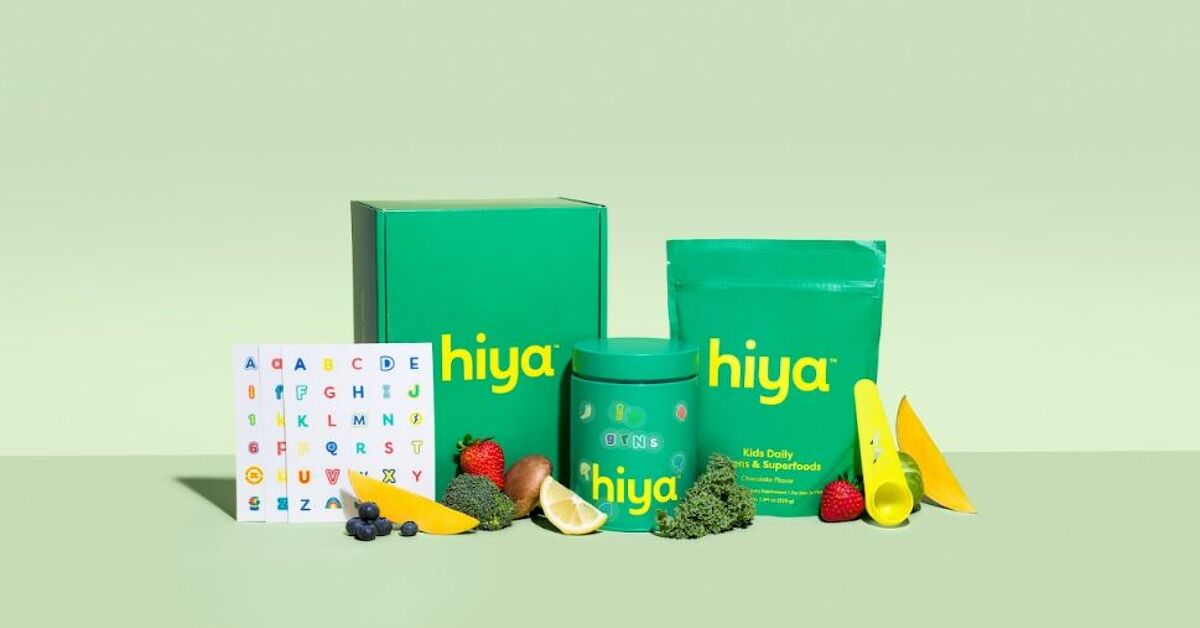
Hiya has become one of the most talked-about kids’ vitamin brands because it feels designed for modern parents: no added sugar, no gummy-candy vibe, a reusable glass bottle, colorful stickers, and a chewable tablet that looks more like a wellness upgrade than a medicine cabinet afterthought. But the real question is not whether Hiya is trendy. The real question is whether your child actually needs a vitamin, what a kids’ multivitamin can and cannot do, and whether Hiya is worth considering.
This mom-style review looks at Hiya through a practical lens: ingredients, taste, safety, value, picky eaters, nutrition gaps, and the “will my child actually take it without a dramatic Broadway performance?” factor.
What Is Hiya Kids Daily Multivitamin?
Hiya Kids Daily Multivitamin is a chewable supplement formulated for children ages 2 to 12. It is positioned as a cleaner alternative to traditional gummy vitamins, especially the sugar-coated kind that children treat like forbidden candy treasure. Hiya’s Daily Essential includes nutrients such as vitamins A, C, D, E, several B vitamins, folate, biotin, calcium, iodine, zinc, selenium, manganese, and vitamin K.
The brand also highlights a fruit and vegetable blend that includes ingredients such as organic apple, beet, broccoli, carrot, cabbage, kale, parsley, spinach, blueberry, raspberry, strawberry, and tomato. That does not mean one little tablet equals a saladnice try, tiny nutrition loopholebut it does make the formula feel more food-conscious than many old-school children’s vitamins.
Hiya is sweetened with monk fruit and contains no added sugar or artificial dyes. It comes in kid-friendly flavors such as cherry, strawberry, tropical, and green apple. The first order typically includes a refillable glass bottle that children can decorate with stickers, while monthly refill pouches arrive through a subscription model.
Do Kids Actually Need a Multivitamin?
Here is the less glamorous truth: many healthy children do not need a daily multivitamin if they are growing normally and eating a reasonably varied diet. Pediatric guidance generally favors food first because real food offers more than isolated vitamins. A bowl of yogurt, a scrambled egg, a sweet potato, or a bean-and-cheese taco brings protein, fat, fiber, minerals, and dozens of plant compounds that no chewable tablet can fully copy.
Still, “food first” does not always mean “food perfect.” Children go through picky phases. Some avoid entire food groups. Some follow vegetarian, vegan, dairy-free, gluten-free, or allergy-restricted diets. Some have medical conditions or medications that affect absorption. Some are simply surviving on toast, air, and the emotional support of noodles. In those cases, a multivitamin may help fill modest nutrient gaps.
Common Nutrients Parents Worry About
The nutrients most often discussed for children include vitamin D, calcium, iron, vitamin B12, iodine, zinc, and sometimes omega-3 fats. Vitamin D is especially important for bone health and calcium absorption. Iron supports brain development, red blood cell production, and growth. Calcium helps build strong bones and teeth. Vitamin B12 matters for children who eat little or no animal-based food.
A multivitamin can be useful, but it should not become a nutritional apology note for a poor diet. If a child rarely eats fruits, vegetables, protein foods, or calcium-rich foods, the long-term goal is still to build better eating habitsslowly, calmly, and without turning dinner into a courtroom drama.
What Makes Hiya Different From Gummy Vitamins?
The biggest difference is sugar. Many gummy vitamins are sweet, sticky, and candy-like. That can make them easy to give, but it also creates a few problems. Kids may want more than the recommended amount, they may think vitamins are candy, and sticky gummies can cling to teeth. Hiya avoids the gummy format and uses a chewable tablet instead.
Hiya also avoids artificial dyes and added sugar, two features many parents actively look for when shopping for kids’ supplements. The brand’s refill pouch system is another point of difference. Rather than buying a new plastic bottle every month, families reuse the original glass bottle. The sticker-decorating experience is a small touch, but for kids, small touches are sometimes the difference between “No” and “Fine, but only the green one.”
Hiya’s Main Pros
- No added sugar
- No artificial dyes
- Chewable format instead of sticky gummies
- Designed for ages 2 to 12
- Includes several key vitamins and minerals
- Refillable glass bottle and monthly refill pouches
- Parent-friendly subscription model
Hiya’s Possible Cons
- Subscription pricing may cost more than drugstore vitamins
- Not every child loves chewable tablets
- It may not include enough of a specific nutrient your child personally needs
- Some children may need targeted supplements instead of a general multivitamin
- Parents still need to check allergens and ingredient details
A Closer Look at Hiya’s Ingredients
Hiya includes a broad mix of vitamins and minerals commonly found in children’s multivitamins. Vitamin D supports bone health, immune function, and calcium absorption. Vitamin C supports normal immune function and helps the body absorb non-heme iron from plant foods. B vitamins help the body use energy from food. Zinc supports growth and immune function. Iodine supports thyroid hormone production, which plays a role in growth and metabolism.
The formula also includes calcium, although parents should understand that most multivitamins do not provide a full day’s calcium requirement. Calcium is bulky, which makes it hard to pack large amounts into one small chewable. If your child avoids milk, yogurt, fortified plant milks, tofu, sardines, or leafy greens, ask a pediatrician whether calcium intake needs closer attention.
Iron is another nutrient to evaluate carefully. Some children need iron; others do not. Too much iron can be dangerous, especially for younger kids. If your child is a toddler, menstruating teen, very picky eater, vegetarian, or has a history of low iron, ask your pediatrician whether iron should be tested or supplemented separately.
Is Hiya Good for Picky Eaters?
Hiya may be helpful for picky eaters, but it should not become the family’s white flag. A multivitamin can offer reassurance while parents continue exposing kids to new foods. That exposure matters. A child may need to see, smell, touch, reject, and eventually nibble a food many times before accepting it. Yes, this is exhausting. Parenting is basically a long-term research project with snacks.
For a picky eater who eats a narrow diet, Hiya may help cover some basic nutritional bases. For example, a child who refuses most vegetables may benefit from a multivitamin containing vitamins A, C, and K-related nutrients. A child who spends most daylight hours indoors may need vitamin D support. A child who eats little seafood, meat, dairy, or fortified foods may need a more personalized plan.
The important part is matching the supplement to the child. A multivitamin is not automatically better because the label has more nutrients. The best choice is age-appropriate, safe, not overloaded, easy to take, and aligned with what your child actually lacks.
Safety: What Parents Should Know Before Buying Any Kids’ Vitamin
Children’s supplements should be treated like supplements, not snacks. Even when a vitamin tastes good, it should be stored out of reach. Fat-soluble vitamins such as A, D, E, and K can build up in the body if taken in excessive amounts. Minerals such as iron can also be risky in high doses.
Parents should avoid giving multiple supplements that overlap unless a pediatrician recommends it. For example, a child taking a multivitamin, a separate vitamin D drop, an immune gummy, and a fortified drink may be getting more of some nutrients than expected. The label may look innocent; the math may not.
It is also wise to bring the bottle or label to your child’s next checkup. Pediatricians are used to supplement questions, and a quick review can help identify whether the product fits your child’s age, diet, medical history, and medications.
How Does Hiya Taste?
Taste is the royal gatekeeper of children’s nutrition. A vitamin can be beautifully formulated, pediatrician-reviewed, packaged in a bottle blessed by unicornsand still fail if your child says it tastes “weird.” Hiya’s flavors are designed to be kid-friendly without added sugar, which is a tricky balance.
Some children like the chewable texture and fruity flavors. Others may need a few tries. Parents can make the routine easier by giving it at the same time every day, such as after breakfast. Avoid presenting it as a bribe or dessert. Instead, make it boringly normal: brush teeth, put on shoes, take vitamin, find backpack, locate missing sock from another dimension.
Is Hiya Worth the Price?
Hiya usually costs more than basic supermarket or pharmacy children’s vitamins. What you are paying for is not just the tablet. You are paying for the no-added-sugar positioning, dye-free formula, reusable bottle, refill system, branding, testing claims, and subscription convenience.
For some families, that is worth it. If a child likes Hiya, takes it consistently, and the parent values avoiding added sugar and artificial colors, the price may feel reasonable. For other families, a lower-cost children’s multivitamin recommended by a pediatrician may work just as well.
The value question should be practical: Does your child need a multivitamin? Does Hiya match the nutrients your child needs? Will your child take it? Can your budget handle the subscription? If yes, Hiya may be a strong option. If no, skip the guilt. Good parenting is not measured by the fanciness of the vitamin bottle.
Who Might Benefit Most From Hiya?
Hiya may be most useful for children who have mild nutritional gaps, picky eating patterns, limited food variety, or parents who want a lower-sugar alternative to gummy vitamins. It may also appeal to families who prefer a subscription model and want fewer artificial colors or unnecessary fillers.
Children on vegetarian or vegan diets may need extra attention to vitamin B12, iron, zinc, iodine, calcium, and vitamin D. However, they may need targeted supplementation rather than a general multivitamin alone. Children with diagnosed deficiencies, growth concerns, digestive disorders, food allergies, or chronic conditions should follow medical guidance rather than relying on a general supplement review.
Who May Not Need Hiya?
A child who eats a varied diet, grows normally, drinks or eats calcium-rich foods, gets adequate vitamin D through fortified foods or supplementation, and has no medical concerns may not need Hiya or any daily multivitamin. In that situation, parents may be better off spending money on groceries, family meals, outdoor play, and sleep routines.
Also, children who dislike chewable tablets may not be the best match. The “best” vitamin is not the one with the prettiest website. It is the one that fits the child’s nutritional needs and can be taken safely and consistently.
What Should Your Kid Really Need in a Vitamin?
A good children’s vitamin should be age-appropriate, clearly labeled, not overloaded with megadoses, and free from ingredients your child cannot tolerate. It should avoid excessive sugar and artificial colors when possible. It should come from a company that takes quality testing seriously. It should also be easy enough for your child to take without turning every morning into a negotiation summit.
Most importantly, the vitamin should solve a real problem. Is your child low in vitamin D? Does your pediatrician worry about iron? Is your child avoiding entire food groups? Is the diet limited because of allergies, sensory issues, or a special diet? The answer guides the supplement choice.
Mom-Style Final Verdict on Hiya
Hiya is a thoughtful, parent-friendly kids’ multivitamin with several appealing qualities. The no-added-sugar formula is a major plus. The dye-free approach is reassuring for parents who want fewer unnecessary additives. The refillable bottle is charming and practical. The subscription model can be convenient, especially for families who forget to reorder until the bottle is emptier than the promises made during back-to-school season.
But Hiya is not magic. It will not turn a picky eater into a kale enthusiast overnight. It will not replace balanced meals. It will not solve every nutrient issue. And it may not be necessary for every child.
The best use of Hiya is as a backup, not a foundation. Think of it as nutritional insurance for ordinary kid chaos: the week of beige foods, the vegetable boycott, the lunchbox that returns untouched except for the crackers. Used wisely, it can be a helpful tool. Used as a replacement for food variety, it misses the point.
Extra Experience Section: A Realistic Mom’s Day-to-Day Review of Hiya
From a mom’s point of view, the first thing that stands out about Hiya is not the nutrient list. It is the packaging. The refillable glass bottle and stickers are surprisingly clever because children love ownership. When a child decorates the bottle, the vitamin becomes “mine,” not just another thing a parent is pushing. That small emotional shift can make the routine smoother.
In a typical morning routine, Hiya fits best after breakfast. Giving it before food may not work for every child, especially if they are sensitive to flavors or textures. After breakfast, the child is already in “morning checklist” mode. Vitamin, water, shoes, backpack, goodbye hug, and then a dramatic return because someone forgot a library book.
The chewable format is both a strength and a test. Kids who already like chewable tablets may accept it quickly. Kids who expect every vitamin to be a gummy may need time. The first reaction might be curiosity, followed by a face that looks like they are reviewing a five-star restaurant with very strict standards. That does not always mean failure. Sometimes children need repetition before deciding something is acceptable.
One practical trick is to avoid overselling it. The more a parent says, “You’ll love this! It tastes amazing! It’s like candy!” the more suspicious a child becomes. Children can smell marketing from across the kitchen. A calmer approach works better: “Here’s your vitamin. Pick your flavor.” Choice gives control without turning the vitamin into a debate.
Another helpful habit is tracking the overall diet, not obsessing over one bad meal. If lunch comes home untouched, that does not mean the day is ruined. Look at the whole week. Did the child eat eggs once? Yogurt twice? A banana? Some chicken? A bean burrito? A smoothie with spinach hidden like a tiny green secret? Nutrition is a pattern, not a single plate.
Hiya may bring peace of mind during picky phases. That peace of mind has value. Parents are constantly balancing growth charts, school snacks, sports practices, sleep, screen time, and the mystery of why children reject sandwiches cut into squares but accept triangles. A vitamin can reduce some worry while parents keep offering real foods.
However, the best experience comes when Hiya is paired with gentle food exposure. Serve the vitamin, yes, but keep putting carrots on the plate. Keep offering salmon, beans, eggs, yogurt, oranges, oatmeal, avocado, and whatever vegetable your child rejected last Tuesday with the passion of a tiny food critic. No pressure, no lectures, no “just three bites” battle every night. Just steady exposure.
The subscription can also be a relief or a nuisance depending on your personality. Parents who love automation may appreciate refills arriving without another errand. Parents who dislike subscriptions should pay attention to billing, refill timing, and cancellation policies before ordering. Convenience is wonderful until the cabinet contains three extra pouches and a child who suddenly announces they only like the red flavor.
Overall, the day-to-day experience of Hiya feels strongest for families who want a cleaner, lower-sugar, non-gummy vitamin and who understand what a multivitamin is supposed to do. It is not a shortcut around family meals. It is not a cure for picky eating. It is a small, useful support in the larger project of raising a healthy eaterone breakfast, one snack, and one suspicious broccoli floret at a time.
Conclusion
Hiya is a strong option for parents looking for a kids’ multivitamin without added sugar, artificial dyes, or a sticky gummy format. Its chewable tablet, refillable bottle, and child-friendly routine make it appealing, especially for picky eaters and busy families. Still, the most important question is not “Is Hiya popular?” but “Does my child need a supplement?”
For many healthy kids, a varied diet remains enough. For children with limited diets, food restrictions, low vitamin D intake, or other nutrition concerns, a multivitamin may help fill gaps. The smartest approach is simple: food first, supplement thoughtfully, follow the label, store vitamins safely, and ask your pediatrician when in doubt.
Note: This article is for general educational purposes only and should not replace medical advice from your child’s pediatrician, especially if your child has allergies, takes medication, has a diagnosed deficiency, follows a restricted diet, or has growth or health concerns.