Ingrown hairs are tiny drama queens. One minute you shave, wax, tweeze, or trim like a responsible adult with a calendar and a mirror. The next minute, your skin is hosting a red bump with the personality of a parking ticket. And when that bump finally calms down, it may leave behind a dark mark, raised scar, or uneven texture that seems to whisper, “Remember me?” every time you look at it.
The good news: most ingrown hair scars and marks can improve with the right routine, patience, and a little less skin bullying. The not-so-magical news: scars do not fade overnight, no matter how many miracle serums promise to “erase everything by Thursday.” Treating ingrown hair scars is about reducing inflammation, protecting healing skin, fading discoloration, preventing new bumps, and knowing when a dermatologist should step in.
This guide explains how to treat ingrown hair scars, how to prevent new ones, which ingredients may help, what to avoid, and how to build a realistic routine for smoother, calmer skin.
What Are Ingrown Hair Scars?
An ingrown hair happens when a hair grows back into the skin instead of rising cleanly through the follicle. It often appears after shaving, waxing, or tweezing, especially in areas where hair is curly, coarse, or frequently removed. Common spots include the beard area, neck, bikini line, underarms, legs, chest, and anywhere else hair has decided to be complicated.
What many people call an “ingrown hair scar” is actually one of several different skin changes:
1. Post-inflammatory hyperpigmentation
This is the dark brown, gray-brown, purple, or reddish mark left after inflammation. It is not technically a scar because the skin texture may remain smooth, but it can look stubborn. These marks are especially common in medium to deep skin tones because inflammation can trigger extra melanin production.
2. Post-inflammatory redness
Some people develop pink or red marks after an ingrown hair heals. This is often related to lingering blood vessel changes and irritation. It may fade gradually, but sun exposure and repeated inflammation can make it hang around longer than an awkward group chat.
3. Textural scars
If the ingrown hair became very inflamed, infected, picked, squeezed, or repeatedly irritated, the skin may heal with uneven texture. This can include shallow pits, thickened patches, or rough spots.
4. Raised scars and keloids
Some people are prone to raised scars, including hypertrophic scars and keloids. These can develop after skin injury, including inflamed bumps, cuts, or repeated shaving irritation. Keloids may grow beyond the original injury area and are more common in certain families and skin types.
Why Ingrown Hairs Leave Scars and Dark Marks
Ingrown hair scars usually start with inflammation. When a trapped hair irritates the follicle, the body sends immune cells to calm things down. That response can create redness, swelling, tenderness, and sometimes pus-filled bumps that resemble acne or folliculitis.
The more intense or repeated the inflammation, the higher the chance of a leftover mark. Picking, squeezing, digging with tweezers, shaving over the same bump, wearing tight clothing, and skipping sunscreen can all make the aftermath worse. Basically, every time the skin is forced to fight another round, it may leave a receipt.
Hair removal habits matter too. Shaving too closely, shaving against the direction of hair growth, using a dull razor, dry shaving, or stretching the skin tight while shaving can create sharp hair tips that more easily re-enter the skin. Waxing and tweezing can also trigger ingrown hairs because the new hair must regrow through the follicle opening.
How to Treat Ingrown Hair Scars at Home
The right treatment depends on whether you are dealing with dark spots, redness, rough texture, or raised scars. Start gently. Angry skin rarely rewards aggressive behavior.
Step 1: Stop the cycle of irritation
Before treating the mark, calm the area. If you still have active ingrown hairs, pause shaving, waxing, or tweezing until the bumps settle. Apply a warm compress for 10 to 15 minutes to soften the skin and help a trapped hair release naturally. Avoid digging into the skin with needles or tweezers. That move might feel productive for three seconds, then turn into a dark spot with a long-term lease.
If the bump is painful, spreading, very swollen, filled with pus, warm to the touch, or accompanied by fever, it may be infected and should be checked by a healthcare professional.
Step 2: Use sunscreen every day
Sunscreen is not glamorous, but it is one of the most important treatments for dark marks. UV exposure can darken post-inflammatory hyperpigmentation and slow fading. Use a broad-spectrum sunscreen daily on exposed areas, and reapply as directed, especially if sweating or swimming.
For discoloration, many dermatologists recommend SPF 30 or higher. Tinted sunscreen can be especially helpful for people prone to hyperpigmentation because iron oxides may help protect against visible light, which can worsen some types of discoloration.
Step 3: Add gentle chemical exfoliation
Chemical exfoliants can help remove dead skin cells, smooth roughness, and reduce clogged follicles. Good options include glycolic acid, lactic acid, mandelic acid, and salicylic acid. Salicylic acid is oil-soluble, so it can be useful for bumps and clogged pores, while alpha hydroxy acids can help improve uneven tone and texture.
Start two or three nights per week, not seven. Your skin is not a kitchen counter; it does not need daily scrubbing. Over-exfoliation can cause burning, peeling, more inflammation, and yes, more dark marks. If your skin stings badly or looks shiny, raw, or irritated, slow down.
Step 4: Try brightening ingredients for dark marks
Several ingredients may help fade discoloration over time. Look for products with niacinamide, azelaic acid, vitamin C, licorice extract, kojic acid, tranexamic acid, or retinoids. Hydroquinone may also be used for hyperpigmentation, but it is best used with guidance from a dermatologist, especially for long-term treatment or sensitive skin.
Azelaic acid is a useful choice because it can help with both bumps and discoloration. Niacinamide is generally gentle and supports the skin barrier. Retinoids can encourage cell turnover and help prevent clogged follicles, but they can irritate beginners, so introduce them slowly and avoid using them on freshly shaved or broken skin.
Step 5: Support the skin barrier
A simple moisturizer can do more than people think. When your skin barrier is dry, cracked, or irritated, inflammation becomes easier to trigger. Choose a fragrance-free moisturizer with ingredients such as glycerin, ceramides, petrolatum, dimethicone, or hyaluronic acid.
Moisturizing is especially important after shaving or exfoliating. Think of it as apologizing to your skin after asking it to tolerate sharp metal and chemistry in the same week.
Step 6: Use silicone gel or sheets for raised scars
If you have a raised scar from repeated ingrown hairs, silicone gel or silicone sheets may help flatten and soften the area over time. These products are commonly used for scar management, but they require consistency. Results may take weeks to months.
Raised, itchy, painful, or growing scars should be evaluated by a dermatologist. Options such as corticosteroid injections, laser therapy, cryotherapy, or other medical treatments may be recommended depending on the scar type.
Professional Treatments for Stubborn Ingrown Hair Scars
If at-home treatment is not working after several months, professional care can make a meaningful difference. A dermatologist can identify whether the issue is pigmentation, redness, texture, keloid scarring, or active folliculitis. That diagnosis matters because the wrong treatment can irritate skin and make discoloration worse.
Chemical peels
Superficial chemical peels may improve dark marks and mild texture by encouraging controlled exfoliation. They must be chosen carefully for your skin tone and sensitivity level. Strong peels done incorrectly can cause burns, irritation, and more pigmentation.
Microneedling
Microneedling creates controlled micro-injuries to stimulate collagen remodeling. It may help with certain textural scars and is often considered suitable for many skin tones when performed properly. It should not be done over active infection, inflamed bumps, or open wounds.
Laser and light treatments
Lasers may help with redness, discoloration, hair reduction, and some scars. Laser hair removal can also reduce future ingrown hairs by decreasing hair growth in the treated area. However, laser settings must be matched to skin tone and hair type to reduce the risk of burns or pigmentation changes.
Prescription creams
A dermatologist may prescribe topical retinoids, azelaic acid, hydroquinone combinations, antibiotic treatments, or anti-inflammatory medication depending on what is happening. If bumps are recurring, the goal is not only to fade old marks but also to stop new ones from forming.
How to Prevent Ingrown Hair Scars
Prevention is the real hero of this story. Once you stop new ingrown hairs from forming, your skin finally gets time to repair instead of constantly filing new complaints.
Use the right shaving technique
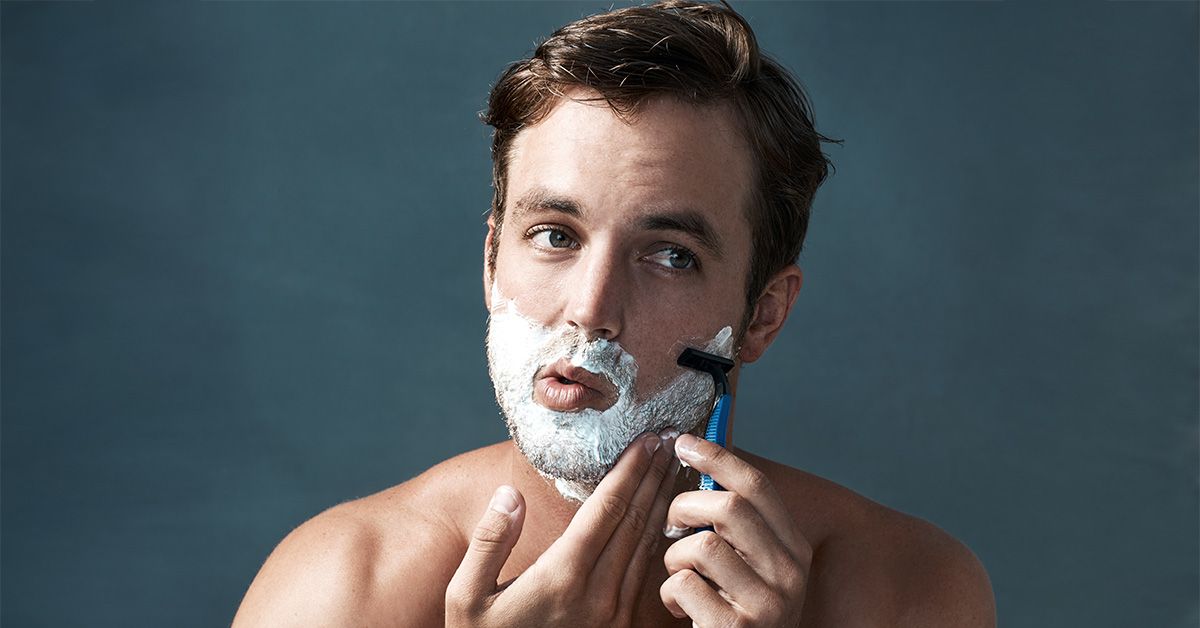
Shave after a warm shower or after holding a warm, damp cloth on the area. Apply shaving cream or gel and let it sit briefly to soften the hair. Use a sharp blade, and consider a single-blade razor or electric trimmer if you are prone to bumps. Shave in the direction of hair growth using light pressure and short strokes. Rinse the blade after each pass.
Avoid stretching the skin tight while shaving. That can cut the hair below the surface, making it easier for the tip to grow inward. Also avoid going over the same area repeatedly. Your skin is not a lawn that needs five passes for neighborhood approval.
Replace dull blades
Dull blades tug at hair and irritate skin. Replace disposable blades regularly and store razors in a dry place. A rusty razor belongs in the trash, not near your face, legs, neck, or bikini line.
Exfoliate between hair removal sessions
Gentle exfoliation can help keep dead skin from trapping new hair growth. Use a mild chemical exfoliant or soft washcloth, depending on your skin tolerance. Avoid harsh scrubs with jagged particles, especially on sensitive areas.
Avoid tight clothing after shaving or waxing
Friction can worsen ingrown hairs, especially around the thighs, bikini line, underarms, and neck. After hair removal, wear breathable, loose clothing when possible. Tight waistbands and rough collars can rub healing follicles and make bumps more likely.
Consider changing your hair removal method
If shaving always causes bumps, try trimming instead of shaving close. Electric clippers leave hair slightly longer, which can reduce the chance of the tip curling into the skin. Depilatory creams may work for some people, but they can irritate sensitive skin, so patch test first and follow directions exactly.
Laser hair removal may be a longer-term option for people with frequent ingrown hairs. It is not instant and usually requires multiple sessions, but reducing hair growth can reduce the number of trapped hairs.
Ingredients to Use Carefully
Some skin-care ingredients can help, but more is not always better. Retinoids, glycolic acid, salicylic acid, benzoyl peroxide, and vitamin C can irritate if layered too aggressively. If you are building a routine, add one active ingredient at a time and wait a couple of weeks before adding another.
Do not apply strong acids, retinoids, alcohol-based aftershaves, or fragranced products to freshly shaved, broken, or inflamed skin. That burning feeling is not proof the product is working. Sometimes it is your skin sending a formal complaint.
What Not to Do
Do not pick, squeeze, or dig out ingrown hairs. This is the fastest way to turn a small bump into a scar. Do not shave over active bumps. Do not use dirty tweezers. Do not scrub dark marks aggressively. Do not use skin-lightening products with unknown ingredients or unverified claims. And do not expect one product to erase scars in a week.
Scars and discoloration improve slowly because skin remodeling takes time. Dark marks may fade over several months. Textural scars and raised scars may need professional treatment. Consistency wins; panic-shopping ten products at midnight usually does not.
When to See a Dermatologist
Make an appointment with a dermatologist if you have frequent ingrown hairs, painful cyst-like bumps, signs of infection, expanding redness, thick raised scars, keloids, or dark marks that are not improving after several months. You should also seek professional care if ingrown hairs are affecting your confidence or causing you to avoid normal activities.
A dermatologist can help create a plan that fits your skin tone, hair type, scar pattern, and hair removal habits. That may include prescription topicals, laser hair removal, scar injections, chemical peels, microneedling, or a safer shaving routine.
Sample Routine for Ingrown Hair Marks
Morning routine
Cleanse with a gentle, fragrance-free cleanser. Apply a brightening ingredient such as niacinamide, azelaic acid, or vitamin C. Follow with moisturizer if needed. Finish with broad-spectrum sunscreen on exposed areas.
Evening routine
Cleanse gently. Apply a chemical exfoliant two or three nights per week, or use a retinoid on alternate nights if your skin tolerates it. Do not start both at full speed. Moisturize well. On irritated nights, skip actives and use only cleanser and moisturizer.
Hair removal day
Warm the skin, use shaving gel, shave with the grain, apply light pressure, rinse often, and moisturize afterward. Skip exfoliating acids and retinoids immediately before and after shaving if your skin is sensitive.
Real-Life Experiences: Lessons From Dealing With Ingrown Hair Scars
Anyone who has dealt with ingrown hair scars knows the emotional side is real. A tiny bump can somehow become the main character of your week. You put on shorts and notice dark dots on your legs. You shave your neckline and see old marks lined up like a barcode. You plan a beach day and suddenly remember the bikini-line bumps that appeared after last month’s “quick wax, no big deal” decision. Skin has a way of turning small details into big feelings.
One common experience is trying to fix everything too quickly. Many people see a dark mark and immediately attack it with scrubs, acids, toners, razors, and whatever product has the most dramatic before-and-after photos online. The result is usually irritation, not perfection. The skin gets inflamed again, and the mark becomes darker or redder. The lesson: calm skin fades better than angry skin. A boring routine often works better than a bathroom shelf that looks like a chemistry lab with rent.
Another lesson is that shaving technique can change everything. People who switch from dry shaving to shaving after a warm shower often notice fewer bumps. Using shaving cream, replacing dull blades, and shaving with the grain can feel almost too simple, but these habits reduce friction and help prevent sharp hair tips from diving back into the skin. The first few shaves may not look as close, but fewer bumps usually means fewer scars later. Smooth skin is nice; smooth skin without an angry red rebellion is nicer.
Many people with coarse or curly hair discover that trimming is better than shaving completely smooth. An electric trimmer can leave a tiny bit of length, which lowers the chance of the hair curling into the follicle. This is especially helpful around the beard area, neck, chest, and bikini line. It may not create that ultra-polished finish, but it can prevent the cycle of bump, picking, dark mark, repeat.
There is also a patience lesson. Dark marks from ingrown hairs can take months to fade, even with good products. That timeline can feel rude, especially when the original bump only existed for a few days. But skin repair is slow because pigment has to break down, inflammation has to settle, and new skin cells have to move through their natural cycle. Sunscreen, gentle exfoliation, and brightening ingredients help, but they work like a savings account, not a slot machine.
For people prone to keloids or raised scars, the experience can be even more frustrating. A small ingrown hair may leave a firm bump that does not flatten on its own. In that case, early professional care matters. Silicone products may help some raised scars, but persistent or growing scars often need a dermatologist’s treatment plan. Waiting too long can make them harder to treat.
The biggest practical takeaway is this: prevention is not less important than treatment. It is the treatment. Every new ingrown hair can create a new mark, so controlling hair removal irritation gives old scars time to fade. That means using better shaving habits, avoiding picking, reducing friction, moisturizing consistently, and protecting the area from sun exposure.
Finally, it helps to be realistic and kind to yourself. Skin texture, pores, marks, and scars are normal. The goal is not to airbrush your body into a plastic spoon. The goal is healthier skin, fewer painful bumps, fewer long-lasting marks, and a routine you can actually maintain without needing a spreadsheet, a stopwatch, and emotional support from your moisturizer.
Conclusion
Ingrown hair scars can be annoying, stubborn, and weirdly personal, but they are treatable. The best strategy is a combination of prevention and repair: stop new ingrown hairs, calm inflammation, protect healing skin from the sun, use gentle brightening or exfoliating ingredients, and get professional help for raised scars, infections, or marks that refuse to improve.
Do not underestimate the basics. A sharp razor, shaving cream, shaving with the grain, moisturizer, sunscreen, and a no-picking policy can do more than a drawer full of trendy products. Treat your skin like it is healing, not like it owes you perfection by Friday.
Note: This article is for general educational purposes only and is not a substitute for medical diagnosis or treatment. If you have painful bumps, signs of infection, keloids, or persistent scarring, consult a board-certified dermatologist or qualified healthcare professional.