Note: This article is for educational, web-publishing purposes only. Progesterone is a prescription hormone medication, and instructionsmenopause treatment. Always follow the directions from your doctor, fertility clinic, pharmacist, or prescription label.
Introduction: Yes, You Can Do This Without Turning It Into a Medical Gymnastics Event
Learning how to insert progesterone suppositories without an applicator can feel awkward the first time. The packaging may look clinical, the instructions may sound robotic, and your bathroom suddenly feels like a tiny pharmacy exam room. The good news? For many people using vaginal progesterone suppositories or compounded progesterone capsules prescribed for vaginal use, manual insertion is simple once you understand the basic steps.
Progesterone suppositories are often prescribed during fertility treatment, luteal phase support, early pregnancy support, certain menstrual concerns, or hormone therapy. They are designed to deliver progesterone through the vaginal tissue, where the medication can be absorbed locally and systemically depending on the product. Some progesterone products come with applicators, some do not, and some should only be used with the applicator provided. That little detail matters.
This guide explains how to insert progesterone suppositories without an applicator safely, comfortably, and cleanly. It also covers timing, leakage, hygiene, common mistakes, when to call your healthcare provider, and real-life tips that make the process less mysterious. No drama. No panic. No need to light a candle and whisper motivational quotes to the medicinealthough if that helps you relax, emotionally speaking, carry on.
What Are Progesterone Suppositories?
Progesterone is a hormone involved in the menstrual cycle, ovulation, uterine lining support, and pregnancy. In fertility care, vaginal progesterone may be prescribed after ovulation, egg retrieval, embryo transfer, or other assisted reproductive treatments. In pregnancy care, it may be used in certain situations when a clinician believes progesterone support is appropriate. In other cases, progesterone may be prescribed for hormone-related bleeding patterns or menopause-related treatment plans.
Progesterone can come in several forms: oral capsules, vaginal inserts, vaginal gels, compounded vaginal suppositories, and injections. This article focuses on vaginal suppositories or capsules that your healthcare provider has specifically instructed you to place vaginally. Do not assume that every progesterone product can be used the same way. A gel in a prefilled applicator, for example, is not the same as a solid suppository. A tablet packaged with a specific disposable applicator may also have product-specific instructions.
Before You Insert Progesterone Without an Applicator
Confirm That Manual Insertion Is Appropriate
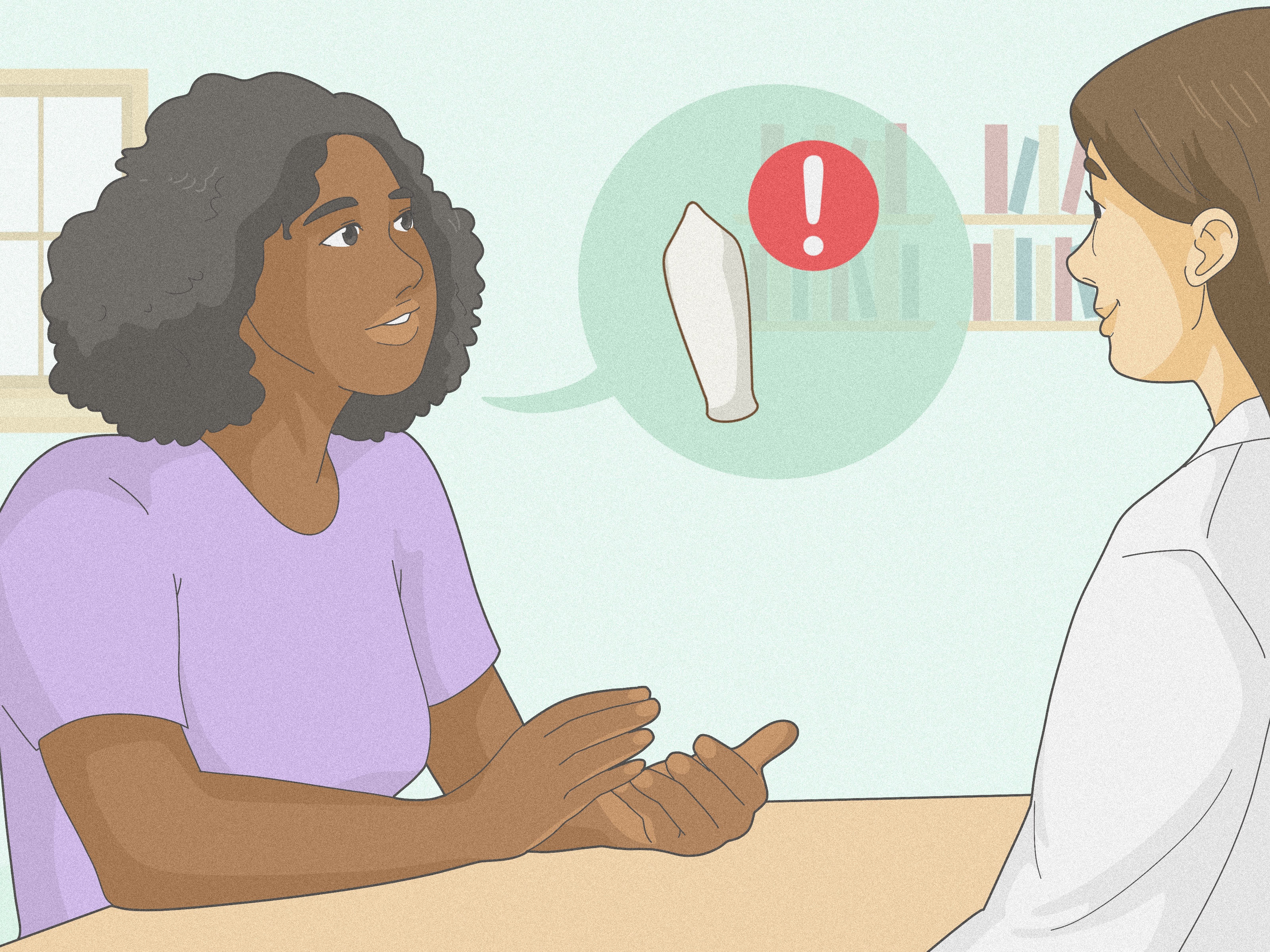
Before inserting progesterone without an applicator, check your prescription label and any instructions from your clinic or pharmacist. If your product came with an applicator and the label tells you to use it, ask your pharmacist or care team before switching to finger insertion. Some branded progesterone vaginal inserts are designed to be used with a supplied disposable applicator. Compounded suppositories, on the other hand, are often intended for manual insertion.
Also confirm the route. Progesterone capsules are sometimes prescribed orally and sometimes prescribed vaginally, depending on the treatment plan. Never change the route on your own. “It looks insertable” is not a medical instruction; it is how people end up making very uncomfortable phone calls to pharmacies.
Gather What You Need
You do not need a full medical kit. Most people only need the suppository, clean hands, and privacy. Helpful extras include a pantyliner, a small amount of water-based lubricant if your clinician allows it, and a tissue or clean towel. If the suppository has softened from warmth, place it in the refrigerator for a few minutes if the product instructions allow refrigeration. A firmer suppository is usually easier to insert.
Wash and Dry Your Hands
Clean hands are non-negotiable. Wash with soap and water, rinse well, and dry completely. Dry fingers help you hold the suppository more easily, especially if it is small, waxy, or slippery. If you have long or sharp nails, be careful. A nail edge can scratch delicate tissue. Some people prefer wearing a clean disposable glove or finger cot, but that is optional unless your clinician recommends it.
How to Insert Progesterone Suppositories Without an Applicator: Step-by-Step
Step 1: Choose a Comfortable Position
The easiest position is usually lying on your back with your knees bent and feet apart. You can also try standing with one foot raised on the edge of the toilet or tub, squatting slightly, or lying on your side with knees bent. There is no gold medal for choosing the most athletic position. Pick the one that lets your pelvic muscles relax.
Step 2: Unwrap the Suppository
Remove the suppository from its packaging only when you are ready to use it. Hold it gently between your fingers. If it feels too soft, do not fight with it like it owes you money. Pause, check the storage instructions, and cool it briefly if allowed. A soft suppository can melt quickly in your hand and become harder to place.
Step 3: Add Lubricant Only If Allowed
Some people find insertion easier with a tiny amount of water-based lubricant on the tip of the suppository or fingertip. Avoid oil-based products unless your healthcare provider specifically approves them, because they may affect the medication, condoms, or vaginal environment. Do not use scented lotions, petroleum jelly, essential oils, or random bathroom products. Your vagina does not need a spa menu.
Step 4: Place the Suppository on Your Fingertip
Hold the suppository at the opening of the vagina. Using your index finger, gently guide it inside. Aim toward the small of your back rather than straight upward. This angle usually follows the natural direction of the vaginal canal and may feel more comfortable.
Step 5: Insert It as Far as Comfortably Possible
Push the suppository in gently until it sits comfortably inside the vagina. You do not need to force it high or measure the exact depth. A comfortable fingertip depth is usually enough for many vaginal suppositories, but your product instructions may vary. The key words are gentle and comfortable. If you feel sharp pain, stop and contact your healthcare provider.
Step 6: Wash Your Hands Again
After insertion, wash your hands with soap and water. This removes medication residue and keeps the process clean. If you used a glove or finger cot, throw it away. Do not flush wrappers, gloves, or applicator pieces.
Step 7: Lie Down for a Few Minutes If You Can
Many people prefer inserting progesterone at bedtime because lying down afterward can reduce immediate leakage. If your schedule requires daytime doses, try resting for 10 to 15 minutes after insertion when possible. This is not always required, but it can make the experience less messy.
What Time of Day Should You Use Progesterone Suppositories?
Use progesterone exactly on the schedule your clinician gives you. Some people use it once daily, while others use it two or three times daily, especially during fertility treatment. Timing can matter in fertility protocols, so do not casually shift doses around without asking your care team.
If you use progesterone once daily, bedtime is often convenient because it gives the medication time to dissolve while you are lying down. If you use it multiple times per day, spacing doses evenly may help keep hormone levels steady. For example, a three-times-daily schedule may be morning, afternoon, and bedtime, depending on your clinic’s instructions.
Is Leakage Normal After Progesterone Suppositories?
Yes, some leakage is very common. Progesterone suppositories often contain a base that melts at body temperature. Your body absorbs the medication, but some residue may come back out as discharge. This can look white, creamy, chalky, waxy, or slightly oily depending on the product.
A pantyliner can save your underwear and your sanity. Avoid tampons unless your healthcare provider says otherwise, because tampons may absorb medication or irritate tissue. Also avoid douching, scented vaginal sprays, and unnecessary vaginal products. The goal is to let the medication work, not start a chemistry experiment.
Common Mistakes to Avoid
Using the Wrong Route
Never swallow a vaginal progesterone insert unless your prescription specifically says it is an oral capsule. Never insert an oral medication vaginally unless your clinician specifically tells you to do so. Progesterone products may look similar but behave differently.
Skipping Doses Without Asking
Progesterone is often prescribed as part of a carefully timed treatment plan. If you miss a dose, check your medication instructions or call your pharmacist or clinic. In many cases, people are told to take the missed dose when remembered unless it is almost time for the next dose. However, do not double up unless your provider tells you to.
Using Other Vaginal Products at the Same Time
Other vaginal creams, gels, lubricants, antifungal products, or medications may interfere with progesterone absorption or increase irritation. Ask before combining products. This is especially important during fertility treatment or pregnancy care.
Forcing the Suppository
Insertion should not feel like a battle. If the suppository will not go in comfortably, pause. Try a different position, relax your pelvic muscles, use a small amount of approved water-based lubricant, or ask your care team for advice. Pain, bleeding, or strong burning is not something to “power through.”
Possible Side Effects
Progesterone may cause vaginal discharge, irritation, mild cramping, bloating, breast tenderness, headache, tiredness, mood changes, or nausea. Some people feel sleepy or emotionally sensitive while using progesterone. Others mostly notice the discharge and the daily routine. Bodies are not copy-and-paste documents; responses vary.
Call your healthcare provider promptly if you experience unusual vaginal bleeding, severe pelvic pain, signs of infection, painful urination, a rash, severe mood changes, or symptoms that worry you. Seek urgent medical help for chest pain, trouble breathing, sudden severe headache, vision changes, one-sided leg swelling or pain, or signs of a serious allergic reaction.
Can You Have Sex While Using Progesterone Suppositories?
Ask your healthcare provider, especially if you are using progesterone during IVF, after embryo transfer, during early pregnancy, or because of cervical or bleeding concerns. Some clinics recommend avoiding intercourse during certain stages of fertility treatment or pregnancy monitoring. Progesterone residue can also be messy, and some products may affect condoms or vaginal comfort.
Storage Tips
Store progesterone exactly as directed on the label. Some suppositories must be refrigerated, while others should be kept at room temperature away from heat. Heat can soften or melt suppositories, making them harder to insert. Keep the medication away from children and pets, and do not use expired medication unless your pharmacist confirms it is safe.
Practical Comfort Tips
Use a Routine
Pair your dose with a daily habit, such as brushing your teeth at night or setting a phone reminder. If you are using progesterone during fertility treatment, routines can reduce the mental load. You already have enough calendar math happening.
Wear Breathable Underwear
Cotton underwear and loose clothing may reduce irritation, especially if you experience discharge. Tight synthetic clothing can trap moisture and make discomfort worse for some people.
Keep Supplies Together
Create a small “progesterone station” with your medication, pantyliners, tissues, and any approved lubricant. This makes each dose faster and less stressful. It also prevents the classic bedtime scavenger hunt where you find everything except the one thing you need.
Experience-Based Tips: What the Routine Feels Like in Real Life
The first few times you insert progesterone suppositories without an applicator may feel clumsy. That is normal. Many people worry they are not placing the suppository high enough, that too much is leaking out, or that the medication is somehow “not working” because residue appears later. In most cases, some discharge does not mean the dose failed. The suppository base melts, the medication is absorbed, and leftover material exits the body. It is inconvenient, not necessarily a problem.
One common experience is that nighttime insertion feels easier than daytime insertion. When you insert the suppository before bed, gravity is less annoying, leakage is usually less immediate, and you are not walking around five minutes later wondering whether your underwear has entered a medical negotiation. A pantyliner helps, but choose an unscented one if you are prone to irritation.
Another real-world tip is to slow down. People often tense up because they feel rushed, embarrassed, or worried about doing it wrong. Tension can make insertion more uncomfortable. Try taking a few slow breaths before starting. Relax your shoulders, unclench your jaw, and give your pelvic muscles a moment to soften. It sounds small, but it can make a big difference.
Temperature also matters. A suppository that is too warm may feel slippery and difficult to control. If your product can be refrigerated, keeping it cool may make insertion easier. If you are traveling, ask your pharmacist how to store it safely. Do not guess, especially with compounded medications, because storage needs can vary.
Some people prefer using a disposable glove because it feels cleaner. Others find bare, freshly washed hands easier because they have better control. Both approaches can work if hygiene is good. If you use gloves, choose clean disposable gloves and throw them away after use. If you do not use gloves, wash before and after. Either way, short smooth nails are your friend.
Leakage can be emotionally annoying during fertility treatment because every symptom starts to feel meaningful. Discharge, mild cramping, breast tenderness, or bloating can come from progesterone, early pregnancy, an upcoming period, or simply the treatment process itself. Try not to interpret every sensation as a sign. When in doubt, ask your clinic rather than letting internet forums turn your brain into a detective show.
If insertion becomes painful, if irritation builds over several days, or if you notice odor, heavy bleeding, severe itching, or strong burning, contact your healthcare provider. Sometimes the issue is technique. Sometimes it is sensitivity to the suppository base. Sometimes another vaginal condition is present. You do not have to silently tolerate discomfort just because the medication is important.
The biggest practical lesson is this: consistency matters more than perfection. Use the medication as prescribed, keep the process clean, protect your underwear, and ask questions when instructions are unclear. With practice, inserting progesterone without an applicator usually becomes a quick routine rather than a stressful production. It may never become your favorite part of the day, but it can become manageableand that counts.
Conclusion
Knowing how to insert progesterone suppositories without an applicator can make treatment feel less intimidating. The basic process is simple: confirm the instructions, wash your hands, choose a relaxed position, gently insert the suppository with your finger, wash again, and use a pantyliner for normal leakage. The most important rule is to follow your specific prescription. Progesterone products are not all the same, and fertility or pregnancy-related protocols can be highly individualized.
If your product came with an applicator, if the suppository causes pain, if you miss a dose, or if you are unsure whether your medication should be used vaginally, contact your pharmacist or healthcare provider. A quick question is better than guessing. Your body deserves accuracy, comfort, and a little patiencepreferably with fewer bathroom acrobatics.