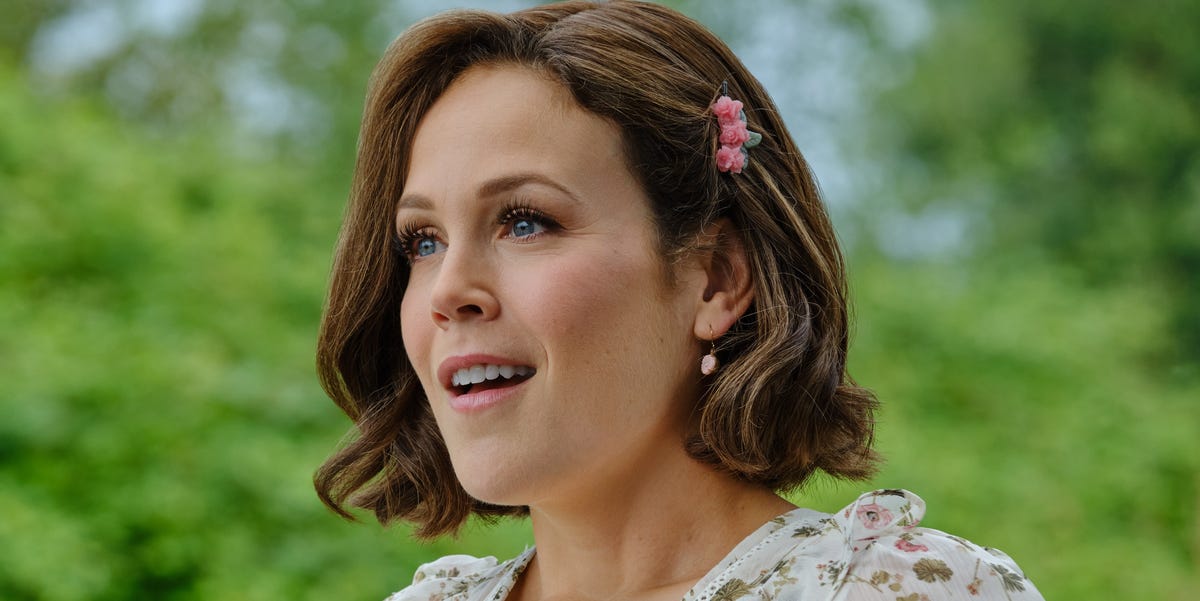
Note: This web-ready article is written in original language and synthesizes verified public information about Hallmark’s When Calls the Heart, Season 12 storylines, fan reactions, cast updates, and broader Hearties culture.
Hope Valley has never been the kind of place where people simply “watch an episode” and move on with their lives. No, When Calls the Heart is the sort of show that inspires tea mugs, group chats, Sunday-night countdowns, and passionate online essays about whether a single glance between Elizabeth Thornton and Nathan Grant counts as romantic progress. Spoiler: in the Hearties universe, it absolutely does.
That is why the excitement around When Calls the Heart Season 12 felt bigger than a normal premiere cycle. Before the season even fully unfolded, fans were already predicting it could be “the best season” yet. And honestly, they had reasons. Season 12 arrived with a milestone number, a fresh romantic chapter, returning favorites, new emotional challenges, and enough Hope Valley drama to keep the town gossip mill spinning faster than Rosemary Coulter on breaking-news duty.
The Hallmark drama has built its success on a deceptively simple formula: kindness, community, romance, faith, and characters who grow slowly enough to make fans yell at the television, but sweetly enough to keep them coming back. Season 12 leaned into all of that, while also giving the series a slightly more energized rhythm. It was familiar, but not sleepy; sentimental, but not stale; wholesome, but not allergic to tension.
Why Hearties Believed Season 12 Could Be the Best Yet
The strongest reason fans had high expectations was the emotional reset after Season 11. Elizabeth and Nathan had finally stepped into a more open romantic place, giving viewers the slow-burn payoff they had been tracking for years. In a show where meaningful eye contact can generate enough fandom electricity to power the saloon, that mattered.
Season 12 was not just about whether Elizabeth and Nathan would flirt politely beside a horse. It was about whether their relationship could move from possibility into partnership. Fans wanted to see tenderness, awkwardness, family blending, honest conversations, and maybe a few moments where Nathan looked at Elizabeth like he had forgotten how breathing works. The season gave that romance more room to breathe, and that alone made many Hearties declare the new chapter a major upgrade.
There was also the milestone factor. A twelfth season is rare for any television drama, especially one built around patient storytelling rather than explosions, dragons, or billion-dollar CGI. By the time a show reaches Season 12, the biggest challenge is not simply continuing. It is continuing with purpose. Fans sensed that When Calls the Heart still had emotional fuel in the tank, and Season 12 promised to prove it.
Season 12 Brought Romance Back to the Center
For many viewers, Elizabeth and Nathan were the beating heart of Season 12. Their relationship had the benefit of history, friendship, hesitation, and the kind of unresolved tension that makes fans rewatch a scene seven times “for research.” After Elizabeth’s earlier love story with Jack and the complicated Lucas chapter, Nathan represented both emotional risk and emotional safety.
That combination made Season 12 feel richer. Elizabeth was not simply choosing romance; she was choosing a future that involved her son, her school, her memories, her grief, and her courage to begin again. Nathan, meanwhile, had to balance his role as a Mountie, father figure to Allie, and romantic partner to a woman whose past is never treated as something to erase.
The beauty of the Elizabeth-Nathan storyline is that it did not need melodrama to feel meaningful. A supportive conversation, a look across a crowded room, or a moment involving Little Jack could carry real weight. Season 12 understood that Hearties do not need every romantic scene to arrive with fireworks. Sometimes a soft smile in Hope Valley does the job just fine.
Little Jack’s Story Added Emotional Depth
One of the season’s most important emotional threads involved Little Jack. His health storyline gave Elizabeth and Nathan’s relationship a deeper test than simple courtship. It also reminded viewers that When Calls the Heart works best when personal stakes are tied to the entire community.
Hope Valley is not just a postcard town with charming hats. It is a place where people show up for each other. When a child faces a frightening diagnosis, the emotional ripple touches parents, friends, teachers, doctors, and neighbors. That is classic WCTH: one family’s crisis becomes a community’s mission.
This storyline also gave Erin Krakow strong material as Elizabeth. Her character has always carried strength with grace, but Season 12 allowed her to show worry, vulnerability, and fierce maternal love. Fans who wanted a season with real emotional substance found it here. The show did not abandon comfort; it simply added more weight beneath the comfort.
Hope Valley Felt Busy in the Best Way
A great season of When Calls the Heart cannot survive on one romance alone. Season 12 worked because Hope Valley felt alive. Rosemary launched herself into new projects, including radio and investigative adventures. Bill returned to mystery-solving mode. Lucas navigated political pressure and new personal possibilities. Allie faced growing pains. Students prepared for graduation. The town had movement.
The best Hope Valley episodes often feel like opening several windows in the same house. In one room, Elizabeth is teaching. In another, Rosemary is chasing a lead. Across the street, Lucas is trying to govern without losing his soul. Nearby, Bill is pretending he is not enjoying the drama while absolutely enjoying the drama. Season 12 gave fans that multi-room feeling again.
Rosemary and Bill’s mystery energy was especially welcome. Their team-ups bring a lively contrast to the softer romance arcs. Rosemary treats every clue like she is five seconds away from winning a Pulitzer Prize, while Bill carries the expression of a man who knows he has already lost control of the situation. Together, they added humor, pacing, and old-school charm.
Lucas Found a More Interesting Path
After the Elizabeth-Lucas romance ended, the obvious danger was that Lucas Bouchard might drift into the background. Instead, Season 12 gave him political challenges, emotional recalibration, and a possible spark with Edie. That mattered because Lucas remains one of the show’s most layered characters: polished, ambitious, romantic, sometimes wounded, and always trying to do the honorable thing even when life refuses to hand him a clean script.
Fans who worried about Lucas being sidelined had reasons to stay invested. His work as governor created new tension between Hope Valley and the wider world. It also allowed the show to explore leadership, compromise, and the cost of public service. Hope Valley may look cozy, but Season 12 reminded viewers that even cozy towns have politics, money problems, reputations, and people who make complicated choices.
The Lucas and Edie dynamic also brought freshness. It did not need to replace old relationships overnight. It simply gave Lucas a new direction, and for many fans, that was enough to make the season feel less like a reset and more like a true continuation.
Melissa Gilbert’s Arrival Gave Season 12 Extra Spark
Season 12 also benefited from a guest appearance that felt tailor-made for Hallmark viewers: Melissa Gilbert. Her role as Georgie McGill connected beautifully with the show’s frontier spirit, especially given her deep association with classic family television. Her storyline with Bill Avery added a romantic thread for older characters, something television still does not do often enough.
That mattered because When Calls the Heart has always been multigenerational. It is not only about young love or first love. It is about second chances, mature affection, chosen family, and the idea that a person’s story does not expire after a certain birthday. Bill and Georgie’s history gave the season another emotional flavor, and it helped broaden the romantic landscape beyond Elizabeth and Nathan.
For longtime viewers, that kind of casting also felt like a bridge between television eras. The show has always carried a gentle classic-TV spirit, and Gilbert’s presence amplified that feeling without turning the season into nostalgia soup. Just a little nostalgia seasoning. Very tasteful. Rosemary would approve, then investigate the recipe.
Fan Reactions Proved the Hearties Were Fully Invested
The Hearties are not casual viewers. They are a fandom with calendars, opinions, receipts, and emotional stamina. When Season 12 promos, behind-the-scenes posts, and episode previews appeared online, fans responded with exactly the kind of enthusiasm Hallmark hopes for: excitement, speculation, and a lot of “please renew this immediately” energy.
Much of the excitement centered on the feeling that Season 12 was giving the show forward momentum again. Fans were not only waiting to see whether a couple would get together. They were watching characters evolve into new roles: Elizabeth as a mother navigating fear, Nathan as a partner and protector, Lucas as a leader, Rosemary as a broadcaster and investigator, and the younger generation as students beginning to step toward adulthood.
That is why the “best season” prediction made sense. It was not just hype. It was a response to ingredients fans had been asking for: romance with payoff, emotional stakes, community storytelling, meaningful guest stars, and a sense that Hope Valley still had surprises tucked behind its very tidy curtains.
What Made Season 12 Feel Different From Earlier Seasons?
Earlier seasons of When Calls the Heart often revolved around building foundations: Elizabeth adapting to frontier life, the town recovering from tragedy, Jack and Elizabeth’s love story, and the community learning to trust itself. Later seasons had the difficult task of rebuilding after major cast and story changes. Season 12 felt different because it carried both history and renewal.
The season did not pretend the past never happened. Instead, it used the past as emotional context. Elizabeth’s journey only works because viewers remember what she has survived. Nathan’s patience only matters because the audience has watched years of restraint. Lucas’s next chapter only has weight because his heartbreak was real. Rosemary and Lee remain fan favorites because their marriage has texture, comedy, and occasional chaos in period clothing.
That balance between memory and motion is hard to achieve. Too much nostalgia, and a show gets stuck. Too much change, and longtime fans feel abandoned. Season 12 walked the middle path. It gave viewers the comfort of Hope Valley while opening enough new doors to make the town feel worth revisiting.
Season 12 and the Future of Hope Valley
By the finale, it was clear that Season 12 had done more than entertain fans for another cycle. It set up the future. Little Jack’s health journey, Elizabeth and Nathan’s family dynamic, Lucas’s evolving role, Bill and Georgie’s romantic possibilities, and the younger characters’ graduation all created pathways for more story.
That is one reason fans pushed so hard for another season. A weaker season might close loops neatly and leave viewers content. Season 12 did something smarter: it gave fans satisfaction while also making them curious. Hope Valley felt like a place in transition, and transition is where good drama lives.
The show’s continued popularity also proves there is still a strong audience for gentle, character-driven television. Not every series needs cynicism, shock value, or a finale that requires a detective board and three podcasts to understand. Sometimes viewers want sincerity. Sometimes they want a town meeting, a schoolhouse lesson, a heartfelt apology, and a romance that takes the scenic route.
500-Word Experience Section: Why Watching Season 12 Feels Like Returning Home
One of the most enjoyable experiences connected to When Calls the Heart Season 12 is how communal the show feels. Watching it is not like consuming a random streaming episode at 1:13 a.m. while half-asleep and eating cereal from a mug. It feels more intentional. Fans gather around each episode as if Hope Valley is hosting a weekly town event and everyone has been politely requested to bring opinions.
For longtime viewers, Season 12 carried the comfort of routine. The opening scenes, the familiar streets, the schoolhouse, the saloon, the Mountie presence, Rosemary’s unstoppable curiosityall of it created the sense of stepping back into a place you know. That feeling is powerful because television often moves too quickly now. Shows vanish after one season. Characters are introduced and canceled before viewers learn their middle names. Hope Valley, by contrast, rewards patience.
There is also a personal kind of pleasure in watching characters grow slowly. Elizabeth’s journey from young teacher to widow, mother, community leader, and woman ready to love again has unfolded over years. That gives Season 12 emotional texture. When she worries about Little Jack, viewers do not see a random plot device. They see a mother whose entire history has prepared her for courage. When Nathan stands beside her, it feels earned because fans have watched him wait, care, and mature.
Another experience fans often talk about is the joy of low-stress drama. That does not mean nothing serious happens. Season 12 had health fears, relationship tension, mysteries, political conflict, and big life transitions. But the show frames conflict through hope rather than despair. Viewers can feel concern without feeling emotionally ambushed. In a media landscape full of dark twists, that is not a weakness. It is a brand identity.
Season 12 also made watching with others fun. The Elizabeth-Nathan moments invited squeals. Rosemary’s schemes invited laughter. Lucas’s storyline invited debate. Little Jack’s diagnosis invited empathy. The finale invited the classic Hearties reaction: happiness, worry, and immediate demands for the next season. In other words, the season did what a great community drama should do. It gave fans something to feel and something to discuss.
Perhaps the best experience of Season 12 was its sense of emotional generosity. The show made room for young love, mature love, parental love, friendship, ambition, fear, healing, and humor. It did not rush every answer. It trusted viewers to care about small moments. A dance, a radio broadcast, a classroom lesson, a medical concern, a goodbye, a kissthese became the building blocks of a season fans could proudly call one of the best.
That is the secret of When Calls the Heart. It is not trying to be the loudest show on television. It is trying to be the one that makes viewers feel like goodness is still dramatic, community is still compelling, and love stories can still bloom without needing to shout. Season 12 reminded fans why they fell for Hope Valley in the first placeand why they keep packing an imaginary suitcase every time Hallmark says it is time to return.
Conclusion: Were the Fans Right?
So, were When Calls the Heart fans right to predict Season 12 as “the best season”? For many Hearties, yes. The season delivered the ingredients that have always made the series special while adding enough new emotional stakes to keep the story fresh. Elizabeth and Nathan finally had room to grow. Little Jack’s storyline gave the season heart and urgency. Rosemary, Bill, Lucas, Edie, and the younger characters kept Hope Valley lively. Melissa Gilbert’s guest arc added nostalgic sparkle and romantic possibility.
Most importantly, Season 12 proved that When Calls the Heart still knows what its audience loves: sincerity, community, romance, and hope. After more than a decade, that is no small achievement. Hope Valley may be fictional, but the loyalty it inspires is very real. And if fans continue to treat every new season like a beloved town festival, Hallmark has every reason to keep the lights glowing in the valley for years to come.