Note: This article is based on real public information from NBC’s official Season 26 announcement and reputable U.S. entertainment coverage. It is written in original wording for web publication.
The Knockout Rounds on The Voice Season 26 were already shaping up to be dramatic, but NBC added a twist that made fans sit up straighter than a contestant hearing four chairs turn at once. Instead of one Mega Mentor, Season 26 brought in two: Sting and Jennifer Hudson. Yes, that Sting. Yes, that Jennifer Hudson. Somewhere backstage, a vocal warm-up suddenly became a Grammy-adjacent life event.
For longtime viewers, the announcement was more than a flashy celebrity booking. It was a major shift in how The Voice prepared artists for one of the most stressful stages of the competition. The Knockouts are not casual karaoke with nicer lighting. They are the point where singers must prove they are not just good voices, but believable artists with identity, confidence, and emotional control. Bringing in Sting and Hudson gave Season 26 a rare combination: rock legend wisdom and powerhouse vocalist experience.
The result was a mentoring lineup that felt surprisingly balanced. Sting joined Team Snoop Dogg and Team Gwen Stefani, while Jennifer Hudson worked with Team Michael Bublé and Team Reba McEntire. That pairing alone sounds like someone spilled the entire music industry into one NBC studio and decided, “Actually, this works.”
Who Mentored The Voice Season 26 Knockout Rounds?
The Season 26 Knockout Rounds featured Sting and Jennifer Hudson as Mega Mentors. NBC confirmed that the two music icons would help the remaining artists prepare for the high-pressure performances beginning November 11, 2024.
Sting, known worldwide as the frontman of The Police and as a celebrated solo artist, mentored the contestants from Snoop Dogg’s and Gwen Stefani’s teams. Jennifer Hudson, an EGOT winner and former The Voice coach, guided singers from Michael Bublé’s and Reba McEntire’s teams.
That split made sense. Sting brought decades of experience in phrasing, restraint, musical mood, and stage presence. Hudson brought emotional firepower, vocal discipline, and firsthand knowledge of singing competitions. Between them, the contestants were getting advice from two people who understand that a great performance is not just about hitting notes. It is about making people feel something before they remember to blink.
Why Sting Was a Surprising Choice for The Voice Season 26
Sting’s arrival as a Mega Mentor was the kind of announcement that made fans do a double take. He is not the most obvious reality competition mentor, and that is exactly why his casting worked. He has a career built on musical sophistication, genre blending, and an instantly recognizable voice. From The Police classics to his solo catalog, Sting has long been known for making complicated music feel effortless.
For The Voice Knockout Rounds, that type of experience is priceless. Contestants often enter the Knockouts trying to prove they can sing big. Sting’s value was in reminding artists that bigger is not always better. Sometimes a quieter choice, a cleaner phrase, or a well-timed pause can make a performance more powerful than a vocal run fired into the ceiling like a musical confetti cannon.
His pairing with Snoop Dogg and Gwen Stefani also gave the season a fun creative contrast. Snoop brought calm charisma, musical instinct, and a surprisingly warm coaching style. Gwen brought pop-rock performance experience and a sharp eye for identity and presentation. Sting fit neatly between those worlds, offering wisdom about interpretation, storytelling, and owning the stage without needing to chase every dramatic moment.
Jennifer Hudson’s Return Made the Knockouts Feel Personal
Jennifer Hudson’s role as a Mega Mentor carried a different kind of excitement because she has history with The Voice. She previously served as a coach on the U.S. version of the show, and her return felt like a homecoming. Hudson understands the rhythm of the series, the pressure on contestants, and the emotional whiplash of being judged while trying not to look like your knees are negotiating with gravity.
Her own career also gives her a unique perspective. Hudson became famous after competing on American Idol, then built a career that expanded far beyond any single television moment. She became a Grammy, Emmy, Oscar, and Tony winner, proving that competition shows can be a launchpad, not a final destination.
That matters for young artists standing in the Knockout spotlight. Hudson can speak to the fear of rejection, the discipline of vocal preparation, and the importance of turning a short performance into a full artistic statement. With Team Bublé and Team Reba, she had the perfect singers to advise: artists rooted in musicality, emotion, and classic performance values.
How the Season 26 Knockout Rounds Worked
The Knockout Rounds are one of the most intense stages of The Voice. In Season 26, coaches grouped three artists together. Each contestant performed a solo song, and the coach selected one winner to advance. The pressure was immediate because the artists were not just competing against the song; they were competing against two other singers standing close enough to hear every breath.
Each coach also had opportunities to keep talent alive through saves and steals, which added another layer of suspense. In other words, a singer could lose a Knockout but still survive if another coach saw potential. It is the musical equivalent of dropping your phone and catching it before it hits the floor: stressful, dramatic, and weirdly satisfying when it works out.
This format made the Mega Mentors especially important. By the time artists reached the Knockouts, they had already passed the Blind Auditions and Battles. The easy compliments were gone. What they needed was specific, high-level guidance: where to breathe, how to shape a lyric, when to hold back, and how to make a cover song feel like their own.
Why Two Mega Mentors Changed the Energy of Season 26
Season 26 stood out because it used two Mega Mentors rather than relying on a single guest advisor for all teams. This gave the mentoring process more variety and allowed each artist to receive advice through a more tailored musical lens.
Sting and Hudson are very different artists, which made the format stronger. Sting’s strength is often subtlety: tone, mood, arrangement, and precision. Hudson’s strength is emotional command: vocal power, conviction, and connecting with an audience from the first note. Together, they covered a wide range of performance needs.
For viewers, the two-mentor structure also added freshness. The Voice has been on the air for many seasons, so any change that feels organic is welcome. Fans know the chairs, the steals, the saves, and the coaches’ playful banter. But Sting and Jennifer Hudson walking into the Knockout rehearsal rooms? That gave the season a little extra sparkle without turning the show into a gimmick.
What Sting Could Teach Contestants
Sting’s biggest gift as a mentor was likely his ability to help singers think like artists, not just contestants. On The Voice, contestants often have only a short window to make an impression. That can lead some performers to over-sing, over-act, or stuff every trick they have into ninety seconds. Sting’s career argues for the opposite approach: choose your moments carefully and let the song breathe.
Song Interpretation
A Knockout performance lives or dies by interpretation. Contestants are usually singing songs audiences already know, so the challenge is not simply to perform the melody correctly. The challenge is to reveal something fresh. Sting’s background in rock, jazz, reggae, and pop gives him a deep understanding of how arrangement and phrasing can reshape a familiar song.
Stage Confidence
Sting also understands the quiet side of stage power. Not every great performance needs dramatic hand gestures or a final note that rattles the rafters. Sometimes the strongest presence comes from stillness, focus, and musical intention. For nervous contestants, that lesson can be career-changing.
What Jennifer Hudson Could Teach Contestants
Jennifer Hudson’s mentoring strength comes from her rare combination of technical vocal ability and emotional honesty. She knows how to deliver a performance that feels polished without becoming cold. That is exactly what contestants need in the Knockouts, where every vocal choice is judged closely.
Vocal Control Under Pressure
Hudson is known for huge vocal moments, but great singers know that power means nothing without control. A contestant who can belt loudly may impress for five seconds. A contestant who can build a performance with dynamics, restraint, and emotion can win the room.
Turning Nerves Into Emotion
Hudson also understands what it feels like to compete on national television. That experience is not theoretical. She has lived the anxiety, the judging, the public reaction, and the challenge of turning a television appearance into a long-term career. Her advice likely helped contestants see pressure not as an enemy, but as fuel.
How the Mega Mentors Fit With the Season 26 Coaches
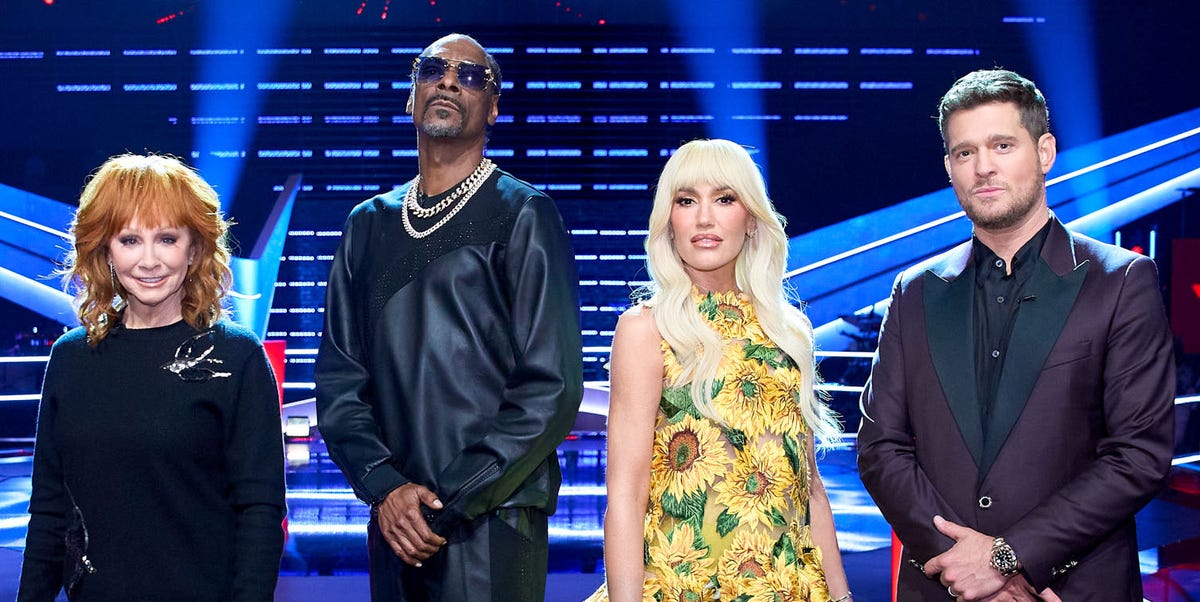
The Season 26 coaching panel was already one of the most interesting in recent memory. Reba McEntire brought country royalty and warm authority. Gwen Stefani brought pop, rock, fashion, and a deep understanding of artistic identity. Snoop Dogg brought cool wisdom, musical history, and a relaxed coaching energy that surprised many viewers. Michael Bublé brought classic vocals, charm, and detailed musicianship.
Adding Sting and Jennifer Hudson did not overshadow the coaches. Instead, it expanded the conversation. A contestant on Team Gwen could hear from both Gwen and Sting about how to make a performance stylish but authentic. A Team Reba singer could receive emotional and technical feedback from both Reba and Hudson. Team Snoop artists got the benefit of Snoop’s instinct and Sting’s precision. Team Bublé singers received two different forms of vocal intelligence: Bublé’s smooth phrasing and Hudson’s powerhouse clarity.
That is the secret sauce of a good Mega Mentor. The guest should not replace the coach. The guest should add a new angle, like seasoning a dish that was already good but suddenly tastes like someone’s grandmother is watching proudly from the kitchen.
Why Fans Were Shocked by the Announcement
The shock came from the combination. Sting alone would have been a big deal. Jennifer Hudson alone would have been exciting. Together, they made the Season 26 Knockouts feel unusually important. Fans expected strong mentors, but two major names from different musical universes raised the stakes.
There was also the surprise of Sting joining a show that thrives on mainstream television energy. He is a music legend with a serious artistic reputation, so seeing him step into the The Voice rehearsal process gave viewers something unexpected. Hudson’s return added another emotional layer because fans already know her connection to the franchise and her competition-show background.
In a season featuring Snoop Dogg and Michael Bublé as newer coaches alongside Reba and Gwen, the mentor choices reinforced the idea that Season 26 was designed to feel fresh. It was not just business as usual with better lighting. It was a season with bold casting, broad musical range, and a clear attempt to make each stage feel event-worthy.
What This Meant for the Contestants
For the Season 26 artists, receiving guidance from Sting or Jennifer Hudson was more than a cool behind-the-scenes moment. It was practical training. A contestant might enter rehearsal thinking about pitch and lyrics, then leave thinking about identity, emotional pacing, and how to survive a pressure-filled performance without sounding like panic wearing a microphone.
These are the details that separate memorable contestants from merely talented ones. Plenty of singers can hit impressive notes. Fewer can tell a story, command attention, and make viewers remember their name after the episode ends. Sting and Hudson both understand that difference.
The Knockouts are also where contestants begin to look less like hopefuls and more like potential recording artists. Song choice becomes more revealing. Stage presence matters more. Emotional connection becomes essential. A great mentor can help a singer stop asking, “How do I win this round?” and start asking, “Who am I as an artist?” That is a much better question, even if it comes with more sweating.
Why The Voice Keeps Using Mega Mentors
The Mega Mentor role works because it gives contestants access to outside expertise at the exact moment they need it. Coaches know their teams well, but a guest mentor can notice something new. Sometimes a fresh set of ears hears a problem that everyone else has politely stepped around for two weeks.
For viewers, Mega Mentors also make the middle rounds feel bigger. The Blind Auditions have chair turns. The Battles have direct duets. The live shows have audience voting. The Knockouts need their own identity, and celebrity mentors help provide it.
Season 26 understood that dynamic clearly. By bringing in Sting and Jennifer Hudson, the show made the Knockouts feel less like a bridge between rounds and more like a destination. Fans had a reason to tune in beyond the competition results. They wanted to see how these two legends would advise emerging artists and how the coaches would respond to their input.
Experience: Watching The Voice Knockouts as a Fan
Watching the Knockout Rounds as a fan is a strange emotional workout. One minute you are calmly sitting on the couch with snacks. The next minute you are acting like an unpaid vocal coach, whispering, “Breathe, breathe, breathe,” at someone who cannot hear you because they performed months ago. That is the magic of The Voice. It convinces viewers that they are part of the process, even when their main qualification is owning a remote control.
The Season 26 mentor announcement made that experience even more exciting. When Sting and Jennifer Hudson entered the picture, the Knockouts suddenly felt heavier in the best way. Their presence suggested that contestants were not just preparing for another round. They were stepping into a masterclass. Fans could watch a singer take advice, adjust a phrase, soften a note, or change their emotional approach, then see whether that advice landed during the performance.
That is one of the most enjoyable parts of this stage. The viewer gets to compare rehearsal to the final performance. Did the artist listen? Did the mentor’s suggestion help? Did nerves erase everything the contestant practiced? Sometimes the growth is obvious. A singer walks into rehearsal sounding talented but uncertain, then steps onstage with a clearer identity. Other times, the pressure wins, and you can almost feel the entire living room collectively holding its breath.
Sting’s mentoring style likely appealed to fans who enjoy subtle artistry. He represents the idea that a performance does not need to be loud to be unforgettable. Viewers who love arrangement, phrasing, and musical taste could appreciate how his advice might help contestants avoid over-singing. In a competition show, restraint can be risky, but when done well, it can feel incredibly confident.
Jennifer Hudson’s presence offered a different thrill. Fans know she can sing the roof off any building and probably send the roof a thank-you note afterward. But her real value as a mentor is not just power. It is the ability to connect technical singing with emotion. Watching her guide a contestant through a big vocal moment feels satisfying because she understands both the beauty and the danger of going big. A huge note can win the room, but only if the story underneath it is strong enough to carry the weight.
For many viewers, the best Knockout performances are not always the flashiest. They are the ones where a contestant seems to become more fully themselves. Maybe a country singer finds a softer emotional center. Maybe a pop vocalist stops copying the original artist and discovers a new tone. Maybe a soul singer learns that one quiet line can hit harder than three dramatic runs. Those moments are why fans keep watching season after season.
The Season 26 Knockouts also reminded viewers that mentoring is not about handing contestants a magic key. Sting and Hudson could offer guidance, but the singers still had to deliver. That tension is what makes the round compelling. Advice is only useful if the artist can absorb it, personalize it, and perform it under lights with coaches staring, cameras rolling, and America waiting to judge from the couch in pajama pants.
As a viewing experience, the Sting and Jennifer Hudson pairing made Season 26 feel richer. It gave fans more to discuss, more to compare, and more reasons to care about rehearsal footage. It also highlighted what The Voice does best when it is firing on all cylinders: it brings different musical generations into one room and lets rising artists learn from people who have already survived the chaos of the industry.
That is why the announcement worked. It was not shocking just because the names were famous. It was shocking because the choices made sense after the surprise wore off. Sting and Jennifer Hudson offered two different maps for contestants trying to navigate the same difficult road. One map emphasized nuance and musical architecture. The other emphasized emotional truth and vocal command. Together, they gave Season 26’s Knockout Rounds a level of credibility, drama, and fan excitement that made the episodes feel like must-watch television.
Conclusion
The Voice Season 26 Knockout Rounds became one of the season’s most talked-about stages thanks to the arrival of Sting and Jennifer Hudson as Mega Mentors. Their involvement gave contestants rare access to two very different forms of musical greatness: Sting’s refined artistry and Hudson’s commanding vocal experience. For fans, the announcement was surprising, exciting, and perfectly timed.
With Snoop Dogg, Gwen Stefani, Michael Bublé, and Reba McEntire already creating a dynamic coaching panel, the addition of two superstar mentors made Season 26 feel especially ambitious. The Knockouts are always stressful, but this time they came with extra star power, sharper advice, and the sense that every contestant had a chance to learn something career-changing.
In the end, the real shock was not just who NBC booked. It was how naturally Sting and Jennifer Hudson fit into the heart of the competition. One brought legendary musical restraint. The other brought championship-level vocal fire. Together, they helped turn the Season 26 Knockouts into a standout chapter for The Voice.