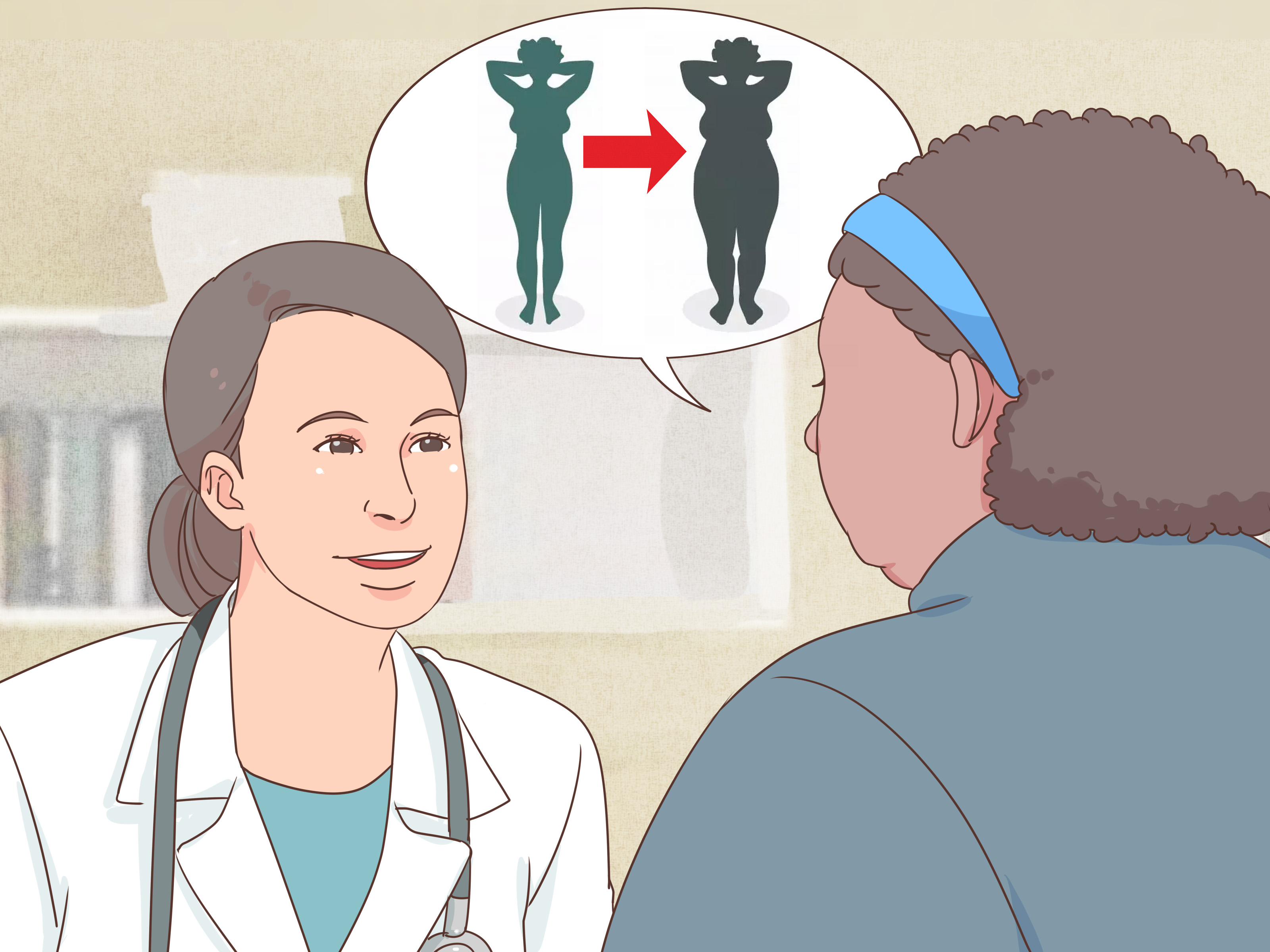
Starting birth control can feel like inviting a tiny hormonal roommate into your body. Sometimes that roommate is polite, helpful, and keeps everything on schedule. Other times, it shows up with bloating, cravings, and a mysterious three-pound jump on the scale after tacos, stress, and one suspiciously salty soup.
If you are wondering how to lose birth control weight, the first thing to know is this: most hormonal birth control methods have not been proven to cause major weight gain for most people. Many people blame the pill, patch, ring, implant, or hormonal IUD when the real culprit may be water retention, appetite changes, routine changes, sleep loss, stress, aging, or normal body fluctuation. However, some methodsespecially the birth control shot containing depot medroxyprogesterone acetate, often known as Depo-Proveraare more commonly linked with weight gain in some users.
So, what should you do if your jeans are suddenly negotiating terms? The goal is not panic dieting, skipping meals, or throwing your birth control into the emotional volcano. The goal is to understand what is happening, support your body, and work with a healthcare professional if the weight change is persistent, fast, or bothering you.
This guide breaks down three practical, science-informed ways to help yourself manage weight changes while using birth controlwithout turning your life into a sad salad documentary.
Does Birth Control Really Cause Weight Gain?
The relationship between birth control and weight gain is more complicated than the internet often makes it sound. Combined hormonal methods, such as many birth control pills, the patch, and the vaginal ring, contain estrogen and progestin. Research has not shown consistent, meaningful weight gain from these methods in most users. The same is generally true for many hormonal IUDs and implants, although individual experiences vary.
That last phrase matters: individual experiences vary. A side effect does not have to happen to everyone to matter to you. Some people notice bloating, breast tenderness, appetite changes, mood shifts, or a little temporary water retention after starting a new method. These symptoms often improve after the body adjusts, usually within a few months.
The birth control shot is the main exception worth discussing. Some people using the shot experience gradual weight gain, and studies have found that early weight gain during the first several months may predict continued gain for certain users. That does not mean everyone on the shot will gain weight, but it does mean you should track your experience and talk with your clinician if the pattern is clear.
Common Reasons Weight Changes Happen After Starting Birth Control
Before trying to lose weight, it helps to understand what kind of “weight” you may be dealing with. Not all scale changes mean fat gain. The body is a dramatic little weather system, and the scale is often just reporting the forecast.
Water Retention and Bloating
Hormonal changes can make some people retain fluid, especially during the first few months of a new birth control method. This may show up as puffiness, tighter rings, a bloated stomach, or a few extra pounds that fluctuate quickly. If the number jumps up and down within a few days, water is likely involved.
Appetite and Craving Changes
Some people notice stronger hunger cues or cravings after starting certain hormonal methods. If you are suddenly dreaming about bread like it owes you money, track what is happening without judgment. Appetite changes can lead to gradual weight gain if they consistently increase daily calorie intake.
Life Changes Around the Same Time
People often start birth control during major life transitions: a new relationship, college, a new job, postpartum recovery, a stressful season, or a shift in sleep and exercise routines. These changes can affect eating habits, activity levels, and stress hormones. Birth control may be present at the scene, but it may not be the only suspect.
The Specific Method Matters
The pill, patch, ring, IUD, implant, and shot do not all work the same way. If your weight gain began after starting the shot or another progestin-only method, your clinician may help you compare options. Never stop a prescription method without having a backup pregnancy-prevention plan if pregnancy is possible for you.
Way 1: Track the Pattern Before You Blame Yourself
The first way to help yourself is not a workout, a smoothie, or a magic supplement with a label designed by a unicorn. It is tracking. A simple two- to four-week snapshot can help you separate temporary bloating from a true upward trend.
Track your weight at the same time of day, ideally in the morning after using the bathroom. Do not weigh yourself ten times a day unless you enjoy emotional roller coasters with terrible customer service. Two to four times per week is enough for most people. Look for the trend, not the daily drama.
Also track symptoms. Are you bloated? Constipated? Sleeping less? Hungrier than usual? Eating more salty restaurant meals? Exercising less? Drinking more sugary beverages? Feeling more stressed? These details can reveal patterns that the scale alone cannot explain.
What to Share With Your Healthcare Provider
If your weight gain is noticeable, persistent, or distressing, bring specific information to your doctor, nurse practitioner, or gynecologist. Useful details include the date you started birth control, the method and dose if you know it, how much weight changed, whether the change happened quickly or slowly, and any new symptoms such as fatigue, acne, irregular bleeding, mood changes, headaches, or unusual swelling.
Ask direct questions: “Could this method be contributing to my weight change?” “Would a different birth control option make sense for me?” “Could something else be going on, such as thyroid issues, PCOS, medication effects, sleep problems, or stress?” A good clinician should not dismiss your concern with a casual “just eat less.” Your body deserves better customer support than a broken vending machine.
When to Consider Switching Methods
If you are using the birth control shot and you gain more than about 5% of your starting body weight within the first six months, it is reasonable to discuss alternatives. Options may include a hormonal IUD, copper IUD, implant, pill, patch, ring, or barrier method depending on your health history and pregnancy-prevention needs. The best method is the one that fits your body, lifestyle, risk factors, and preferences.
Way 2: Build a Gentle Nutrition Plan That Fights Bloating and Cravings
The second way to help yourself is to eat in a way that supports stable energy, fullness, digestion, and overall health. This is not about punishing your body for changing. It is about giving your body the nutritional equivalent of a calm group chat.
A healthy birth control weight plan should focus on balanced meals, not extreme restriction. Most people do better with meals that include protein, fiber-rich carbohydrates, healthy fats, and colorful produce. Think eggs with whole-grain toast and berries, Greek yogurt with fruit and nuts, a turkey and avocado wrap, salmon with roasted vegetables, tofu stir-fry, chili with beans, or a big salad that contains enough protein to qualify as an actual mealnot three lettuce leaves having a meeting.
Prioritize Protein at Meals
Protein helps with fullness and supports muscle maintenance, especially if you are adding strength training. Good options include eggs, chicken, fish, turkey, tofu, tempeh, lentils, beans, Greek yogurt, cottage cheese, and lean meats. You do not need to eat like a bodybuilder carrying a gallon jug everywhere. Just aim to include a protein source with most meals.
Use Fiber as Your Fullness Friend
Fiber helps digestion and can make meals more satisfying. Add vegetables, fruit, oats, beans, lentils, chia seeds, whole grains, and potatoes with the skin. If birth control has left you feeling bloated or constipated, increase fiber gradually and drink enough water. Going from zero to “bean festival” overnight may create consequences your household did not vote for.
Watch Sodium Without Becoming Weird About It
If your weight change feels like puffiness or bloating, sodium may be part of the picture. Restaurant meals, packaged snacks, frozen dinners, deli meats, and salty sauces can make water retention worse. You do not need to ban salt, but cooking more meals at home, choosing lower-sodium options, and adding potassium-rich foods like bananas, potatoes, spinach, beans, and yogurt may help your body balance fluids.
Handle Cravings With Structure, Not Shame
If cravings increased after starting birth control, try planning satisfying snacks before you are wildly hungry. Examples include apple slices with peanut butter, hummus with vegetables, yogurt with granola, string cheese with whole-grain crackers, or a smoothie with protein. Cravings are not moral failures. They are signals. Sometimes the signal says, “Please feed me before I order fries with the confidence of a pirate.”
Also, avoid liquid calories sneaking in like tiny sugar ninjas. Sweet coffee drinks, soda, juice cocktails, and alcoholic beverages can add up quickly. Swap some drinks for water, sparkling water, unsweetened tea, or coffee with less added sugar.
Way 3: Move, Sleep, and Manage Stress Like They Are Part of the Same Plan
The third way to help yourself is to treat movement, sleep, and stress as a team. Weight management is not only about food. Your activity level, muscle mass, sleep quality, and stress response all influence appetite, energy, cravings, and consistency.
Start With Realistic Cardio
Adults are generally encouraged to aim for at least 150 minutes of moderate-intensity aerobic activity per week, such as brisk walking, cycling, swimming, dancing, or using an elliptical. That can be 30 minutes five days per week, or shorter chunks spread across your schedule. A ten-minute walk after meals counts. Dancing in your room counts. Walking while complaining about your inbox counts spiritually and physically.
If you are currently inactive, start smaller. Try 10 to 15 minutes of walking most days, then build. The best workout is not the one that looks impressive online; it is the one you can repeat when life is busy and your laundry has formed a government.
Add Strength Training Twice a Week
Strength training helps maintain and build muscle, which supports metabolism and body composition. You can use dumbbells, resistance bands, machines, or body-weight moves such as squats, lunges, wall pushups, glute bridges, and rows. Two sessions per week is a strong starting point.
Do not worry about becoming “bulky.” Building large amounts of muscle takes years of specialized training and nutrition. For most people, strength training simply helps them feel firmer, stronger, more energetic, and less likely to injure themselves carrying groceries in one heroic trip.
Sleep Is Not Optional Decoration
Poor sleep can increase hunger, reduce motivation to move, and make cravings louder. Aim for a consistent bedtime and wake time when possible. Keep your room cool and dark, reduce late caffeine, and give your brain a wind-down routine that does not involve scrolling until your phone hits your face.
Stress Can Affect Weight, Too
Stress can change appetite, cravings, digestion, sleep, and energy. If stress eating is part of your pattern, replace the “I have no willpower” story with a better question: “What support does my nervous system need?” Try walking, journaling, stretching, breathing exercises, music, therapy, time with friends, or a hobby that gives your brain something pleasant to chew on besides anxiety.
What Not to Do When Trying to Lose Birth Control Weight
Do not crash diet. Very low-calorie diets can backfire by increasing hunger, lowering energy, and making it harder to maintain healthy habits. Do not skip meals to “make up” for eating. Do not start weight-loss supplements without medical advice, especially if you take medications or have health conditions. Many supplements are poorly regulated, and some can cause side effects or interact with prescriptions.
Do not stop birth control suddenly if pregnancy is possible and you do not want to become pregnant. Talk with a healthcare provider about switching methods safely. If you stop one method before another becomes effective, you may need backup protection.
Most importantly, do not treat your body like an enemy. Weight changes can be frustrating, but shame is a terrible coach. It yells a lot and has no useful clipboard.
A Simple 14-Day Reset Plan
If you want a practical starting point, try this gentle reset for two weeks:
- Eat three balanced meals most days, each with protein and fiber.
- Drink water consistently and reduce sugary drinks.
- Walk for 10 to 30 minutes at least five days per week.
- Do two short strength workouts using body weight, bands, or dumbbells.
- Limit very salty packaged foods if bloating is a problem.
- Track weight trends, symptoms, hunger, sleep, and stress without judgment.
- Schedule a medical appointment if weight gain is rapid, persistent, or linked with other symptoms.
After 14 days, review the pattern. If bloating improved and your energy is better, keep going. If weight continues climbing despite consistent habits, bring your notes to your clinician. Data makes the conversation clearer and helps you avoid guessing.
Real-Life Experiences: What Losing Birth Control Weight Can Feel Like
Many people who search for how to lose birth control weight are not looking for a lecture. They are looking for reassurance that they are not imagining things. They may have started a new pill and noticed their stomach feels puffy by dinner. They may have switched to the shot and realized their appetite feels louder than usual. They may have stepped on the scale and thought, “Excuse me, who authorized this?”
One common experience is the “first three months confusion.” During the first few months of a new birth control method, the body may adjust with temporary symptoms such as bloating, nausea, breast tenderness, spotting, or mood changes. Someone might gain two or three pounds, panic, then realize the number changes depending on their cycle, sodium intake, constipation, and sleep. In this situation, tracking can be calming. Instead of reacting to one weigh-in, they can see whether the trend is stable, temporary, or truly increasing.
Another common experience is the “my hunger changed” situation. A person may notice that after starting a certain method, afternoon cravings become more intense. Before birth control, lunch kept them full until dinner. Now, by 3 p.m., the vending machine looks like a trusted mentor. The solution is not to white-knuckle hunger. A better approach is to build more satisfying meals: add protein at breakfast, include fiber at lunch, and plan a snack before cravings become chaotic. A Greek yogurt, fruit, and nuts can prevent the emergency cookie purchase. The cookie can still exist, of course. It just does not need to be in charge of the entire afternoon.
Some people describe the “I changed my birth control and my routine changed too” pattern. For example, someone starts birth control during a stressful semester, new job, or relationship. They eat out more, sleep less, move less, and snack more often. Birth control may get blamed because it is the obvious new thing, but the weight change may come from the whole life shift. In that case, the most helpful plan is not obsessing over hormones. It is rebuilding routines: grocery shopping once a week, walking after dinner, setting a bedtime, and reducing liquid calories.
There is also the experience of people using the birth control shot who notice steady weight gain over several months. For them, the conversation with a healthcare provider is especially important. They may decide to continue because the shot works well for their lifestyle, or they may switch to another method that feels better for their body. Either choice can be valid. The point is informed decision-making, not suffering silently.
The most successful experiences usually have one thing in common: patience. People who manage birth control-related weight concerns well tend to avoid extreme plans. They choose repeatable habits, track symptoms, ask better medical questions, and give their body time to respond. They do not expect a dramatic transformation by Friday. They aim for steadier energy, less bloating, better strength, and a healthier relationship with food and movement.
Losing birth control weight, when weight gain truly has occurred, is rarely about one heroic move. It is a series of small corrections: a little more protein, a little more walking, a little less sodium, a little better sleep, a clearer conversation with your clinician. Not glamorous. Very effective. Basically the sensible shoes of wellnessand honestly, sensible shoes get you places.
Conclusion
Learning how to lose birth control weight starts with understanding what is actually happening. For most people, common birth control methods are not proven to cause major fat gain, although temporary bloating and individual side effects can happen. The birth control shot is more strongly associated with weight gain in some users, so tracking and medical guidance matter.
The three best ways to help yourself are simple but powerful: track your pattern, build balanced meals that support fullness and reduce bloating, and create a movement, sleep, and stress plan you can actually maintain. You do not need a perfect body, a perfect diet, or a perfect routine. You need useful information, consistent habits, and a healthcare provider who listens.
Your body is not broken. It may just be adjusting, asking for support, or telling you that your current birth control method deserves a second look. Listen carefully, respond kindly, and remember: the scale is data, not a personality test.