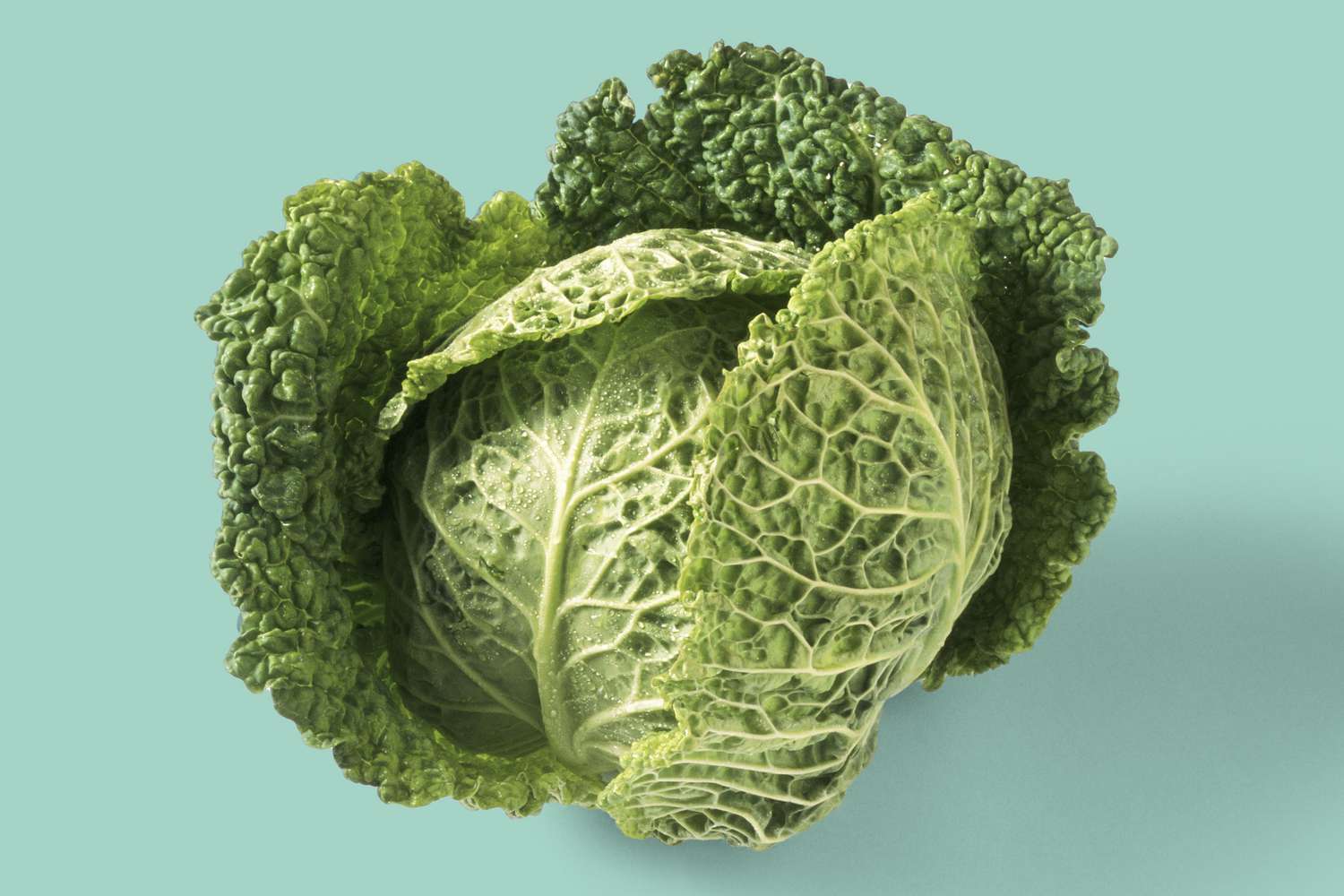
Cabbage is the quiet kid in the vegetable aisle. It does not sparkle like kale, pose like avocado toast, or arrive with a dramatic price tag that makes your wallet file a complaint. It just sits there: round, crunchy, dependable, and usually cheaper than the fancy lettuce that wilts if you look at it with too much emotional intensity.
But here is the delicious plot twist: cabbage is one of the most practical, nutrient-packed, budget-friendly vegetables you can add to your meals. Whether you eat it raw in slaw, simmer it into soup, sauté it with garlic, stuff it, roast it, ferment it into sauerkraut, or tuck it into tacos, cabbage brings more to the table than crunch. It belongs to the cruciferous vegetable family, the same group as broccoli, cauliflower, Brussels sprouts, kale, bok choy, and collard greens. In other words, cabbage has impressive relatives, but it does not need to borrow anyone’s résumé.
Rich in vitamin C, vitamin K, fiber, antioxidants, potassium, and plant compounds called glucosinolates, cabbage may support digestion, immune health, heart health, bone strength, healthy weight management, and overall wellness. No, it is not magic. No vegetable is going to single-handedly fix a diet built entirely from drive-thru fries and wishful thinking. But as part of a balanced eating pattern, cabbage is a humble little powerhouse.
Note: This article is for general educational purposes only and is not a substitute for medical advice. If you take blood-thinning medication, have thyroid concerns, kidney disease, or a digestive condition that flares with high-fiber foods, ask a healthcare professional how cabbage fits into your diet.
Why Cabbage Deserves a Second Look
The beauty of cabbage is that it is both nutritious and realistic. Some “superfoods” require a treasure map, a wellness influencer discount code, and a willingness to pronounce ingredients nobody in your family has heard of. Cabbage asks very little. It lasts a long time in the refrigerator, works in hot and cold dishes, and can feed a crowd without requiring you to sell a small appliance.
A cup of chopped raw cabbage is low in calories yet offers fiber, vitamin C, vitamin K, and small amounts of minerals. Red cabbage adds extra color from anthocyanins, a group of antioxidant plant pigments also found in foods like blueberries and purple grapes. Green cabbage is mild and versatile. Napa cabbage is tender and excellent in stir-fries. Savoy cabbage has ruffled leaves that make soups and wraps look like they tried harder than they did.
So let’s give this underrated veggie the applause it has been waiting forpolitely, of course. Cabbage is modest.
1. Cabbage Supports Immune Health With Vitamin C
When people think of vitamin C, they usually picture oranges. Fair enough. Oranges have excellent public relations. But cabbage also contributes vitamin C, especially when eaten raw or lightly cooked. Vitamin C helps support immune function, acts as an antioxidant, and plays a major role in collagen production. Collagen is important for skin, blood vessels, cartilage, and wound healingbasically, the body’s internal repair crew.
Adding cabbage to everyday meals can help increase your intake of vitamin C without turning every snack into a citrus festival. A crunchy cabbage salad with lemon, olive oil, carrots, and herbs is refreshing, affordable, and much less dramatic than buying three different “immunity shots” from the refrigerated section.
Simple ways to keep more vitamin C
Vitamin C is sensitive to heat and water, so preparation matters. You do not need to treat cabbage like a fragile museum artifact, but you can preserve more nutrients by lightly steaming, quick-sautéing, stir-frying, or eating it raw. If you boil cabbage for a long time, some nutrients can move into the cooking water. That is not a disaster if you are making soup, because you drink the broth. It is less helpful if you drain the water and send the nutrients on a tragic sink vacation.
2. Cabbage Promotes Better Digestion
Cabbage contains dietary fiber, and fiber is one of those nutrients most people know they need but often do not get enough of. Fiber helps add bulk to stool, supports regular bowel movements, and feeds beneficial gut bacteria. In plain English: cabbage helps keep the digestive traffic moving, preferably without honking.
The fiber in cabbage includes insoluble fiber, which supports bowel regularity, and other fermentable components that gut bacteria can use. When your gut bacteria are well fed, they produce compounds that may support colon health and overall metabolic wellness. That does not mean cabbage is a cure for digestive problems, but it can be a helpful part of a high-fiber diet for many people.
Raw cabbage vs. cooked cabbage for digestion
Raw cabbage is crisp and refreshing, but some people find it gassy. That is not cabbage being rude; it is the natural fermentation of certain carbohydrates and fibers in the gut. Cooking cabbage can make it easier to tolerate. If you are new to eating more cabbage, start with small servings and build up gradually. Your digestive system appreciates a heads-up. It is not a fan of surprise parties.
3. Cabbage May Help Support Heart Health
Cabbage supports heart-friendly eating in several ways. First, it is naturally low in calories and fat. Second, it provides fiber, which can help support healthy cholesterol levels as part of an overall nutritious diet. Third, cabbage contains potassium, a mineral that helps balance sodium and supports healthy blood pressure. Red cabbage also brings anthocyanins, antioxidant pigments that are often studied for their relationship with cardiovascular health.
Heart health is not built from one ingredient. It is built from repeated choices: more vegetables, more whole grains, more legumes, more movement, less sodium overload, less highly processed food, and better sleep. Cabbage fits nicely into that pattern because it is easy to add to meals you already eat.
Heart-smart cabbage ideas
Try shredded cabbage in fish tacos, turkey burgers, grain bowls, lentil soup, or chicken wraps. Use it as a crunchy base instead of relying only on refined grains. Sauté it with onions and a splash of vinegar for a simple side dish. Roast cabbage wedges with olive oil, garlic, and black pepper until the edges caramelize. Suddenly, cabbage goes from “forgotten vegetable” to “why did nobody tell me this could taste like cozy weather?”
4. Cabbage Helps You Feel Full Without Many Calories
One of the most useful health benefits of cabbage is its volume. Cabbage is high in water, naturally low in calories, and contains fiber. That combination can help meals feel bigger and more satisfying without turning them into calorie bombs. If you are trying to manage your weight in a healthy, non-restrictive way, cabbage can be a practical food to keep around.
This does not mean cabbage should replace balanced meals. Please do not build a personality around cabbage soup. Instead, think of cabbage as a smart add-on: bulk up stir-fries, stretch soups, add crunch to sandwiches, or mix it into rice bowls so you get more texture and fullness.
A realistic example
Imagine a bowl with brown rice, grilled chicken or tofu, black beans, salsa, avocado, and a big handful of shredded cabbage. The cabbage adds crunch, color, and volume. The bowl feels generous, but it is still balanced. That is the kind of everyday nutrition strategy that works because it does not feel like punishment.
5. Cabbage Contains Antioxidants That Help Fight Oxidative Stress
Antioxidants help protect cells from oxidative stress, a process linked with aging and many chronic diseases. Cabbage contains several antioxidant compounds, including vitamin C, flavonoids, and, in red cabbage, anthocyanins. These compounds do not act like tiny superheroes wearing capes, but they do help support the body’s normal defense systems.
Red cabbage deserves special praise here. Its deep purple-red color comes from anthocyanins, the same family of pigments found in other brightly colored plant foods. A good rule of thumb for nutrition is to eat a variety of colors, and red cabbage makes that easy. It turns salads into confetti and slaws into something that looks like it belongs at a picnic with good lighting.
Color matters, but variety matters more
Green cabbage, red cabbage, Napa cabbage, and Savoy cabbage all offer benefits. You do not have to pick one forever like it is a vegetable marriage ceremony. Rotate them. Raw red cabbage in salads, green cabbage in soups, Napa cabbage in stir-fries, Savoy cabbage in wraps. Variety helps you get a broader mix of nutrients and keeps dinner from feeling like a rerun.
6. Cabbage Supports Bone Health With Vitamin K
Cabbage is a good source of vitamin K, especially green cabbage. Vitamin K plays an important role in normal blood clotting and bone metabolism. Your body uses vitamin K to help activate proteins involved in bone health. That makes cabbage a useful addition to meals, particularly when paired with other bone-supporting foods such as dairy, fortified plant milks, tofu made with calcium, beans, leafy greens, nuts, seeds, and fish with edible bones.
However, vitamin K comes with one important caution. People who take warfarin or other blood-thinning medications are often advised to keep vitamin K intake consistent. That does not automatically mean “avoid cabbage.” It means do not suddenly go from zero cabbage to a heroic mountain of coleslaw without medical guidance. Consistency is the key word.
How to enjoy cabbage with bone-friendly meals
Pair cabbage with protein and mineral-rich foods. Try cabbage slaw with salmon, cabbage soup with white beans, or stir-fried cabbage with tofu and sesame seeds. These meals are simple, filling, and far more exciting than chewing a plain supplement bottle, which is not recommended and would be terrible for Yelp reviews.
7. Fermented Cabbage Can Support Gut Health
Fresh cabbage is great. Fermented cabbage is another story entirely. Sauerkraut and kimchi are made by fermenting cabbage, which can create beneficial live microbes when the product is naturally fermented and not heat-pasteurized. These probiotic foods may support gut microbiome diversity and digestion as part of an overall healthy diet.
Kimchi also often includes garlic, ginger, chili, radish, and scallions, while sauerkraut is usually simpler, often made with cabbage and salt. Both can be delicious. Both can also be salty, so portion size matters, especially if you are watching sodium intake. A spoonful or two can add flavor, acidity, and crunch without turning your meal into a salt lick.
Choose fermented cabbage wisely
For probiotic benefits, look for refrigerated sauerkraut or kimchi labeled with live cultures or naturally fermented. Shelf-stable jars may be pasteurized, which improves storage life but can reduce or eliminate live microbes. Also, introduce fermented foods slowly if you are not used to them. Your gut may need a gentle handshake before signing a long-term friendship agreement.
8. Cabbage Provides Plant Compounds Studied for Disease Prevention
Cabbage and other cruciferous vegetables contain glucosinolates, sulfur-containing plant compounds responsible for some of their sharp flavor and aroma. When cabbage is chopped, chewed, or digested, glucosinolates can break down into biologically active compounds such as indoles and isothiocyanates. These compounds have been studied for their potential role in supporting the body’s natural defense processes.
It is important to be accurate here. Eating cabbage does not guarantee disease prevention, and no single food prevents cancer or heart disease by itself. Research on cruciferous vegetables is promising but complex. Diet quality, genetics, lifestyle, environment, and overall health all matter. Still, regularly eating cruciferous vegetables such as cabbage, broccoli, cauliflower, and Brussels sprouts is a smart habit within a balanced eating pattern.
Chop, rest, and cook gently
Some cooks like to chop cabbage and let it sit for a few minutes before cooking. This may help natural enzymes begin working on glucosinolates before heat reduces enzyme activity. You do not need to be overly scientific in the kitchen, but it is a useful trick: slice cabbage first, prep the rest of your ingredients, then cook it lightly. Congratulations, you are now doing casual kitchen chemistry.
How to Eat More Cabbage Without Getting Bored
Cabbage is not a one-note vegetable unless you treat it like one. It can be bright and crunchy, sweet and roasted, tangy and fermented, soft and comforting, or spicy and bold. The secret is seasoning. Cabbage loves acid, salt, herbs, spices, and healthy fats. Lemon juice, apple cider vinegar, rice vinegar, mustard, dill, parsley, cilantro, garlic, ginger, chili flakes, sesame oil, olive oil, and black pepper all work beautifully.
Easy cabbage meal ideas
Make a quick slaw with shredded cabbage, carrots, lime juice, olive oil, and cilantro. Add cabbage to ramen-style noodle bowls with eggs or tofu. Stir-fry it with garlic, ginger, soy sauce, and mushrooms. Fold it into dumplings. Toss it into vegetable soup. Roast cabbage wedges and finish them with yogurt sauce. Use large cabbage leaves as wraps for rice, beans, and lean protein. Add thin cabbage ribbons to tacos for crunch that does not immediately collapse like sad lettuce.
If you want a five-minute side dish, sauté shredded cabbage with a little olive oil, garlic, salt, pepper, and a splash of vinegar. It becomes tender, slightly sweet, and surprisingly addictive. This is the moment many cabbage skeptics realize they have been unfair to a vegetable that was simply waiting for decent seasoning.
Possible Side Effects and Who Should Be Careful
Cabbage is safe and healthy for most people, but a few groups should be thoughtful. If you have irritable bowel syndrome or are sensitive to fermentable carbohydrates, cabbage may cause gas or bloating. Start small and try cooked cabbage instead of raw. If you take blood-thinning medication, ask your healthcare provider about consistent vitamin K intake. If you have thyroid disease, normal food portions of cooked cruciferous vegetables are typically considered fine for many people, but individual needs vary, so professional guidance is wise.
Also, fermented cabbage can be high in sodium. Sauerkraut and kimchi are flavor boosters, not usually meant to be eaten by the cereal bowl. Use them like condiments unless your healthcare provider says otherwise.
Personal Experience: Learning to Love the Vegetable I Used to Ignore
For a long time, cabbage felt like the vegetable equivalent of background music in an elevator. I knew it existed. I knew it was technically useful. But I was not exactly writing poetry about it. Then I started cooking more at home and realized cabbage has one superpower most trendy foods do not: it shows up when life is busy, budgets are tight, and dinner needs to happen before everyone starts eating crackers directly over the sink.
The first thing I noticed was how long cabbage lasts. A bag of delicate greens can turn into refrigerator compost in what feels like seventeen minutes. A whole cabbage, on the other hand, is sturdy. It waits patiently. You can cut off a wedge, wrap the rest, and come back later. That alone makes it a practical hero for real kitchens, especially for families, students, meal preppers, and anyone who has ever bought spring mix with optimistic intentions and later discovered green slime.
My favorite cabbage habit started with tacos. Instead of using lettuce, I tossed shredded cabbage with lime juice, a pinch of salt, and a little chopped cilantro. It stayed crisp, added brightness, and did not wilt under warm fillings. Then I started using the same quick slaw on rice bowls, sandwiches, grilled chicken, beans, and even scrambled eggs. Suddenly, cabbage was not “diet food.” It was texture. It was freshness. It was the crunch that made leftovers feel intentional.
Roasted cabbage was another surprise. Cut into thick wedges, brushed with olive oil, seasoned with garlic, black pepper, and smoked paprika, then roasted until the edges browned, cabbage became sweet, savory, and almost buttery. A squeeze of lemon at the end made it pop. It tasted like comfort food, not like someone’s strict January resolution.
Fermented cabbage took longer to appreciate. Sauerkraut and kimchi are bold, and they do not quietly enter a room. They kick the door open and announce themselves. But once I started using small amounts, they became incredibly useful. A spoonful of kimchi can wake up fried rice. Sauerkraut can brighten a turkey sandwich or grain bowl. The trick is balance. Too much can dominate a dish, but just enough adds tang, crunch, and complexity.
The biggest lesson from eating more cabbage is that healthy food does not have to be expensive, rare, or complicated. Sometimes the best ingredients are the ones we overlook because they seem too ordinary. Cabbage is ordinary in the best possible way. It is affordable, flexible, nutritious, and forgiving. It can be raw, cooked, roasted, stuffed, sautéed, or fermented. It can stretch a meal, support digestion, add nutrients, and bring color to the plate.
Most importantly, cabbage proves that eating well does not require perfection. You do not need a flawless meal plan or a refrigerator arranged like a cooking show. You just need a few dependable ingredients that make healthier choices easier. Cabbage is one of those ingredients. It may never be the loudest vegetable in the produce section, but once you learn how to use it, it earns a regular place in the kitchen.
Conclusion: Cabbage Is Cheap, Crunchy, and Seriously Underrated
Cabbage may not have the glamorous reputation of kale or the internet fame of avocados, but it deserves real respect. It supports immune health with vitamin C, helps digestion with fiber, contributes to heart-friendly eating, supports fullness, provides antioxidants, offers vitamin K for bone health, can become probiotic-rich when fermented, and contains cruciferous plant compounds that researchers continue to study.
The best part is that cabbage is easy to use. Add it raw for crunch, cook it for sweetness, roast it for comfort, or ferment it for tangy gut-friendly flavor. It is affordable, widely available, and surprisingly adaptable. In a world full of overhyped wellness trends, cabbage is refreshingly practical. It does not need a fancy label. It just needs a cutting board, a sharp knife, and someone willing to give it the love it has quietly deserved all along.