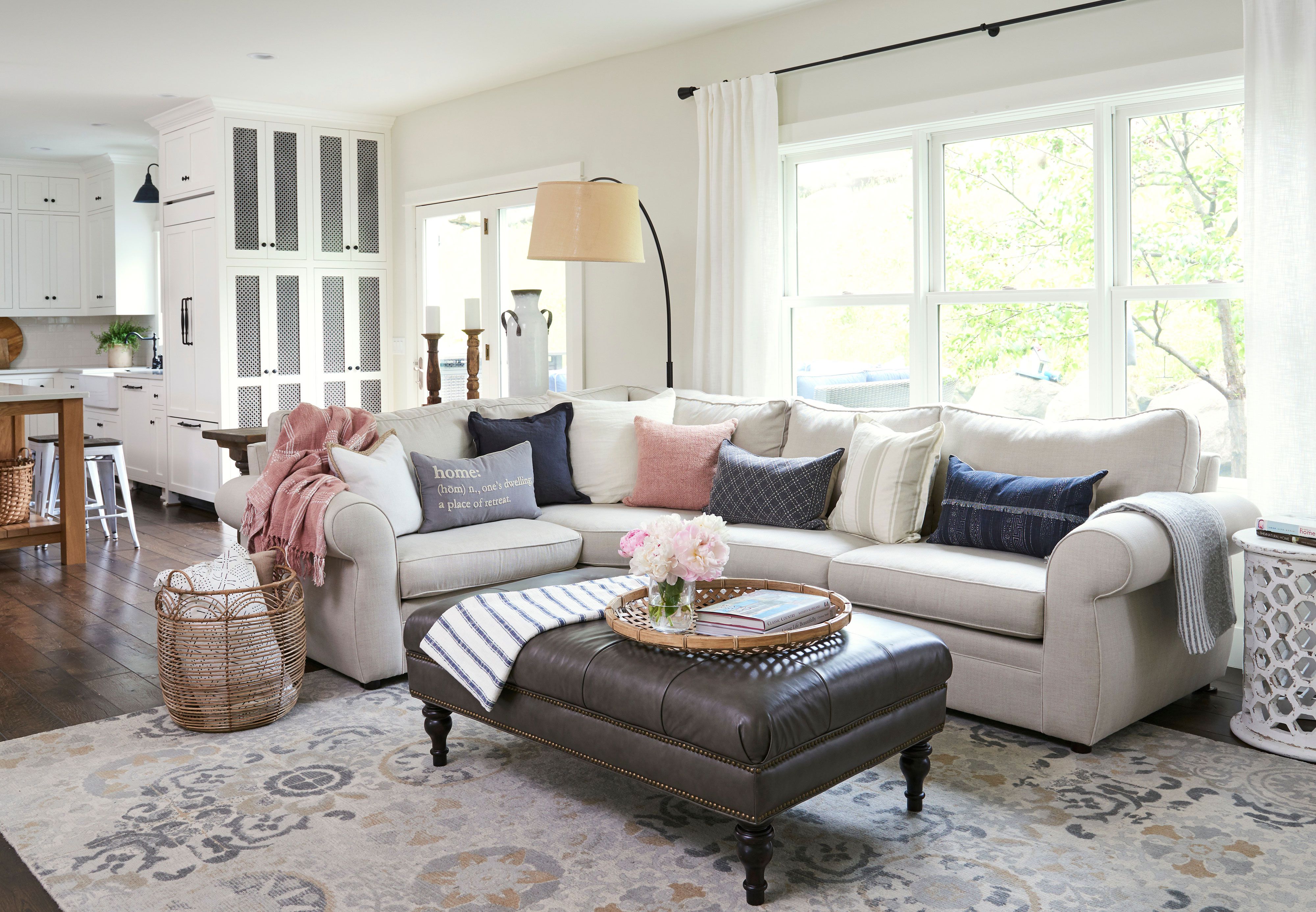
An ottoman is the living room’s overachiever. It puts your feet up, hides your clutter, moonlights as a coffee table, becomes emergency seating when guests arrive, and somehow still looks chic while doing all of it. If furniture had a résumé, the ottoman would need a second page.
Whether you have a compact apartment, a family room that works harder than a Monday morning coffee machine, or a polished living room ready for its magazine moment, the right ottoman can transform the space. The secret is not just buying one and hoping for the best. It is choosing the right shape, fabric, scale, placement, and styling details so it feels intentional instead of “I found this lonely footstool on sale.”
Below are 33 ottoman decor ideas for a stylish living room, with practical examples, designer-inspired tips, and easy ways to make your ottoman look like it belongs exactly where it is.
Why Ottomans Work So Well in Living Rooms
Ottomans are popular because they solve several design problems at once. A traditional coffee table can feel hard, bulky, or too formal, especially in a room used for movie nights, kids, pets, lounging, and snack-based decision-making. An ottoman softens the room visually and physically while still giving you a central anchor.
They also bring flexibility. A large upholstered ottoman can replace a coffee table. A storage ottoman can hide blankets, toys, remotes, and magazines. A pair of small poufs can slide around the room as extra seating. A leather ottoman can add warmth to a modern space, while a patterned ottoman can bring life to a neutral sofa setup.
The best part? You do not need a complete living room makeover. Sometimes, one ottoman and a good tray can make the whole room look more finished.
33 Ottoman Decor Ideas for a Stylish Living Room
1. Use a Large Ottoman as a Coffee Table
Replace a traditional coffee table with a large upholstered ottoman if you want the room to feel softer and more relaxed. This works especially well with sectional sofas, deep couches, and family-friendly spaces. Choose a firm, flat top so trays, books, and decor sit securely.
2. Add a Decorative Tray
A tray is the ottoman’s best friend. It creates a stable surface for drinks, candles, small vases, and remote controls. A wooden tray adds warmth, a metal tray adds polish, and a woven tray brings casual texture. Without a tray, your ottoman may look like it is just waiting for feet. With a tray, it becomes a styled focal point.
3. Style It With Coffee Table Books
Stack two or three large books on your ottoman tray to create height and structure. Choose books with covers that match your living room palette. For example, neutral design books look elegant in a quiet luxury space, while colorful travel books can energize a modern or eclectic room.
4. Choose a Storage Ottoman for Hidden Clutter
If your living room collects blankets, board games, chargers, toys, or mystery objects no one admits owning, a storage ottoman is a smart solution. Lift-top and hinged designs keep essentials close but out of sight, which is basically interior design magic with a lid.
5. Pair Two Small Ottomans Together
Instead of one large ottoman, place two smaller ottomans side by side. This gives the room symmetry while allowing you to move them separately when needed. Matching ottomans look polished, while two different fabrics can create a layered, collected feel.
6. Try a Round Ottoman to Soften Sharp Lines
If your room has a square sofa, rectangular rug, straight media console, and angular side tables, a round ottoman can soften the entire layout. Round ottomans also improve traffic flow because there are no sharp corners to bump into.
7. Use a Square Ottoman With a Sectional
A square ottoman works beautifully with L-shaped and U-shaped sectionals because it fills the center zone evenly. Look for a size that leaves enough walking room around it. The goal is cozy, not obstacle course.
8. Pick a Tufted Ottoman for Classic Style
Button-tufted ottomans bring a traditional, tailored look to the living room. They pair well with roll-arm sofas, Persian-style rugs, brass lamps, and layered window treatments. For a fresher look, choose tufting in linen, velvet, or soft leather.
9. Go With Leather for Warmth and Durability
A leather ottoman can make a room feel grounded and timeless. Brown leather looks especially good with cream sofas, navy accents, rustic woods, and black metal finishes. It is also practical because leather usually handles everyday wear better than delicate fabrics.
10. Add a Velvet Ottoman for a Luxe Touch
Velvet instantly makes an ottoman feel more glamorous. Try emerald green, deep blue, rust, blush, or charcoal for a rich accent. In a neutral living room, a velvet ottoman can become the statement piece without shouting louder than the sofa.
11. Use Pattern to Wake Up a Plain Sofa
If your sofa is solid beige, gray, white, or navy, a patterned ottoman can add personality. Consider stripes, checks, ikat, floral prints, or subtle geometric designs. Keep the rest of the room balanced by repeating one color from the ottoman in pillows, art, or throws.
12. Match the Ottoman to the Sofa
For a calm, cohesive look, choose an ottoman in the same fabric as your sofa. This works especially well in minimalist, contemporary, and coastal living rooms. Add contrast with a tray, books, or a textured throw so the setup does not feel too flat.
13. Contrast the Ottoman With the Sofa
If your sofa is light, try a dark ottoman. If your couch is smooth leather, choose a nubby woven ottoman. Contrast keeps the room from looking like it came in one giant matching furniture box, which is rarely the dream.
14. Use a Bench-Style Ottoman in a Narrow Room
A long bench ottoman is perfect for narrow living rooms because it provides function without feeling bulky. Place it in front of the sofa, under a window, or along one side of the seating area. It can work as a footrest, table, or extra perch for guests.
15. Slide Ottomans Under a Console Table
If you need occasional seating but do not want clutter, tuck small ottomans under a console table. Pull them out when guests arrive. This trick works well behind a sofa, near an entry wall, or in an open-concept living room.
16. Use Poufs for a Casual Look
Poufs are soft, lightweight ottomans that work well in relaxed spaces. They are great for boho, coastal, modern farmhouse, and family rooms. A chunky knit pouf adds cozy texture, while a leather pouf adds a global, collected feel.
17. Create a Conversation Area
Place ottomans opposite a sofa or between accent chairs to encourage conversation. This creates a flexible seating arrangement without the visual weight of extra armchairs. It is especially useful in smaller living rooms where every square foot has to earn its keep.
18. Add an Ottoman Near the Fireplace
A small ottoman near a fireplace can make the room feel instantly inviting. Use it as a footrest for a reading chair or as a spot to set a tray with tea, books, and a candle. Just keep safe distance from heat sources and open flames.
19. Choose a Woven Ottoman for Texture
Rattan, seagrass, jute, and rope ottomans bring natural texture to the living room. They pair beautifully with white walls, linen sofas, wood floors, and indoor plants. Use them when the room feels too smooth or too polished.
20. Decorate With a Seasonal Tray Display
Refresh your ottoman with the seasons. In spring, use flowers and pale ceramics. In summer, try a woven tray and coastal accents. In fall, add warm-toned candles and a small bowl. In winter, layer pinecones, books, and a cozy throw. The ottoman becomes a tiny stage for seasonal personality.
21. Layer a Throw Blanket Over the Ottoman
Drape a throw blanket casually across one side of the ottoman to add softness. This works best when the fabric contrasts with the ottoman. For example, place a chunky cream knit over a leather ottoman or a plaid wool throw over a plain linen one.
22. Use an Ottoman as a Color Accent
An ottoman is a lower-risk way to introduce color than a sofa. Try mustard, terracotta, olive, navy, burgundy, or soft blue. To make the color feel intentional, repeat it in small details such as pillows, artwork, vases, or rug patterns.
23. Choose a Low Ottoman for a Modern Look
Low-profile ottomans create a sleek, lounge-like feeling. They look great with modern sofas, platform-style furniture, and minimal decor. Keep the styling simple with one tray, one sculptural object, and maybe a book stack.
24. Try an Ottoman With Exposed Legs
An ottoman with visible legs feels lighter than a fully upholstered block. This is a good choice for smaller rooms because it lets more floor show, making the space feel airier. Tapered wooden legs suit midcentury rooms, while metal legs work well in modern interiors.
25. Use a Slipcovered Ottoman for Easy Living
Slipcovered ottomans are practical for homes with kids, pets, or snack-loving adults who refuse to use plates. A washable slipcover keeps the room looking relaxed and fresh. White, oatmeal, denim blue, and soft gray are versatile choices.
26. Add a Tray With Handles for Convenience
A handled tray is easy to lift when someone wants to use the ottoman as a footrest. This small detail makes a big difference in real life. Style it with coasters, a small vase, and a candle, then move it aside when movie night begins.
27. Use an Ottoman to Balance a Bold Rug
If your rug has a strong pattern, choose a simple ottoman in a solid color. If your rug is plain, the ottoman can carry more pattern or texture. Think of the rug and ottoman as design partners, not two people talking over each other at dinner.
28. Make It Kid-Friendly With Soft Edges
Families often love ottomans because they have soft edges compared with wood or glass coffee tables. Choose performance fabric, darker colors, or washable covers for durability. Storage inside is a bonus for toys, books, and blanket overflow.
29. Use a Pair of Ottomans Instead of Accent Chairs
In a small living room, bulky accent chairs can crowd the layout. Two ottomans can provide occasional seating while keeping sightlines open. Place them across from the sofa or beside the coffee table area.
30. Try a Sculptural Ottoman
Ottomans do not have to be basic cubes. Look for scalloped edges, channel tufting, curved silhouettes, waterfall shapes, or interesting bases. A sculptural ottoman can act like functional art in a simple room.
31. Create a Mini Bar Moment
For entertaining, style a sturdy ottoman tray with glasses, a small pitcher, sparkling water, cocktail napkins, or a bowl of citrus. Keep it elegant and temporary. Once the guests leave, return the ottoman to its everyday setup.
32. Use Outdoor Poufs Indoors
Outdoor poufs can work indoors, especially in casual family rooms. They are often durable, easy to clean, and lightweight. Choose designs that still feel soft enough for indoor use, such as woven textures, neutral stripes, or weather-resistant fabric in warm colors.
33. Keep Some Negative Space
The easiest way to make an ottoman look professionally styled is to avoid covering every inch. Leave room for someone to set down a book, put up their feet, or place a bowl of popcorn. A stylish living room should look beautiful, but it should also let people live in it.
How to Choose the Right Ottoman for Your Living Room
Think About Function First
Before choosing fabric or color, decide what the ottoman needs to do. Will it replace your coffee table? Hold storage? Provide extra seating? Serve as a soft footrest? A household with toddlers may need a durable storage ottoman, while a formal sitting room may look better with a tufted velvet piece.
Get the Scale Right
An ottoman should feel proportional to your sofa and seating area. As a general guide, it should be close to the height of your sofa seat or slightly lower. Leave enough space around it for walking comfortably. If people have to turn sideways like they are sneaking through a movie theater row, the ottoman is probably too large.
Choose Fabric Based on Lifestyle
Performance fabrics, leather, darker weaves, and textured materials are smart for busy homes. Velvet, linen, and lighter fabrics can look beautiful but may need more care. If you entertain often, consider stain-resistant upholstery or a tray large enough to protect the top.
Coordinate Without Overmatching
Your ottoman does not have to match everything. In fact, it often looks better when it introduces a new texture or tone. A room feels more layered when the ottoman relates to the sofa, rug, curtains, or pillows without copying them exactly.
Ottoman Styling Formulas That Always Work
The Tray + Books + Vase Formula
This is the classic. Place a tray in the center or slightly off-center, stack two books, and add a small vase with flowers or branches. It looks polished without trying too hard.
The Cozy Minimalist Formula
Use one oversized tray, one candle, one ceramic bowl, and a folded throw. Stick to warm neutrals and natural textures. This works beautifully in modern, Scandinavian, coastal, and quiet luxury living rooms.
The Family-Friendly Formula
Use a sturdy tray with coasters, a lidded basket for remotes, and one decorative object that is not fragile. Skip tall glass vases if kids or pets regularly launch themselves across the room like tiny circus performers.
The Entertaining Formula
For guests, clear the ottoman and style it with a serving tray, napkins, small plates, and drinks. Choose a tray with raised edges to help prevent spills. After the party, return to your everyday arrangement.
Common Ottoman Decorating Mistakes to Avoid
Choosing the Wrong Size
An ottoman that is too small can look lost. One that is too large can make the room feel cramped. Measure before buying, especially if you are placing it in front of a sectional.
Skipping the Tray
If you want your ottoman to function as a coffee table, a tray is almost non-negotiable. It gives drinks and decor a stable landing zone and makes the whole setup look intentional.
Overdecorating the Top
An ottoman is not a museum pedestal. Too many objects make it hard to use. Keep the styling edited and leave some open space.
Ignoring Traffic Flow
Make sure people can move around the ottoman easily. This matters even more in small living rooms and open-plan spaces where the living area connects to a kitchen or hallway.
Experience-Based Tips for Decorating With Ottomans
After working through many living room layouts, one thing becomes obvious: ottomans succeed when they fit the way people actually use the room. A beautiful ottoman that blocks the walkway, wobbles under a tray, or constantly needs to be moved will become annoying quickly. The best ottoman feels natural from day one.
In small spaces, lightweight ottomans are often better than oversized coffee-table styles. A compact pouf or small upholstered cube can be moved beside a chair, pulled close to the sofa, or tucked away when more floor space is needed. This flexibility matters in apartments, condos, and multi-use living rooms where the same area might serve as a lounge, workspace, workout zone, and snack headquarters.
For family rooms, storage ottomans are hard to beat. The trick is to avoid turning the inside into a black hole of forgotten clutter. Use smaller bins or fabric pouches inside the ottoman to separate remotes, game controllers, toys, blankets, and charging cables. That way, when you open it, you do not feel like you are staring into the junk drawer’s ambitious cousin.
For formal living rooms, fabric choice matters most. A structured ottoman in velvet, linen-blend fabric, leather, or bouclé can make the room feel finished. Pair it with a tray that has some weight and presence. Thin trays can look flimsy on a large ottoman, while oversized trays can overwhelm a small one. The tray should look generous but not like it is trying to annex the entire cushion.
One reliable styling method is to decorate only one-third to one-half of the ottoman surface. This keeps the look elegant while leaving space for real life. A tray with books, a candle, and a vase is enough. If the ottoman is large, add a folded throw on one side to create softness and visual balance.
Color is another place where ottomans shine. Many people hesitate to buy a colorful sofa, and honestly, fair enough. A sofa is a commitment. An ottoman, however, is a safer place to try rust, olive, navy, mustard, burgundy, or patterned fabric. If you get tired of the color later, it is much easier to swap or reupholster than a full-size couch.
Finally, remember that ottomans should invite comfort. A living room can be stylish and still say, “Go ahead, put your feet up.” That is the charm. The ottoman bridges the gap between polished design and everyday relaxation. It is decorative, useful, forgiving, and flexiblethe rare furniture piece that can host a tray of flowers in the morning and a pile of blankets by movie night.
Conclusion
Ottomans are one of the easiest ways to make a living room more stylish, comfortable, and functional. They can replace a coffee table, add hidden storage, introduce color, create extra seating, and soften the entire room. Whether you love a tufted leather ottoman, a playful pouf, a sleek modern bench, or a large upholstered centerpiece, the right choice depends on your space, lifestyle, and design personality.
Start with function, choose the right size, add texture or contrast, and style the top with a tray, books, flowers, candles, or seasonal accents. Keep it practical, leave breathing room, and let the ottoman do what it does best: make your living room look pulled together while quietly handling half the room’s daily chores.
Note: This article was written in original standard American English for web publishing and synthesized from current, real-world interior design principles, living room styling practices, and ottoman decor trends.