Note: This article synthesizes public information from U.S. Army doctrine, Army professional publications, defense health research, military medicine studies, and national security analysis. Direct source links are intentionally omitted to keep the publishing copy clean.
Introduction: The Modern Infantryman Is Not Just Carrying a Rucksack
There is an old military joke that every new piece of “lightweight” gear makes the soldier’s load heavier. The punchline is funny because it is painfully accurate. A modern U.S. infantry soldier may step off wearing body armor, helmet, weapon, ammunition, water, radio equipment, batteries, medical items, weather protection, navigation tools, night-vision devices, food, and mission-specific gear. Add a rucksack, and suddenly the human body becomes a delivery truck with knees.
The problem is not that the U.S. military forgot that weight matters. Quite the opposite. The Army has studied soldier load for decades. Commanders, researchers, and equipment developers know that heavy loads reduce speed, increase fatigue, raise injury risk, and can affect decision-making under stress. Yet the load keeps growing because modern infantry must be protected, connected, supplied, and ready for unpredictable missions. In short, the infantryman is expected to be a fighter, sensor platform, radio node, medic’s assistant, survivalist, and pack mulepreferably all before breakfast.
This article explains why U.S. infantry now carry more weight than ever, what makes up the modern combat load, how it affects performance, and why solving the problem is far harder than simply telling soldiers to “pack lighter.”
What Does “Soldier Load” Actually Mean?
When civilians imagine a soldier’s burden, they often picture a big backpack. In reality, the rucksack is only part of the story. U.S. Army load discussions commonly separate weight into different categories, especially the fighting load and the approach march load.
Fighting Load
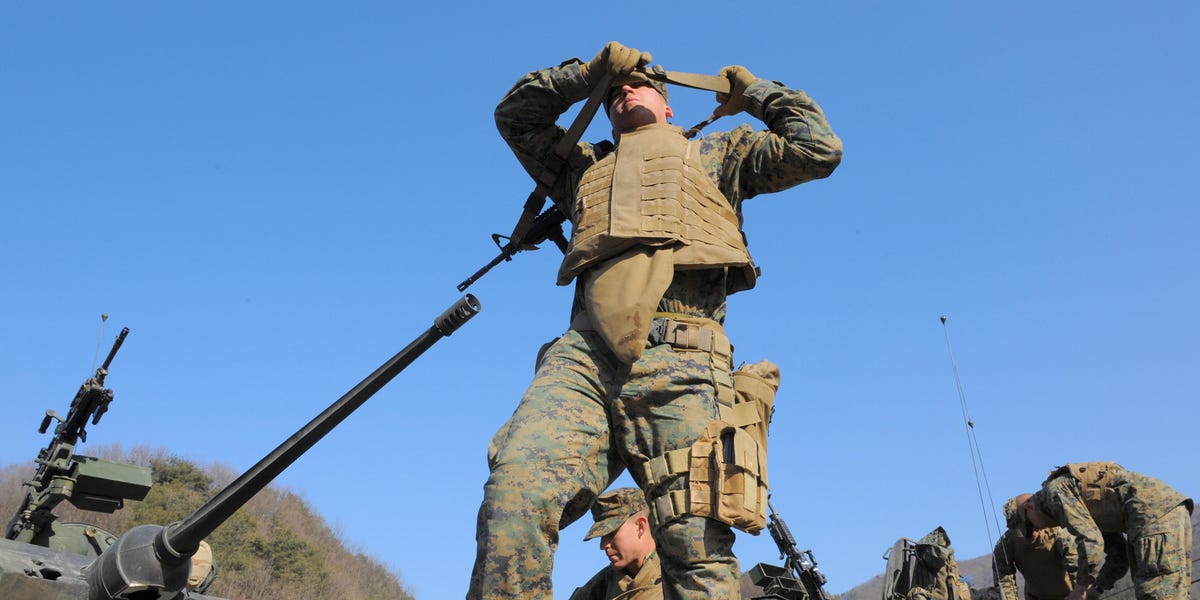
The fighting load is the equipment a soldier carries directly on the body while maneuvering and fighting. This includes protective gear, weapon, ammunition, water, communications tools, medical items, and other essentials. It is the “must-have-it-right-now” load. If the ruck is dropped before contact, the fighting load stays.
Approach March Load
The approach march load includes the fighting load plus a rucksack or pack containing extra food, water, clothing, batteries, mission equipment, and sustainment items. This is the load carried while moving toward an objective or operating away from vehicles and resupply.
Army guidance commonly describes a fighting load in the range of roughly 60 to 80 pounds and an approach march load around 80 to 100 pounds for a properly conditioned soldier. Emergency loads can climb even higher. That is not a typo. A soldier may be expected to move, think, communicate, and fight while carrying the weight of a large dog, a small washing machine, or one very judgmental fifth grader.
Why Infantry Loads Keep Getting Heavier
The modern infantry load is not the result of one bad decision. It is the result of many reasonable decisions stacked on top of each other. Each item makes sense by itself. Together, they create the overloaded soldier.
1. Body Armor Saves Lives, But It Adds Pounds
Body armor is one of the clearest reasons today’s infantry carry more weight. The wars in Iraq and Afghanistan reinforced a powerful lesson: armor can save lives. Helmets, ballistic plates, protective vests, and related equipment became standard expectations in many environments.
The tradeoff is mobility. Armor protects the soldier, but it also adds weight to the torso, shoulders, and hips. More protection can mean slower movement, faster exhaustion, and more strain on the spine and lower body. Leaders face a difficult question: how much protection is enough? Too little armor may expose soldiers to danger. Too much armor may reduce their ability to move, observe, and react. There is no magic answer, only a constant balancing act.
2. Ammunition Is Heavy, and Nobody Wants to Run Out
Ammunition is another major contributor. Infantry units carry ammunition not only for individual weapons, but also for squad and platoon systems. In combat planning, ammunition is a comfort blanket made of metal: heavy, awkward, and extremely hard to leave behind.
The logic is easy to understand. If a mission becomes longer than expected, resupply is delayed, or the unit makes contact, extra ammunition may matter. So soldiers carry more. Then commanders worry that “more” still may not be enough. The result is a load that grows by the magazine, belt, box, and pouch.
3. Water Is Non-Negotiable
Water is one of the least glamorous but most important items in the infantry load. A soldier operating in hot weather, mountains, deserts, or humid terrain cannot simply “tough it out” without hydration. Dehydration harms endurance, concentration, and physical performance.
The cruel part is that water is heavy. One liter weighs about 2.2 pounds. Carry several liters, and the load rises quickly. Unlike some equipment, water gets lighter as it is consumed, but that does not help much at the start of a long movement. The soldier still steps off heavy.
4. Batteries Are the Hidden Weight Monster
Modern infantry depends on electronics: radios, GPS devices, night-vision systems, targeting aids, sensors, tablets, and other digital tools. These devices improve communication and awareness, but they need power. That means batteriesand batteries are sneaky little bricks.
Public Army discussions have noted that soldiers on extended missions may carry large numbers of batteries, with some roles carrying far more than others. A radio operator, for example, may carry less of one type of gear but more power equipment. The digital battlefield gives soldiers more capability, but the battery burden turns every improvement into a math problem: does the advantage justify the extra weight?
5. Mission-Specific Gear Keeps Expanding
No two infantry missions are exactly alike. A patrol may require cold-weather clothing, water purification, breaching tools, extra medical supplies, sensors, communications equipment, or specialized devices. Each mission adds “just one more thing.” Unfortunately, “just one more thing” is how a reasonable load becomes a portable garage sale.
The problem gets worse because units must prepare for uncertainty. If weather changes, terrain blocks vehicles, or resupply fails, soldiers need enough equipment to continue operating. The less predictable the mission, the more tempting it becomes to carry extra gear.
The Human Cost of Heavy Loads
The overloaded soldier problem is not just about discomfort. It affects health, readiness, and combat effectiveness.
Fatigue Reduces Performance
Heavy loads increase energy expenditure. A soldier carrying a heavy approach load over rough terrain burns energy at a high rate. The body leans forward, breathing becomes harder, legs work harder, and movement becomes less efficient. By the time a unit reaches its destination, soldiers may already be tired before the hardest part begins.
Fatigue also affects the mind. Tired soldiers may process information more slowly, miss details, or make poorer decisions. In a profession where seconds matter, exhaustion is not a minor inconvenience. It is a tactical problem wearing boots.
Heavy Loads Increase Injury Risk
Military medical research has long associated load carriage with injuries such as foot blisters, stress fractures, knee pain, back strain, shoulder problems, nerve compression, and hip or ankle issues. Some of these injuries sound small until they remove a trained soldier from the field.
A blister may not impress anyone in a movie, but in the real world, damaged feet can slow a unit, change a plan, or force evacuation. A stress fracture or back injury can affect a soldier for months. Multiply that across a platoon or company, and load carriage becomes a readiness issue.
Mobility Is Protection Too
Protection is often thought of as armor. But mobility also protects. A soldier who can move quickly, take cover, climb, react, and reposition has a better chance of surviving. Too much weight can make soldiers easier to tire, easier to spot, and slower to respond.
This creates one of the central contradictions of modern infantry equipment: gear that improves survivability in one way may reduce it in another. Armor protects against fragments and rounds. Radios improve coordination. Extra ammunition supports staying power. But if all of it slows movement too much, the soldier may lose the advantage of speed.
Why “Just Carry Less” Is Not a Real Solution
From a distance, the answer looks simple: reduce the load. Up close, it becomes complicated. Every item in the soldier’s kit has an owner, a reason, and a nightmare scenario attached to it.
Commanders Must Manage Risk
If a commander removes equipment and nothing bad happens, everyone praises efficiency. If equipment is removed and something goes wrong, the question becomes: why was that item left behind? That pressure encourages leaders to choose “better to have it and not need it.” It is understandable, but it adds weight.
Risk management is not only about the enemy. It includes terrain, weather, mission length, evacuation options, resupply reliability, and the physical condition of the unit. A short movement near vehicles is different from a long movement through mountains or dense urban terrain. The load should change with the mission, but military culture often rewards being overprepared.
Technology Cuts Weight, Then Adds Capability
New materials can make helmets, plates, clothing, and equipment lighter. Better batteries can reduce power weight. Improved pack design can distribute weight more efficiently. But when weight is saved, units often use the savings to add new capabilities. The soldier ends up carrying lighter gearand more of it.
This is the “lightweight trap.” A lighter radio is great until the soldier carries two. A lighter battery helps until the mission requires more powered devices. A lighter armor system helps until extra attachments are added. The total load may stay the same or even increase.
What the Army Is Doing About the Problem
The U.S. Army has not ignored the overloaded soldier. Efforts have included lighter armor components, improved load-carrying systems, better pack designs, equipment reviews, battery improvements, robotic support concepts, and leader education.
Lighter Equipment
One approach is to reduce the weight of individual items. Lighter protective plates, better helmets, improved cold-weather gear, and redesigned load-bearing equipment can help. Even small reductions matter because ounces become pounds. A pound saved on one item may not sound dramatic, but across a full kit, a squad, and a long movement, it matters.
Smarter Power Management
Battery weight is a major target. Better batteries, power-sharing systems, rechargeable options, and energy-efficient devices can reduce the burden. The goal is not just “more power,” but smarter power: fewer duplicate batteries, better planning, and equipment that does not drain energy like a teenager drains a phone at 2% brightness.
Load Discipline
Another solution is leadership. Units can conduct equipment inspections, remove duplicate items, tailor gear to the mission, and use vehicles or resupply when available. Leaders can also distribute weight more intelligently across the unit, rather than letting one soldier become the unofficial branch of FedEx.
Load discipline is not glamorous. It involves lists, inspections, honest conversations, and sometimes saying no to unnecessary “comfort” items. But it may be one of the most practical tools available.
Training the Body for Load
Soldiers still need physical preparation. Aerobic fitness, strength training, progressive load carriage, recovery, and injury prevention all matter. A strong soldier is not immune to load problems, but conditioning can improve tolerance and reduce risk.
Still, fitness is not a license to overload people. A stronger back does not repeal physics. The goal should be to match training, equipment, and mission demandsnot to pretend the human body is a rental truck with a haircut.
The Future: Lighter, Smarter, or Still Heavier?
The future infantry load will likely remain a struggle between capability and weight. Emerging technologies may help: improved materials, smaller electronics, better batteries, unmanned ground vehicles, drone resupply, wearable sensors, and smarter logistics. But technology may also add new equipment requirements.
Future soldiers may need counter-drone tools, electronic warfare gear, more sensors, enhanced communications, and additional protection against modern threats. Each innovation promises advantage. Each advantage may come with pounds attached.
The real solution will require more than engineering. It will require cultural change. Leaders must treat soldier load as a combat variable, not an afterthought. Weight affects speed, endurance, health, and decision-making. A platoon’s load plan should be as deliberate as its route plan.
Experience-Based Observations: What the Overloaded Soldier Teaches Us
Talk to people who have trained under heavy loads, and one theme appears quickly: the weight is never just physical. It changes how a person thinks, moves, plans, and even jokes. Humor becomes survival equipment. Someone will always call a rucksack “light” while secretly wondering whether it contains bricks, regrets, or both.
The first experience lesson is that weight feels different after mile one than it does at the start. At the beginning of a movement, soldiers may feel organized and confident. Straps are adjusted, water is full, and everyone is pretending the pace is reasonable. After hours of walking, small problems grow teeth. A rubbing shoulder strap becomes a hot spot. A poorly packed item digs into the back. A slightly loose boot becomes a blister factory. Heavy load carriage punishes tiny mistakes with impressive creativity.
The second lesson is that balance matters almost as much as total weight. A badly packed 60-pound load can feel worse than a well-balanced 75-pound load. When weight pulls backward, swings side to side, or sits too low, the body wastes energy correcting it. Soldiers learn that the ruck is not just a bag; it is a relationship. If packed badly, it becomes a toxic one.
The third lesson is that teamwork changes the load. In a good unit, soldiers notice who is carrying too much and adjust when possible. A radio operator, medic, or automatic rifleman may already be carrying role-specific gear. If the rest of the team ignores that, the unit creates a weak point. Smart load management is not about making everyone carry the exact same number of pounds. It is about keeping the team effective.
The fourth lesson is that pride can be useful, but it can also be dangerous. Soldiers often take pride in carrying heavy loads and pushing through discomfort. That mindset can build resilience. But it can also hide injuries until they become serious. A culture that treats pain as proof of toughness may miss the difference between normal strain and preventable damage. The best leaders respect grit but still watch for warning signs.
The fifth lesson is that “light” is always relative. A soldier may carry less than in a previous mission and still be overloaded by civilian standards. A reduced combat load can still exceed what most hikers would consider comfortable. The difference is that soldiers are not walking for recreation. They may need to move fast, stay alert, respond under pressure, and operate after the march. That makes every pound more important.
The final experience lesson is simple: the overloaded soldier problem is not solved by one miracle backpack, one lighter plate, or one motivational speech from someone holding a coffee. It is solved through many small decisionswhat to carry, what to leave, how to distribute it, how to train, how to resupply, and how honestly leaders treat the limits of the human body.
Conclusion: The Weight Problem Is Really a Modern War Problem
The overloaded U.S. infantry soldier is not overloaded because anyone forgot that lighter is better. Soldiers carry more weight because modern warfare demands protection, communication, endurance, power, ammunition, water, and flexibility. Every pound has an argument. Every argument sounds reasonable. Then the soldier stands up and has to carry all of them.
The challenge is to preserve capability without crushing mobility. That means lighter equipment, better batteries, smarter logistics, stronger load discipline, and leaders who understand that weight is not just a supply issueit is a combat performance issue.
The infantryman has always carried the burden of war. Today, that burden includes armor, electronics, power systems, and the expectations of a battlefield that never stops asking for more. The future belongs not simply to the army with the most gear, but to the one that knows what not to carry.