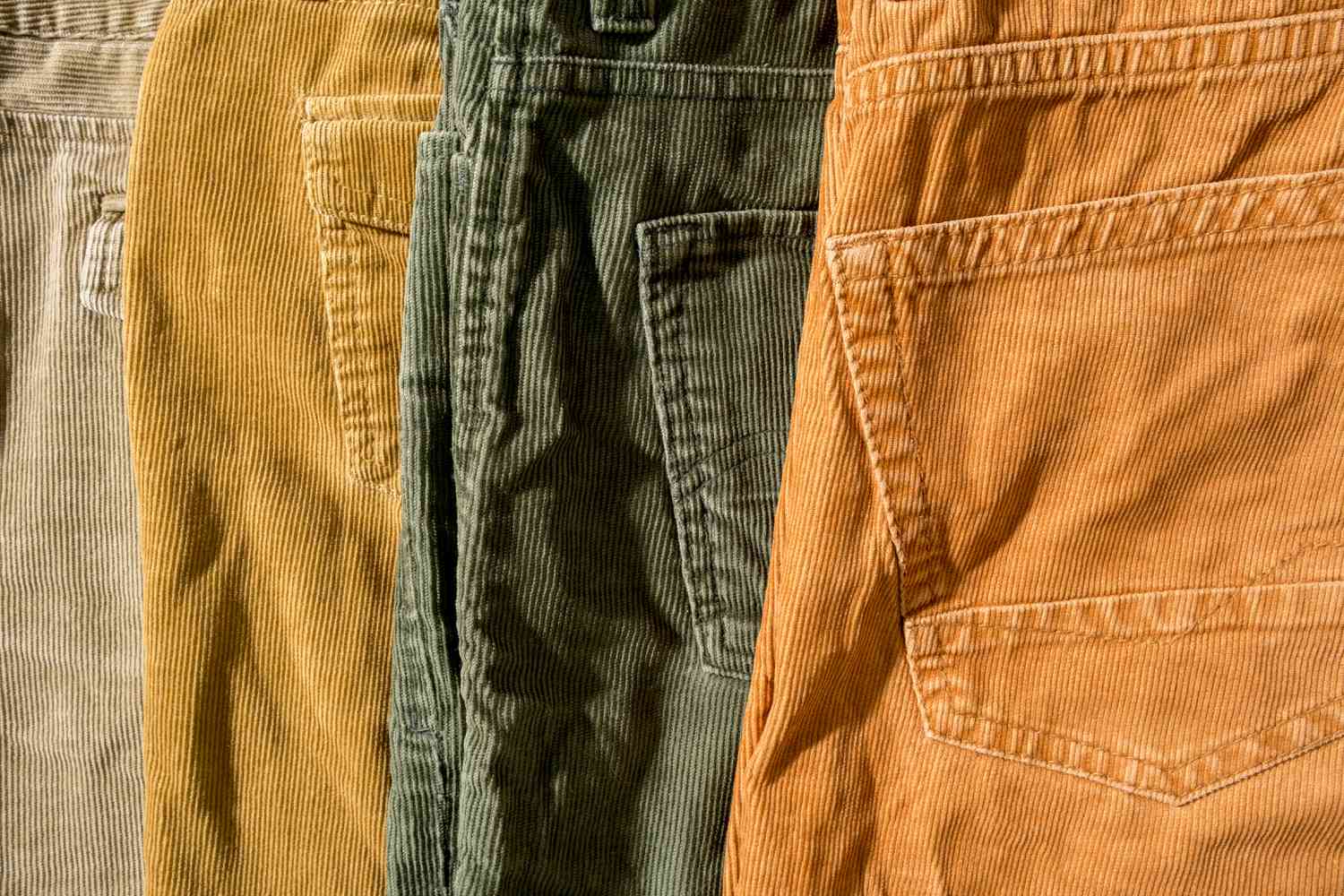
Corduroy is the fabric equivalent of a charming old bookstore: textured, cozy, a little nostalgic, and absolutely capable of collecting every speck of dust within a five-foot radius. It looks polished without trying too hard, feels warm without becoming a blanket, and adds personality to pants, jackets, skirts, shirts, and even throw pillows. But there is one catch: corduroy needs thoughtful care.
If you wash corduroy the same way you wash gym socks, towels, and that one hoodie you practically live in, the fabric may fade, shrink, flatten, or come out wearing a lint sweater it never asked for. The good news? Learning how to wash corduroy is easy once you understand its ribbed texture, also known as wales. Those raised ridges are what give corduroy its famous look and soft hand, but they can also trap lint, crush under high heat, and lose their shape with rough handling.
This guide explains the best way to wash corduroy clothes so they stay soft, clean, colorful, and wearable for years. Whether you own corduroy pants, a vintage corduroy jacket, a button-down shirt, or a favorite fall skirt, the rules are simple: read the label, turn it inside out, use cool water, avoid lint-heavy loads, and dry it gently. Corduroy may look fancy, but it does not need drama. It just needs a little respect.
What Makes Corduroy Different from Other Fabrics?
Corduroy is usually made from cotton, cotton blends, polyester blends, or stretch fabrics that include spandex. What makes it special is the raised pile, arranged in vertical ribs. These ribs are called wales, and the number of wales per inch affects how the fabric feels. Wide-wale corduroy looks chunky and casual, while fine-wale corduroy feels smoother and more refined.
Because corduroy has texture, it behaves differently in the wash than flat cotton or denim. The pile can attract lint, flatten under pressure, and hold onto dust. Dark corduroy can also show fading faster if it is washed too often or exposed to heat. Stretch corduroy needs extra care because heat can weaken elastic fibers, leaving pants baggy in places that should not be baggy. Nobody buys corduroy hoping for surprise knee balloons.
Before You Wash Corduroy: Check the Care Label
The care label is tiny, scratchy, and often written in symbols that look like laundry hieroglyphics, but it matters. Some corduroy garments are machine washable, while structured items such as tailored jackets, lined blazers, or pieces with leather trim may require dry cleaning. If the label says “dry clean only,” believe it. The manufacturer is not being mysterious for fun.
If the label allows machine washing, look for recommended water temperature, cycle type, drying instructions, and ironing limits. When in doubt, choose the gentlest reasonable option: cold water, mild detergent, and low heat or air drying.
How Often Should You Wash Corduroy?
Corduroy does not need to be washed after every wear unless it is visibly dirty, sweaty, stained, or smelly. For corduroy pants, washing every four to five wears is often enough for casual use. Corduroy jackets may need even less frequent washing because they are usually layered over other clothing.
Overwashing can fade color, weaken fibers, and flatten the pile. A smarter routine is to air corduroy between wears, spot-clean small stains, and save full washes for when the garment truly needs one. Think of it as fabric conservation, not laziness. Very sophisticated.
How to Wash Corduroy Step by Step
Step 1: Empty Pockets and Close Fasteners
Before washing corduroy pants or jackets, empty every pocket. Receipts, tissues, gum wrappers, and mystery crumbs can cause chaos in the machine. Close zippers, buttons, and snaps to reduce abrasion. Open zippers can scrape fabric during the wash, and corduroy already has enough texture without adding battle scars.
Step 2: Turn Corduroy Inside Out
This is one of the most important corduroy washing tips. Turning corduroy inside out protects the outer ribs from friction, fading, and matting. It also helps reduce visible lint on the textured side. For dark corduroy pants or richly colored jackets, inside-out washing is especially useful because it helps preserve color.
Step 3: Sort Carefully
Never wash corduroy with towels, fleece, chenille, fuzzy robes, or lint-shedding blankets. Corduroy attracts lint like a celebrity attracts paparazzi. Once lint settles into the ribbed pile, removing it can be annoying and time-consuming.
Wash corduroy with similar colors and similar fabric weights. Dark corduroy should go with dark clothing. Light corduroy should go with light clothing. Heavy corduroy pants should not be tossed in with delicate blouses or thin knits. Good sorting reduces dye transfer, abrasion, lint buildup, and general laundry regret.
Step 4: Use Cold Water
Cold water is usually the safest choice for washing corduroy. It helps reduce shrinking, fading, and fiber stress. Warm water may be allowed for some lighter cotton corduroy items, but cold water is the better default, especially for dark colors, stretch fabrics, and vintage pieces.
Hot water is rarely a good idea for corduroy. It can shrink cotton fibers, weaken stretch blends, and encourage fading. Unless the care label specifically allows warm or hot water for a heavily soiled item, keep things cool.
Step 5: Choose a Gentle or Normal Cycle
Use a gentle, delicate, or normal cycle depending on the garment’s weight and care label. Fine-wale corduroy shirts and skirts usually benefit from a gentle cycle. Sturdier corduroy pants may tolerate a normal cycle, but a gentler wash is still better for long-term care.
Avoid heavy-duty cycles unless the garment is truly rugged and very dirty. Heavy agitation can flatten the pile and create unnecessary wear. Corduroy wants to be cleaned, not wrestled.
Step 6: Use a Mild Detergent
A mild liquid detergent is a smart choice for corduroy. Liquid detergent dissolves easily in cold water and is less likely to leave residue in the ribs. Use the recommended amount; more detergent does not mean cleaner clothes. Too much detergent can leave buildup, dull the fabric, and make the pile feel stiff.
Avoid chlorine bleach unless the care label specifically says it is safe, which is uncommon for colored corduroy. Also be cautious with fabric softener. While it may sound helpful, softener can coat fibers and reduce the natural feel of the pile over time.
Step 7: Do Not Overload the Washer
Corduroy needs room to move. An overpacked washer increases friction, prevents proper rinsing, and can crush the wales. Wash corduroy in a smaller load with similar fabrics. If the drum looks like a suitcase packed by someone leaving for “just three days” with twelve outfits, remove a few items.
Should You Hand Wash Corduroy?
Hand washing is a good option for delicate, vintage, embroidered, or lightly structured corduroy. Fill a basin with cold water, add a small amount of mild detergent, and gently move the garment through the water. Do not twist, scrub aggressively, or wring it like a dish towel.
After soaking for 10 to 20 minutes, drain the water and rinse with fresh cold water until the detergent is gone. Press out excess water by rolling the garment in a clean towel. Then reshape and air-dry. Hand washing takes more time, but it can be the safest method for special corduroy pieces you want to keep looking beautiful.
How to Dry Corduroy Without Ruining It
Drying is where many corduroy disasters happen. High heat can shrink fabric, flatten the pile, and make corduroy feel stiff. The best drying method is usually air drying. Hang jackets and shirts on sturdy hangers, and lay heavier pants flat or drape them over a drying rack to prevent stretching.
If you use a dryer, choose low heat and remove the garment while it is still slightly damp. A short tumble on low can help release wrinkles, but long, hot drying is risky. Once removed, shake the garment gently, smooth the seams, and let it finish drying naturally.
How to Remove Lint from Corduroy
If lint gets on corduroy, do not panic. Start with a lint roller, moving in the direction of the ribs. A soft clothes brush can also help lift dust and lint from the pile. For stubborn lint, lightly dampen your hand and glide it over the surface, again following the direction of the wales.
Avoid aggressive scraping. Corduroy has a raised surface, and rough tools can damage the pile. Prevention is still the best plan: keep corduroy away from towels, fleece, and fuzzy blankets in the wash.
How to Treat Stains on Corduroy
Stains should be handled before washing. Blot spills immediately with a clean cloth. Do not rub hard, because rubbing can push the stain deeper and disturb the pile. For food, mud, or oily spots, apply a small amount of mild detergent or stain remover to the affected area and let it sit briefly before washing.
Always test stain treatments on a hidden area first, especially with dark or brightly colored corduroy. After washing, check the stain before drying. Heat can set stains, making them harder to remove. If the stain remains, repeat the treatment and wash again before using the dryer.
Can You Iron Corduroy?
Ironing corduroy directly on the ribbed side can crush the pile. If ironing is necessary, turn the garment inside out and use a low or medium setting based on the care label. Place a pressing cloth between the iron and fabric for extra protection.
Steaming is often better than ironing. Hang the garment and use a steamer to relax wrinkles without flattening the ribs. You can also hang corduroy in a steamy bathroom for a few minutes, then smooth it by hand. This will not replace a real steamer, but it can help when you are in a hurry and your pants look like they slept in a backpack.
Common Corduroy Washing Mistakes to Avoid
| Mistake | Why It Hurts Corduroy | Better Choice |
|---|---|---|
| Washing with towels | Leaves lint trapped in the ribs | Wash with smooth, similar fabrics |
| Using hot water | Can shrink, fade, or distort the fabric | Use cold water |
| Overloading the washer | Crushes the pile and reduces cleaning | Wash smaller loads |
| Drying on high heat | Can flatten wales and cause shrinkage | Air-dry or tumble dry low |
| Ironing the front directly | May crush the raised texture | Iron inside out or steam |
How to Store Corduroy So It Lasts Longer
Clean corduroy before storing it for a season. Dirt, body oils, and invisible stains can become harder to remove over time. Make sure garments are completely dry before putting them away to prevent odor or mildew.
Hang corduroy jackets and shirts on sturdy hangers. Fold pants along their natural seams and avoid placing heavy items on top of them. Store corduroy in a cool, dry space away from direct sunlight, which can fade color. If you use garment bags, choose breathable fabric bags rather than plastic.
Quick Care Guide for Different Corduroy Items
Corduroy Pants
Turn them inside out, wash in cold water, use a gentle or normal cycle, and air-dry when possible. Brush the pile after drying if the ribs look flattened.
Corduroy Jackets
Check the label carefully. Unlined casual jackets may be washable, but structured or lined jackets may need professional cleaning. Hang to dry and reshape the collar, cuffs, and hem while damp.
Corduroy Shirts
Wash with similar lightweight garments, use cold water, and remove from the washer promptly to prevent deep wrinkles. Hang drying usually works best.
Stretch Corduroy
Avoid heat as much as possible. Wash cold, skip high dryer settings, and air-dry to help preserve elasticity.
Experience Notes: Real-Life Lessons from Washing Corduroy
Corduroy is one of those fabrics that teaches you laundry humility. The first lesson many people learn is that lint is not a small problem; it is a full-blown personality trait. Wash a black corduroy jacket with a white towel once, and suddenly you own a black-and-white speckled jacket that looks like it survived a snowstorm indoors. A lint roller helps, but it never feels as easy as simply preventing the problem in the first place.
One of the best habits is creating a separate mini-load for corduroy. This does not mean running the washer for one lonely pair of pants. It means waiting until you have a few compatible items: dark jeans, smooth cotton shirts, chinos, or other low-lint garments. When corduroy is washed with similar textures, it comes out cleaner, smoother, and far less dramatic. Laundry should not require tweezers and emotional support.
Another lesson is that air drying makes a noticeable difference. Corduroy dried on high heat can feel tighter, rougher, and flatter. The ribs may lose some bounce, especially on fine-wale pieces. By contrast, corduroy that is removed from the washer, gently shaken, reshaped, and hung to dry often keeps its texture better. It may take longer, but the fabric looks more relaxed and expensive. That is a trade worth making, especially for favorite pants or jackets.
Spot-cleaning is also underrated. If you spill a little coffee on a corduroy shirt cuff or get a small mark on the knee of your pants, you may not need a full wash. A gentle blot, a tiny amount of detergent, and a careful rinse can handle small messes while saving the entire garment from unnecessary wear. This is especially useful for dark corduroy, which can fade gradually with frequent washing.
Brushing corduroy after it dries can revive the texture. A soft clothes brush, used in the direction of the ribs, helps lift the pile and remove dust. This small step can make older corduroy look fresher. It is like combing your hair before a photo: technically optional, but usually wise.
For vintage corduroy, caution matters even more. Older garments may have weaker seams, older dyes, or unknown fiber blends. Hand washing or using a delicate cycle in cold water is safer than tossing vintage corduroy into a hot, heavy-duty load. If the piece has sentimental value, unusual trim, lining, or tailoring, professional cleaning may be the better choice.
The biggest experience-based takeaway is simple: corduroy lasts longer when you treat it as textured fabric, not just “regular pants.” Wash it less often, wash it gently, keep it away from lint, and avoid heat. Do that, and corduroy rewards you with years of softness, color, and cozy style. Ignore it, and it will still be wearable, but it may look tired before its time. Corduroy is forgiving, but it has standards.
Conclusion
Knowing how to wash corduroy is really about protecting texture. The ribs, pile, and soft finish are what make corduroy special, so every care step should preserve them. Turn garments inside out, sort them away from lint-shedding fabrics, wash in cold water, use a mild detergent, avoid overloading the machine, and dry with low or no heat. These simple habits help prevent fading, shrinking, lint buildup, and flattened wales.
Corduroy does not need complicated treatment. It just needs gentle handling and a little patience. Wash only when necessary, spot-clean when possible, and store it properly between seasons. With the right routine, your corduroy pants, jackets, shirts, and skirts can stay comfortable, colorful, and stylish long after trend cycles have moved on to something far less cozy.