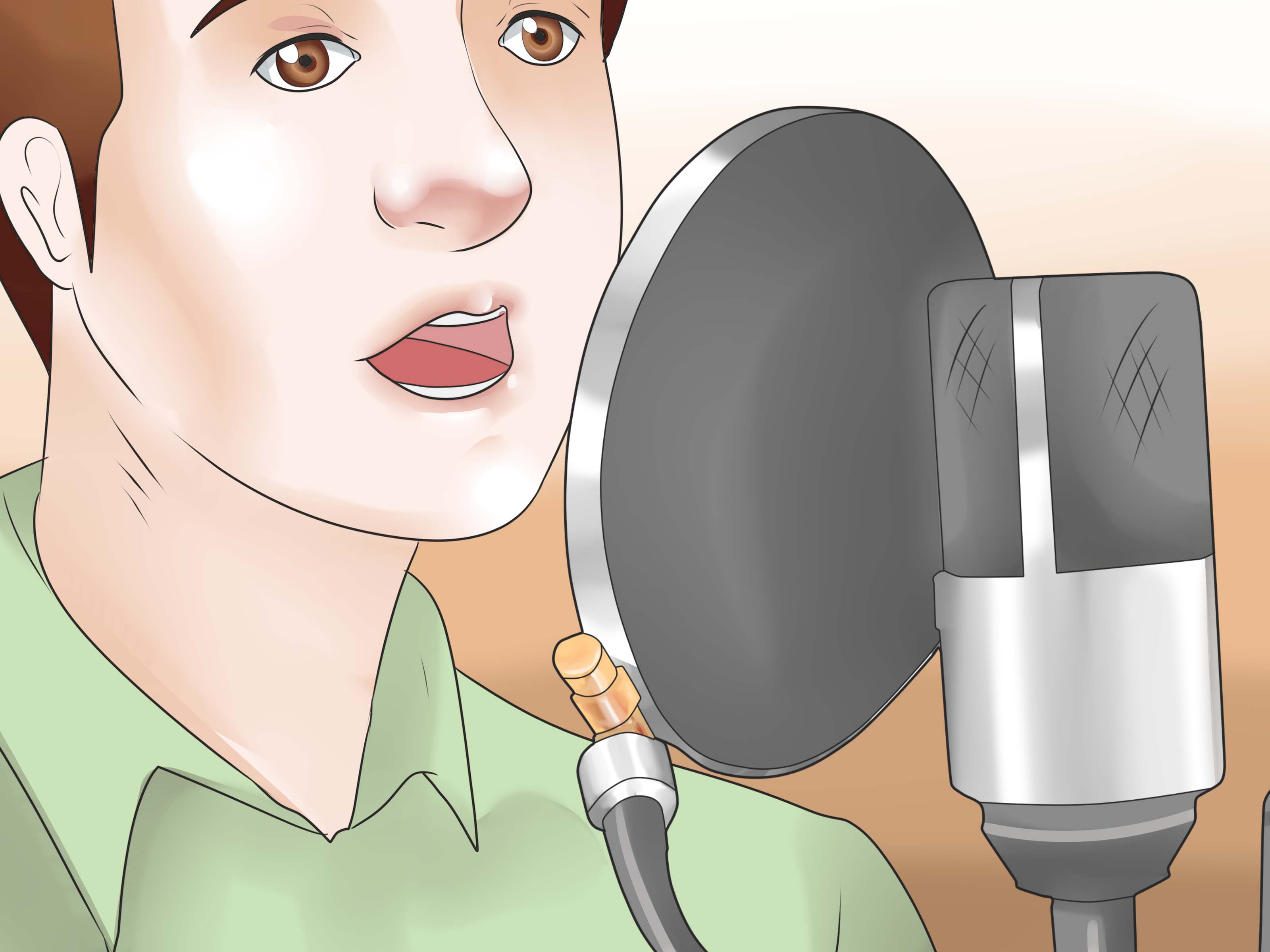
A strong singing voice is not built by shouting louder, chasing high notes like they owe you money, or copying every dramatic riff you hear on TikTok. Real vocal strength comes from coordination: breath, posture, resonance, hydration, smart practice, and the glorious ability to stop before your throat files a formal complaint.
Whether you are a beginner trying to sing on pitch, a choir member preparing for a concert, a worship singer, a musical theater hopeful, or someone who simply wants to sound less terrified during karaoke, the same truth applies: your voice is a living instrument. You do not “install” vocal power. You train it, care for it, and learn how to use it efficiently.
This guide breaks down how to strengthen your singing voice in 14 practical steps. These techniques are based on widely accepted vocal-health principles, singing pedagogy, and medical guidance on protecting the vocal folds. The goal is not to turn you into a human foghorn. The goal is to help you sing with better tone, stamina, control, range, confidence, and less strain.
How Vocal Strength Really Works
Before jumping into exercises, it helps to understand what you are strengthening. Singing happens when air moves from the lungs through the larynx, causing the vocal folds to vibrate. The sound is then shaped by your throat, mouth, tongue, lips, soft palate, and facial resonance spaces. In other words, your voice is part wind instrument, part muscle coordination, part acoustic engineering, and part emotional weather report.
Vocal strength does not mean squeezing the throat. In fact, throat squeezing is usually the villain in this story. A strong singing voice feels supported, flexible, and free. You should be able to sing a phrase without gasping, reach notes without panic, and finish practice without sounding like you just argued with a lawn mower.
How to Strengthen Your Singing Voice: 14 Steps
1. Start With Better Posture
Your voice lives in your body, so your body position matters. Stand tall with your feet about hip-width apart, knees relaxed, shoulders loose, chest comfortably open, and head balanced over your spine. Avoid lifting your chin when singing high notes. That classic “opera giraffe” position may look intense, but it usually tightens the throat.
Good posture gives your lungs and rib cage room to move. It also reduces neck and jaw tension, which can make your tone sound trapped. Try this: stand against a wall with the back of your head, shoulders, and hips lightly touching it. Step away while keeping that long, easy alignment. That is your singer posture: proud but not stiff, alert but not frozen.
2. Learn Diaphragmatic Breathing
Breath is the fuel for singing. Many beginners breathe high into the chest, which creates shallow support and quick fatigue. Instead, practice low, relaxed breathing. Place one hand on your upper chest and one hand around your lower ribs. Inhale silently through your nose or mouth and feel your lower ribs expand outward. Your shoulders should not jump up like they just heard bad news.
Then exhale on a steady “sss” sound for 10 to 20 seconds. Keep the airflow even. This simple breath-control drill trains your body to release air gradually instead of dumping it all at once. Strong singing depends on consistent airflow, not giant emergency breaths before every phrase.
3. Warm Up Before You Sing
Singing full-force without warming up is like sprinting out of bed before your knees have accepted the day. A warm-up prepares the vocal folds and surrounding muscles for more demanding work. Start gently for 10 to 15 minutes before serious singing.
Useful warm-ups include humming, lip trills, tongue trills, gentle sirens, five-note scales, and soft “ng” sounds as in “sing.” Begin in a comfortable range, then gradually move higher and lower. The first goal is ease, not volume. If your warm-up already feels like a wrestling match, your voice is telling you to back off.
4. Use Lip Trills to Build Breath Coordination
Lip trills are one of the best exercises for strengthening your singing voice because they encourage steady breath, relaxed facial muscles, and balanced vocal fold vibration. To do one, let your lips loosely buzz together while making sound, like a gentle “brrr.” If your lips refuse to cooperate, lightly place a finger on each cheek to reduce tension.
Try sliding from a low comfortable note to a higher comfortable note and back down. Then use a simple five-note scale. The trill should feel easy and buzzy, not forced. If the sound stops, you may be holding your breath, pushing too much air, or tightening your lips. Lip trills are basically a lie detector for breath support, but at least they are polite about it.
5. Try Straw Phonation
Straw phonation is a semi-occluded vocal tract exercise, which is a fancy way of saying your mouth is partly closed while you sing. Sing through a straw on a comfortable pitch, then slide gently up and down. The back pressure created by the straw can help the vocal folds vibrate more efficiently.
You can sing simple scales through the straw or place the straw into a cup with a small amount of water and make gentle bubbles while phonating. Keep the bubbles steady, not explosive. This exercise is popular among singers, voice teachers, and voice therapists because it encourages coordination without excessive strain.
6. Build Vocal Strength Gradually
Your vocal folds are delicate tissues, not dumbbells. You strengthen your singing voice by repeating healthy patterns over time, not by attacking difficult songs until something hurts. Start with 15 to 20 minutes of focused practice, especially if you are new. Add time gradually as your stamina improves.
A smart practice session might include five minutes of breathing, ten minutes of warm-ups, ten minutes of technique, and ten minutes of song work. Stop sooner if your voice becomes raspy, tired, or unstable. Consistency beats intensity. Ten calm practices are more useful than one heroic session that ends with you whispering apologies to your larynx.
7. Strengthen Your Middle Range First
Many singers obsess over high notes, but the middle range is where vocal strength is built. Your middle voice helps connect chest voice and head voice, smooths out vocal breaks, and gives your tone more reliability. Practice simple scales on vowels like “ah,” “ee,” “oh,” and “oo” in a comfortable range.
Listen for even tone from note to note. If one vowel feels tight, modify it slightly. For example, a wide “ah” may need to become a slightly narrower “uh-ah” as you ascend. This is not cheating. This is vocal engineering. Professional singers adjust vowels constantly; they just make it look effortless because apparently that is their little magic trick.
8. Improve Resonance Instead of Pushing Volume
A stronger voice is not always a louder voice. Resonance helps your sound carry without forcing. Humming is a great way to feel resonance. Hum a comfortable note and notice vibration around your lips, nose, or cheekbones. Then open to “mah” while trying to keep that forward buzz.
Another exercise is “ng-ah.” Sing “ng” as in “sing,” then open to “ah.” Keep the tone clear and easy. Resonance makes your voice sound richer and more present. Pushing from the throat may create temporary volume, but it often leads to fatigue. Resonance is the smarter microphone built into your face.
9. Train Pitch Accuracy With Slow Scales
Vocal strength includes control. If your pitch wobbles like a shopping cart with one bad wheel, slow scales can help. Use a piano, keyboard app, or pitch-training tool. Sing a five-note scale slowly: do-re-mi-fa-sol-fa-mi-re-do. Focus on landing cleanly on each note.
Record yourself and listen back. Yes, recording yourself can feel like opening a haunted email attachment, but it is one of the fastest ways to improve. You may notice that certain notes are consistently flat or sharp. That information is gold. It tells you where your ear, breath, and muscle coordination need more attention.
10. Practice Dynamics
A strong singer can sing softly, loudly, and everything in between without losing tone quality. Practice a single comfortable note on “ah.” Start quietly, grow gradually louder, then return to quiet. This is called a messa di voce in classical training, but you can call it “the volume sandwich” if that makes practice less intimidating.
The trick is to increase volume without squeezing. Keep your jaw loose, ribs active, and airflow steady. If the note gets shouty, reduce the volume and try again. Dynamic control builds vocal stamina and gives your singing more emotion. After all, not every lyric needs to sound like you are announcing a storm warning.
11. Keep Your Voice Hydrated
Hydration is one of the simplest ways to support vocal strength. Your vocal folds vibrate rapidly when you sing, and they work best when the body is well hydrated. Drink water throughout the day, not just five minutes before singing. Last-minute water is nice, but it is not a magic throat car wash.
Dry air can also irritate the voice, especially in winter or air-conditioned rooms. A clean humidifier may help maintain a more comfortable environment. Limit habits that dry or irritate the throat, such as smoking, heavy alcohol use, and excessive caffeine without enough water. If you take medications that cause dryness, ask a healthcare professional about voice-friendly options.
12. Avoid Singing Through Hoarseness
Hoarseness is not a badge of honor. It is a warning light. If your voice becomes raspy, weak, painful, or unusually low, rest it. Singing through hoarseness can make irritation worse and may contribute to longer-term problems. Also, avoid whispering when your voice is tired. Whispering can create more strain than gentle, quiet speech.
If hoarseness lasts for more than a couple of weeks, keeps returning, or appears without an obvious cold or overuse, it is wise to consult a healthcare professional, especially an ENT or a voice-specialized clinician. Singers should treat persistent voice changes seriously because early care is much easier than repairing damage later.
13. Cool Down After Hard Singing
Most singers remember to warm up, but many forget to cool down. After a long rehearsal, performance, or intense practice, spend five minutes bringing the voice back to neutral. Gentle humming, descending slides, soft lip trills, and easy straw phonation can help reduce tension.
A cool-down is especially helpful after belting, high-energy pop singing, musical theater, gospel, rock, or any style that asks for big emotional delivery. Your vocal folds just worked hard. Give them a graceful exit instead of slamming them directly into loud post-rehearsal conversations about parking.
14. Work With a Good Voice Teacher
You can make progress alone, but a skilled voice teacher can help you improve faster and more safely. A teacher can hear tension, breath issues, vowel problems, and registration habits that you may not notice. They can also choose exercises that fit your voice instead of handing you random drills from the internet buffet.
Look for a teacher who emphasizes healthy technique, clear communication, and gradual progress. If something hurts, a good teacher will not tell you to “push through.” They will adjust the exercise. Singing should require effort, but it should not feel like your throat is trying to escape your body.
Common Mistakes That Weaken the Singing Voice
Practicing Too Long Without Breaks
Long practice sessions can be useful for advanced singers, but beginners often improve faster with shorter, focused sessions. Take breaks, sip water, and pay attention to fatigue. Vocal naps are real. Your voice likes them. Your neighbors may also send a thank-you card.
Copying Another Singer’s Tone
Influence is good. Imitation can be risky. Your favorite singer’s range, anatomy, training, microphone setup, and studio production are not the same as yours. Learn from artists you admire, but build your own healthy sound.
Forcing High Notes
High notes need breath coordination, vowel adjustment, resonance, and gradual conditioning. They do not need panic. If you must lift your chin, squeeze your neck, or shout to reach a note, the note is not ready yet. Train the approach, not just the target.
Ignoring Lifestyle Factors
Sleep, stress, illness, allergies, reflux, exercise, and diet can all affect the voice. A tired body often means a tired voice. If you want stronger singing, take care of the singer, not just the sound.
A Simple Weekly Practice Plan
Here is a beginner-friendly plan for strengthening your singing voice:
- Monday: Breathing drills, lip trills, simple scales, one easy song.
- Tuesday: Straw phonation, humming, resonance exercises, pitch work.
- Wednesday: Light practice or vocal rest if tired.
- Thursday: Warm-up, middle-range scales, dynamics, song phrasing.
- Friday: Breath control, slides, vowel shaping, record-and-review session.
- Saturday: Longer song practice with breaks and a cool-down.
- Sunday: Rest, hydration, listening, and gentle humming only if the voice feels good.
This plan is flexible. The most important rule is to listen to your body. If your voice feels fresh, practice. If it feels tired, reduce intensity. If it hurts, stop.
Experience-Based Tips for Strengthening Your Singing Voice
One of the most useful lessons singers learn is that vocal improvement rarely feels dramatic day by day. It is more like watching a plant grow. You water it, give it light, avoid stepping on it, and one day you realize it has become stronger. The same happens with singing. A scale that once felt awkward suddenly feels smooth. A note that used to crack becomes reliable. A phrase that left you breathless starts to feel manageable.
A practical experience many singers share is the shock of hearing themselves recorded. At first, playback may feel rude. You may hear breathiness, pitch issues, unclear words, or tension you never noticed while singing. But recording is not there to insult you. It is there to show you the truth. Use short recordings once or twice a week. Choose one thing to improve, such as cleaner vowels or steadier breath, instead of trying to fix everything at once.
Another real-world tip is to practice songs in pieces. Beginners often sing a full song repeatedly and wonder why the same difficult spot keeps falling apart. Instead, isolate eight measures. Speak the rhythm. Sing it on a lip trill. Sing it on one vowel. Then return to the lyrics. This turns practice into training rather than emotional repetition with background music.
Hydration also becomes more obvious through experience. Many singers notice that drinking water only during rehearsal does not help as much as staying hydrated all day. The voice often feels better when hydration is consistent, sleep is decent, and meals are not too heavy right before singing. A giant spicy dinner before a high-note practice session may be delicious, but your reflux-prone larynx may compose a strongly worded ballad about betrayal.
Breath support is another area where experience changes understanding. At first, singers may think support means tightening the stomach. Over time, they discover it is more about flexible resistance: the ribs stay gently expanded, the lower body remains active, and the throat stays free. Good breath support feels stable, not rigid. It is less “brace for impact” and more “controlled release.”
Many singers also learn that rest is part of training. If you sing hard every day without recovery, your voice may become less responsive. A rest day does not mean you are lazy. It means you are allowing tissue and coordination to recover. Athletes do this. Singers should too. Your voice is not a machine; it is living tissue attached to your whole nervous system, mood, sleep schedule, and hydration habits.
Confidence grows through small wins. Sing one song in a comfortable key before attempting the heroic version. Lowering a key is not failure. It is musicianship. Professional singers change keys all the time to suit their voice, the setlist, the venue, or their health that day. The best key is the one that lets you communicate the song beautifully without vocal drama.
Finally, remember that strengthening your singing voice is not about becoming someone else. Your voice has its own color, weight, range, and personality. Training helps remove obstacles so that your natural sound can become clearer, stronger, and more expressive. The goal is not perfection. The goal is freedom: the freedom to sing with control, emotion, stamina, and joy.
Conclusion
Strengthening your singing voice is a long game, but it is not a mysterious one. Build good posture, breathe efficiently, warm up, use gentle exercises like lip trills and straw phonation, practice consistently, hydrate, rest when needed, and avoid forcing your voice through pain or hoarseness. Add patient technique work, smart song practice, and guidance from a qualified teacher when possible, and your voice will become stronger in a way that actually lasts.
The best singers are not the ones who punish their voices into obedience. They are the ones who understand how the voice works and train it with respect. Treat your voice like an instrument, an athlete, and a slightly dramatic roommate. Care for it well, and it will show up for you.
SEO Tags
Note: This article is for educational purposes and vocal development. If you experience persistent hoarseness, pain, sudden voice loss, breathing difficulty, or repeated vocal fatigue, consult a qualified healthcare professional or voice specialist.