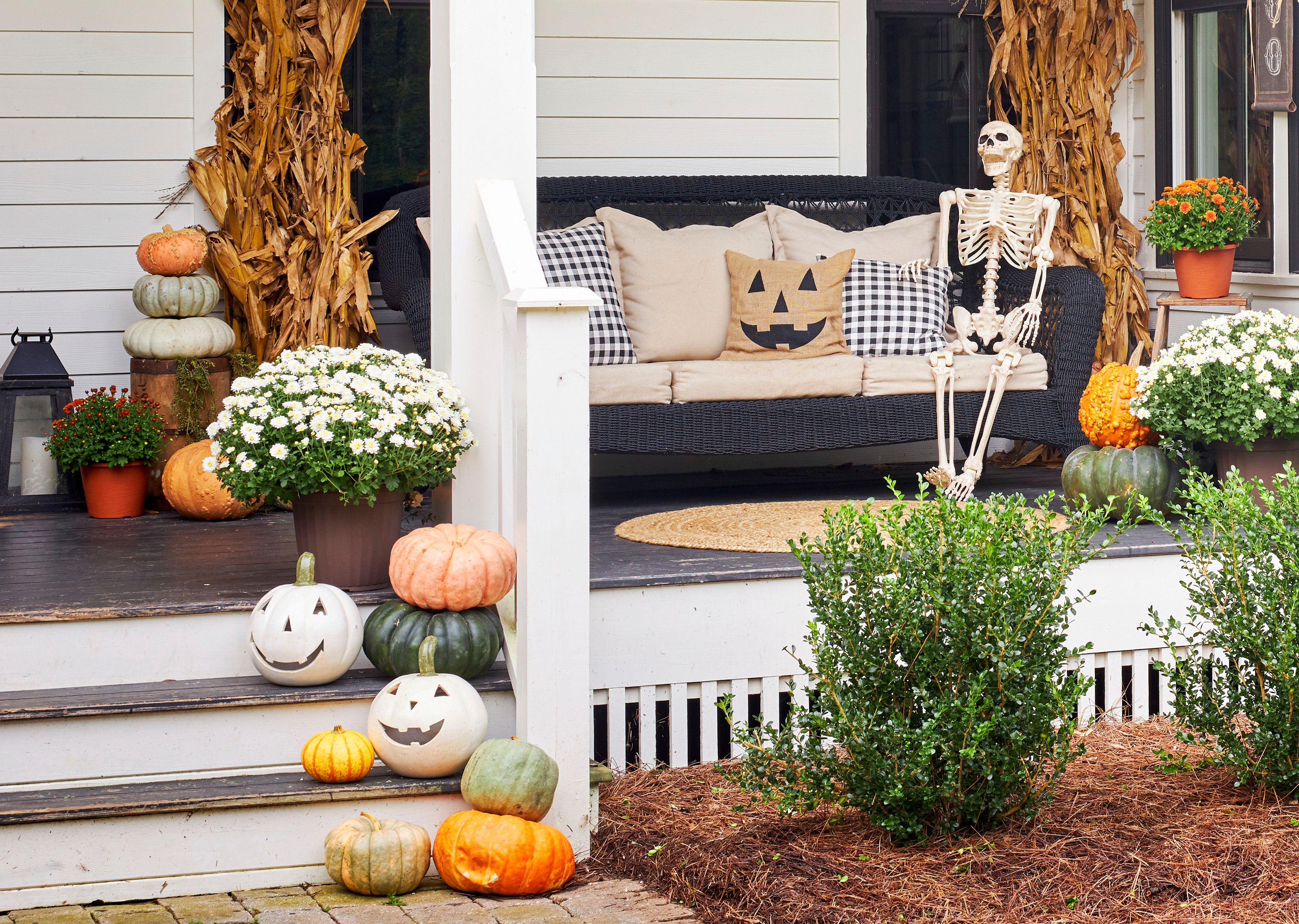
Fall decorating has a way of making all of us feel like we suddenly own a charming farmhouse, a flannel collection, and a front porch worthy of a glossy magazine spread. Then reality barges in: one pumpkin turns mushy, another collapses into orange soup, and the prettiest jack-o’-lantern on the block starts looking like it has seen things. Tragic. Seasonal. Slightly slimy.
If you want your pumpkins to last longer, placement matters more than most people realize. It is not just about choosing a cute pumpkin. It is about choosing the right spot for that pumpkin to live out its little autumn destiny. Heat, moisture, poor airflow, freezing nights, and even the surface underneath your display can speed up decay. In other words, your pumpkin is not being dramatic. It is reacting to bad real estate.
This guide breaks down six places you should never put your pumpkins if you want them to stay firm, festive, and front-porch-photo-ready for as long as possible. Along the way, you will also get practical tips on how to keep pumpkins from rotting, where to place them instead, and what warning signs mean your display is headed straight for the compost pile.
Why Pumpkin Placement Matters More Than You Think
Whether your pumpkin is carved or uncarved, it is still produce. It may look sturdy, but it is not a plastic decoration with a cheerful stem. A pumpkin’s skin helps protect it, but once it is exposed to too much sun, trapped moisture, extreme temperatures, or damage from rough surfaces, the breakdown process speeds up fast. Carved pumpkins are even more delicate because cutting into the rind gives bacteria and fungi a much easier way in.
That means the wrong display spot can shorten your pumpkin’s life by days. Sometimes by a lot. So before you lovingly line your steps with pumpkins and mums and stand back to admire your masterpiece, make sure you are not accidentally creating the ideal conditions for rot, mold, shriveling, or one deeply upsetting puddle.
1. Never Put Pumpkins in Direct, All-Day Sun
The problem with the “sunny front step” look
A bright front stoop may look perfect for your fall display, but direct sunlight is one of the fastest ways to ruin a pumpkin. Heat dries out the rind, speeds up softening, and encourages the kind of breakdown that turns a cheerful orange pumpkin into a wrinkled little raisin with commitment issues. For carved pumpkins, direct sun is even worse because exposed flesh loses moisture quickly and starts to slump.
This is especially true in warmer climates or during those sneaky autumn heat waves when it still feels like late summer by noon. A pumpkin sitting in strong afternoon sun can go from “adorable harvest moment” to “why is it caving in?” faster than you can say pumpkin spice.
Where to put pumpkins instead
A shaded porch, a covered entry, or a spot that gets bright but indirect light is much better. If your porch gets blasted by afternoon sun, try moving pumpkins closer to the house where they get some protection. The goal is simple: keep pumpkins cool, dry, and out of direct heat.
2. Never Put Pumpkins Where Rain Can Soak Them
Why uncovered outdoor spots are risky
Pumpkins and standing moisture are not a dream team. Rainwater can collect in carved openings, sit in stem creases, soak the bottom of the pumpkin, and create the perfect conditions for mold and mush. Even uncarved pumpkins can start deteriorating faster when they stay wet for long periods. A porch that looks breezy and open may actually be a disaster zone if your display gets drenched every time the weather turns.
And let us be honest: soggy pumpkins are not just short-lived. They are gross. A wet pumpkin can soften from the bottom up, which means it may look perfectly fine until the day you try to move it and discover it has become one with your porch.
Where to put pumpkins instead
Choose a covered porch, a sheltered stair landing, or an overhang-protected area where rain cannot sit on the pumpkin for hours. If heavy rain is in the forecast, bring carved pumpkins inside temporarily. Think of it as weather-related pumpkin relocation, not overprotective behavior.
3. Never Put Pumpkins Directly on Grass, Soil, or Damp Mulch
The bottom rot problem is very real
Putting pumpkins directly on the ground may look rustic in an apple-orchard kind of way, but it often shortens their life. Grass, soil, and mulch can hold moisture against the bottom of the pumpkin, and that trapped dampness encourages spoilage. The same goes for areas where dew settles overnight and everything stays damp into the morning.
This is one of those mistakes people do not notice until it is too late. From the top, the pumpkin still looks charming. Underneath, however, it may already be softening, discoloring, or growing mold. It is the decorative version of judging a book by its cover, except the book is rotting on your lawn.
Where to put pumpkins instead
Use a crate, plant stand, brick, tray, slate tile, or even a sturdy board to keep the pumpkin slightly elevated and dry. That small lift helps improve airflow and keeps moisture from getting trapped underneath. If you love the look of pumpkins in garden beds, place them on a stable, dry surface rather than straight onto the soil.
4. Never Put Pumpkins in a Tight Pile or Cramped Corner
Why crowding speeds up decay
Pumpkins may look cute when stacked, jammed together, or tucked tightly into a corner with hay bales, lanterns, cornstalks, and every other fall prop you own. But when pumpkins are crammed together, airflow drops and moisture becomes more likely to collect on their surfaces. Crowding can also create extra warmth, especially if the display gets sun during part of the day.
In practical terms, pumpkins need breathing room. When they touch too closely, one soft spot can affect the display faster, and if one pumpkin starts going bad, the rest of the setup can turn into a tiny neighborhood of decay.
Where to put pumpkins instead
Arrange pumpkins in a single layer when possible, or leave some space between them so air can move around each one. You can still get that lush, layered look without turning your entryway into a pumpkin traffic jam. Group them artfully, not aggressively.
5. Never Put Pumpkins Near Fireplaces, Heat Vents, Radiators, or Other Warm Indoor Spots
Indoor heat is sneakier than outdoor heat
People often assume indoor displays are always safer, but a pumpkin parked near a heat source is basically living in a slow cooker. Warm, dry indoor air can accelerate shriveling, soften the rind, and make carved pumpkins collapse faster. A pumpkin on the hearth may look wonderfully cozy in theory, but if there is active heat nearby, it is not doing your decor any favors.
The same warning applies to sunny windowsills, radiators, baseboard heaters, and forced-air vents. If warm air regularly blows across your pumpkin, it will age like milk, not fine wine.
Where to put pumpkins instead
Choose a cool room with decent airflow and no major heat source. Entry tables, covered porches, mudrooms, and cool corners tend to work better than fireplace surrounds. If you are displaying a carved pumpkin indoors, use a battery-operated candle instead of a real flame. It looks festive, skips the soot, and does not add extra heat from the inside out.
6. Never Put Pumpkins Outside During Freezing Nights or Wild Temperature Swings
Cold can be just as damaging as heat
People usually worry about pumpkins rotting in warm weather, but freezing temperatures can wreck them too. When a pumpkin freezes, its tissue can become damaged. Once it thaws, that damaged tissue breaks down quickly, which means the pumpkin may turn soft, leaky, and sad-looking in a hurry. Not spooky. Just unfortunate.
Even if it does not hit a hard freeze, repeated swings between chilly nights and warmer daytime temperatures can stress the pumpkin and shorten its display life. Carved pumpkins are especially vulnerable because their exposed surfaces have less protection.
Where to put pumpkins instead
If the forecast calls for frost or freezing temperatures, move pumpkins into a garage, enclosed porch, basement, or cool indoor area overnight. Then bring them back out when temperatures recover. It may feel high-maintenance, but so is replacing a collapsed jack-o’-lantern every few days.
Bonus Mistake: Do Not Treat a Pumpkin Like Permanent Decor
A pumpkin is not a ceramic gourd. It does not want to live on your porch from Labor Day through Thanksgiving while enduring blazing sun, sideways rain, and three surprise cold snaps. Even the best-placed pumpkins have limits. If yours is carved, think in days, not forever. If it is uncarved and well cared for, you can get much more time out of it, but placement still makes a huge difference.
Signs Your Pumpkin Is in the Wrong Spot
If you are not sure whether your current setup is working, your pumpkin will usually tell you. Watch for these signs:
- Wrinkling or shriveling, especially on the sunny side
- Soft spots on the bottom or around the stem
- Mold, fuzz, or damp patches
- A sour smell or visible leaking
- Rapid collapse after a hot day or freezing night
- Bug or critter damage, especially if the display is easy to reach
If you catch problems early, you may be able to move the pumpkin to a better location and buy yourself a little more time. If it smells terrible, feels mushy, or looks like it belongs in a haunted compost heap, it is time to let go.
The Best Places to Put Pumpkins Instead
So where should pumpkins go? In general, the best pumpkin display spots are:
- Covered porches with plenty of shade
- Cool indoor spaces away from heaters
- Dry stoops with a riser, tray, or board underneath
- Open arrangements with space for airflow
- Sheltered entryways protected from rain and frost
If you remember just one thing, make it this: pumpkins last longest when they stay cool, dry, and off damp surfaces. That one rule eliminates most of the common pumpkin-placement mistakes in one go.
Conclusion
The secret to making your fall display last is not a magic spray or a miracle hack. It is smarter placement. Avoid direct sun, wet weather, damp ground, cramped displays, indoor heat sources, and freezing nights, and your pumpkins will have a much better shot at making it through the season looking fresh instead of feral.
In other words, your pumpkins do not need a perfect life. They just need better housing. Give them a dry, shaded, well-ventilated spot, and they will reward you by staying cute a whole lot longer.
Experience: What I Learned the Hard Way About Pumpkin Placement
A few years ago, I decided I was going to create the kind of front porch that makes strangers slow down while driving by. You know the look: stacked pumpkins, lanterns, mums, a plaid throw that no one would ever actually use outdoors, and just enough rustic charm to suggest I bake pies from scratch and own matching serving platters. I bought beautiful pumpkins in different shapes and sizes, brought them home like prized treasure, and arranged them with the confidence of a person who had watched exactly three fall decorating videos and learned absolutely nothing practical from any of them.
My first mistake was putting the biggest pumpkins right on the front steps, where they got hammered by afternoon sun. By day three, one side looked sunken and tired, like it had just completed a double shift. Then it rained. Not a light, cinematic autumn drizzle. A full-on soaking rain. Water pooled around one carved pumpkin, and by the next morning it had the expression of a vegetable that regretted every life choice that brought it to my porch.
Because I am apparently a person who learns through chaos, I made another mistake the following week. I moved a few pumpkins into the corner by the front railing where I thought they would be “protected.” What they actually were was crowded. No airflow, too much moisture, and one hidden soft spot later, that little cluster turned into a quiet science experiment. From the walkway, it still looked charming. Up close, it was less “cozy cottage” and more “mild biohazard.”
Then came the cold snap. I left two carved pumpkins outside overnight because I was tired and because optimism is a dangerous thing in October. The next day, after temperatures dropped hard and then warmed up again, both pumpkins collapsed into a texture I can only describe as savory pudding. That was the moment I realized pumpkins are not difficult, exactly. They are just picky roommates. They hate heat. They hate dampness. They hate freezing. They hate being smushed together. Honestly, they are a little relatable.
Since then, I have become much smarter about placement. I keep uncarved pumpkins on risers or trays, tuck them into shaded areas, and bring carved ones in when the weather swings too far in either direction. I leave breathing room between each pumpkin instead of trying to cram every single decorative item into one overloaded display. And if I want a glowing jack-o’-lantern indoors, I keep it away from vents and use battery lights instead of anything that adds heat.
The difference is dramatic. My pumpkins last longer, the porch stays cleaner, and I no longer have to perform emergency pumpkin removal while pretending to neighbors that everything is fine. So yes, a pumpkin seems simple. But if you put it in the wrong place, it will absolutely humble you. The good news is that once you know what spots to avoid, the rest of fall decorating gets much easier.