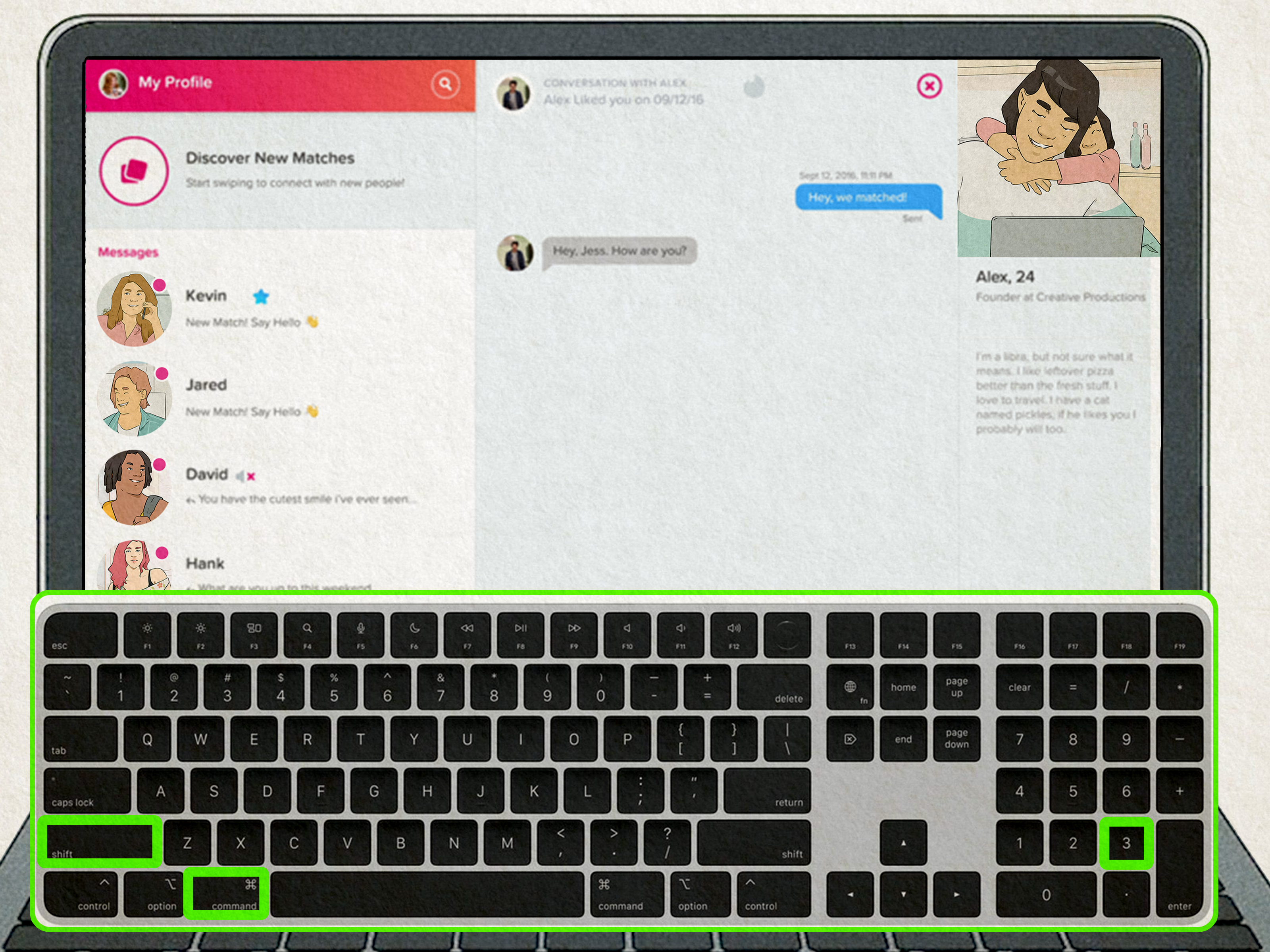
Let’s set the scene: you’re on Bumble, someone sends a message so funny, strange, charming, or “please help me decode this” that your thumb instinctively reaches for the screenshot buttons. Then panic arrives wearing a tiny detective hat. Wait… does Bumble notify about screenshots?
The short answer is: No, Bumble does not currently notify users when you take screenshots of profiles, photos, chat messages, prompts, bios, or most visible in-app content. There is no known Bumble screenshot notification that alerts the other person when you capture what is on your screen.
That answer sounds simple, but the privacy question behind it is much bigger. Just because Bumble does not send a screenshot alert does not mean screenshots are always harmless. Dating apps are personal spaces. People share names, photos, dating preferences, jokes, awkward openers, and sometimes details they would never want passed around like a group-chat appetizer.
This guide answers the big questions clearly: can someone see if you screenshot their Bumble profile, does Bumble notify about chat screenshots, what happens if you screenshot a match, and how should you handle screenshots respectfully?
Does Bumble Notify About Screenshots?
No. As of the latest available information, Bumble does not notify someone when you screenshot their profile, chat, photos, bio, prompts, or match screen. If you take a screenshot on your phone, the other person does not receive a push notification, in-app alert, email, badge, siren, carrier pigeon, or dramatic “your match has captured your pixels” warning.
This applies to Bumble Date, and the same general logic is commonly understood for visible profile or conversation content on Bumble’s app and web experience. If you can see it on your screen, your device can usually capture it without Bumble informing the other person.
What Bumble Does Notify Users About
Bumble notifications are generally related to app activity: new matches, messages, profile activity, reminders, and other engagement-based updates. Screenshot alerts are not part of Bumble’s listed notification categories.
In plain English: Bumble may tell you someone matched with you, messaged you, liked you, or interacted with your profile in ways the app is designed to track. It does not appear to tell users when someone takes a screenshot.
Can Someone See If You Screenshot Their Bumble Profile?
No. If you screenshot a Bumble profile, the person whose profile you captured will not know through Bumble. They will not receive a notification saying you saved their photo, bio, job title, school, interests, or that mysteriously popular “two truths and a lie” prompt.
That said, this does not make every screenshot a great idea. A Bumble profile is public within the app’s matching environment, but it is not necessarily meant to be redistributed across social media, private forums, workplace chats, or “look at this person” gossip threads. A good rule is simple: screenshot for safety, memory, or advice; avoid screenshotting to mock, expose, or embarrass.
Does Bumble Notify When You Screenshot a Chat?
No. Bumble does not currently notify a match if you screenshot your conversation. If someone sends you a message and you save it, they will not receive an alert.
This is useful in some situations. For example, screenshots can help if a match sends threatening, harassing, scammy, or inappropriate messages. Having a record may help you explain what happened when reporting the person to Bumble or, in serious situations, to appropriate authorities.
However, screenshots of private conversations should be handled carefully. A funny opener shared with one close friend for advice is very different from posting a stranger’s messages publicly with their name, face, workplace, and location visible. One is social troubleshooting. The other can turn into a privacy problem with a Wi-Fi connection.
Does Bumble Notify About Screen Recording?
Bumble does not appear to notify users about screen recordings either. If your device records the screen while you scroll through a profile or chat, Bumble is not known to send an alert to the other person.
Still, screen recording can capture more personal information than a single screenshot. It might include usernames, photos, prompts, messages, timestamps, locations, or accidental details from your own device. Before recording anything, ask yourself why you need it and where it will be stored. Your camera roll can become a tiny museum of questionable decisions if you are not careful.
Why People Take Bumble Screenshots
Not all screenshots are dramatic. Some are practical, harmless, or safety-related. Here are common reasons people screenshot on Bumble:
1. Asking Friends for Advice
Dating app communication can feel like reading ancient poetry written by someone holding a smoothie. People screenshot bios and messages to ask friends, “Is this flirty, weird, or am I overthinking?” A second opinion can help, especially when you are trying to decide whether a message is charming or a red flag wearing cologne.
2. Saving a Funny Profile
Some Bumble profiles are genuinely funny. A clever prompt, a chaotic dog photo, or a bio that says “I make excellent pancakes and medium life choices” may be worth saving for a laugh. Just remember: funny does not automatically mean fair game for public posting.
3. Keeping Evidence of Bad Behavior
If someone is harassing you, pressuring you, threatening you, sending explicit content without consent, asking for money, or trying to move the conversation suspiciously fast off the app, screenshots can be useful documentation.
4. Remembering Details Before a Date
Some people screenshot a profile before meeting so they remember the person’s name, interests, or date plans. This can be practical, especially if you are juggling multiple conversations and do not want to open with, “So, remind me, are you the rock climber or the sourdough guy?”
Is It Okay to Screenshot Bumble?
Technically, yes. Ethically, it depends on what you do with the screenshot.
A screenshot for personal reference, safety, or private advice is usually understandable. A screenshot used to shame, harass, identify, or ridicule someone is not. Dating apps already require vulnerability. People are putting themselves out there, often with real photos, real jobs, real neighborhoods, and real hopes. Treat that information like you would want yours treated.
A Simple Screenshot Test
Before taking or sharing a Bumble screenshot, ask yourself:
- Am I taking this for safety, clarity, or advice?
- Would I be uncomfortable if someone shared a similar screenshot of me?
- Can I crop out the person’s name, face, workplace, or location?
- Am I sharing this privately or publicly?
- Could this embarrass, expose, or harm the other person?
If your answers make you squirm, do not share it. Your conscience is not a pop-up ad; sometimes it is actually useful.
Can Bumble Detect Screenshots?
Most modern phones allow apps to detect screenshots in certain technical contexts, but detection and notification are not the same thing. Some apps, especially those focused on disappearing media, use screenshot alerts as a privacy feature. Bumble does not currently operate like that for standard profiles and chats.
The important distinction is this: Bumble may be able to moderate content, review reports, analyze suspicious behavior, or enforce community guidelines, but it does not appear to provide a user-facing screenshot notification system. In other words, the app’s safety tools focus more on reporting, blocking, verification, moderation, and harmful behaviornot alerting users every time a screen capture happens.
What About Bumble Photos?
Bumble does not notify users when you screenshot profile photos. If you save someone’s picture by taking a screenshot, they will not know through the app.
But photos are sensitive. A dating profile photo may show someone’s face, home, gym, school, workplace, car, pet, or favorite hiking trail. Those details can reveal more than people realize. If you share a screenshot, consider blurring identifying information. Better yet, avoid sharing the image unless there is a clear reason.
Can You Screenshot Bumble Without Them Knowing?
Yes, you can screenshot Bumble without the other person knowing through Bumble. This includes screenshots of profiles, pictures, bios, prompts, and conversations.
However, “without them knowing” should not be your main goal. A healthier mindset is: “Can I handle this screenshot responsibly?” Privacy is not just about what an app allows. It is also about how people behave when no notification is watching.
Does Bumble Notify If You Share a Profile?
Bumble offers ways to interact with profiles inside the app, but screenshotting and sharing are different from official in-app activity. If you manually screenshot a profile and send it to a friend, Bumble does not notify the person in the screenshot.
If you are sharing because you want a friend’s opinion, crop the image. Remove the person’s name, workplace, school, and exact location if visible. Your friend can still help you decide whether “I’m fluent in sarcasm” is a personality or a warning label.
Does Bumble Notify If You Report Someone?
No. Reporting on Bumble is designed to be private. If you report or block someone, Bumble does not tell that person that you personally filed a report against them. Bumble may review the case and take action if it finds a violation, but your identity as the reporter is not supposed to be revealed to the reported user.
This matters because many people hesitate to report uncomfortable behavior. They worry the person will retaliate, argue, or somehow know it was them. Bumble’s reporting system is built to encourage users to flag harassment, scams, inappropriate content, fake profiles, hate, threats, and safety concerns without turning the process into a courtroom drama.
When Screenshots Are Actually Helpful
Screenshots can be useful when something goes wrong. If a match sends abusive messages, asks for money, pressures you to move off the app immediately, shares suspicious links, or makes threats, screenshots can preserve context.
If you need to report someone, helpful screenshots usually include:
- The full conversation, not only one isolated sentence
- The person’s profile name and visible profile details
- Dates or timestamps, if available
- Any threatening, explicit, coercive, or scam-related language
- Evidence before unmatching, deleting, or blocking, when safe to capture
Do not take screenshots of illegal sexual content, especially anything involving minors. In those cases, avoid saving or sharing the material and report it through the appropriate platform and legal channels.
Privacy Tips Before You Screenshot or Share
Dating app privacy is a two-way street. You may worry about whether someone knows you took a screenshot, but remember: other people can screenshot your profile too. Since Bumble does not notify screenshots, assume anything you post could be saved by someone else.
Protect Your Own Bumble Profile
- Avoid posting your exact workplace if you are not comfortable with strangers knowing it.
- Do not include your home address, apartment building, or daily routine.
- Be careful with photos that reveal license plates, school IDs, badges, or street signs.
- Use profile prompts that show personality without giving away private information.
- Keep financial details, family details, and sensitive personal history out of early chats.
Share Screenshots More Safely
- Crop out faces and names when possible.
- Blur workplaces, schools, locations, and social handles.
- Do not post private chats publicly for entertainment.
- Never use screenshots to threaten, shame, blackmail, or pressure someone.
- Delete old screenshots you no longer need.
How Bumble Compares With Apps That Do Notify Screenshots
Some social apps notify screenshots in certain situations, especially when disappearing photos, temporary messages, or private media are involved. That is why people get confused. They assume all apps work the same way. They do not.
Bumble is closer to apps where visible profile and chat content can be screenshotted without alerting the other user. This makes it easier to save information for safety or advice, but it also means users must be more careful about what they share.
Common Questions About Bumble Screenshots
Does Bumble notify screenshots of messages?
No. Bumble does not currently notify users when a match screenshots chat messages.
Does Bumble notify screenshots of profile pictures?
No. If you screenshot someone’s Bumble photos, they will not receive an alert.
Does Bumble notify screenshots on iPhone?
No. Bumble does not notify screenshots taken on iPhone.
Does Bumble notify screenshots on Android?
No. Bumble does not notify screenshots taken on Android devices.
Does Bumble notify screenshots on Bumble Web?
No. Bumble is not known to notify users if you capture visible content from Bumble Web.
Can someone tell if I saved their Bumble photo?
Not through Bumble. If you save a photo by screenshotting it, Bumble does not notify the person.
Will Bumble ban me for taking screenshots?
Taking a screenshot itself is not generally treated as a ban-worthy action. What matters is how the screenshot is used. Harassment, impersonation, threats, non-consensual sharing of intimate images, scams, or privacy abuse can violate platform rules and may lead to account action.
Real-Life Examples: Good Screenshot vs. Bad Screenshot
Good Example: Safety Documentation
A match sends aggressive messages after you say you are not interested. You screenshot the conversation, report the profile, block the user, and keep the screenshots in case the behavior continues. That is a reasonable use.
Good Example: Private Advice
You are unsure whether a message sounds suspicious. You crop out the person’s face and name, send the text to a trusted friend, and ask for advice. That is a privacy-conscious way to get a second opinion.
Bad Example: Public Mockery
You screenshot someone’s profile, leave their face and workplace visible, and post it online with a sarcastic caption. That may feel like a joke to you, but it can expose and humiliate another person.
Bad Example: Pressure or Threats
You screenshot private messages and threaten to send them to someone’s employer, family, or social circle unless they respond to you. That is not “dating app drama.” That is abusive behavior.
What to Do If Someone Shares Your Bumble Screenshot
If someone shares your Bumble profile or conversation without your permission, first take a breath. Then document what happened. Save links, screenshots, usernames, dates, and any messages connected to the sharing.
If the content was shared on Bumble, report it in the app. If it was shared on another platform, report it there too. If the screenshot includes threats, stalking, intimate images, doxxing, or harassment, consider contacting local authorities or a trusted support organization.
You may also want to update your Bumble profile to remove identifying details. This does not mean you did anything wrong. It simply reduces the amount of information available to strangers.
How to Report Someone on Bumble
If someone makes you uncomfortable, you can report them directly from their profile or conversation. Bumble usually allows users to choose a reason, add details, and submit the report for review. You can also block the person so they cannot continue contacting you through the app.
Use reporting for behavior such as:
- Harassment or repeated unwanted messages
- Threats, intimidation, or abusive language
- Fake profiles or catfishing
- Scams, money requests, or suspicious links
- Unsolicited sexual content
- Hate speech or discrimination
- Underage users
- Offline safety concerns connected to a match
Experiences Related to Bumble Screenshots
Most Bumble screenshot stories fall into three categories: advice, safety, and regret. The advice category is the most common and usually the least dramatic. Someone matches with a person who seems promising, then receives a message that could be interpreted in twelve different ways depending on caffeine level. They screenshot it, send it to a friend, and ask, “Is this cute or weird?” The friend replies with a full courtroom analysis, three emojis, and absolutely no legal credentials. This is the modern dating committee at work.
In these cases, screenshots can actually reduce anxiety. Dating apps move quickly, and tone is hard to read. A message like “You seem dangerous” could be playful flirting, a bad joke, or a sign to exit the chat immediately. Getting a second opinion can help people avoid overreacting or ignoring a real red flag. The respectful version is to crop out identifying details. Your friend does not need to know the person’s full name, employer, school, or exact distance from your apartment to help you interpret a message.
The safety category is more serious. Many users have learned to screenshot before reporting or unmatching because conversations can disappear, accounts can change, and details are easy to forget. If someone sends threatening messages, pushes for money, refuses boundaries, or tries to move the chat to another platform too quickly, screenshots can preserve useful context. This does not mean you need to become a private investigator with a trench coat and a notes app. It means that when something feels unsafe, keeping a record can help you explain what happened clearly.
Then there is the regret category. This happens when someone screenshots a profile or message for laughs and shares it too widely. Maybe it starts in a small group chat. Then someone forwards it. Then another person posts it somewhere else. Suddenly, a private dating profile is floating around without context. The original sharer may say, “I didn’t mean anything by it,” but intention does not erase impact. A person’s dating life is personal, and public embarrassment can affect their work, relationships, and emotional wellbeing.
Another common experience involves people realizing that they are not only screenshot-takers; they can also be screenshotted. That realization changes how many users build their profiles. They stop listing overly specific workplaces. They remove photos taken outside their apartment building. They avoid mentioning exact routines like “I’m at Central Park every morning at 7.” The goal is not to become mysterious to the point of sounding like a witness protection brochure. The goal is to share enough personality to connect while keeping sensitive details private.
Some users also screenshot profiles before first dates for practical safety. They may send a friend the person’s first name, profile image, and date location. This can be a smart step, especially when meeting a stranger from any dating app. The key is to share only with someone trusted and only for safetynot for gossip or public commentary.
The biggest lesson from these experiences is simple: Bumble may not notify screenshots, but people should behave as if privacy still matters. Screenshots are powerful because they turn a temporary interaction into a permanent object. That object can protect you, help you think clearly, or make someone laugh privately. It can also embarrass, expose, or harm someone when used carelessly.
So, does Bumble notify about screenshots? No. But the better question is: what kind of digital dater do you want to be when nobody gets notified? The best answer is someone smart, respectful, safety-aware, and just nosy enough to ask a trusted friend whether “I collect rare mustards” is charming or a lifestyle concern.
Conclusion
Bumble does not currently notify users when someone takes a screenshot of their profile, photos, messages, prompts, or chat. That means you can screenshot Bumble content without triggering an alert. But privacy does not begin and end with app notifications. Screenshots can be helpful for safety, memory, and advice, but they can also become invasive when shared carelessly.
The safest approach is to assume anything you post on Bumble could be saved by someone else. Keep sensitive details off your profile, be cautious with personal information in early chats, and use screenshots responsibly. If someone behaves badly, document it, report it, and block them. If you screenshot for advice, crop or blur identifying details. Dating is already complicated enough without turning someone’s profile into a public slideshow.
Note: App features can change over time. For the most current answer, check Bumble’s official Help Center and privacy settings, especially after major app updates.