Note: This article is for educational purposes only and should not replace medical advice from a qualified healthcare professional.
Vitamin E is one of those nutrients that sounds like it belongs in a luxury skin cream commercial, right between “glow-enhancing botanicals” and a woman splashing water on her face in slow motion. But behind the glossy marketing, vitamin E is a real, essential nutrient your body uses every day. It helps protect cells, supports immune health, contributes to healthy skin and eyes, and plays a role in normal blood vessel function.
Still, vitamin E is not a magic pill. It will not turn a tired diet into a wellness masterpiece overnight, and taking huge supplement doses is not the nutritional equivalent of “extra credit.” In fact, too much vitamin E from supplements can create real safety concerns, especially for people taking blood-thinning medications or those with certain health conditions.
This guide explains what vitamin E does, where to find it, how much adults usually need, when supplements may be useful, and why a handful of almonds may be a better daily move than chasing the biggest bottle on the supplement shelf.
What Is Vitamin E?
Vitamin E is a fat-soluble vitamin, which means your body absorbs it along with dietary fat and stores some of it in fatty tissues. Unlike water-soluble vitamins that are more easily flushed out, fat-soluble vitamins can build up when taken in very high supplemental doses. That is one reason balance matters.
The term “vitamin E” actually refers to a family of related compounds, including tocopherols and tocotrienols. The form most important for meeting human nutritional needs is alpha-tocopherol. When health professionals talk about recommended vitamin E intake, they are generally referring to alpha-tocopherol.
Vitamin E is best known as an antioxidant. Antioxidants help protect cells from damage caused by free radicals, unstable molecules produced during normal metabolism and exposure to things like pollution, smoke, and ultraviolet light. Free radicals are not cartoon villains, but if they build up excessively, they can contribute to oxidative stress, which is linked with aging and several chronic disease processes.
Top Vitamin E Benefits
1. Supports Cell Protection
The biggest claim to fame for vitamin E is its antioxidant role. It helps protect cell membranes, especially those rich in fats, from oxidative damage. Think of vitamin E as part of your body’s internal maintenance crew. It does not wear a hard hat, but it does help keep delicate cell structures from taking unnecessary hits.
This does not mean vitamin E supplements automatically prevent disease. Research has explored vitamin E’s possible role in heart disease, cancer, eye health, and cognitive aging, but the results have not supported using high-dose vitamin E supplements as a general disease-prevention shortcut. The smarter takeaway is that vitamin E is important as part of an overall healthy diet.
2. Helps Maintain Immune Function
Vitamin E supports immune health by helping immune cells function properly. A strong immune system depends on many nutrients, including vitamins A, C, D, E, zinc, selenium, protein, and healthy fats. Vitamin E is one piece of that team.
Low vitamin E status may make it harder for the body to maintain normal immune defense. However, for most healthy adults, getting enough vitamin E from foods is realistic with a balanced eating pattern that includes nuts, seeds, vegetable oils, leafy greens, and fortified foods.
3. Contributes to Healthy Skin
Vitamin E is often associated with skin health, and for good reason. It is naturally present in the skin and helps protect against oxidative stress. Many moisturizers and skin care products include vitamin E because it can support the skin barrier and help reduce dryness.
However, the internet has given vitamin E a superhero cape it may not deserve. One common claim is that vitamin E oil can erase scars. The evidence for that is limited, and some people may develop skin irritation or contact dermatitis from applying vitamin E directly to healing skin. For scars, sun protection, proper wound care, silicone gel or sheets, and dermatologist-guided treatments are usually more reliable than rubbing on vitamin E and hoping for movie-montage results.
4. Supports Eye Health
Vitamin E contributes to healthy eyes by helping protect cells from oxidative stress. Some research has studied antioxidant combinations for age-related eye concerns, but vitamin E alone should not be viewed as a cure or guaranteed protection.
For everyday eye health, vitamin E works best as part of a broader nutrient-rich diet. Leafy greens, colorful vegetables, fish, nuts, seeds, and fruits bring multiple nutrients to the table, including lutein, zeaxanthin, omega-3 fatty acids, vitamin C, zinc, and vitamin E. Your eyes prefer teamwork, not one nutrient trying to carry the whole squad.
5. Helps the Body Use Vitamin K Properly
Vitamin E interacts with vitamin K, a nutrient involved in normal blood clotting. This relationship is one reason high-dose vitamin E supplements can raise concerns. Too much supplemental vitamin E may interfere with blood clotting, especially in people taking anticoagulant or antiplatelet medications.
Food-based vitamin E is generally not a problem for healthy adults. The caution mainly applies to high-dose supplements, particularly when taken without medical supervision.
Best Food Sources of Vitamin E
The easiest and safest way to get vitamin E is through food. Fortunately, vitamin E-rich foods are not exactly punishment food. No one has to chew on plain cardboard and pretend it is wellness.
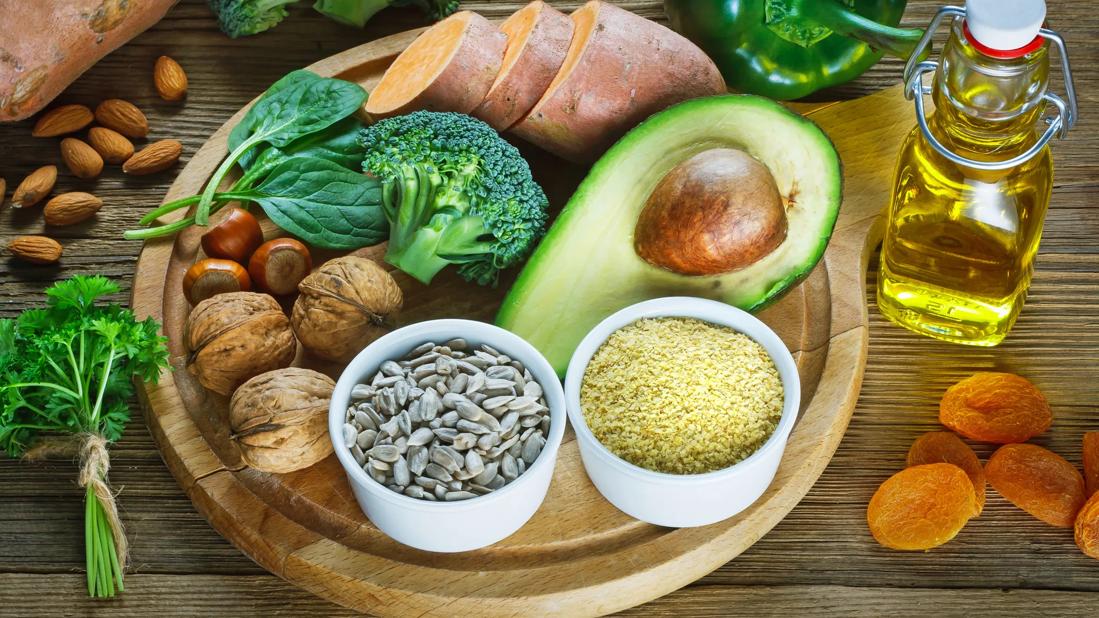
Excellent sources of vitamin E include:
- Sunflower seeds
- Almonds
- Hazelnuts
- Peanuts and peanut butter
- Wheat germ oil
- Sunflower, safflower, soybean, canola, and olive oils
- Spinach and other leafy greens
- Avocado
- Red bell pepper
- Fortified breakfast cereals
- Mango
A practical vitamin E-friendly day might include oatmeal topped with almonds, a lunch salad with spinach and avocado, and roasted vegetables tossed with olive oil. No complicated supplement math. No mysterious powder with a lightning bolt on the label. Just food doing food things.
How Much Vitamin E Do Adults Need?
Most adults need about 15 milligrams of vitamin E per day. Breastfeeding adults generally need more, around 19 milligrams daily. Children and teens need different amounts depending on age, so parents should follow pediatric nutrition guidance rather than adult supplement labels.
Many people do not carefully track vitamin E intake, but a varied diet can cover the need. The people most likely to struggle with vitamin E deficiency are usually those with conditions that affect fat absorption, such as Crohn’s disease, cystic fibrosis, certain liver or bile disorders, or rare genetic conditions that affect vitamin E transport.
Signs of Vitamin E Deficiency
Vitamin E deficiency is uncommon in otherwise healthy people. When it does occur, it is more often related to medical problems that interfere with fat absorption rather than simply not eating enough almonds.
Possible signs of deficiency may include nerve and muscle problems, coordination issues, vision problems related to retinal damage, weakened immune response, or numbness and tingling. These symptoms can have many causes, so self-diagnosing a vitamin E deficiency is not a great idea. It is better to let a healthcare professional investigate with appropriate testing.
Vitamin E Supplements: Helpful or Overhyped?
Vitamin E supplements can be useful for people who truly need them, especially those with diagnosed deficiency or fat-malabsorption disorders. In these cases, supplementation should be guided by a healthcare professional.
For the average healthy adult, vitamin E supplements are usually not necessary. Large studies have not shown that vitamin E pills reliably prevent major chronic diseases in the general population. In some cases, high-dose supplementation may increase risk, including bleeding problems. Some research has also raised concerns about high-dose vitamin E supplementation and prostate cancer risk in men.
Another thing to remember: dietary supplements are regulated differently from prescription medications. A supplement can be sold without the same premarket proof of effectiveness required for drugs. That does not mean every supplement is bad, but it does mean shoppers should be skeptical of dramatic claims like “reverse aging,” “detox your cells,” or “immune shield level 9000.” Your body is not a video game power-up screen.
Vitamin E for Skin: What It Can and Cannot Do
Vitamin E may help support skin comfort when used in moisturizing products, especially for dryness. It works well in formulas that support the skin barrier, often alongside ingredients such as ceramides, glycerin, hyaluronic acid, or plant oils.
But vitamin E is not guaranteed to fade scars, erase wrinkles, or fix acne. Applying pure vitamin E oil can feel heavy, and some people may break out or develop irritation. Anyone with sensitive skin should patch-test new products and avoid applying vitamin E oil to fresh wounds unless a clinician recommends it.
For healthier-looking skin, vitamin E works best as part of a realistic routine: gentle cleansing, moisturizer, daily sunscreen, enough sleep, hydration, and a nutrient-rich diet. Not glamorous, perhaps, but neither is trying to recover from a mystery rash caused by a product that promised “ancient botanical radiance.”
Possible Risks and Side Effects
Vitamin E from food is considered safe for most people. The bigger concern is high-dose supplementation. Too much supplemental vitamin E may increase the risk of bleeding because it can affect blood clotting. This is especially important for people taking warfarin, aspirin, clopidogrel, or other blood-thinning medications.
Possible side effects of high supplemental intake may include nausea, diarrhea, stomach cramps, fatigue, headache, blurred vision, rash, or easy bruising. Serious bleeding is rare but possible, especially at high doses or when vitamin E is combined with medications that affect clotting.
Adults should avoid exceeding the established upper limit of 1,000 milligrams per day from supplements unless a healthcare professional specifically directs it. More is not always better. Sometimes more is just more expensive with a side of regret.
Who Should Talk to a Doctor Before Taking Vitamin E?
Some people should be especially cautious with vitamin E supplements. Talk with a healthcare professional before taking vitamin E if you:
- Use blood thinners or antiplatelet medications
- Have a bleeding disorder
- Are scheduled for surgery
- Have had a stroke or heart attack
- Are being treated for cancer
- Have liver, gallbladder, pancreatic, or intestinal disease
- Are pregnant, breastfeeding, or buying supplements for a child
This does not mean vitamin E is dangerous for everyone. It means supplement decisions should match your actual health situation, not a random comment section where someone named “WellnessWarrior432” insists that mega-doses changed their aura.
Natural vs. Synthetic Vitamin E
Supplement labels may list natural vitamin E as d-alpha-tocopherol and synthetic vitamin E as dl-alpha-tocopherol. Natural and synthetic forms are not identical in how the body uses them. Natural vitamin E is generally more biologically active, which is why dosage conversions can vary between milligrams and international units.
For most people, this difference matters less than the bigger question: do you need a supplement at all? If a healthcare professional recommends vitamin E, ask which form and dose are appropriate. If not, food-first remains the most sensible strategy.
Simple Ways to Add More Vitamin E to Your Diet
Boosting vitamin E through meals does not require a complete kitchen personality makeover. Small changes can add up.
Add Nuts or Seeds to Breakfast
Sprinkle sunflower seeds or chopped almonds on oatmeal, yogurt, or whole-grain cereal. This adds crunch, healthy fats, and vitamin E without making breakfast complicated.
Use Healthy Oils in Cooking
Olive, canola, sunflower, and safflower oils can contribute vitamin E. Use them in salad dressings, sautés, or roasted vegetables. Just remember that oils are calorie-dense, so a little goes a long way.
Build Better Salads
A spinach salad with avocado, red bell pepper, sunflower seeds, and a simple olive oil vinaigrette is practically a vitamin E appreciation party. It also delivers fiber, potassium, vitamin C, folate, and other nutrients.
Snack Smarter
Swap ultra-processed snacks for a small handful of almonds or peanuts. You get vitamin E, protein, and healthy fats, plus the satisfaction of eating something that actually keeps you full for more than eleven minutes.
Vitamin E Myths Worth Retiring
Myth 1: Vitamin E Supplements Prevent Every Disease
Vitamin E is essential, but supplements are not universal disease-prevention pills. A healthy diet, regular movement, sleep, medical care, not smoking, and managing stress all matter more than relying on one nutrient.
Myth 2: Vitamin E Oil Erases Scars
Evidence for vitamin E oil as a scar treatment is weak. It may moisturize skin, but it can also irritate some people. For scars, dermatology-backed options are more dependable.
Myth 3: More Vitamin E Means Better Health
High-dose vitamin E can increase risk, especially bleeding risk. The goal is enough vitamin E, not the biggest number on a supplement label.
Real-Life Experiences With Vitamin E: Practical Lessons From Everyday Wellness
One of the most common real-world experiences with vitamin E is discovering that “healthy” does not have to be dramatic. Many people first hear about vitamin E through skin care, usually from a moisturizer, face oil, scar gel, or a beauty video that makes it sound like liquid gold. Then they start reading labels and realize vitamin E is also sitting quietly in everyday foods like almonds, sunflower seeds, peanut butter, spinach, and avocado. It is less like a rare treasure and more like a helpful neighbor who has been there the whole time.
A practical experience many people report is that food-based vitamin E feels easier to maintain than supplement routines. For example, adding sunflower seeds to salads or keeping almonds as a desk snack is simple. It does not require remembering another pill, worrying about dose conversions, or wondering whether a supplement conflicts with medication. Food also brings extra benefits: fiber, minerals, plant compounds, protein, and healthy fats. A handful of nuts does not just deliver vitamin E; it also helps make a snack more satisfying.
Skin care experiences are more mixed. Some people enjoy moisturizers that contain vitamin E because they make dry skin feel smoother. That makes sense because vitamin E is often included in nourishing formulas with oils and emollients. But pure vitamin E oil is not everyone’s best friend. Some users find it sticky, heavy, or pore-clogging. Others may experience redness or itching. The lesson is simple: vitamin E in a well-formulated moisturizer may be useful, but applying thick oil to every skin concern is not a guaranteed upgrade.
Another common experience involves scars. A person may hear from a friend or family member that vitamin E oil helped a scar fade. Personal stories can be sincere, but scars naturally change over time even without special treatment. That makes it easy to give credit to whatever was applied during the healing process. In practice, people often get better results by protecting healing skin from the sun, keeping wounds clean and moisturized, and asking a dermatologist about proven scar options such as silicone-based products.
People who take multiple supplements sometimes learn the “more is not always better” lesson the hard way. A multivitamin may already contain vitamin E, and adding a separate vitamin E capsule can push intake higher than intended. This matters most for people on blood-thinning medications or those preparing for surgery. A good habit is to line up all supplements on a table once in a while and check for overlapping ingredients. It is surprisingly easy to double up without noticing.
The best everyday experience with vitamin E is usually boring in the best possible way: a balanced diet, consistent meals, simple snacks, and cautious supplement use. No miracle promises. No wellness theater. Just steady nutrition that supports the body without turning the bathroom cabinet into a tiny pharmacy.
Conclusion: Vitamin E Is Essential, But Balance Wins
Vitamin E is an important nutrient with real benefits. It helps protect cells from oxidative damage, supports immune function, contributes to skin and eye health, and plays a role in normal blood vessel function. The best way to get it is through vitamin E-rich foods such as nuts, seeds, plant oils, leafy greens, avocado, and fortified cereals.
Supplements may be necessary for people with deficiency or fat-absorption problems, but high-dose vitamin E is not a casual wellness hack. It can increase bleeding risk and may interact with medications. For most healthy adults, a food-first approach is safer, simpler, and more useful than taking large supplemental doses.
In the end, vitamin E deserves respect, not hype. Treat it like a valuable part of a healthy lifestyle, not a magic wand. Your cells will appreciate the support, and your wallet may appreciate fewer impulse supplement purchases.