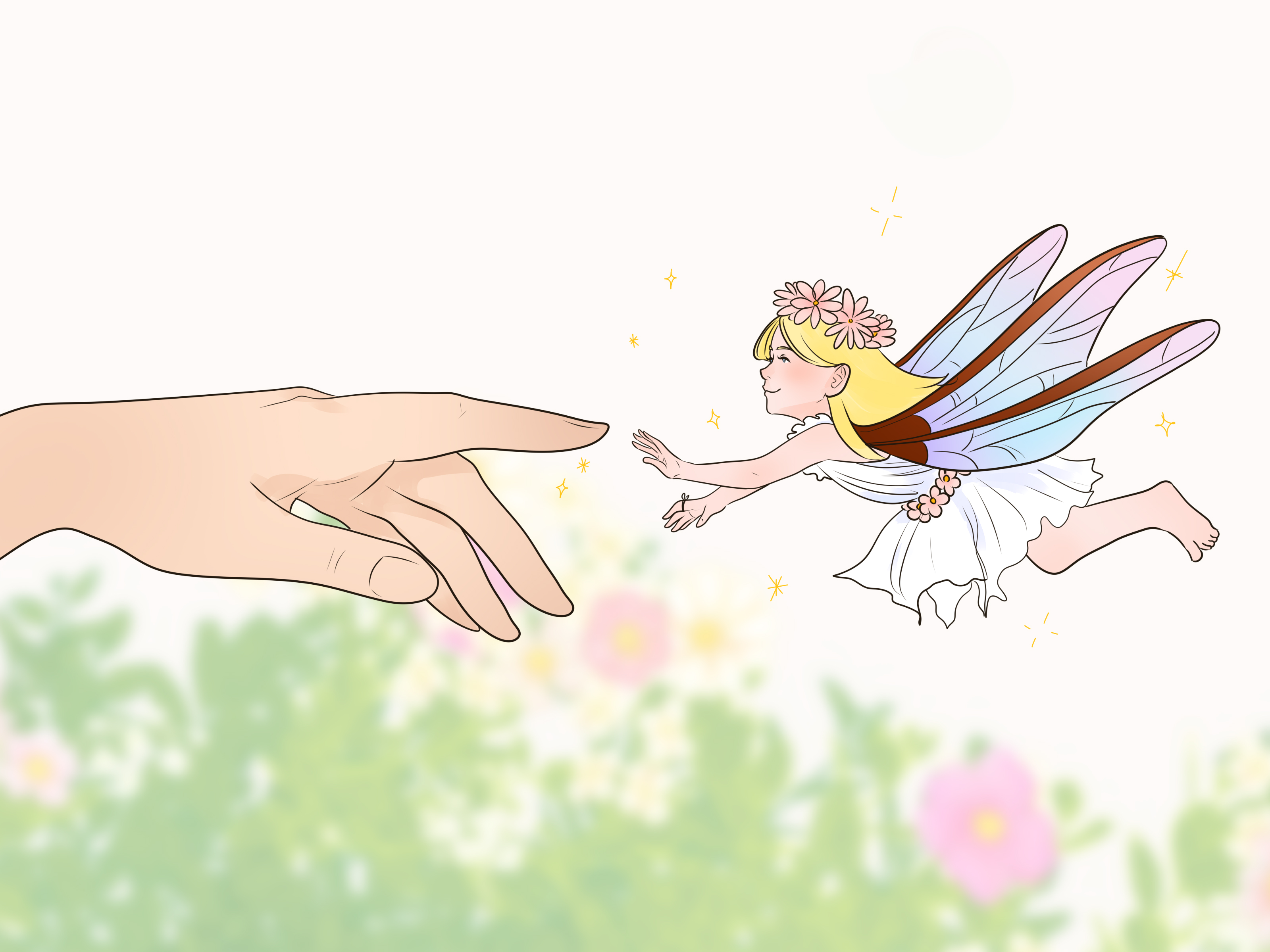
Some names walk into a room wearing sensible shoes. Fairy names arrive on a moonbeam, trip over a mushroom, and somehow still look elegant. Whether you are writing a fantasy novel, naming a role-playing character, building a magical gaming avatar, creating a baby-name inspiration list, or simply wondering what you would be called if you lived inside a glowing acorn cottage, a fairy name generator can be a delightful little spellbook.
Fairy names feel light, lyrical, mysterious, and just a tiny bit mischievous. They often borrow inspiration from nature, folklore, old languages, flowers, stars, water, seasons, gemstones, and musical sounds. A good fairy name does not just sound pretty. It suggests a personality, a setting, a magical talent, and maybe a habit of stealing cookies from royal kitchens.
In this guide, we will explore how a fairy name generator works, what makes fairy names sound magical, how to create your own enchanting names, and how to choose the perfect name for stories, games, pets, online profiles, or creative projects. Consider this your lantern-lit path through the mossy forest of naming possibilities.
What Is a Fairy Name Generator?
A fairy name generator is a creative tool that produces whimsical and magical names inspired by fairy folklore, fantasy fiction, nature, mythology, and imaginative wordplay. Instead of giving you ordinary names like Sarah, David, or “Please Stop Naming Every Villain Gary,” it offers names such as Liora Moonpetal, Fennel Brightwing, Elowen Starwhisper, or Thistle Dewglimmer.
Most fairy name generators combine several naming ingredients: soft first names, nature-based words, magical suffixes, melodic sounds, and fantasy-style titles. The result is a name that feels like it belongs to a tiny winged messenger, a woodland healer, a moonlit trickster, or a royal guardian of the enchanted glade.
Why People Use Fairy Name Generators
People search for fairy name ideas for many reasons. Writers use them to name characters in fantasy novels, short stories, comics, and children’s books. Gamers use them for role-playing games, fantasy MMORPGs, and tabletop campaigns. Parents may browse fairy-inspired names because names like Faye, Pixie, Elara, Iris, Luna, and Parisa feel dreamy and lyrical. Artists, cosplayers, and content creators use magical names to build an aesthetic identity online.
And sometimes, let us be honest, people use a fairy name generator because life is stressful and discovering that your fairy name is Maribel Glitterfern is cheaper than therapy.
What Makes a Fairy Name Sound Magical?
Fairy names usually have a musical quality. They are easy to say, pleasant to hear, and rich in imagery. A name like Aurelia Mistbloom immediately creates a picture: golden light, soft fog, flowers opening at dawn, and probably an excellent skincare routine. That is the power of sound and meaning working together.
1. Nature Imagery
Fairies are often associated with forests, flowers, rivers, moonlight, meadows, and hidden natural places. That is why many magical fairy names include nature-inspired words such as:
- Rose, Ivy, Fern, Willow, Clover, Briar, Hazel
- Moon, Star, Dawn, Dusk, Mist, Rain, Frost
- Brook, River, Meadow, Vale, Hollow, Glen
- Petal, Thorn, Bloom, Leaf, Wing, Dew
Pairing a soft first name with a nature-based second name creates an instant fairy-world effect. For example, Seren Willowmist sounds gentle and wise, while Pippa Thornspark sounds like she has definitely set a teapot on fire at least once.
2. Soft, Flowing Sounds
Many fairy names use liquid sounds such as L, R, M, N, and V. These letters create a smooth, graceful rhythm. Names like Elara, Mirielle, Lunara, Amara, and Sylvie feel light because the sounds glide rather than stomp.
By contrast, harsher consonants such as K, G, Z, and X can create stronger or darker fairy names. A name like Kaelix Nightthorn sounds less like a flower fairy and more like someone who guards a forbidden crystal cave. Both styles are useful, depending on the character.
3. Meaning and Symbolism
The best fairy names are not random sparkles thrown into a blender. They carry meaning. A water fairy might have a name connected to rivers, mist, pearls, or rain. A fire fairy might be named after embers, sunlight, sparks, or gold. A forest fairy might use names connected to leaves, roots, moss, and wildflowers.
For example, Naia Brookveil suggests water magic. Solara Emberwing suggests fire or sun magic. Briony Mosswhisper sounds like a woodland fairy who knows exactly which mushrooms are edible and which ones will make you sing opera to a tree stump.
Popular Types of Fairy Names
A great fairy name generator should offer different styles because not every fairy is the same. Some are sweet. Some are ancient. Some are royal. Some are tiny chaos machines with glitter.
Flower Fairy Names
Flower fairy names are soft, elegant, and romantic. They are perfect for gentle characters, healers, garden spirits, spring fairies, or magical beings connected to beauty and growth.
Examples: Rosebell Petalglow, Lily Fernsong, Marigold Dewlace, Violet Moonbloom, Azalea Brightleaf, Primrose Starpetal.
Forest Fairy Names
Forest fairy names feel earthy, wise, and mysterious. These names work well for protectors of ancient woods, herbalists, scouts, and quiet characters who know how to vanish behind one leaf like a professional.
Examples: Elowen Mossvale, Thalia Greenbriar, Rowan Twigwhisper, Hazel Wildroot, Briar Oakmist, Sylvie Fernshade.
Moon Fairy Names
Moon fairy names are dreamy and celestial. They often include words related to stars, silver, night, dreams, and glowing skies. These are excellent for mysterious characters, dream guides, starlight messengers, and magical queens.
Examples: Lunara Silverveil, Celeste Nightbloom, Astra Moonwing, Selene Starfall, Mira Duskwisp, Elara Glowmist.
Water Fairy Names
Water fairy names are fluid, graceful, and calming. They may be inspired by rivers, rain, oceans, pearls, shells, springs, and mist. These names suit healers, singers, mer-fae, river spirits, and characters who always know when a storm is coming.
Examples: Naia Rainwhisper, Marina Pearlbrook, Ondine Mistfall, Nerissa Dewstream, Coralyn Waveglow, Isla Brookshine.
Dark Fairy Names
Not all fairies sprinkle kindness and lavender dust. Some guard curses, secrets, forgotten ruins, and suspiciously dramatic capes. Dark fairy names use sharper sounds and shadowy imagery.
Examples: Nyx Thornveil, Vesper Nightshade, Kaelix Dusktalon, Morrigan Blackbriar, Zaria Shadowmoss, Ravenna Frostthorn.
Funny Fairy Names
For children’s stories, comedy games, or lighthearted fantasy, funny fairy names are pure gold. They should sound magical but playful, as though the character might accidentally turn a frog into a tax accountant.
Examples: Tilly Toadspark, Bubbles McWing, Poppy Noodlefern, Fizzlebelle Dewpants, Pickle Glittermoss, Wobbin Twinklenose.
How to Create Your Own Fairy Name
You do not need a wand, a prophecy, or a suspiciously specific birthmark to create a fairy name. You only need a simple formula and a little imagination.
Step 1: Choose a Soft First Name
Start with a melodic first name. It can be real, invented, or adapted from existing names. Good fairy-style first names include Faye, Elara, Liora, Seren, Amara, Isolde, Maribel, Pixie, Aurelia, Thalia, and Roselle.
Step 2: Pick a Magical Theme
Decide what kind of fairy you are naming. Is this fairy connected to flowers, winter, dreams, sunlight, music, animals, rivers, or mischief? The theme will guide the second half of the name.
Step 3: Add a Nature or Magic Word
Choose a word that matches the theme. For a garden fairy, try Petal, Bloom, Rose, or Clover. For a night fairy, try Moon, Star, Dusk, or Shadow. For a water fairy, try Rain, Brook, Mist, or Pearl.
Step 4: Finish With a Fantasy Suffix
Suffixes help complete the fairy feeling. Popular endings include -wing, -whisper, -glow, -bloom, -mist, -spark, -veil, -song, -fern, -shade, and -petal.
Combine the pieces and you get names such as Amara Dewsong, Liora Starveil, Faye Willowglow, Seren Mistwhisper, or Roselle Cloverwing.
Fairy Name Generator Ideas by Personality
A name becomes stronger when it matches personality. Here are some ready-to-use fairy name ideas based on character traits.
Gentle Fairy Names
Gentle fairies need names that sound warm, soft, and comforting. Try Lily Dewheart, Mira Softbloom, Elina Honeyveil, Sylvie Kindleaf, or Aurora Meadowglow.
Mischievous Fairy Names
Mischievous fairies should have playful rhythm and sparkle. Try Pippa Quickwing, Tansy Tricklebell, Fizzla Brightspark, Nixie Bumblethorn, or Tilly Winkmoss.
Royal Fairy Names
Royal fairy names should feel elegant and ancient. Try Queen Aurelia Moonveil, Princess Elowen Starbloom, Lady Seraphina Silverwing, Lord Caelum Brightthorn, or Empress Isolde Dawnmist.
Warrior Fairy Names
Warrior fairy names need strength without losing magic. Try Vera Ironpetal, Kaela Thornwing, Briar Stormglow, Riven Oakblade, or Nyra Flameveil.
Fairy Name Generator Formula You Can Use Instantly
Here is a simple fairy name formula that works beautifully:
First Name + Nature Word + Magical Ending
For example:
- Elara + Moon + Whisper = Elara Moonwhisper
- Faye + Rose + Glow = Faye Roseglow
- Nixie + Rain + Spark = Nixie Rainspark
- Maribel + Clover + Wing = Maribel Cloverwing
- Thalia + Moss + Song = Thalia Mosssong
You can also reverse the formula for a more unusual sound:
Magical Title + First Name + Realm Name
Examples include Moonkeeper Elara of the Silver Vale, Thornspeaker Briar of the Wildwood Court, Dewdancer Mira of the Crystal Brook, and Starbinder Liora of the Twilight Hollow.
Best Fairy Names for Stories, Games, and Creative Projects
If you need quick inspiration, here is a curated list of whimsical fairy names ready for stories, games, online profiles, and magical projects.
Female Fairy Names
- Elowen Starpetal
- Liora Moonfern
- Seraphina Dewveil
- Faye Glitterbloom
- Rosalie Mistwing
- Aurelia Sunwhisper
- Celeste Cloverglow
- Marina Rainbloom
Male Fairy Names
- Caelan Oakwhisper
- Rowan Brightwing
- Finnian Mossglow
- Alaric Thornvale
- Orion Dewspark
- Silas Moonbrook
- Emrys Wildfern
- Lioren Starshade
Gender-Neutral Fairy Names
- Wren Moonleaf
- River Glowmist
- Sage Brightpetal
- Aster Willowwing
- Robin Dewmoss
- Indigo Starfern
- Briar Mistvale
- Sky Cloverwhisper
How to Choose the Perfect Fairy Name
The perfect fairy name should be memorable, pronounceable, meaningful, and appropriate for the world you are creating. A beautiful name can lose its charm if readers need a pronunciation guide, a compass, and emergency snacks just to get through it.
Keep It Easy to Say
Fantasy names can be unusual, but they should still be readable. Lunara Mistbloom is easy to pronounce. Lx’thraezzia Mmyrpphwing looks like a keyboard sneezed. Unless that is the exact vibe you want, keep the spelling friendly.
Match the Name to the World
If your story world is soft and cozy, names like Poppy Fernwhisper and Hazel Dewbell fit well. If your world is darker and more ancient, names like Vesper Thornshade or Morrigan Nightbloom may work better.
Avoid Overloading the Sparkle
One magical word is charming. Five magical words can become glitter soup. Elara Moonwhisper sounds elegant. Princess Elara Sparklemoon Glitterwing Dewmist Starflower sounds like a birthday cake gained legal citizenship. Choose one or two strong images and let them shine.
Experience Section: My Whimsical Journey With Fairy Name Ideas
The first time I tried using a fairy name generator, I expected a cute name and maybe a brief giggle. What I did not expect was to spend an entire afternoon building an imaginary fairy village complete with mushroom cottages, a moonlit bakery, and a tiny local government that seemed deeply concerned about unauthorized glitter distribution. That is the funny thing about fairy names: one good name can open a trapdoor into an entire world.
For example, the name Tansy Quickwing instantly made me imagine a speedy messenger fairy who delivers acorn-sealed letters across the forest. She is brave, slightly impatient, and probably drinks too much honeysuckle tea. Then came Briony Mosswhisper, who felt like an older woodland healer with a cottage full of herbs, soft candles, and one extremely judgmental owl. A simple generated name became a personality, then a home, then a story.
That is the real value of a fairy name generator. It does not replace creativity. It wakes creativity up, hands it a lantern, and says, “Come on, we found a secret path.” Writers often get stuck because naming feels permanent. Once a character has a name, they feel real, which can be exciting but also intimidating. A generator lowers the pressure. You can try ten names, laugh at three, save two, and suddenly discover the one that clicks.
I have also found that fairy names are surprisingly useful outside fiction. For party games, they are instant icebreakers. At a fantasy-themed birthday party, giving each guest a fairy name can turn a simple gathering into a tiny enchanted court. For online profiles, fairy names help create a soft, magical aesthetic without revealing personal details. For art projects, a name can guide the entire mood of an illustration. Liora Starveil calls for silver, blue, and lavender. Fennel Thornspark wants green, copper, and maybe a suspicious little grin.
The best experience comes from editing the generated result. A name generator might offer Mira Rainbloom, but you can adjust it to Mira Rainveil if your character is more mysterious. It might suggest Rowan Oakwing, but Rowan Oakwhisper may sound wiser. This small act of refining makes the name feel personal. You are not just accepting a random result. You are shaping it, polishing it, and teaching it how to sparkle responsibly.
My favorite method is to generate several names, read them aloud, and ask three questions: Can I pronounce it easily? Does it create a clear image? Does it make me want to know more about the character? If the answer is yes, the name is worth keeping. If the answer is no, toss it back into the enchanted pond and let another one swim up.
In the end, fairy names remind us that language can still feel playful. A name can be a tiny story. It can hold moonlight, mischief, weather, flowers, music, and personality in just a few words. Whether you are naming a novel character, a gaming avatar, a pet, a fictional kingdom, or your own secret fairy alter ego, the process should feel joyful. After all, if magic cannot be a little fun, what are we even doing in the mushroom circle?
Conclusion
A fairy name generator is more than a random name tool. It is a creative shortcut into fantasy, folklore, storytelling, and playful imagination. The best fairy names combine sound, meaning, nature imagery, and personality. They feel magical because they suggest a world beyond the name itself: a moonlit forest, a hidden meadow, a sparkling court, a mischievous sprite, or a powerful guardian of ancient magic.
Whether you prefer sweet flower fairy names, mysterious moon fairy names, elegant royal fairy names, or funny fairy names that sound like they escaped from a cupcake, the secret is balance. Choose names that are easy to pronounce, rich in imagery, and suited to the character or project. Let the name sparkle, but do not bury it under a mountain of glitter. Even fairies appreciate good editing.
So the next time you need a magical name, start with a theme, add a soft first name, mix in nature, finish with a whimsical ending, and see what appears. You may discover a character, a story, or your own secret fairy identity waiting between the petals.